Beekeeping

9 Best Beekeeping Gloves of 2026: Choose the Right Material and Fit

Find the perfect beekeeping gloves for your hive work: goatskin for dexterity, cowhide for durability, and budget options that won't fail mid-season.

Many beekeeping gloves under $20 fall apart after a few inspections, while premium options over $50 can still let stings through the thin leather needed for dexterity. Finding a pair that fits well, protects adequately, and lasts more than a season requires knowing the trade-offs between material, ventilation, and sizing.

This guide focuses on the gloves that get the balance right for different beekeepers — weekend hobbyists, commercial operators, or parents teaching a child. It covers the key decisions: goatskin vs. cowhide, vented vs. sealed, and avoiding the common mistake of ordering too small.

The best glove for you depends on your climate, inspection frequency, and whether you prioritize sting protection over hand movement. With the right pair, you'll work your hives with confidence rather than frustration.

1

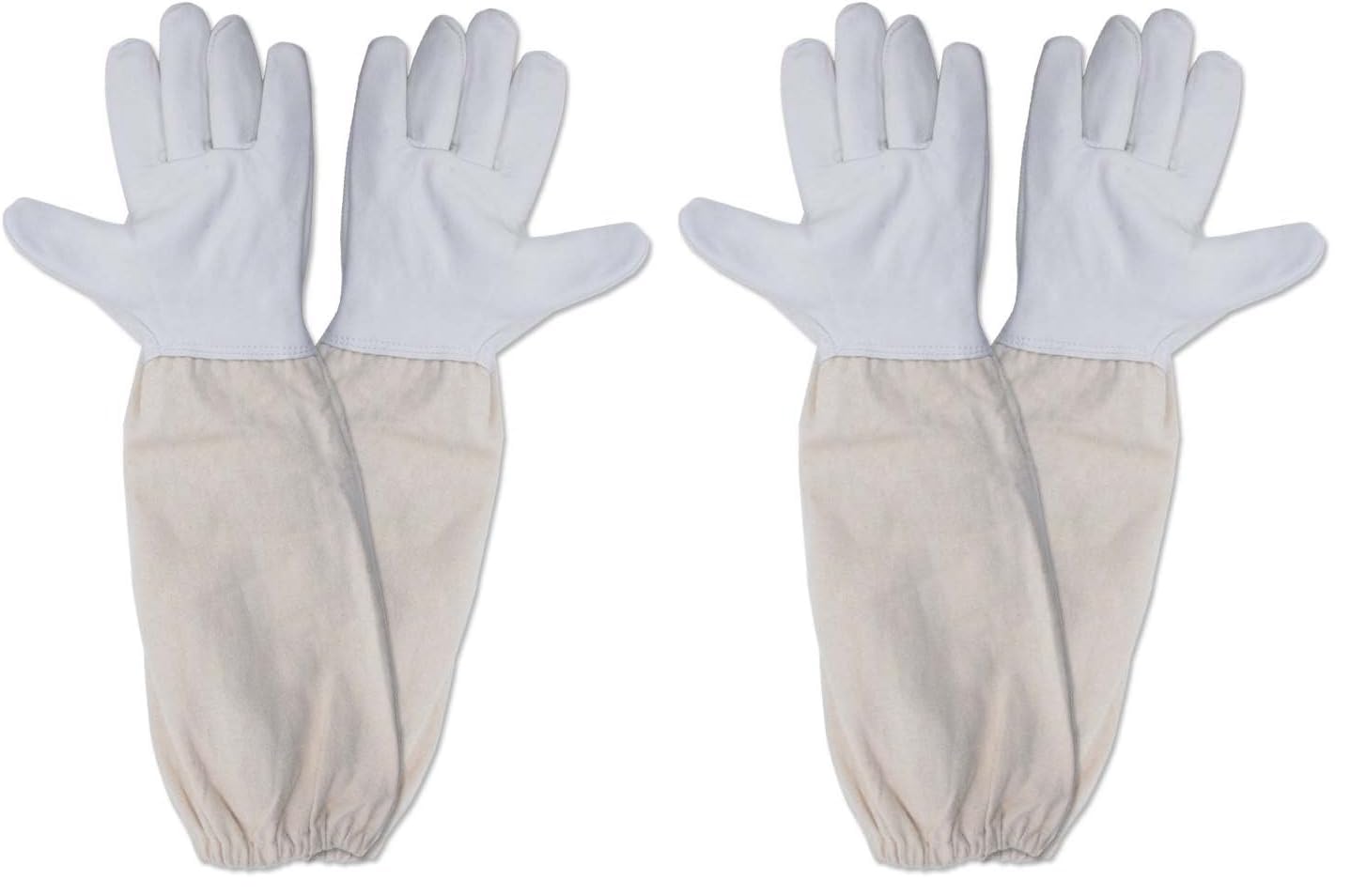
FOREST Children Glove

Top Pick
FOREST Children Glove

Children

Our Score 9.4/10
Check Price

Worth Noting

  • Only available in children's sizing
Material
Goatskin leather + canvas
Sleeve & Cuff
Long canvas, elastic cuff
Fit Consistency
True-to-size for children
Stitching & Seam
Reinforced stitching
Read the full review

This glove is cut specifically for children aged 8-14 and adults with very small hands, using the same goatskin leather found on premium adult options. The elastic cuff and long canvas sleeve offer the same sting protection as larger gloves, but the sizing means it will not work for average or large adult hands.

Measure hand circumference against the sizing chart before purchase – this glove is not a one-size-fits-all.

Bottom line: If you are buying for a child or have very small hands, this is the glove to get – no compromises in protection for a smaller fit.

2

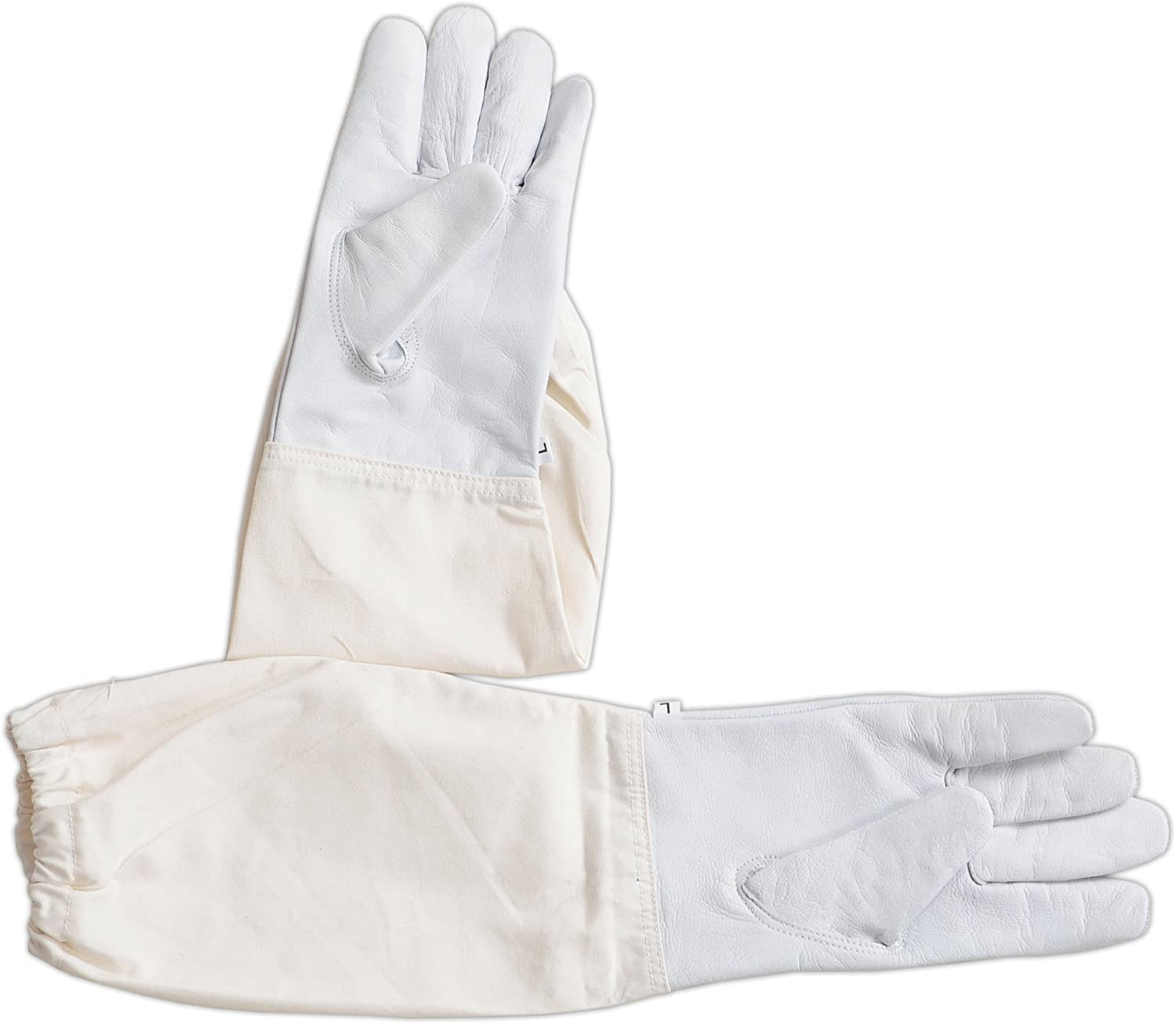
FOREST Goatskin Beekeeper Glove

FOREST Goatskin Beekeeper Glove

Beginner & Hobbyist

Our Score 9.2/10
Check Price

Worth Noting

  • Seams may come loose after repeated use
Material
Goatskin leather + canvas
Sleeve & Cuff
Long canvas, elastic cuff
Fit Consistency
True-to-size, slightly large
Stitching & Seam
Reinforced stitching
Read the full review

The goatskin leather is noticeably soft and comfortable, requiring almost no break-in time. The elastic cuff creates a snug seal that keeps bees from crawling up the sleeve. The leather is supple enough for fine motor control, and in typical hobbyist use the medium size fits true to hand.

The keystone thumb design allows natural grip movement, making it easier to manipulate frames and hive tools. The long canvas sleeve offers good arm coverage without feeling heavy or stiff. Combined with the leather palm, the glove provides solid dexterity for the price point.

This glove is a strong fit for beginner and hobbyist beekeepers looking for an affordable first pair. The stitching can loosen after several uses, so it's not intended for daily commercial work. Inspecting seams before each outing helps catch loose threads early. For light-to-moderate use a few times a month, it delivers good protection and comfort without breaking the bank.

Inspect seams before each use to catch loose threads early.

Bottom line: For hobbyist beekeepers on a budget, this glove offers consistent protection and comfort without the premium price tag.

3

FOREST Premium Ventilated

FOREST Premium Ventilated

Hot weather

Our Score 9.2/10
Check Price

Worth Noting

  • Thin leather may allow occasional stings through the material.
Material
Goatskin leather + canvas
Sleeve & Cuff
Long canvas, elastic cuff
Fit Consistency
Runs large, fingers long
Stitching & Seam
Double stitched
Read the full review

Ventilated foam back reduces sweat buildup during hot-weather beekeeping, and the soft goatskin leather allows natural finger movement for precise hive tasks. The long canvas sleeve provides solid wrist coverage against stings. This glove fits beekeepers who work in high heat and prioritize hand comfort, accepting that the generous sizing may feel loose on smaller hands.

Keep leather conditioned to maintain suppleness and minimize sting vulnerability over time.

Bottom line: Best for hot-climate beekeepers who want breathable, dexterous gloves and can accept a looser fit. Not for those needing heavy-duty sting-proof protection.

4

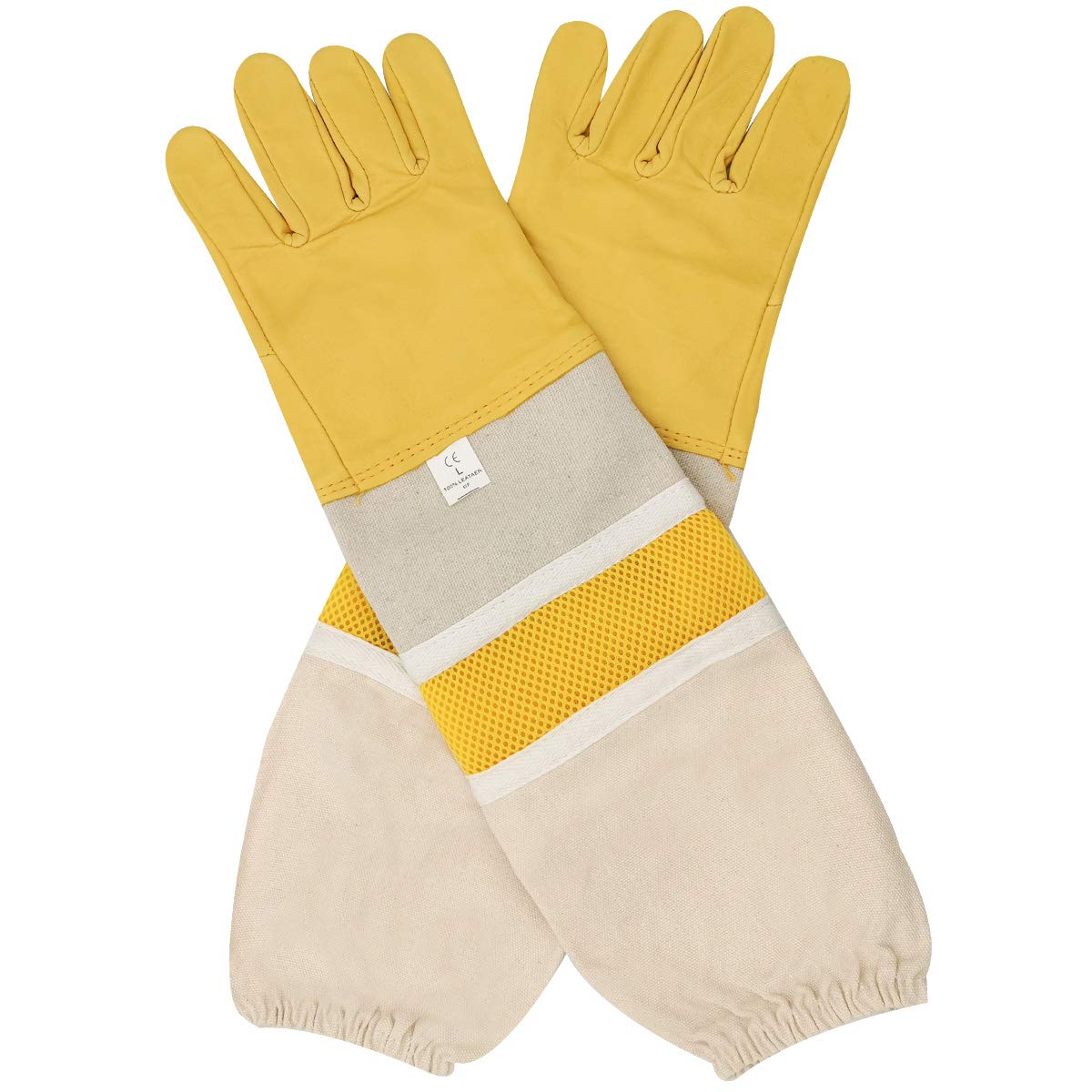
KINGLAKE Goatskin Gloves

KINGLAKE Goatskin Gloves

Beginners/kids

Our Score 9.2/10
Check Price

Worth Noting

  • Seams may separate or leather may wear prematurely after light use
  • Sizing runs small
Material
Goatskin leather
Sleeve & Cuff
Long canvas, elastic cuff
Fit Consistency
Runs very small
Stitching & Seam
Standard stitching
Read the full review

At under ten dollars, the KINGLAKE Goatskin Gloves deliver genuine goatskin leather with a soft, pliable feel that gloves twice the price often lack. The leather provides adequate sting defense for light hive visits, but the construction favors cost over longevity.

The seams can separate and the leather may show wear after a few uses, and the sizing runs small enough that most buyers need to order one size up. These are honest limitations, but for someone just starting with beekeeping or needing an inexpensive backup pair, the low cost and decent baseline protection still make sense.

Order at least one size larger than your usual glove size.

Bottom line: This glove is a sensible choice for a beginner's first pair or a spare for the toolbox — just plan to size up and treat it gently.

5

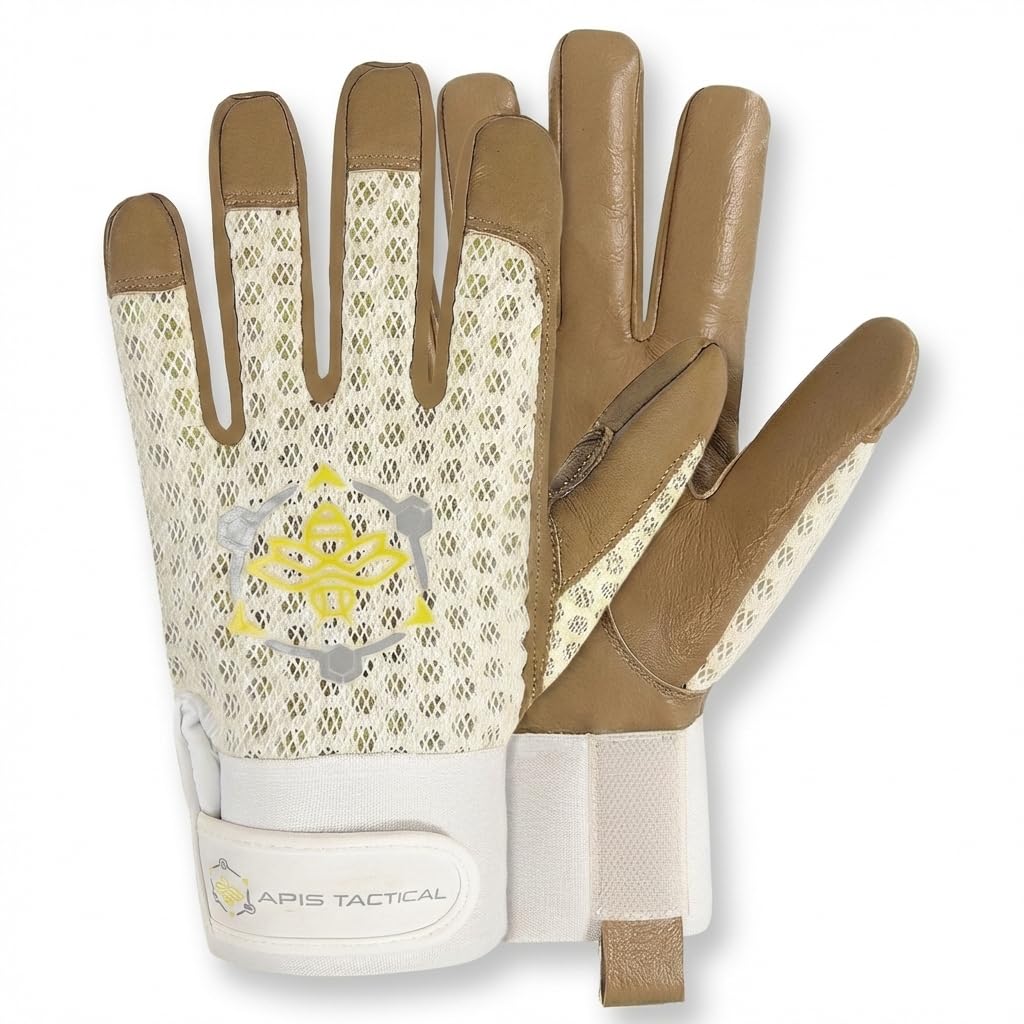
Apis Tactical Cowhide

Apis Tactical Cowhide

Serious hobbyist

Our Score 9.0/10
Check Price

Worth Noting

  • Fit can be tight at first; break-in or sizing up may be needed.
  • Sting penetration may occur at seam areas in some cases.
Material
5mm cowhide leather
Sleeve & Cuff
Extended cuff, elastic
Fit Consistency
Runs tight initially
Stitching & Seam
Heavy-duty stitching
Read the full review

The thickest cowhide in this set provides sting resistance that thinner goatskin gloves cannot match. The 5mm leather requires a break-in period and may feel tight initially — sizing up one half-size is a common workaround. Some users report sting penetration at seam areas, though the glove’s durability for daily commercial use is a clear advantage for serious beekeepers who prioritize protection over dexterity.

Sizing up by half a size can reduce initial tightness; allow several sessions for the leather to soften.

Bottom line: For beekeepers who work hives daily and need maximum sting defense, these gloves deliver where thinner options fall short — just expect a break-in period and accept the dexterity tradeoff.

6

Humble Bee 110 Goatskin

Humble Bee 110 Goatskin

Premium feel

Our Score 9.0/10
Check Price

Worth Noting

  • Fit runs small, especially in the wrist and palm area—sizing up may be needed
Material
Goatskin palm, cotton canvas
Sleeve & Cuff
Extended full sleeve, elastic
Fit Consistency
Runs small, wrist tight
Stitching & Seam
Cut & sewn
Read the full review

Supple goatskin with extra-long sleeves provides solid arm coverage, but the fit runs small and durability can be inconsistent at this price. Best for hobbyists who prioritize sleeve length and are willing to size up, but not a clear upgrade over the Forest top pick.

Bottom line: Fits best for beekeepers who value the extra sleeve length and are comfortable with sizing up, despite possible durability tradeoffs.

7

ANPHSIN 2-Pack Goatskin

ANPHSIN 2-Pack Goatskin

Shared use

Our Score 8.8/10
Check Price

Worth Noting

  • Stitching may loosen or rip after a few uses
  • Sizing runs small; larger hands may find them uncomfortably tight.
Material
Goatskin leather
Sleeve & Cuff
Long canvas, elastic cuff
Fit Consistency
Runs small, tight
Stitching & Seam
Standard stitching
Read the full review

Two pairs of goatskin gloves for the price of one — this set delivers exceptional value for beginners needing a backup or couples who can share different sizes. The soft, lightweight leather works well for light hive checks, but quality control varies: some units have thin leather or loose stitching that can allow stings. Best for occasional or shared use rather than heavy-duty beekeeping.

Check the sizing chart and consider ordering a size up if you have larger hands.

Bottom line: A practical choice for beginners who want a backup pair or for couples with different hand sizes, but not the primary glove for regular use.

8

Apis Tactical Goatskin

Apis Tactical Goatskin

Dexterity

Our Score 8.8/10
Check Price

Worth Noting

  • Sting resistance can be inconsistent; some users get stung through the glove
Material
5mm goatskin leather
Sleeve & Cuff
Long canvas, elastic cuff
Fit Consistency
Runs true for most
Stitching & Seam
Double stitched
Read the full review

The Apis Tactical Goatskin gloves prioritize hand mobility and breathability over heavy-duty sting defense. The 5mm leather and patented vent system keep hands cool and agile during warm-weather inspections. However, some users experience sting penetration and the leather may wear faster than expected at this price. Best for those who accept occasional stings for better dexterity.

Bottom line: A good choice for hot-weather beekeeping where agility matters more than absolute sting-proofing, but not for those seeking heavy-duty protection.

9

DZXZY Goatskin Vented

DZXZY Goatskin Vented

Budget backup

Our Score 8.8/10
Check Price

Worth Noting

  • Sizing runs small and may require ordering up two sizes.
Material
Goatskin leather + canvas
Sleeve & Cuff
Long canvas, elastic cuff
Fit Consistency
Runs small
Stitching & Seam
Standard stitching
Read the full review

The DZXZY gloves deliver soft goatskin leather and a vented sleeve at a rock-bottom price. However, sizing is unreliable — many need to size up significantly — and the thin leather and stitching may not hold up to regular use, with possible sting penetration over time. Only consider as a spare or emergency pair.

Bottom line: Fine as a backup or for one-time use, but plan to size up and accept limited durability.

How to Choose

Material: Goatskin vs. Cowhide

Goatskin is softer and more dexterous, making it ideal for precision tasks like queen marking or frame manipulation. The trade-off is faster wear — a goatskin glove used weekly may need replacement after one season.

Cowhide is thicker and more puncture-resistant, offering better sting defense against defensive hives. It is stiffer on first use but loosens with wear. Choose cowhide if you work aggressive bees or need a glove that lasts multiple seasons.

Sleeve & Cuff Design

A long canvas sleeve combined with a snug elastic cuff keeps bees from crawling up your arm. The elastic must be tight enough to seal against the wrist but not so tight that it restricts circulation.

Canvas sleeves are standard and durable, but some gloves use thinner fabric that can tear. Check reviews for cuff durability — elastic that loses tension after a few washes compromises protection.

Ventilation vs. Sting Protection

Vented gloves use foam or mesh inserts to reduce sweat buildup in hot weather. The hidden trade-off is that any opening in the leather creates a potential entry point for stings, especially if the vent material is thin or poorly sealed.

If you rarely get stung on your hands and work in a hot climate, ventilation is worth considering. For high-risk hives or heavy nectar flows, choose non-vented gloves with solid leather.

Fit and Sizing Accuracy

Beekeeping glove sizing varies widely between brands. Most reviewers report that gloves run small, especially in the fingers — a too-long fingertip can bunch up and reduce dexterity or allow a sting through the leather.

Measure your hand circumference and compare to the brand's size chart. When in doubt, order a full size up. A glove that fits snugly without pressure points is the goal.

Stitching and Seam Durability

Seam failure is the most common durability complaint across all price points. Single-stitched gloves often unravel after a handful of uses, particularly along the thumb crotch and cuff attachment.

Look for double-stitched seams or reinforced keystone thumb construction. These details add minimal cost but significantly extend the glove's lifespan.

Frequently Asked Questions