Tree & Forestry Care

9 Best Chainsaw Mill of 2026: Which Actually Cut Straight and Last

Find a chainsaw mill that cuts straight and holds up, not one that rattles apart after a few logs. Picks for farm and garden use.

A chainsaw mill turns fallen trees into usable lumber, but the difference between a satisfying weekend project and a frustrating pile of scrap often comes down to hardware that stays tight. Many budget mills arrive with soft bolts, vague instructions, and clamps that bend under load — the exact problems that lead to crooked cuts and overheated chains.

The good news is that a few designs get the basics right: robust clamping, straight-holding frames, and materials that resist vibration loosening. This guide separates the mills that deliver repeatable results from those that demand constant re-tightening and replacement parts.

If you plan to mill more than a few logs a year, the right choice saves you time, wood, and temper — and often costs less than replacing a ruined chain.

1

Granberg 36" Alaskan MKIV

Top Pick
Granberg 36" Alaskan MKIV

Frequent heavy milling

Our Score 9.4/10
Check Price

Worth Noting

  • Guide bars may snap after extended high-volume milling in hardwood
  • Extended milling sessions can cause arm fatigue due to the mill's 18-lb heft.
Materials
Aircraft aluminum, zinc-steel
Bar Length
Up to 36"
Setup Ease
Easy
Read the full review

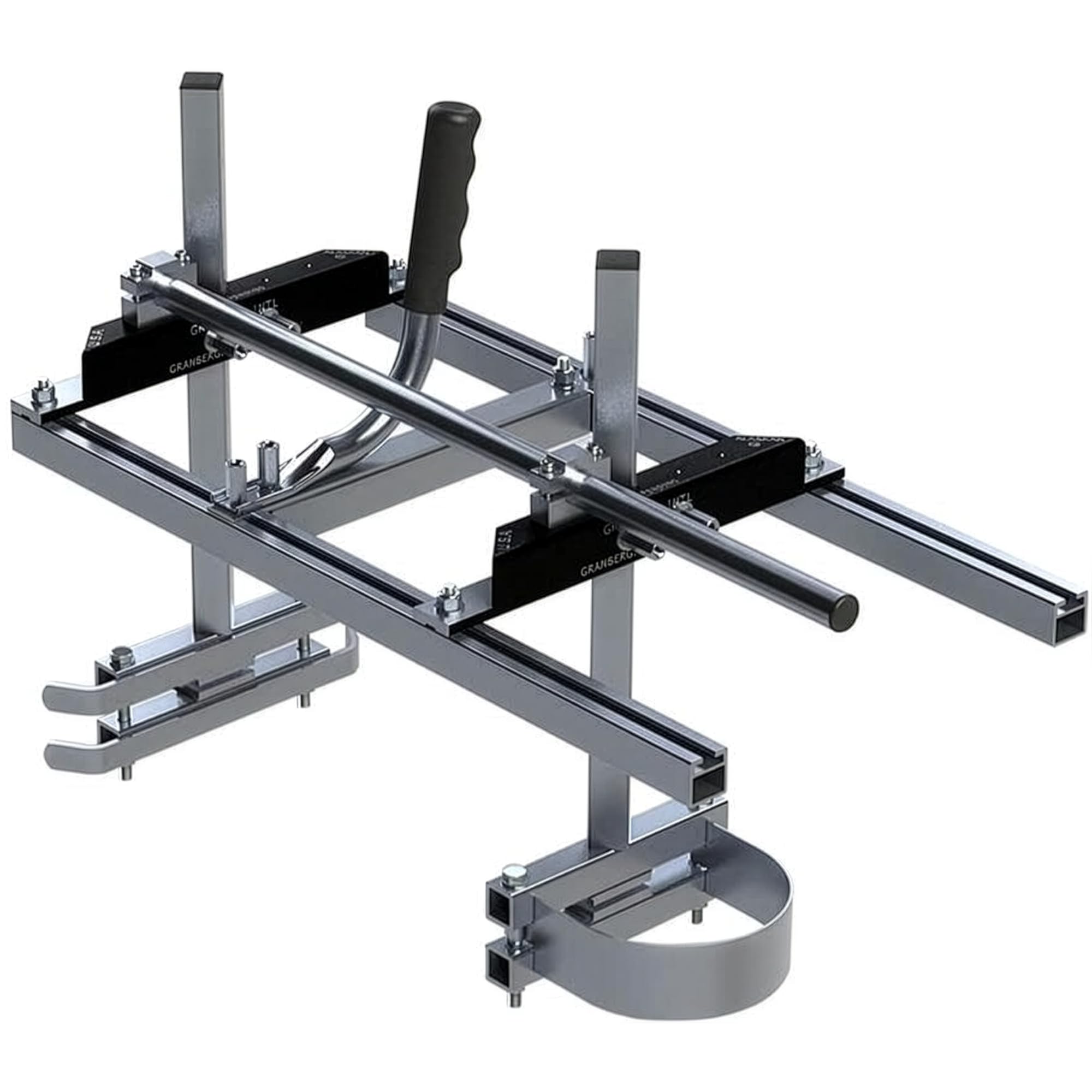
The Granberg MKIV's frame is milled from aircraft-grade aluminum, which resists flexing even when cutting full-width slabs from large logs. The result is a consistently flat surface that requires minimal planing afterward. This level of rigidity is rare among consumer chainsaw mills and directly translates to better lumber quality with less wasted material.

Cutting performance is most noticeable when the mill is matched to a powerful saw (50cc or larger) – the frame's rigidity translates into smooth kerfs and minimal blade binding. Less capable saws will bog down, so matching the mill to an appropriate power source is essential. Users running it with the right saw report uniform thickness across the entire board, even in dense hardwoods.

This mill is best suited for frequent millers and professionals who process multiple logs per session. Its 18-lb frame requires a 50cc+ chainsaw for best results, and the heavy build means it is not practical for small saws or quick, occasional cuts. If you mill infrequently or work with small-diameter logs, the smaller Granberg G777 may be a better fit.

The aluminum frame itself shows no signs of wear even after hundreds of slabs, though the zinc-plated steel guide bars are less forgiving under extreme loads. Occasional replacements are possible for high-volume operators. At a premium price, the MKIV costs more than many competitors, but the US-made materials and precise fit mean fewer adjustments and longer service life for serious millers.

Consider using a cant hook or log roller to minimize lifting strain – the mill's weight adds to the effort of positioning.

Bottom line: For millers with a powerful saw who demand consistent, flat slabs, the Granberg MKIV is the tool that delivers without compromise.
2

Granberg G777 Small Log

Granberg G777 Small Log

Small log milling

Our Score 9.2/10
Check Price

Worth Noting

  • When adjusting the frame in tight spaces, the bolt placement can make access awkward.
Materials
Aircraft aluminum, zinc-steel
Bar Length
16-20"
Setup Ease
Easy
Read the full review

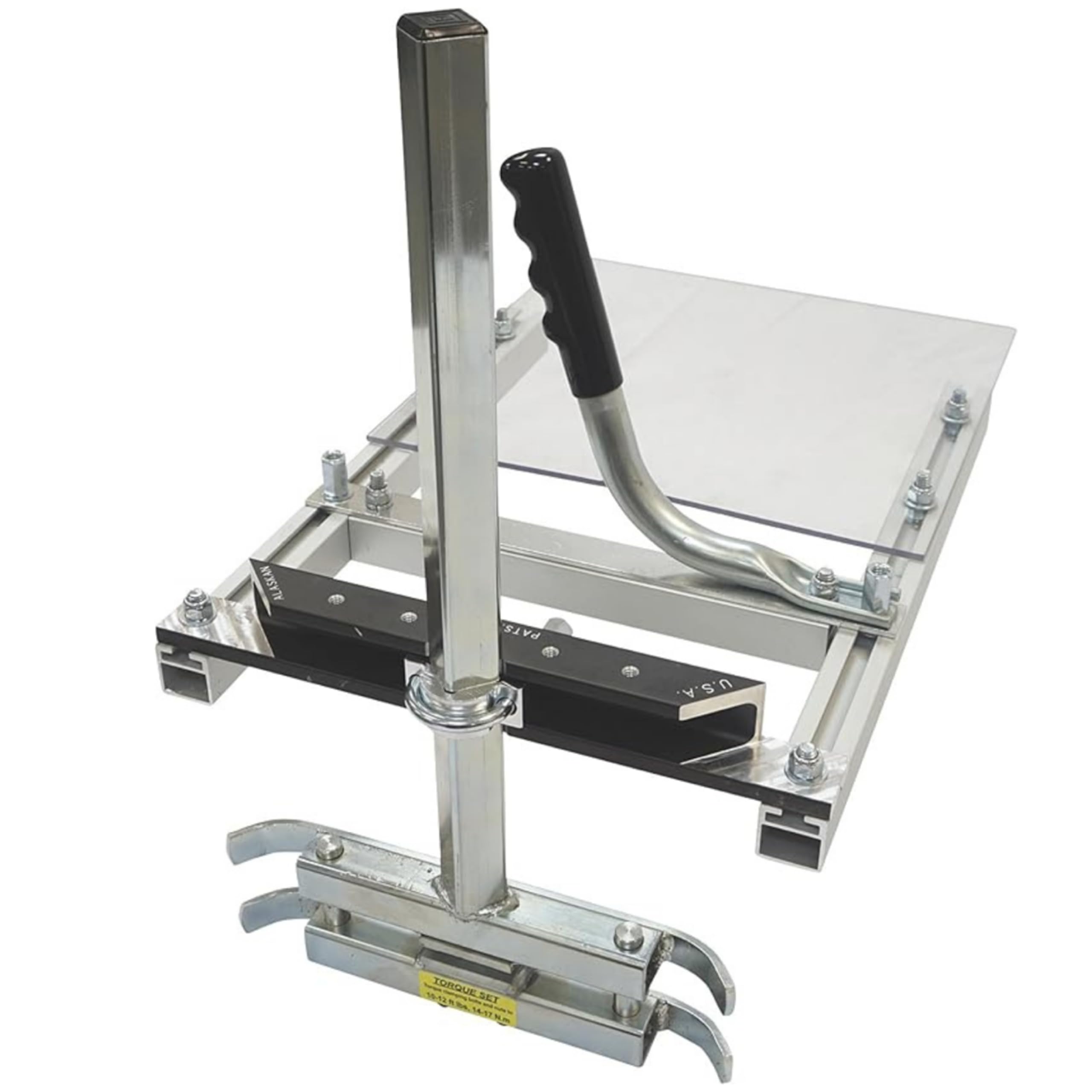
The Granberg G777 uses the same aircraft-grade aluminum extrusion and US manufacturing as the top-rated MKIV model, but its smaller frame is designed specifically for chainsaws with 16-20 inch bars rather than the MKIV’s 24-72 inch range. This makes it a more portable and affordable option for light-duty milling without sacrificing the rigid, accurate construction Granberg is known for.

This mill is best for hobbyists who mill occasional logs for garden beds, furniture stock, or firewood planks. It requires a saw with adequate power — typically 40-50cc — and works best with sharp chains and moderate feed rates. The 18-inch diameter limit means larger timber will need the MKIV or a bigger setup, but for small-scale work, the G777 provides a capable entry point at a lower price.

Users consistently note that the G777 cuts straight and cleanly when properly assembled and tensioned. The rigid frame maintains alignment through the cut, producing smooth surfaces. The bolt placement for securing the frame to the bar can be a minor annoyance when making adjustments in tight spaces, but once set it stays put. For small logs, the cutting performance matches what you'd expect from Granberg’s reputation.

Loosening the bolts slightly before adjustment helps reduce friction and improves alignment.

Bottom line: The G777 delivers the same Granberg quality as the larger MKIV in a more affordable, compact package — ideal for small-scale hobby milling.

3

Granberg G555B Edging

Granberg G555B Edging

Edging and squaring

Our Score 9.2/10
Check Price

Worth Noting

  • Only makes vertical cuts; cannot produce horizontal slabs or planks
Materials
Aircraft aluminum, zinc-steel
Bar Length
16-36"
Setup Ease
Easy
Read the full review

The Granberg G555B precisely squares and edges logs to produce dimensional lumber, using a vertical cut orientation. Its aircraft-aluminum and zinc-plated steel build holds up to repeated use, and setup takes minutes with the included V rail and wood screws. This tool is best suited for users who already own a slab mill and need to finish board edges, or for log home builders working with squared timbers. It does not make horizontal slab cuts — that requires a full Alaskan mill — so it falls outside the primary slab-milling intent that brought most buyers here.

Pair this with a slab mill to finish dimensional lumber from your initial slab cuts.

Bottom line: A solid choice if you already own a slab mill and need to square log edges, but skip it if you are looking for a tool to mill full planks from logs.

4

Vxacen 36" Mill

Vxacen 36" Mill

Occasional light use

Our Score 8.8/10
Check Price

Worth Noting

  • Bolts may strip if overtightened - hand tools are recommended over power drivers.
  • Small hardware items like washers or nuts are occasionally missing from the kit.
Materials
Steel and aluminum
Bar Length
10-36"
Setup Ease
Difficult
Read the full review

The Vxacen 36-inch mill pairs a steel-aluminum frame with a lifetime warranty at a price that undercuts most competitors, delivering straight enough cuts for occasional slab projects on softwoods.

Cut quality is adequate for light-duty tasks: slab thickness stays consistent within an inch, and the mill tracks reasonably straight when the log is properly supported. Keeping logs under 24 inches reduces wobble and lets the steel-aluminum frame do its job without excessive flex.

This mill fits weekend woodworkers who want to mill a few logs per year without spending premium dollars. Assembly instructions are unclear, so expect a slower setup - patience and a willingness to troubleshoot are part of the deal. Not for those planning frequent milling or hardwoods; the hardware can't keep up with sustained use.

Have a set of common metric hardware on hand - the kit sometimes needs a washer or bolt replaced.

Bottom line: For the occasional logger who doesn't mind a bit of setup hassle, the Vxacen 36-inch mill delivers usable slabs at a fraction of the cost of premium options.

5

Carmyra 36"+Rail

Carmyra 36"+Rail

Budget-savvy tinkerers

Our Score 8.6/10
Check Price

Worth Noting

  • Assembly instructions can be vague, making setup time-consuming.
  • Some units may arrive missing lock washers or bolts.
  • Under heavy slabbing, the frame may loosen and require periodic tightening.
Materials
Aluminum, steel
Bar Length
14-36"
Setup Ease
Frustrating
Read the full review

Where premium options like the Granberg MKIV emphasize refined construction and easy setup, the Carmyra focuses on raw affordability and functional results at a fraction of the price.

When properly assembled, the mill produces consistent cuts across logs up to 36 inches wide. This setup suits first-time millers on a budget who don’t mind watching tutorials and spending extra time on initial setup. Assembly can be frustrating — instructions leave details unclear and some units may arrive missing lock washers or bolts. The frame may also loosen under heavy use, so periodic tightening is part of the routine.

Once the hardware is sorted and the mill is dialed in, it cuts true and holds adjustment well enough for hobbyist slabbing projects. The included 9-foot rail guide helps maintain a straight first cut, improving slab consistency.

Check all hardware before assembly and consider replacing bolts with higher-grade ones if heavy use is planned.

Bottom line: This mill delivers real slabbing capability for a low price — perfect for budget-focused first-timers willing to invest time in setup and maintenance.

6

FARMMAC 36" Mill

FARMMAC 36" Mill

Occasional hobby use

Our Score 8.6/10
Check Price

Worth Noting

  • Assembly instructions are vague and setup takes patience
  • Durability can be limited under heavy or continuous use
Materials
High-quality materials
Bar Length
14-36"
Setup Ease
Moderate
Read the full review

The FARMMAC 36" Mill offers a complete slabbing kit for well under $80, including extra hardware and wedges. It provides good cutting performance for hobbyists milling softwood logs, making it a practical choice for light-duty projects rather than heavy production.

This mill fits first-time millers and hobbyists working with pine, cedar, or other softwoods. It can handle occasional slabs without issue, but owners should expect to spend time deciphering the assembly instructions. For those milling hardwoods or seeking consistent daily use, a sturdier option like the Granberg MKIV is worth the investment.

Compared to the premium Granberg, this FARMMAC saves well over a hundred dollars but sacrifices long-term durability. That trade-off makes sense for the casual user who mills a few logs per year and prioritizes low upfront cost.

Set aside extra time for assembly; the instructions are minimal, but once assembled the mill operates straightforwardly.

Bottom line: For occasional softwood slabbing on a tight budget, the FARMMAC 36" Mill delivers real value — just keep expectations in check and avoid hardwoods.

7

Timber Tuff TMW-56

Timber Tuff TMW-56

Small board cutting

Our Score 8.6/10
Check Price

Worth Noting

  • Clamp may snap under load, limiting long-term use
  • Design restricts use to boards up to 2x6; not for slab milling
Materials
Steel
Bar Length
Setup Ease
Read the full review

The Timber Tuff TMW-56 is a practical tool for turning dimensional lumber into smaller boards. It is not a chainsaw mill for slab milling; the clamp assembly can give out under load, and the design only accommodates wood up to 2x6. For small projects with a small electric chainsaw, it gets the job done at a budget-friendly price, but anyone wanting to mill logs into planks should look at dedicated mill attachments.

Periodically check and re-tighten the clamp to reduce stress on the casting.

Bottom line: This guide fits DIYers who need an occasional, low-cost way to rip small boards, provided the clamp is treated gently.

8

XSLOER 36"+9ft Rail

XSLOER 36"+9ft Rail

Occasional DIY starter

Our Score 8.4/10
Check Price

Worth Noting

  • During setup, the included wrenches may strip or break, making assembly more time-consuming than expected.
  • Under heavier use, bolts may strip, limiting this mill to lighter projects like softwood planks rather than dense hardwoods.
Materials
Aluminum profiles, galv. steel
Bar Length
14-36"
Setup Ease
Challenging
Read the full review

This XSLOER kit delivers a 36-inch mill and 9-foot rail guide for accurate first cuts on softwood logs, making it a practical buy for occasional DIY projects. Assembly can be fiddly because the supplied wrenches may strip under normal torque, and the bolts may loosen or strip during heavier use. With relatively few buyer reports, the long-term hardware consistency is uncertain — acceptable for light slabbing but not a guarantee for regular work.

Using your own wrenches when assembling reduces frustration and avoids stripping the supplied tools.

Bottom line: Best for the occasional DIYer with softwood logs who wants a complete mill+rail kit at a mid-range price. If you need more reliability or plan to mill hardwoods, the Carmyra with thousands of reviews is a safer bet.

9

Nejoney 36" Mill

Nejoney 36" Mill

Patient budget DIY

Our Score 8.2/10
Check Price

Worth Noting

  • Assembly is very difficult; instructions are lacking
  • Some units may ship with missing or incorrect brackets
Materials
Aluminum, galvanized steel
Bar Length
14-36"
Setup Ease
Very Difficult
Read the full review

When fully assembled, this mill cuts consistently and feels solid for its price. The catch is a very difficult assembly process with unclear instructions, and some units may ship with wrong or missing brackets. For those who value easy setup, this is a frustrating experience, but patient DIYers on a shoestring budget can make it work.

Bottom line: This mill works for patient budget buyers who can endure assembly hassle and are prepared to potentially source missing hardware.

How to Choose

Bar Length Compatibility

The bar length listed on a mill is the maximum guide bar it fits, not the widest log it can mill. To cut a 24-inch slab, your saw needs a bar at least 28 inches long to accommodate the mill's clamping hardware and clearance. A 36-inch mill on a 20-inch bar will only cut logs up to about 14 inches wide.

Oversizing the mill relative to your saw adds unnecessary weight and reduces maneuverability. Match the mill to your saw's bar, not your biggest log.

Cutting Thickness Range

Cutting thickness (slab depth) is limited by the mill's vertical adjustment slots and your chainsaw's power. Most budget mills cap out around 12 inches, while premium models like the Granberg reach 13 inches. Thicker slabs require more torque — a 50cc saw struggles past 8 inches in hardwood.

If you plan to mill beams or thick slabs, prioritize a mill with at least 12 inches of depth and pair it with a 60cc+ saw.

Material Quality

Aircraft-grade aluminum frames resist twisting and keep cuts straight, while galvanized steel clamps hold up to repeated tightening. Budget mills often use thin aluminum profiles that flex under load, causing the bar to drift mid-cut. The difference shows after a dozen slabs — soft frames develop a permanent bend that ruins accuracy.

Look for mills that use machined aluminum extrusions rather than stamped sheet metal. Zinc-plated or stainless hardware resists rust better than plain steel.

Included Rail Guide System

A rail guide system attaches to the log to guide the mill for that critical first cut. Without one, you have to freehand the initial plunge — a recipe for a wavy reference face that throws every subsequent slab out of true. Mills that include a rail (like the Carmyra and XSLOER) cost more upfront but save hours of correcting warped boards.

If you buy a mill without a rail, budget an additional 40-60 dollars for a separate guide set or plan to build your own jig.

Ease of Assembly

Assembly difficulty is the single most common complaint across budget mills. Poorly translated instructions and missing lock washers turn a one-hour setup into an afternoon of frustration. Reputable brands like Granberg include clear manuals and pre-cut threads, while many sub-$100 mills require rethreading bolts and hunting for compatible hardware.

Check online assembly videos before buying — if the product page lacks them, expect a struggle.

Frequently Asked Questions