Seeds & Plants

10 Best Flower Seeds of 2026: Reliable Blooms That Match Their Photos

Choosing flower seeds that actually germinate and produce the colors shown on the packet. This guide helps gardeners find honest, high-performing seed packs for cut flowers, pollinators, or edible gardens.

Seed packets promise towering giants and rainbow blooms, but too often deliver stunted plants and muted colors. The gap between marketing photos and actual results is one of the biggest frustrations for gardeners starting a flower bed.

That mismatch isn't always bad seed quality — storage age, soil conditions, and planting methods play a role. But some varieties consistently outperform others regardless of those variables. This guide focuses on seed packs that earn their reputation through real-world performance, not just packaging.

Whether you want cutting flowers, pollinator magnets, or edible garnishes, the picks here prioritize germination reliability and true-to-habit growth. You'll know what to expect before you open the packet.

1

California Giants Zinnia

Top Pick
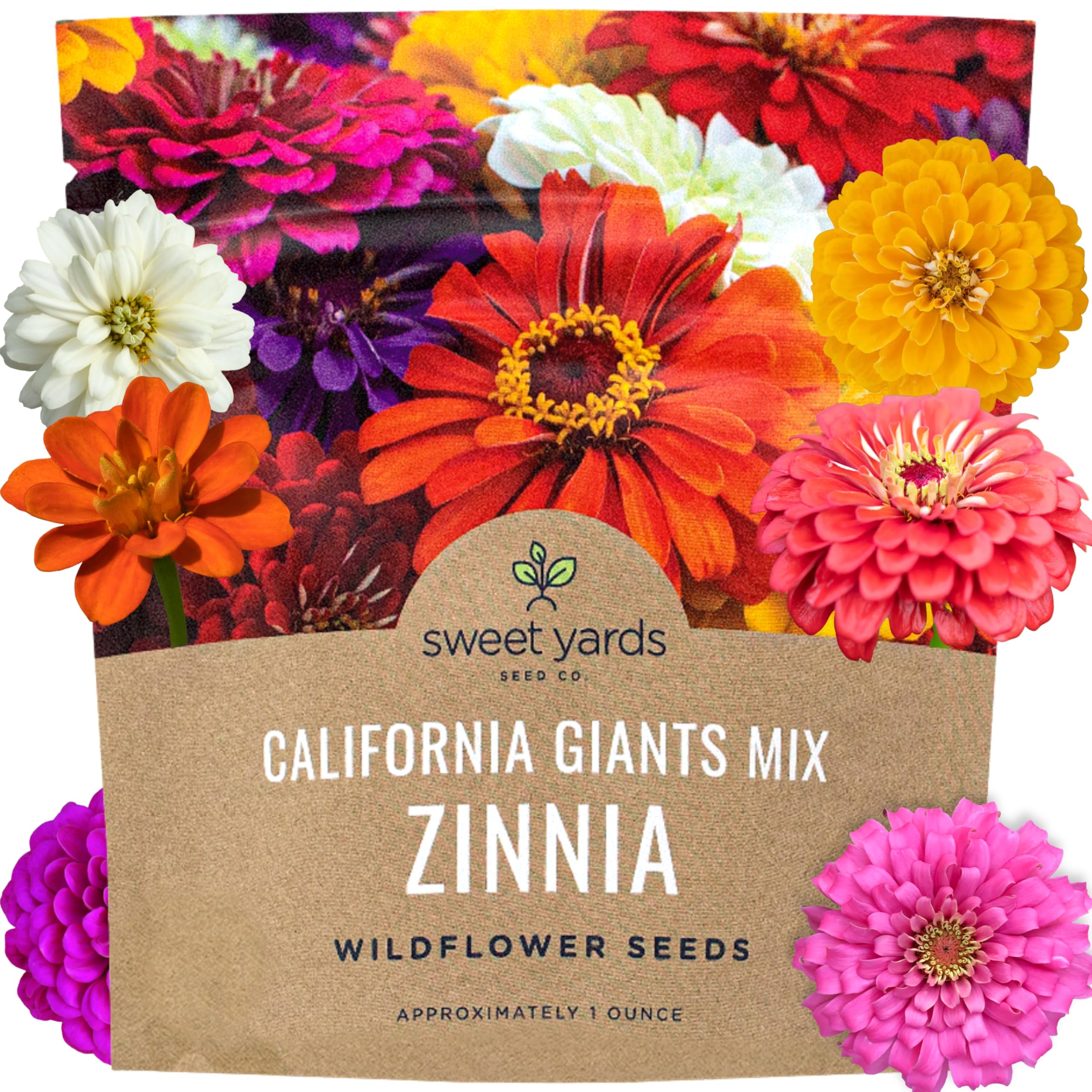
California Giants Zinnia

Cut flower garden

Our Score 9.0/10
Check Price

Worth Noting

  • In cutting gardens where consistent giant blooms are expected, some flowers may measure smaller than 5 inches.
  • For gardens needing tall background plants, the 3-4 foot height may not provide enough vertical presence.
Seed Type
Seed Count
3,000
Bloom & Growth
5-in blooms, 4 ft
Read the full review

Seeds sprout within days, and seedlings grow vigorously into healthy plants. The packet delivers a strong start even for beginners, with consistent germination across a range of soil and weather conditions. Plants quickly develop sturdy stems and large flower heads.

Blooms appear from summer through fall in shades of pink, red, orange, yellow, and white, attracting butterflies and other pollinators. The flowers hold well when cut, making this a reliable choice for bouquets. Some plants may produce smaller blooms than the advertised 5 inches, but the overall display remains abundant and colorful.

This zinnia mix suits cut flower gardeners who value a steady supply of stems, beginners looking for an easy first annual, and anyone wanting to bring more pollinators into the garden without heavy maintenance. If you need consistently giant blooms for exhibition or require tall background plants above 4 feet, look at dedicated tall varieties.

To encourage larger blooms, space seedlings 12-18 inches apart and deadhead spent flowers regularly.

Bottom line: For a season-long supply of colorful cut flowers with minimal fuss, this zinnia mix delivers on germination and bloom quality better than most alternatives.

2

NatureZ Edge Zinnia

NatureZ Edge Zinnia

Zinnia lovers

Our Score 9.0/10
Check Price

Worth Noting

  • Plants reach 3-4 ft tall, which may be too large for small gardens or containers
  • Some seeds can fail to germinate or produce stunted plants
Seed Type
Non-GMO
Seed Count
4,000+
Bloom & Growth
40 in
Read the full review

The NatureZ Edge Zinnia delivers over 4,000 seeds in a resealable foil pack, with germination and bloom quality that match the leading Sweet Yards Zinnia. The plants produce a vivid mix of large flowers that draw in pollinators all season long.

This pack suits gardeners who want a large seed quantity and appreciate being able to reseal the pouch for next year. While the top pick has more user feedback, performance is nearly identical. Note that a small number of seeds may not sprout, and the 3-4 ft height needs space — it’s less suited for small containers or tight borders.

Sow a few extra seeds per spot to account for occasional failures — most will grow into healthy plants.

Bottom line: A strong alternative to the top pick with resealable storage and matching performance — ideal for gardeners who prioritize seed quantity and packaging convenience.

3

Mammoth Sunflower

Mammoth Sunflower

Beginner, bird lovers

Our Score 8.8/10
Check Price

Worth Noting

  • Germination can be spotty; some seeds may fail to sprout.
  • Plant height and flower head size may fall short of mammoth expectations.
Seed Type
Non-GMO Heirloom
Seed Count
70-80
Bloom & Growth
8-12 ft
Read the full review

The Mammoth Sunflower produces tall stalks up to 12 feet with broad golden blooms that become a focal point in any garden and provide a harvest of seeds for winter bird feeding. The planting steps are simple, making this a suitable project for first-time sunflower growers.

This pack fits families and beginners who enjoy watching plants shoot up quickly. However, a portion of seeds may fail to germinate, so buying two packs helps ensure a full patch. For consistent results in a cut-flower garden, the top-rated zinnia mix is a more predictable choice.

Sow seeds 1 inch deep and thin to strongest seedlings after germination for best results.

Bottom line: For a low-cost sunflower project that teaches basic gardening, this pack works well when you plan for extra seeds — buy two and enjoy the survivors.

4

Nasturtium Jewel Mix

Nasturtium Jewel Mix

Containers, edible

Our Score 8.8/10
Check Price

Worth Noting

  • Blooming may be sparse in rich soil; planting in leaner soil encourages more flowers.
  • Seed viability can vary between packs; a portion of seeds may not germinate.
Seed Type
Heirloom
Seed Count
Bloom & Growth
12-18 in
Read the full review

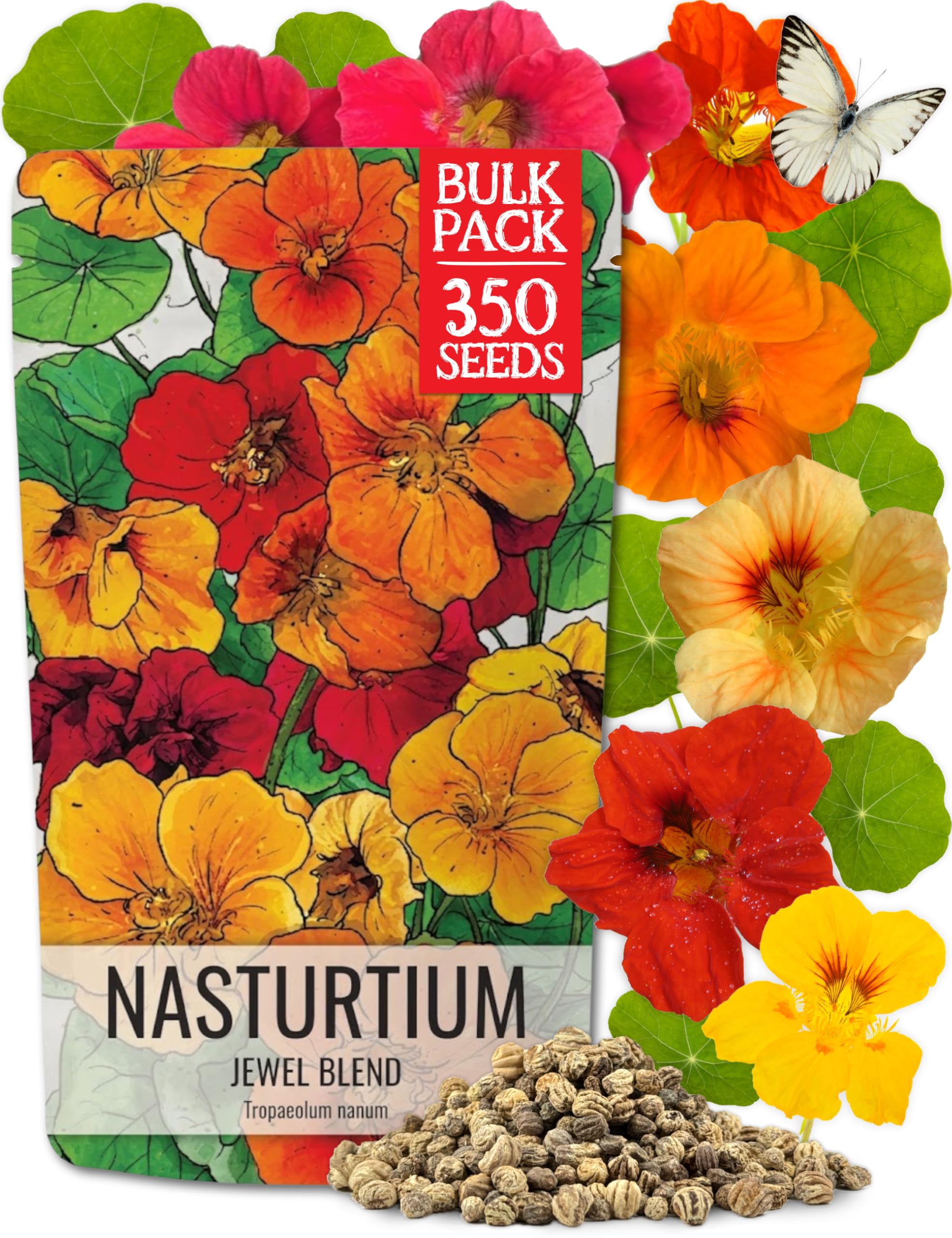
Nasturtiums offer compact, jewel-toned flowers and edible leaves that require minimal care, making them a practical alternative to tall cut-flower zinnias for gardeners with limited space. The seeds sprout quickly, and plants stay manageable at 12-18 inches, fitting neatly into containers or small garden beds.

This mix suits container gardeners and cooks who want edible flowers for salads without fussing over soil quality. However, blooming can be sparse in rich soil; planting in lean, well-drained ground encourages more flowers. For consistent color in a small pot or hanging basket, these nasturtiums deliver reliable foliage and occasional bursts of orange, red, and yellow.

For more flowers, plant in poor soil and avoid over-fertilizing.

Bottom line: A solid value for edible flowers in containers, but expect to plant in lean soil for best blooms.

5

Groundio Zinnia Mix

Groundio Zinnia Mix

Budget cut flowers

Our Score 8.8/10
Check Price

Worth Noting

  • Some plants may not produce flowers after months
  • Occasional seeds may fail to germinate
Seed Type
Seed Count
3,000+
Bloom & Growth
24-30 in
Read the full review

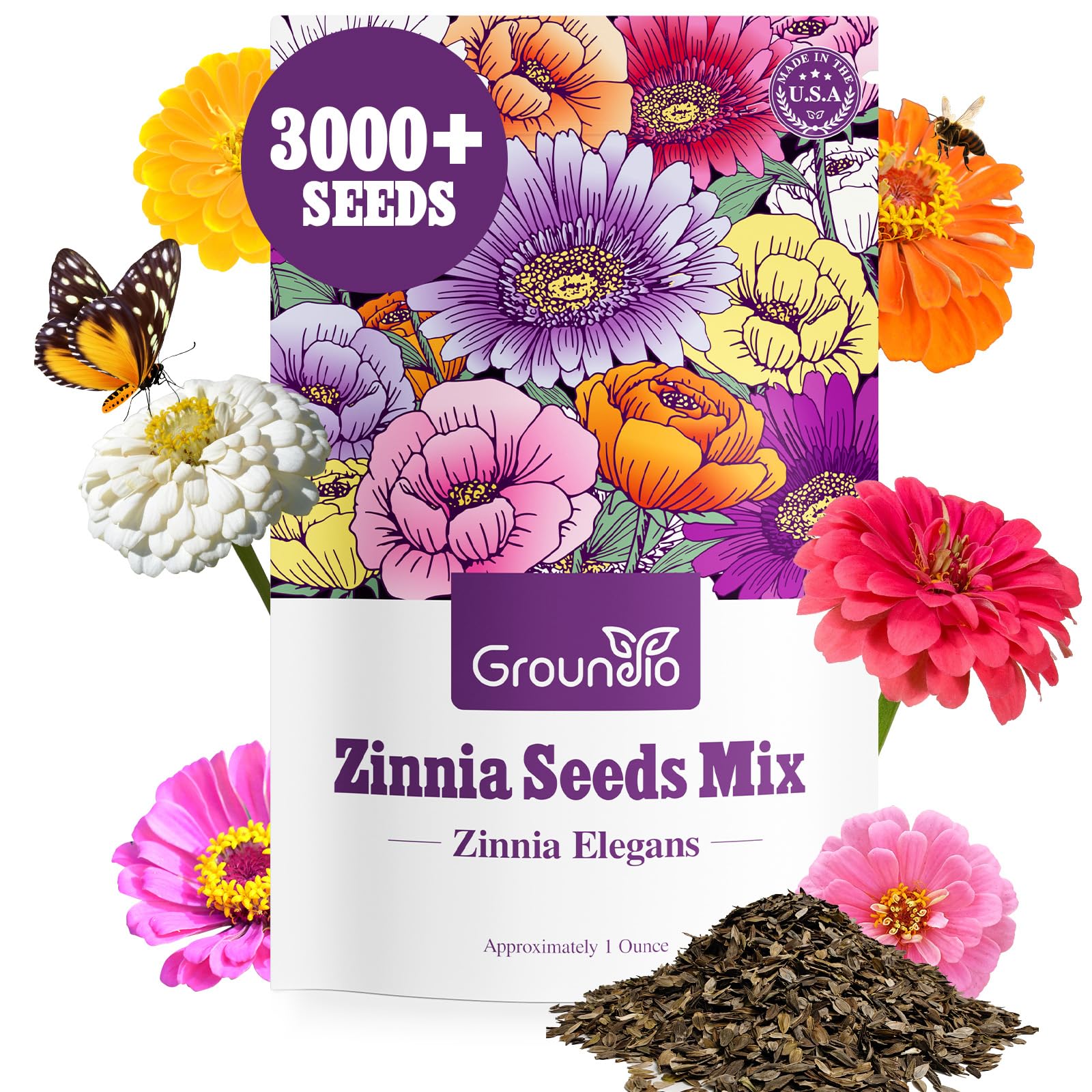
This budget-friendly zinnia mix delivers high germination and vibrant blooms across five varieties, making it a strong contender for large-scale planting. The simple plastic packaging lacks a reseal feature, and while most seeds sprout well, a portion of plants may not flower. Overall, the performance-to-price ratio is impressive for gardeners who need bulk seeds on a tight budget.

Bottom line: Best for budget-conscious gardeners who need a large volume of zinnia seeds for a cut flower patch and can accept occasional variability in flowering and germination.

6

Petite Marigold Mix

Petite Marigold Mix

Children, classic

Our Score 8.8/10
Check Price

Worth Noting

  • Blooming can be sparse; some plants produce few flowers.
  • Plants may not stay compact as advertised; some grow taller than a petite variety should.
Seed Type
Non-GMO, Open Pollinated
Seed Count
200
Bloom & Growth
Petite
Read the full review

These marigold seeds from a classic brand offer quick sprouting and cheerful orange, yellow, and red blooms that appeal to traditional gardeners and children's projects. However, some plants produce fewer flowers than expected, and the petite size claim may not hold — a few grow taller. Plant extra seeds to compensate for sparse bloomers, and you will get a decent display for the low price. This works well if you value quick results and don't mind a bit of unpredictability in flower count.

Bottom line: Best for gardeners who prioritize quick germination and classic marigold colors over a guaranteed dense display.

7

Cosmos Wildflower Mix

Cosmos Wildflower Mix

Easy coverage

Our Score 8.8/10
Check Price

Worth Noting

  • Color mix leans toward orange; reds and pinks are often missing
Seed Type
Seed Count
5,000+
Bloom & Growth
4 ft
Read the full review

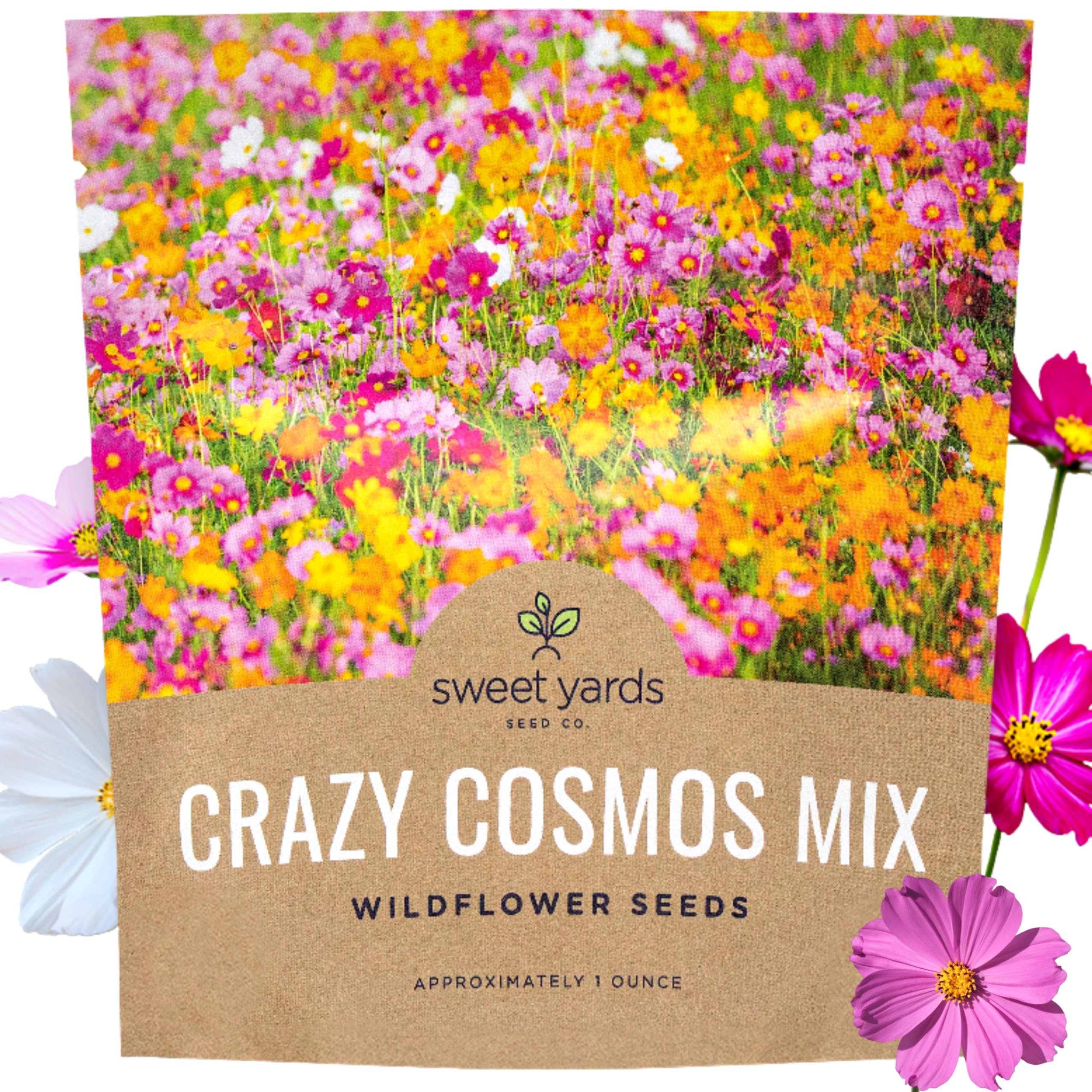
These cosmos seeds germinate quickly and produce a long-lasting display of delicate flowers in shades of orange, pink, and yellow. They are an easy way to cover bare garden areas with minimal effort. However, the color mix leans heavily toward orange, and many buyers find fewer reds and pinks than the package suggests. For those who value fast, reliable coverage over precise color matching, this mix delivers. It is a straightforward option for filling beds or creating a casual wildflower patch, but not the best choice if you need a specific color palette.

Over-sow by about 20% to account for occasional seeds that don't sprout.

Bottom line: This cosmos mix is best for gardeners who want quick, carefree coverage and are happy with a warm-toned display — skip it if you need specific reds or pinks.

8

Butterfly & Hummingbird Mix

Butterfly & Hummingbird Mix

Pollinator support

Our Score 8.6/10
Check Price

Worth Noting

  • Germination can be inconsistent, leaving bare patches
  • First-year blooms may be delayed or sparse compared to expectations
Seed Type
Seed Count
7,500+
Bloom & Growth
4 ft
Read the full review

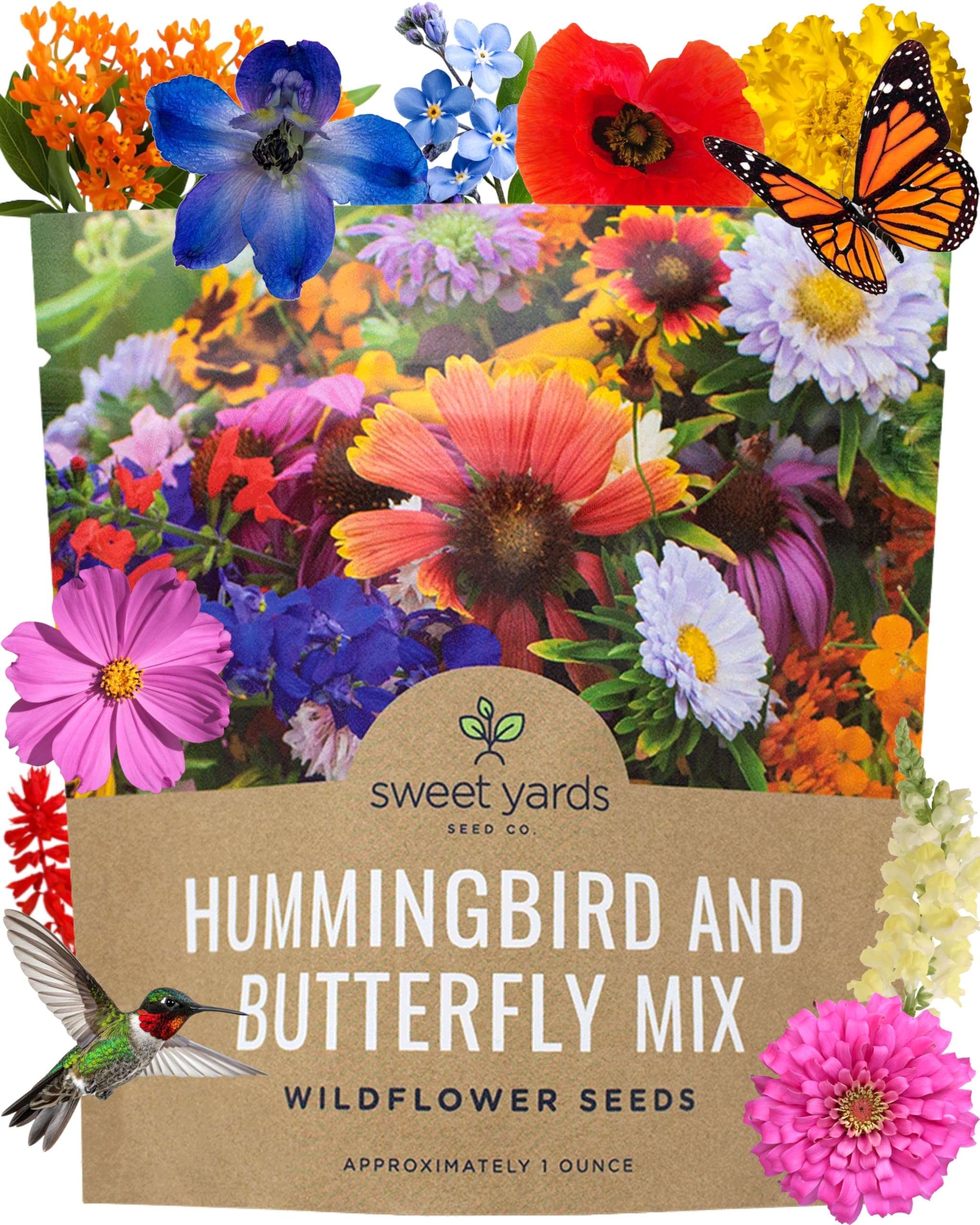
This seed mix packs 23 annual and perennial species specifically selected to attract pollinators. Unlike single-variety packets that guarantee uniform blooms, this mix trades precision for biodiversity — expect a naturalistic, ever-changing display. Germination can be patchy, and first-year blooms may be sparse; the mix rewards patience and generous sowing.

Best suited for gardeners who prioritize wildlife support over a manicured flower bed. The mix requires at least 100 square feet and full sun to perform. This works well for large, natural areas where a dense carpet of flowers is not the goal. Gardeners with small spaces may find it underwhelming as the seeds need room to spread. Patience is key: many customers see the best results from the second year onward as perennials establish. If you need reliable, showy flowers in the first season, a more controlled option like a zinnia variety may be a better fit.

Over-sowing the recommended rate can help compensate for spotty germination.

Bottom line: For the patient gardener looking to create a pollinator-friendly meadow, this mix offers good value — but it is not a shortcut to instant color.

9

Chocolate Cherry Sunflower

Chocolate Cherry Sunflower

Unique color

Our Score 8.6/10
Check Price

Worth Noting

  • Plant height may not reach the advertised 6-7 ft in all conditions
  • Germination can be inconsistent, requiring extra seeds to ensure a few survivors
Seed Type
Non-GMO Heirloom
Seed Count
Bloom & Growth
6-7 ft, 5-8 in blooms
Read the full review

This sunflower delivers on its most striking promise: deep maroon-black flowers that look almost unreal in full sun. For those who can look past the germination lottery, the payoff is a unique centerpiece reaching 6-7 ft. Inconsistent sprouting means planting extra seeds is necessary to get a few survivors. It fits sunflower collectors willing to hedge their bets, less so for anyone needing a guaranteed lineup for a specific date.

Bottom line: Best for gardeners who want a dramatic, rare color and are comfortable overplanting to compensate for low germination.

10

NatureZ Edge Wildflower

NatureZ Edge Wildflower

Large areas

Our Score 8.4/10
Check Price

Worth Noting

  • In the first season, blooms may be sparse with mostly foliage
  • Germination can be inconsistent; over-sowing is advisable for acceptable coverage
Seed Type
Seed Count
340,000
Bloom & Growth
Read the full review

This seed mix offers 35 annual and perennial species, with good overall seed quality that produces a lovely display when conditions align. However, germination can be inconsistent and first-season blooms may be sparse, making this more suitable for low-expectation areas like large meadows or test plots where a naturalized look over multiple seasons is the goal. The premium price per pound reflects the seed count, but value depends on successful establishment.

Bottom line: This mix works well for large meadow projects covering over 1,000 sq ft where a naturalized look and multiple seasons of establishment are acceptable — smaller gardens or impatient gardeners should look elsewhere.

How to Choose

Seed Count and Coverage Area

More seeds isn't always better. A high seed count often comes from tiny seeds or filler materials, not viable plants. A packet of 90,000 wildflower seeds may cover a large area, but if only 30% germinate, you'll get thin patches.

Match seed count to your space: a standard 3,000-seed zinnia pack covers about 80-100 square feet when properly spaced. For containers or small beds, a 200-seed marigold packet is plenty. Overbuying leads to waste and frustration.

Germination Rate Consistency

A seed's germination rate depends on age, storage conditions, and variety. Fresh, properly stored seeds from reputable brands typically achieve 80-90% germination. Old seeds or improperly dried seeds can drop to 30% or less.

To test viability, place 10 seeds on a damp paper towel in a plastic bag. Check after 7 days. If fewer than 7 sprout, expect poor results in the garden and consider planting double the recommended amount.

Bloom Size, Color Variety, and Growth Habit

Photos on seed packets are often shot from perfect angles under ideal light. Real blooms may be smaller or show a different color mix. For example, 'California Giants' zinnias average 5 inches, but some plants produce 3-inch flowers in the same packet.

Growth habit matters: tall sunflowers need staking in windy gardens, while compact nasturtiums spill over containers. Always check the mature height and spread — a 4-foot cosmos will shade shorter plants if placed too close.

Heirloom / Non-GMO / Open-Pollinated Status

Heirloom and open-pollinated seeds produce plants that breed true, meaning you can save seeds for next year. Non-GMO guarantees no genetic modification but doesn't guarantee open-pollination — some hybrid non-GMO seeds won't produce identical offspring.

For seed saving, look for 'open-pollinated' or 'heirloom' explicitly. If you just want a single season of flowers, any non-GMO pack works fine. Hybrids often offer better disease resistance or bloom uniformity but require buying new seeds each year.

Ease of Growth and Maintenance Requirements

Some flowers like nasturtiums and cosmos thrive on neglect, requiring poor soil and no fertilizer. Others like marigolds need regular deadheading to keep blooming. Zinnias fall in between — they need consistent watering but produce flowers with minimal deadheading.

Choose based on your gardening style: if you want to scatter and ignore, pick wildflower mixes (though they may take two seasons to establish). If you enjoy tending a cutting garden, zinnias and sunflowers reward effort with continuous blooms.

Frequently Asked Questions