Garden Tools

7 Best Garden Spade of 2026: Durable Picks That Stay Sharp

Which garden spade cuts through tough soil without bending or breaking? This guide finds durable picks for digging, edging, and transplanting.

A garden spade should cut through soil, not snap in half. But many spades marketed as 'heavy-duty' disappoint when faced with rocky clay or thick roots. The difference often comes down to handle material and blade steel — details that aren't obvious on the shelf.

This guide focuses on spades that balance sharpness, weight, and durability for typical garden tasks. Whether you need a lightweight tool for transplanting or a heavier blade for prying out stones, the right pick depends on matching the specs to your soil type and digging habits.

1

Spear Head SHFD3

Top Pick
Spear Head SHFD3

Tough soil digging

Our Score 9.8/10
Check Price

Worth Noting

  • 40-inch handle feels short for users over six feet, requiring more bending
Weight
3.6 lbs
Handle Length
40 in
Blade Material
Carbon Manganese Steel
Handle Material
Fiberglass
Read the full review

The SHFD3's carbon steel blade comes sharp and stays that way, slicing through compacted clay and rocky soil where other spades bounce off. The fiberglass handle keeps overall weight low at 3.6 pounds, so extended digging sessions don't wear out the arms. Combined, the blade's beveled edge and the handle's steel reinforcement create a tool that goes in straight and pries roots without bending.

In tough soil, the blade self-sharpens with use, maintaining its edge after dozens of digs. The handle's cushion D-grip provides a secure hold even with muddy gloves, and the 40-inch length balances leverage against control. For gardeners under six feet, the reach is natural; taller users will notice the handle sits lower than a full-length shovel, requiring a bit more bend.

This spade fits anyone who regularly digs in heavy clay, rocky beds, or compacted garden soil for transplanting and edging. The narrow 9x11 blade moves targeted amounts of dirt without scooping large loads. Taller gardeners (over six feet) should test the handle length before buying — it works for short bursts but may feel short for extended use. For moving bulk soil, look for a wider blade.

Bottom line: A sharp, lightweight spade that handles tough soil without bending — best for gardeners under six feet who want a precise digging tool for clay and roots.

2

HANTOP Sharp Blade Spade

HANTOP Sharp Blade Spade

Edging and sod

Our Score 9.6/10
Check Price

Worth Noting

  • Not designed for heavy prying in rocky soil; blade may bend under extreme force.
  • 43-inch handle can feel short for gardeners over 6 feet.
Weight
4.5 lbs
Handle Length
43 in
Blade Material
1050MN Steel
Handle Material
Fiberglass
Read the full review

The HANTOP spade's sawtooth edge slices through turf and small roots with minimal effort, making it a standout tool for edging and sod removal. The 1050MN steel blade arrives sharp and ready to work, and the wide footplate gives good leverage for pushing into compacted soil.

This spade is best for gardeners who want a sharp, affordable tool for routine bed maintenance, edging, and cutting through sod. It handles small roots well, but prying heavy rocks or digging in dense, rocky soil is outside its wheelhouse. The fiberglass handle keeps weight low (4.5 lbs) and provides a solid grip, though taller users may find the 43-inch handle a bit short.

Bottom line: If edging and sod cutting are your main garden tasks, this sharp spade delivers solid performance without stretching your budget.

3

Fiskars Pro Digging Shovel

Fiskars Pro Digging Shovel

Heavy clay digging

Our Score 9.4/10
Check Price

Worth Noting

  • When used as a pry bar on large rocks or root balls, the blade may bend
  • At 5.6 lbs, the weight can become tiring during extended digging sessions
Weight
5.6 lbs
Handle Length
44 in
Blade Material
Alloy Steel
Handle Material
Aluminum
Read the full review

The Fiskars Pro Digging Shovel combines a heavy-gauge steel blade with an ergonomic aluminum D-handle to deliver the leverage needed for breaking up dense clay and cutting through roots. Unlike lighter spades that may flex under pressure, this one holds firm during straightforward digging. However, at 5.6 lbs it is noticeably heavier than alternatives like the slimmer all-steel spade in this set, and the blade can bend if used as a pry bar on large rocks.

This spade suits gardeners who regularly work in heavy clay or rocky soil and want a tool that won't fold during tough digging. The weight tradeoff is manageable for shorter sessions or when the task demands raw power. If your main concern is maneuverability for hours of transplanting, the lighter option in this lineup may be a better fit.

Use a pry bar for heavy rocks – this spade works best for cutting and lifting soil.

Bottom line: A capable spade for tough soil, but its weight and bending limit under prying mean it is best for direct digging rather than multi-tool prying.

4

Spear & Jackson 1047MY

Spear & Jackson 1047MY

Transplanting tight

Our Score 9.4/10
Check Price

Worth Noting

  • For moving large amounts of soil, the narrow blade requires more lifts per wheelbarrow load.
  • The specialized shape limits its use to specific tasks
Weight
4.76 lbs
Handle Length
38.78 in
Blade Material
Carbon Steel
Handle Material
Carbon Steel
Read the full review

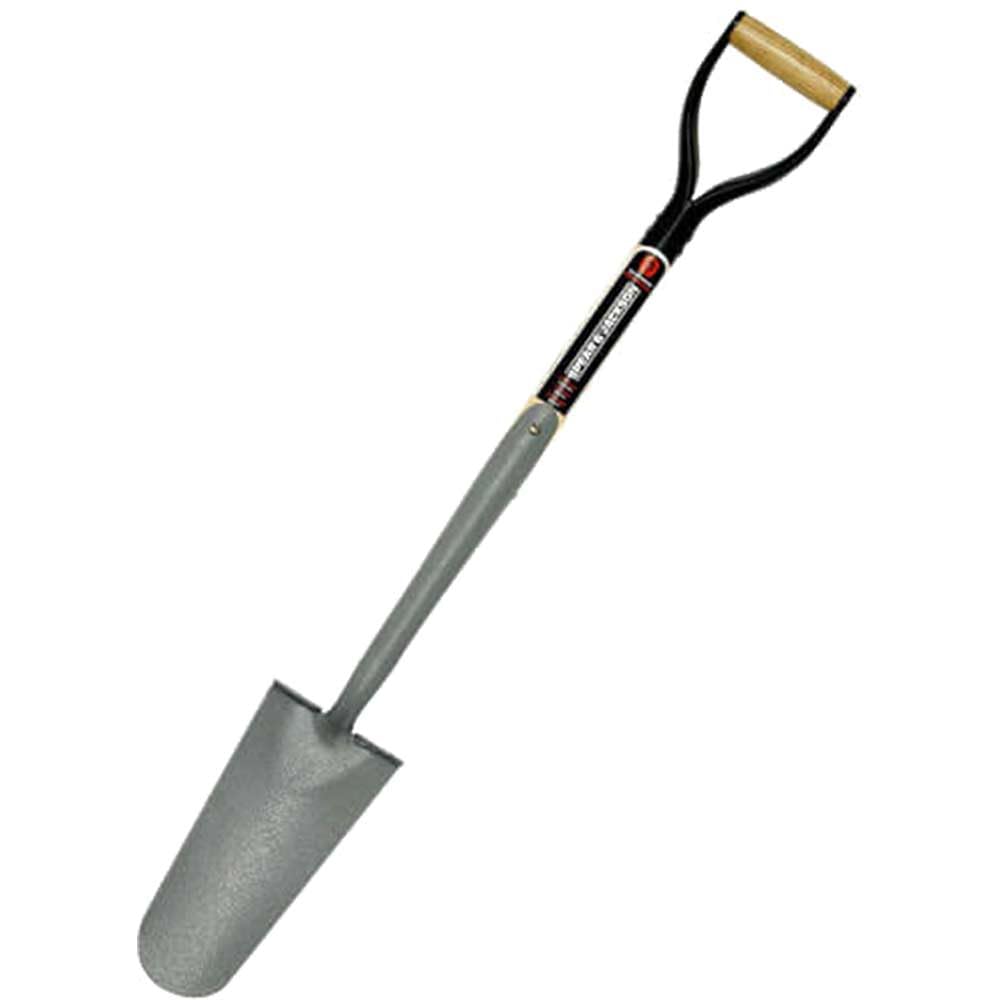
The solid forged carbon steel socket and blade deliver the leverage needed to pry stones and roots in tight garden beds. Unlike border spades designed for light soil, this Spear & Jackson model uses a narrower blade to target specific roots without disturbing surrounding plants.

This spade suits gardeners who regularly transplant perennials, divide clumps, or dig in rocky clay where a wide blade would struggle. The narrow shape means it moves less soil per scoop — not the tool for spreading mulch or planting rows of vegetables.

Bottom line: For precision transplanting and root removal in rocky soil, this spade delivers good value — choose a wider blade if you need a single tool for all digging tasks.

5

Fiskars 46in Steel Spade

Fiskars 46in Steel Spade

General digging

Our Score 9.4/10
Check Price

Worth Noting

  • Blade can bend under lateral pressure when prying heavy roots or rocks
  • Plastic handle grip may degrade with sun exposure over time
Weight
Handle Length
46 in
Blade Material
Alloy Steel
Handle Material
Alloy Steel
Read the full review

This spade delivers a lightweight all-steel build that moves soil efficiently and cuts through roots without flexing. The 46-inch handle offers good leverage for everyday transplanting and edging in soft ground. However, the blade can bend under lateral pressure when prying heavy roots or rocks, and the plastic grip may fade over time. It suits regular garden work in loose soil but is not a heavy-duty digging tool for rocky or clay-packed beds.

Bottom line: A lightweight spade for routine digging in soft soil — avoid prying heavy roots or rocks.

6

Spear & Jackson 1184NB

Spear & Jackson 1184NB

Border gardening

Our Score 9.0/10
Check Price

Worth Noting

  • Without extensive user experience, the blade's long-term resistance to bending in rocky conditions is unproven.
Weight
3.75 lbs
Handle Length
36.81 in
Blade Material
Carbon Steel
Handle Material
Hardwood
Read the full review

Spear and Jackson's Neverbend carbon steel border spade is built for tight garden beds with a hardwood shaft and soft-grip handle. It suits buyers who already trust the brand for light border digging and edging. The catch is that detailed user feedback is scarce, so how well the blade resists bending under prying stress remains unconfirmed — a factor to weigh if your soil contains rocks or roots.

Bottom line: If you already trust Spear and Jackson's build quality and need a compact border spade for light garden bed work, this is a reasonable purchase — but for heavy digging or validated durability, look to more documented options.

7

Spear & Jackson Border Spade

Spear & Jackson Border Spade

Border flower beds

Our Score 8.8/10
Check Price

Worth Noting

  • The hardwood handle can separate or snap when used for heavy prying or deep digging.
  • The rounded foot tread lacks a flat pad, making sustained pressure less comfortable during deep digging.
Weight
3.34 lbs
Handle Length
37.8 in
Blade Material
Stainless Steel
Handle Material
Hardwood
Read the full review

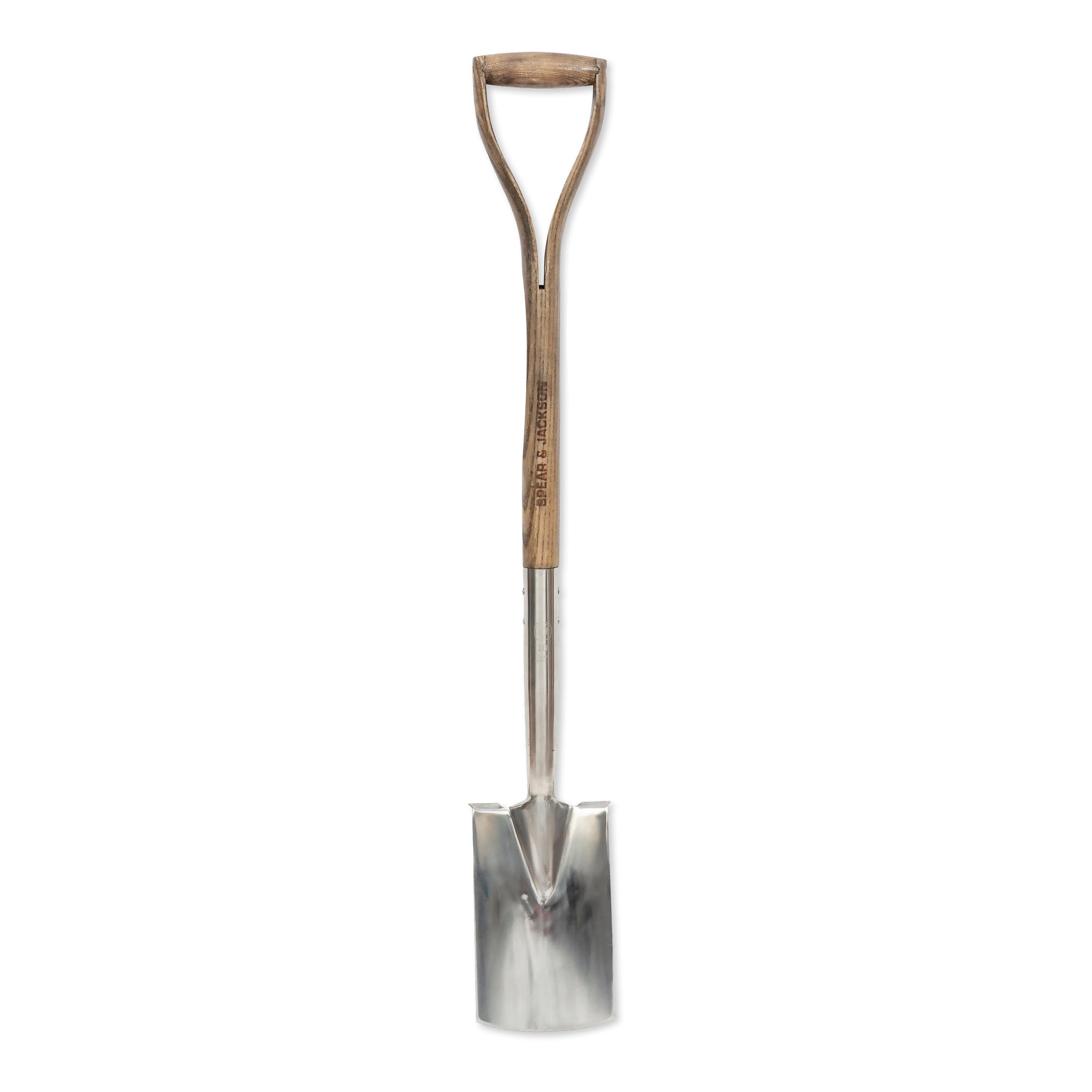
The Spear & Jackson Border Spade's mirror-polished stainless steel head resists rust and sheds soil with a quick wipe, making it a natural fit for flower beds and tight borders. Its compact size and traditional hardwood shaft with wishbone handle appeal to gardeners who value craftsmanship over raw durability. Unlike the top pick's self-sharpening carbon steel and fiberglass build, this spade is optimized for surface-level bed work, not prying rocks or breaking clay.

This spade suits gardeners who work in soft, loose soil and want a tool that stays clean and looks good on the shelf. The hardwood handle can separate or snap under heavy leverage, and the foot tread lacks a flat pad for comfortable pressure - tradeoffs that disappear when digging is limited to borders and beds. If your garden work involves tough roots or compacted dirt, a heavier-duty spade like the self-sharpening option is a better match.

Stick to loose soil and avoid using the handle for extra leverage to prolong its life.

Bottom line: For light soil and border work, it's a handsome, low-maintenance spade - for tough digging, look to a reinforced handle or fiberglass option.

How to Choose

Blade Material

Carbon steel blades hold a sharper edge and are easier to sharpen, but they can rust if not dried after use. Stainless steel resists rust and sheds soil, but is harder to sharpen and may be more brittle. For most gardeners, carbon steel offers the best balance of edge retention and field-sharpening practicality.

If you dig in wet, acidic soil or leave tools outside, stainless steel saves maintenance time. But for cutting through roots and rocks, a carbon steel blade with a heat-treated edge (like the Spear Head's) provides superior toughness.

Handle Material

Fiberglass handles are lighter, weather-resistant, and dampen vibration, but can crack under extreme prying force. Hardwood handles (ash, hickory) offer natural shock absorption and can be replaced, but they rot or splinter when left wet. All-steel handles are the strongest for prying, but add weight and transmit vibration.

The real trade-off: fiberglass suits most garden digging, wood fits traditionalists willing to maintain it, and steel is for heavy-duty root removal where leverage matters more than comfort.

Weight

A spade between 3 and 4 pounds is comfortable for long sessions and still has enough mass to sink into soil. Heavier spades (over 5 pounds) can tire your arms quickly but provide momentum for prying rocks. Lightweight spades under 3 pounds are easy to maneuver but may lack the heft to penetrate hard-packed clay.

Match weight to your typical task: daily bed prep calls for lighter tools; once-a-year sod removal or deep hole digging benefits from extra weight.

Blade Width

Narrow blades (under 6 inches) slip between plants and slice through root balls without disturbing neighbors. Wide blades (8+ inches) move more soil per shovelful but struggle in tight beds. A standard 7-8 inch width works for most general digging, but specialized transplanting spades at 5.5 inches excel in borders.

The hidden cost: narrow blades require more strokes to dig a hole, while wide blades can damage adjacent plants. Choose based on whether you value precision or speed.

Handle Length

Longer handles (44-46 inches) provide more leverage and reduce back strain for tall users, but can feel unbalanced in tight spaces. Shorter handles (36-40 inches) offer better control for close-in work like transplanting, but force shorter users to bend less. A 40-inch handle suits most average-height gardeners.

Test by standing the spade next to your leg: the handle should reach your waist. If it's longer, you'll have to choke up; if shorter, you'll stoop.

Frequently Asked Questions