Poultry & Livestock

10 Best Livestock Wound Spray of 2026: Non-Stinging Options That Work

Find the right livestock wound spray for horses, cattle, or farm animals without stinging, staining, or clogging issues.

A wound spray that stings on application can turn a calm animal into an anxious one. That frustrates both you and the animal, and makes repeat treatment harder. The good news: many modern wound sprays avoid that problem entirely, using pH-balanced or natural ingredients that don't irritate sensitive tissue.

The real trade-off isn't stinging versus not stinging — it's choosing between a simple all-purpose spray and a product that requires an extra step but offers specialized protection like proud flesh prevention. Some sprays need a second ingredient to work best, others rely on a gel that stays put on vertical wounds, and aerosol bandages create a waterproof seal but occasionally suffer from nozzle reliability.

This guide focuses on the practical differences that matter after purchase: which ones actually stay on the wound, which ones don't clog halfway through the bottle, and which ones are safe for eyes and ears. You'll find options for every farm size and budget.

1

Vetericyn Wound Spray

Top Pick
Vetericyn Wound Spray

All-purpose wound spray

Our Score 9.6/10
Check Price

Worth Noting

Delivery Type
Spray
Target Species
Horses, others
Active Ingredient
Hypochlorous acid
Read the full review

Vetericyn Plus Horse Wound Care Spray uses a pH-balanced hypochlorous acid formula that won't sting when applied to open wounds, including around the eyes and mouth. Owners report noticeably faster wound closure and reduced infection risk across a wide range of cuts, abrasions, and post-surgical sites, making it the go-to choice for daily wound management on horses and other livestock.

The trigger spray delivers a fine, even mist without the sticky residue that attracts dirt in dusty pens. It works on cattle, sheep, goats, and pigs as well as horses — no need to stock separate products for different species. The formula is non-toxic and pH-balanced, so accidental licking or contact with sensitive tissue doesn't cause distress.

This spray suits anyone managing multiple livestock species who wants one product that handles routine wounds safely and effectively. The premium price reflects consistent results rather than novelty — for buyers who can absorb the cost, it eliminates the guesswork of rotating between sting-prone solutions or sticky natural alternatives.

Bottom line: If you need a single wound spray that works across horses, cattle, sheep, and goats without stinging or staining, this is the most straightforward option available.

2

Underwood Wound Spray

Underwood Wound Spray

Proud flesh prevention

Our Score 9.6/10
Check Price

Worth Noting

  • Requires a separate baking powder application for best results, adding an extra step to wound care
  • Baking powder is not included in the package, so you need to supply your own
Delivery Type
Spray
Target Species
Horses, dogs, farm
Active Ingredient
Not disclosed
Read the full review

Underwood's wound spray delivers exceptional control over proud flesh, a common complication in equine wounds. The two-step process — spray then apply baking powder — minimizes scarring in ways that simpler hypochlorous options like the top pick don't match. Animals stay calm during application thanks to the non-stinging formula, and the cost savings from reduced vet visits add up quickly.

This spray is best for owners of horses prone to proud flesh who are willing to follow the extra baking powder step. It also works on dogs and farm animals, but the requirement for a second product means it's not a grab-and-go solution. If you need a single-step wound care product, the top pick is a better fit.

Apply the spray, then sprinkle baking powder over the wound while still wet for best effect.

Bottom line: For owners willing to add baking powder to their wound care routine, this spray delivers superior proud flesh prevention — but skip it if you want a single-step product.

3

AluShield Aerosol

AluShield Aerosol

Waterproof barrier

Our Score 9.6/10
Check Price

Worth Noting

  • Overspray can make it hard to treat small cuts or punctures precisely.
  • Aerosol nozzle may malfunction, spraying in the wrong direction or clogging mid-use.
Delivery Type
Aerosol
Target Species
Small/large animals
Active Ingredient
Aluminum barrier
Read the full review

Forms a protective, breathable barrier that stays on wounds for days, keeping out moisture, flies, and debris. The aerosol spray reaches hard-to-bandage areas like legs and shoulders without the need for wrapping.

Best suited for owners of active horses or livestock that tend to rub off traditional bandages. The nozzle can be hit-or-miss — some units may spray sideways or clog, and overspray makes precise application on small wounds tricky.

If the nozzle clogs, try clearing it with a pin before use.

Bottom line: A strong option for long-lasting wound protection in wet or dusty conditions if you can work around occasional nozzle quirks.

4

Silver Honey Spray Gel

Silver Honey Spray Gel

Natural formula

Our Score 9.4/10
Check Price

Worth Noting

  • Spray may leave sticky or crumbly residue on some wounds
Delivery Type
Spray gel
Target Species
Horses, large animals
Active Ingredient
Manuka honey, MicroSilver
Read the full review

While the hypochlorous top pick offers a non-staining finish, the Silver Honey Spray Gel takes a natural approach with Manuka honey and MicroSilver BG to accelerate wound healing. Many owners see results within 24 hours, and application is pain-free even on open wounds. The formula is veterinary-developed and priced reasonably for its 8 oz bottle.

This spray is best for livestock owners who prioritize natural ingredients and rapid healing over an invisible finish. The gel can leave a sticky or crumbly residue on some wounds, which may attract dirt in dusty barns or pastures. If you are comfortable wiping the area after application or using it in cleaner environments, the trade-off is manageable.

Wipe the wound area lightly after spraying to reduce sticky residue, especially before turning out in dusty conditions.

Bottom line: A practical natural alternative for owners who value rapid healing and can manage residue by wiping wounds after application.

5

Vetericyn Hydrogel Spray

Vetericyn Hydrogel Spray

Gel for vertical wounds

Our Score 9.4/10
Check Price

Worth Noting

  • Sprayer may clog after several uses, requiring cleaning or replacement
Delivery Type
Spray gel
Target Species
All animals
Active Ingredient
Hypochlorous acid gel
Read the full review

The gel formula clings to legs and shoulders where liquid sprays run off, making it a practical choice for wounds on moving livestock or vertical body surfaces. This hydrogel stays put longer than standard sprays, reducing the need for frequent reapplication. It shares the same hypochlorous acid base as the top pick but in a thicker consistency that won't pool or drip.

Owners of multiple species — horses, cattle, sheep, goats — can use this single product without worrying about stinging or irritation. The gel is well-tolerated even on sensitive areas. The main tradeoff is the trigger sprayer: it can clog after a few uses if not cleaned. Flushing the nozzle with warm water after each use keeps the spray working smoothly.

Rinse the sprayer nozzle with warm water after each use to prevent clogging.

Bottom line: If gel adherence on vertical wounds is critical, this formula is the right choice — just plan for occasional nozzle maintenance.

6

Incredi-Pol Wound Spray

Incredi-Pol Wound Spray

Budget minor wounds

Our Score 9.4/10
Check Price

Worth Noting

  • Small 3 oz bottle empties fast when treating large animals or multiple wounds.
  • Not economical for heavy or frequent use across a herd.
Delivery Type
Spray
Target Species
Small animals, horses
Active Ingredient
Not disclosed
Read the full review

At under $15, this 3-ounce spray delivers fast healing on everyday scrapes and hot spots for dogs, cats, horses, and small animals. The non-staining, non-stinging formula goes on as a fine mist and shows noticeable improvement within days. Owners of a few animals or small hobby farms get reliable wound care without the price tag of larger veterinary bottles.

The 3-ounce bottle runs out quickly when treating larger livestock or multiple wounds, so this spray suits buyers with one or two animals and occasional minor injuries. For someone managing a herd or dealing with extensive wounds, the small volume means refilling often — better to step up to a larger option for those scenarios.

Bottom line: A practical pick for someone with a couple of horses or a small dog pen who wants a quick, no-fuss spray for minor injuries without overspending.

7

Scarlex Scarlet Oil

Scarlex Scarlet Oil

Budget for herds

Our Score 9.4/10
Check Price

Worth Noting

  • Red oil stains fur and tack, not ideal for show animals
  • Slow drying nature can be a factor when multiple animals need treatment in quick succession
Delivery Type
Aerosol
Target Species
Horses, ponies
Active Ingredient
Scarlet oil, chloroxylenol
Read the full review

Under $10, this aerosol delivers scarlet oil and chloroxylenol for routine scrapes and dermatitis on horses, chickens, and other farm animals. However, the red oil stains fur and equipment, and the formula dries slowly, making it less suited for show animals or owners who need a non-staining, quick-drying alternative.

Bottom line: This budget spray fits owners managing large herds of livestock with routine minor wounds who prioritize cost per application and don't mind the staining.

8

Curicyn Wound Spray

Curicyn Wound Spray

Natural gentle care

Our Score 9.4/10
Check Price

Worth Noting

  • Ingredient list is not disclosed, so you cannot verify efficacy against medical standards.
Delivery Type
Spray
Target Species
Dogs, cats, livestock
Active Ingredient
All-natural
Read the full review

Curicyn Wound Spray uses an all-natural formula that shows visible improvement in superficial cuts and scrapes within a day, making it a good fit for small farms that want to avoid chemical antiseptics. The spray is gentle enough for sensitive animals and works on dogs, cats, and livestock. However, the active ingredients are not disclosed, which makes it difficult to compare its efficacy against medical-grade options like hypochlorous or iodine. This product is best reserved for routine minor wounds, not deep or infected injuries where a proven antiseptic is necessary.

Bottom line: Best for farms that prioritize natural ingredients and treat only superficial wounds, not for injuries requiring a known antiseptic.

9

Alu-Mend Spray Bandage

Alu-Mend Spray Bandage

Budget aerosol bandage

Our Score 9.4/10
Check Price

Worth Noting

  • Long-term performance consistency is less documented compared to the more widely used alternative.
Delivery Type
Aerosol
Target Species
Small/large animals
Active Ingredient
Aluminum-based
Read the full review

Aspen Alu-Mend creates a durable, breathable protective layer that keeps wounds clean and deters flies, matching the core function of the premium AluShield at a lower price. Its aerosol application covers awkward spots on horses, cattle, and other livestock without needing to wrap. However, the shorter time on the market means less accumulated feedback on how it holds up over many uses, so owners who rely on the same product year after year may find the extra documentation of the established brand worth the added cost.

Bottom line: A sensible choice for livestock owners who want aluminum barrier protection without paying the premium, as long as you are comfortable with a product that hasn't been vetted by as many users as the market leader.

10

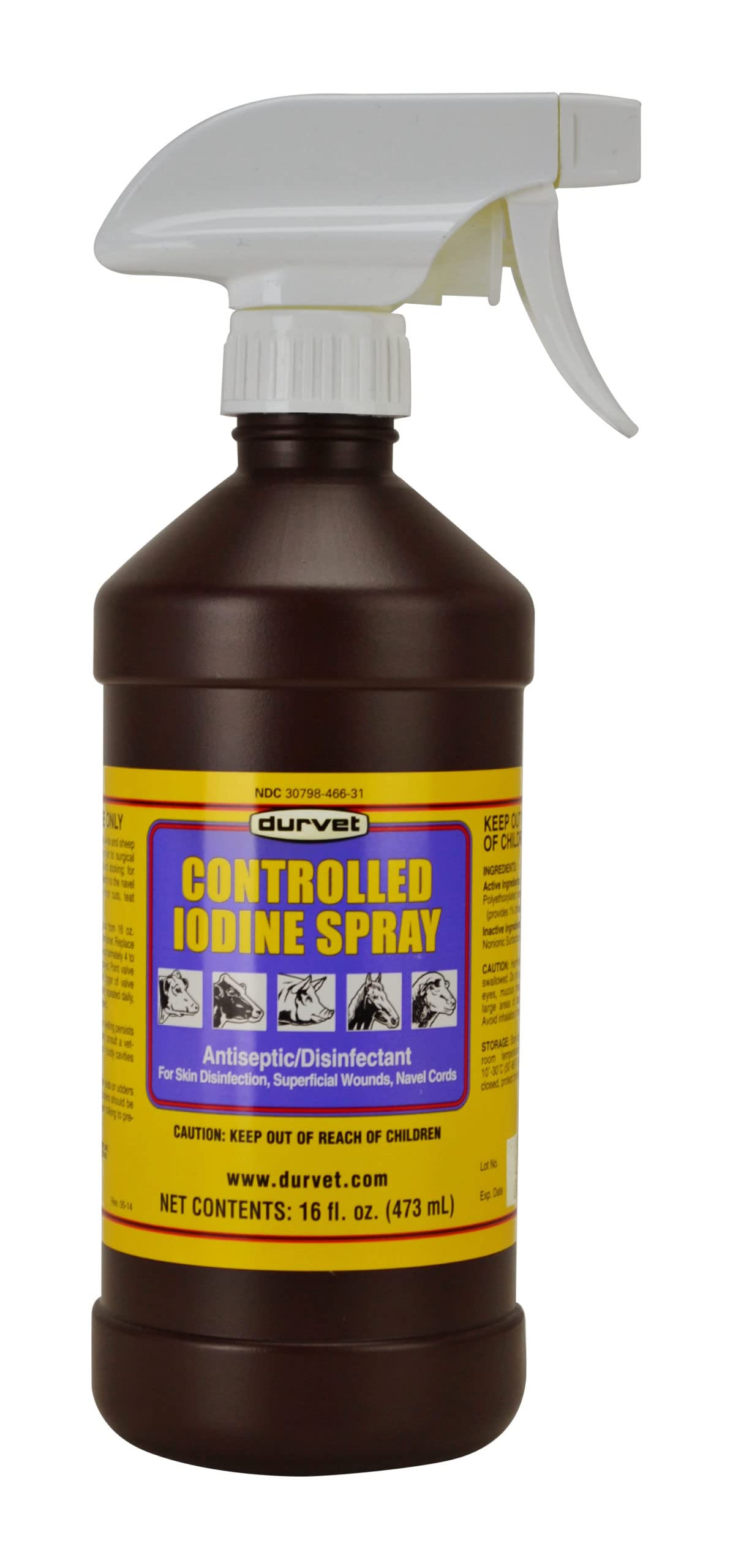
Durvet Iodine Spray

Durvet Iodine Spray

Bulk iodine antiseptic

Our Score 9.2/10
Check Price

Worth Noting

  • May arrive without a spray nozzle, requiring a separate applicator.
Delivery Type
Trigger spray
Target Species
Horses, cattle, swine, sheep
Active Ingredient
Iodine
Read the full review

The Durvet Controlled Iodine Spray delivers effective antiseptic action for wound care and pre-surgical prep across horses, cattle, swine, and sheep. At a budget price for a full pint, it suits high-volume use in large livestock operations. However, this is not a ready-to-use spray — the bottle can arrive without a working nozzle, so buying a separate sprayer is advisable. Good value for buyers who have applicators ready.

Bottom line: This iodine solution works well for large operations that already have spray bottles on hand and need bulk antiseptic at low cost.

How to Choose

Active Ingredient

Hypochlorous acid (used by Vetericyn) is pH-balanced and non-stinging, making it safe for eyes, ears, and open wounds. It works well on most cuts and scrapes but can be pricey per ounce.

Honey and silver combinations (Absorbine Silver Honey, Curicyn) offer natural antimicrobial action with gentle application. They may leave a sticky residue that attracts dust in dry paddocks. Iodine sprays are powerful antiseptics ideal for large livestock operations but can stain fur and may sting on raw tissue.

For sensitive wounds, hypochlorous is the safest choice. For bulk prevention, iodine is cost-effective. For natural preferences, honey-based products work but require monitoring for debris.

Delivery Type

Liquid sprays are easy to apply and cover large areas quickly, but they can run off vertical wounds like leg cuts. Gel sprays (like Vetericyn Hydrogel) cling to surfaces without dripping, making them better for shoulders and bellies.

Aerosol bandages (AluShield, Alu-Mend) create a water-resistant barrier that stays on for days. The trade-off is nozzle reliability — some users report clogging or misdirection after a few uses. For pastured animals that can't be re-treated daily, aerosol seals are the best option.

Target Species

Some wound sprays are labeled narrowly for horses, others for all livestock including cattle, sheep, and pigs. If you have a multi-species farm, choose a product explicitly marked for all animals to avoid using something that may not be tested on your species.

Products like Vetericyn Livestock Utility Spray are designed for teat application on dairy cows, while others like Dr. Pol Incredi-Pol are more suitable for small animals and occasional livestock. Always check the label for species-specific safety data.

Frequently Asked Questions