Greenhouses & Hydroponics

4 Best Soil Blocker of 2026: Which Ones Actually Last Beyond a Season

Find the soil blocker that matches your seed starting style and budget — from budget-friendly starters to long-lasting systems.

Soil blocking replaces plastic pots with compressed blocks of mix, but getting it right takes more than just a tool. Moisture consistency is the make-or-break skill – too dry and blocks crumble, too wet and they turn to mud. Seed pins and small plastic components are often the first to fail, leaving you with a frustrating start.

The market splits between affordable entry points and time-tested steel designs. Some prioritize making many blocks per press; others focus on durability and uniform results. For home gardeners starting a variety of vegetables, the 2-inch block is the most versatile size, while dedicated seed starters might prefer a nesting system that lets them up-pot without disturbance. The choice comes down to how many seasons you plan to use it and what crops you grow.

This guide helps you pick the blocker that matches your seed-starting routine and budget, without the guesswork.

1

Ladbrooke Mini 4

Top Pick
Ladbrooke Mini 4

2-inch blocks

Our Score 9.2/10
Check Price

Worth Noting

  • Plastic seed pins can be tricky to insert and may loosen or fall off over time.
  • Handle separation has been noted on some units after extended use.
Material
EP-coated steel
Seed Pins
Plastic, 6 included
Block Size
2 inches
Nesting System
No
Read the full review

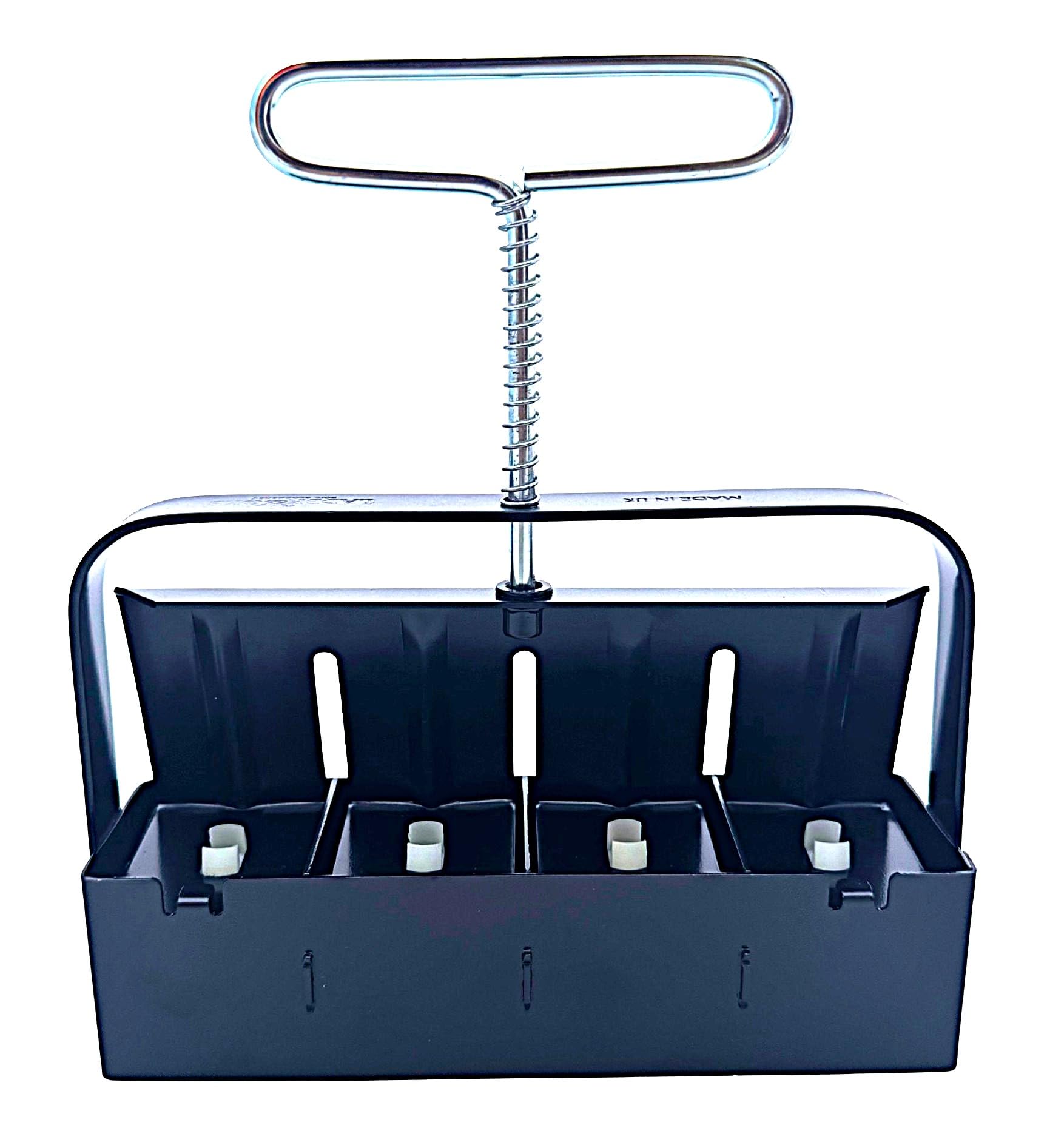
The Ladbrooke Mini 4 produces uniform 2-inch blocks with each press, thanks to its EP-coated steel body that resists rust and holds up to repeated use. The plastic seed pins are the main compromise — they can be finicky to insert and may loosen over time, requiring occasional adjustment. Handle separation has also been reported in some units, though the steel frame itself remains intact.

This blocker suits home gardeners who want a standard 2-inch block size and value British craftsmanship over budget options. It eliminates plastic pot waste, but the seed pin design means you will need to handle them with care. For most seed starters, this is the default choice; only those who need multiple block sizes or a nesting system should look elsewhere.

Rinse seed pins after each use and store the blocker with pins removed to keep them seated properly.

Bottom line: Seed starters who want a durable, plastic-free 2-inch block maker will find this a solid performer — just keep an eye on the seed pins.
2

Ladbrooke 5-Pc System

Ladbrooke 5-Pc System

Serious seed starters

Our Score 9.2/10
Check Price

Worth Noting

  • Plastic grid on the Micro 20 blocker can crack with repeated use.
Material
EP-coated steel, plastic
Seed Pins
Included
Block Size
3/4, 2 inches
Nesting System
Yes
Read the full review

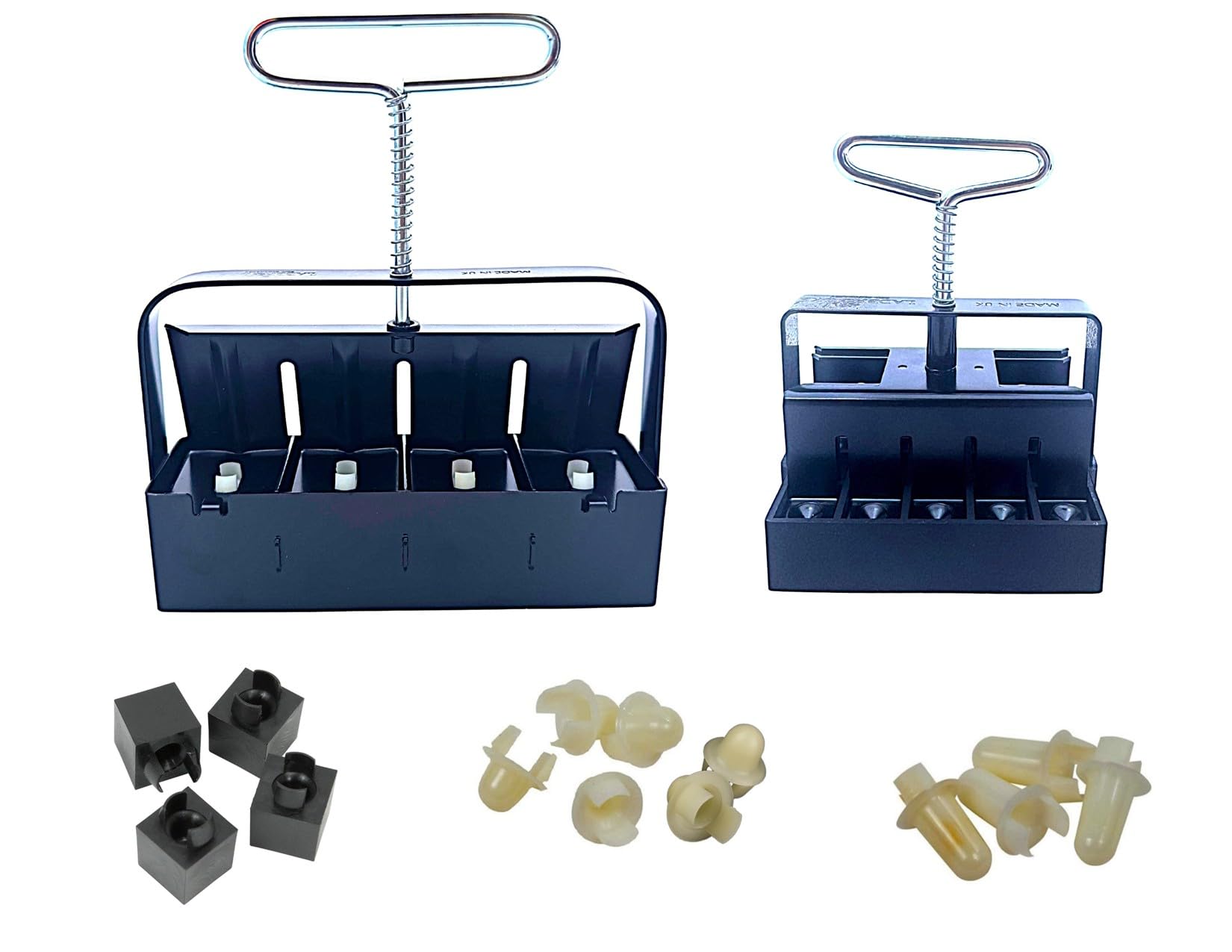
The nesting system combines a Mini 4 (2-inch) and Micro 20 (3/4-inch) blocker so you can start fine seeds in micro blocks and transplant directly into mini blocks without root disturbance. It is the only compact system that offers this integrated workflow in one purchase.

For seed starters who grow large numbers of fine seeds, the integrated approach saves time and reduces transplant shock. However, the Micro 20 uses a plastic grid that can crack with repeated use — a tradeoff worth weighing if you plan to rely heavily on the small blocker.

Handle the Micro 20 grid gently when ejecting blocks; applying gradual pressure reduces stress on the plastic.

Bottom line: For seed starters who need both micro and mini blocker in one system, this set offers a unique workflow — just be prepared for the micro component's possible fragility.

3

BlumWay 8-Cell Blocker

BlumWay 8-Cell Blocker

8-block press

Our Score 8.8/10
Check Price

Worth Noting

  • Assembly can loosen over time, causing uneven blocks.
Material
Stainless steel, powder coated
Seed Pins
3 types included
Block Size
2 inches
Nesting System
No
Read the full review

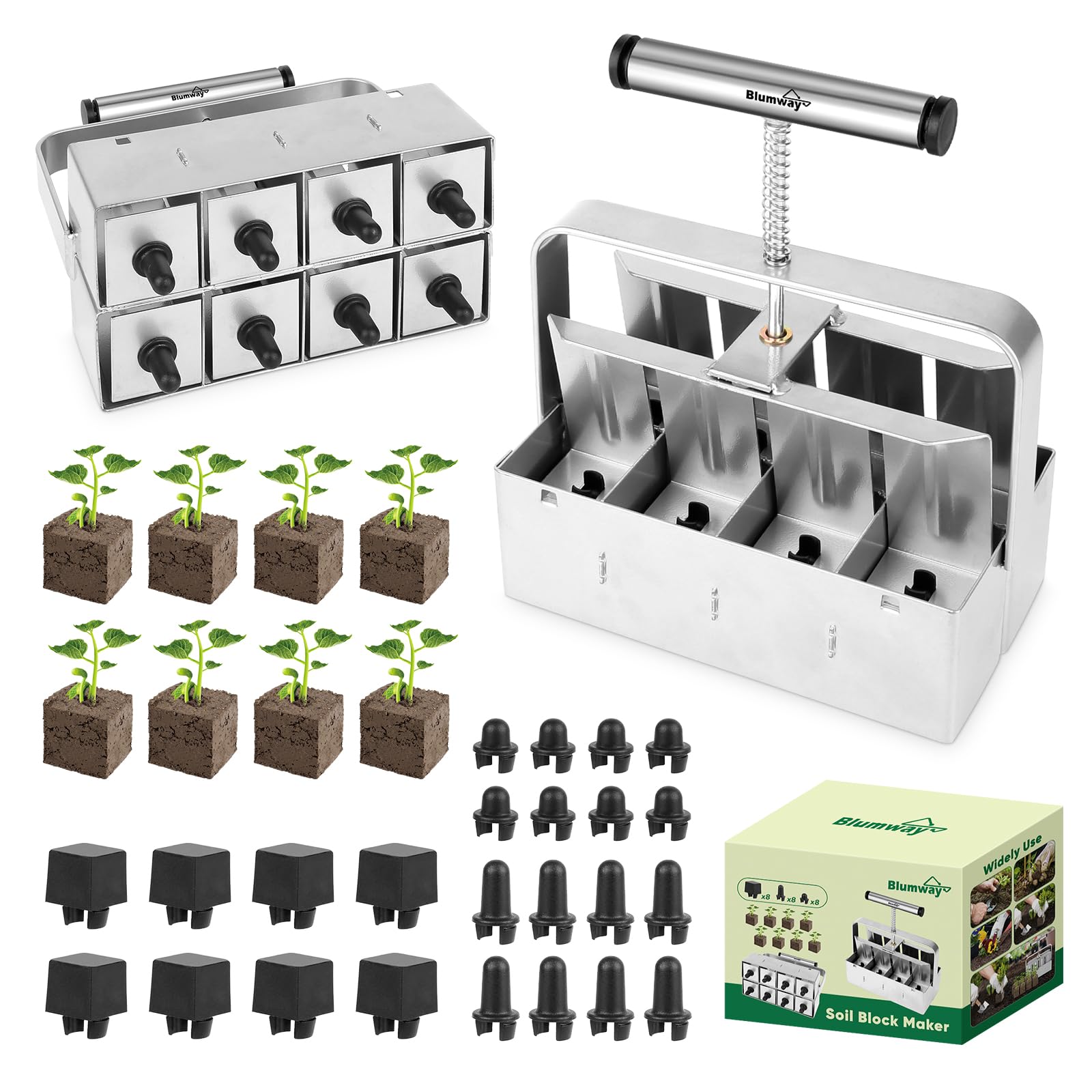
The BlumWay 8-Cell Blocker produces eight 2-inch blocks per press and includes three seed pin types, making it a fast, budget-friendly entry into soil blocking. The powder-coated stainless steel feels solid initially, but the assembly can loosen after repeated use, which may affect block uniformity. This tool suits beginners or light-use gardeners who want high output without paying a premium — not a choice for long-term heavy use or professional consistency.

Bottom line: Best for the budget-conscious gardener who wants speed and multiple pin options now, and is comfortable tightening the tool periodically.

4

Fiskars Soil Block Maker

Fiskars Soil Block Maker

Budget beginners

Our Score 8.6/10
Check Price

Worth Noting

  • Conical blocks may tip over in standard trays and leave unused gaps, reducing tray efficiency.
  • Plastic and metal components can separate after repeated use, a possibility worth monitoring.
Material
Plastic and metal
Seed Pins
Block Size
3-inch, 1-inch cones
Nesting System
No
Read the full review

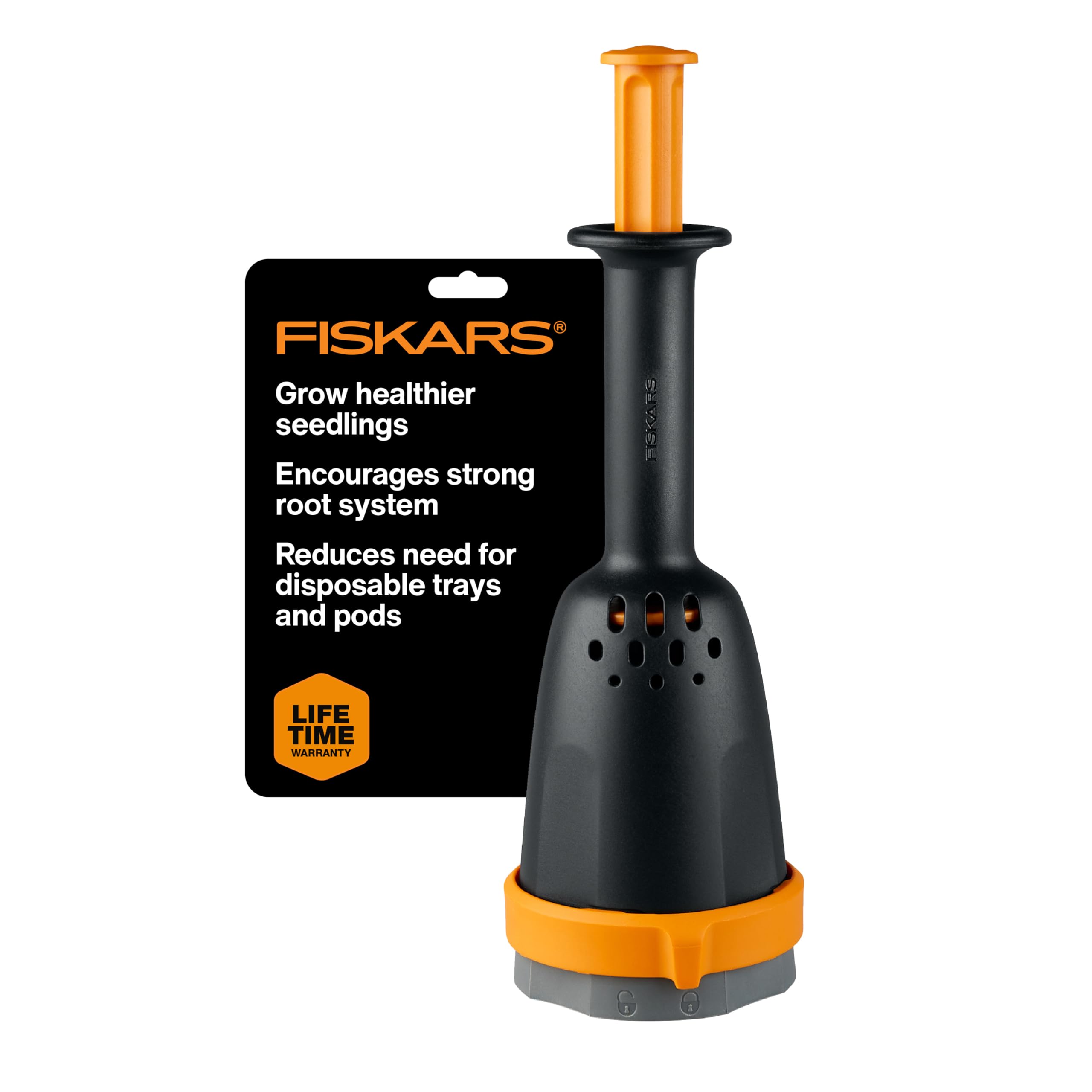
Fiskars brings soil blocking to a budget-friendly price with a tool that makes one 3-inch cone or four 1-inch mini cones. The dual-size design lets beginners test both formats without buying separate tools, and the learning curve is shallow enough for a first attempt.

This is for curious gardeners who want a low-cost entry into soil blocking rather than a long-term workhorse. The conical blocks can tip in standard propagation trays, wasting space, and some units may show wear sooner than expected—the lifetime warranty helps offset that risk for occasional use.

Dual-size blocks work best when the soil mix is moist but not wet—adjust water content if blocks crumble or sag.

Bottom line: Best for budget-conscious beginners experimenting with soil blocking; the warranty provides backup, but those needing stable, space-efficient blocks should look at a square-design tool.

How to Choose

Block Size

The 2-inch block is the most versatile size, suitable for most vegetables, herbs, and flowers. Smaller 3/4-inch blocks work only for fine seeds like lettuce and basil, but they dry out quickly and require constant moisture monitoring.

A 1.5-inch option fits between, offering more starts per tray without the drying risk of micro blocks. Choose based on what you grow most: 2-inch for general use, micro for high-density fine seed starts.

Blocks per Press

More blocks per press saves time but increases weight and force needed. An 8-cell blocker produces twice as many blocks per press as a 4-cell, but its larger size can be awkward to handle and may require more arm strength to compress evenly.

For large batches, efficiency gains matter; for smaller gardens, a 4-cell is easier to manage and produces enough blocks for a few trays.

Material Quality

EP-coated steel resists rust and holds up to repeated use, while plastic components can crack under pressure, especially in cold weather or when forced. Budget tools often use thinner metal or mixed materials that may warp after a few seasons.

The trade-off is upfront savings vs. long-term durability. If you plan to block soil for more than a couple of years, invest in steel construction.

Nesting System

Nesting systems let you start seeds in micro blocks then place them directly into mini blocks without disturbing roots. This eliminates transplant shock but adds complexity and cost.

The micro blocker component is often the most fragile part of the set, so it's a trade-off between seamless up-potting and potential breakage.

Seed Pins

Seed pins create a small dimple for placing seeds, but plastic pins are prone to falling off or breaking. Some models include multiple pin types for different seed sizes.

If you direct-sow without pins, you can skip this feature entirely. The best designs secure the pins with a positive lock rather than a friction fit.

Frequently Asked Questions