Garden Tools

5 Best Trenching Shovel of 2026: Avoid Bent Blades and Snapped Handles

Narrow-blade trench shovel buyers: avoid bent blades and snapped handles. This guide matches your soil type to a durable shovel for irrigation and drainage lines.

A trench shovel is a specialized tool, but many buyers discover too late that the 'heavy-duty' label doesn't guarantee it can handle rocky soil or root cutting. Blades bend, handles snap – not because the shovel is defective, but because it's used beyond its design limits.

The key is matching the shovel's blade width, handle material, and build to your specific job – whether you're digging a narrow irrigation trench in loamy soil or clearing roots in a flower bed. This guide breaks down the trade-offs that matter: a 4-inch blade offers versatility for most pipes, while a 3-inch V-blade fits pre-cut channels but can be harder to push. Wood handles absorb shock but can split; fiberglass lasts longer but adds weight.

1

Corona 4" Trench Shovel

Top Pick
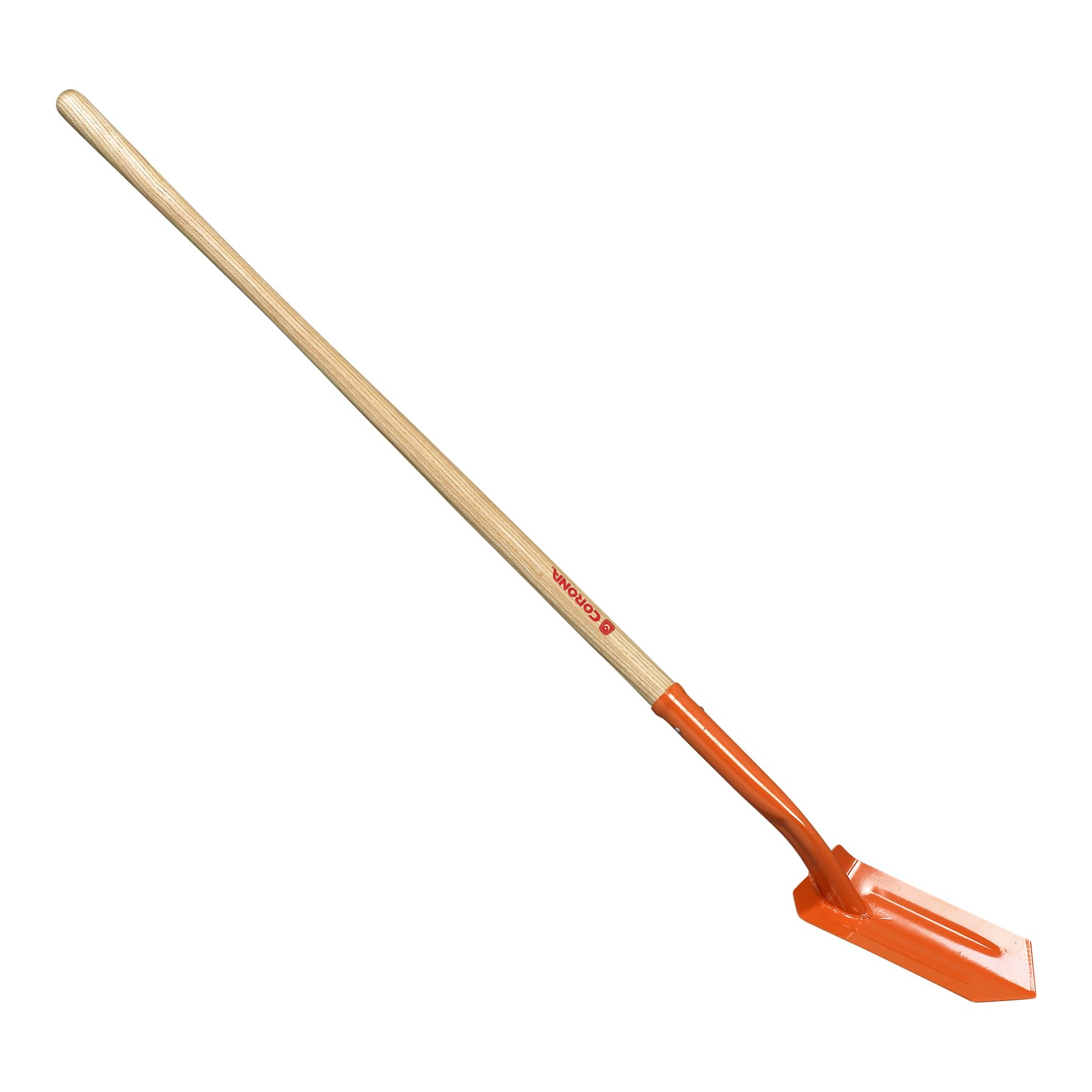
Corona 4" Trench Shovel

Moderate soil digging

Our Score 9.2/10
Check Price

Worth Noting

Blade Shape
Pointed, 4-inch
Blade Width
4 in
Handle Material
Wood
Handle Length & Grip
57 in, wood D-grip
Read the full review

The Corona 4-inch trench shovel uses a narrow alloy steel blade that digs into clay and compacted soil effectively. At 57 inches long and 4.3 pounds, it allows upright digging without excessive bending. Owners find it handles drainage slope work and tight spots well.

This shovel suits homeowners installing irrigation or drainage lines in moderate soil. The wooden handle can crack under heavy prying in rocky ground, so avoid using it as a pry bar. For occasional trenching in typical garden soil, it offers good value.

Bottom line: A solid choice for homeowners who need a narrow trench shovel for occasional use, provided they avoid prying with it.
2

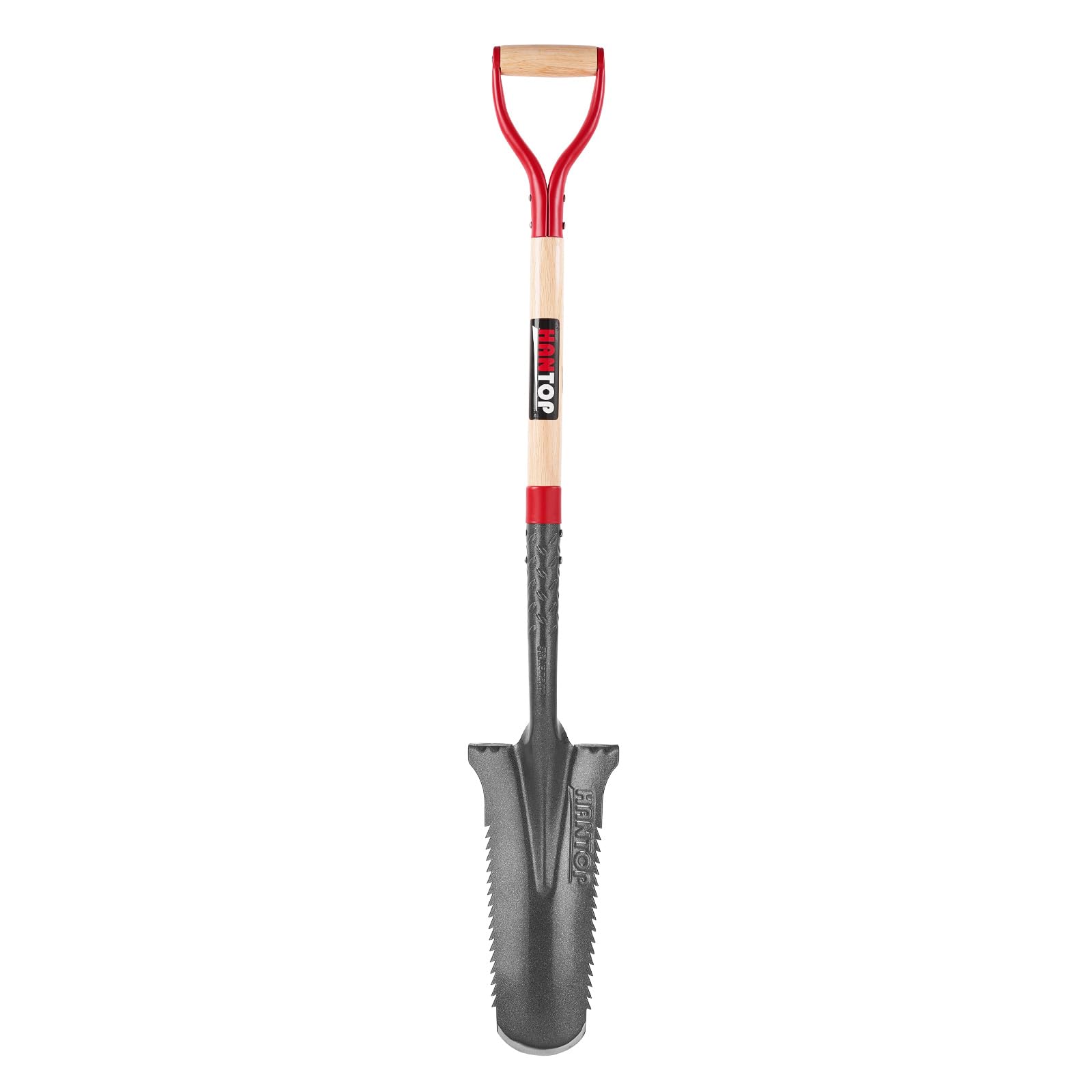
HANTOP 44" Drain Spade

HANTOP 44" Drain Spade

Light trenching

Our Score 9.2/10
Check Price

Worth Noting

  • Not durable for prying or heavy leverage
Blade Shape
Serrated, 2-inch
Blade Width
2 in
Handle Material
Oak wood
Handle Length & Grip
44 in, wood D-grip
Read the full review

The HANTOP 44" Drain Spade delivers a sharp, serrated blade that cuts through roots cleanly at a budget-friendly price. Unlike the compact trenching spade, its longer handle offers better leverage for upright digging. Best suited for metal detectorists and homeowners digging narrow holes in soft soil. Avoid using it for prying out stumps or roots — the head can snap under leverage.

Keep the shovel for digging holes and cutting roots — prying or leveraging stumps may cause the head to snap.

Bottom line: An inexpensive choice for digging only, but steer clear of prying tasks.

3

Ashman Short D-Grip Spade

Ashman Short D-Grip Spade

Tight garden spaces

Our Score 8.8/10
Check Price

Worth Noting

Blade Shape
Serrated, narrow
Blade Width
Handle Material
Alloy steel (D-grip)
Handle Length & Grip
28 in, alloy steel D-grip
Read the full review

The Ashman Short D-Grip Spade uses a serrated blade to cut through roots and compacted soil, with a D-grip for one-handed control in tight spaces. Its 28-inch handle limits leverage, so this spade suits shallow trenching in raised beds, flower borders, and metal detecting, not deep drainage trenches.

Bottom line: Gardeners working between established plants or metal detectorists get a focused root-cutting tool with D-grip control, but keep a longer shovel for deep trench work.

4

Bully Tools Drain Spade

Bully Tools Drain Spade

Vertical cuts

Our Score 8.8/10
Check Price

Worth Noting

  • Straight blade angle increases effort when digging at an angle; head buckling possible in soft clay.
Blade Shape
Pointed, narrow
Blade Width
Handle Material
Fiberglass
Handle Length & Grip
58 in, fiberglass
Read the full review

The Bully Tools drain spade's 58-inch handle lets you dig standing upright, reducing back strain. Its 12-gauge steel head resists bending when hitting rocks. However, the straight blade angle requires more effort when breaking ground at an angle; head buckling has been noted in soft clay. This spade suits vertical cuts and ditch cleaning, not angled trenching or prying.

Bottom line: Ideal for vertical trench work and ditch shaping where you stand upright. Not suited for angled digging or prying.

5

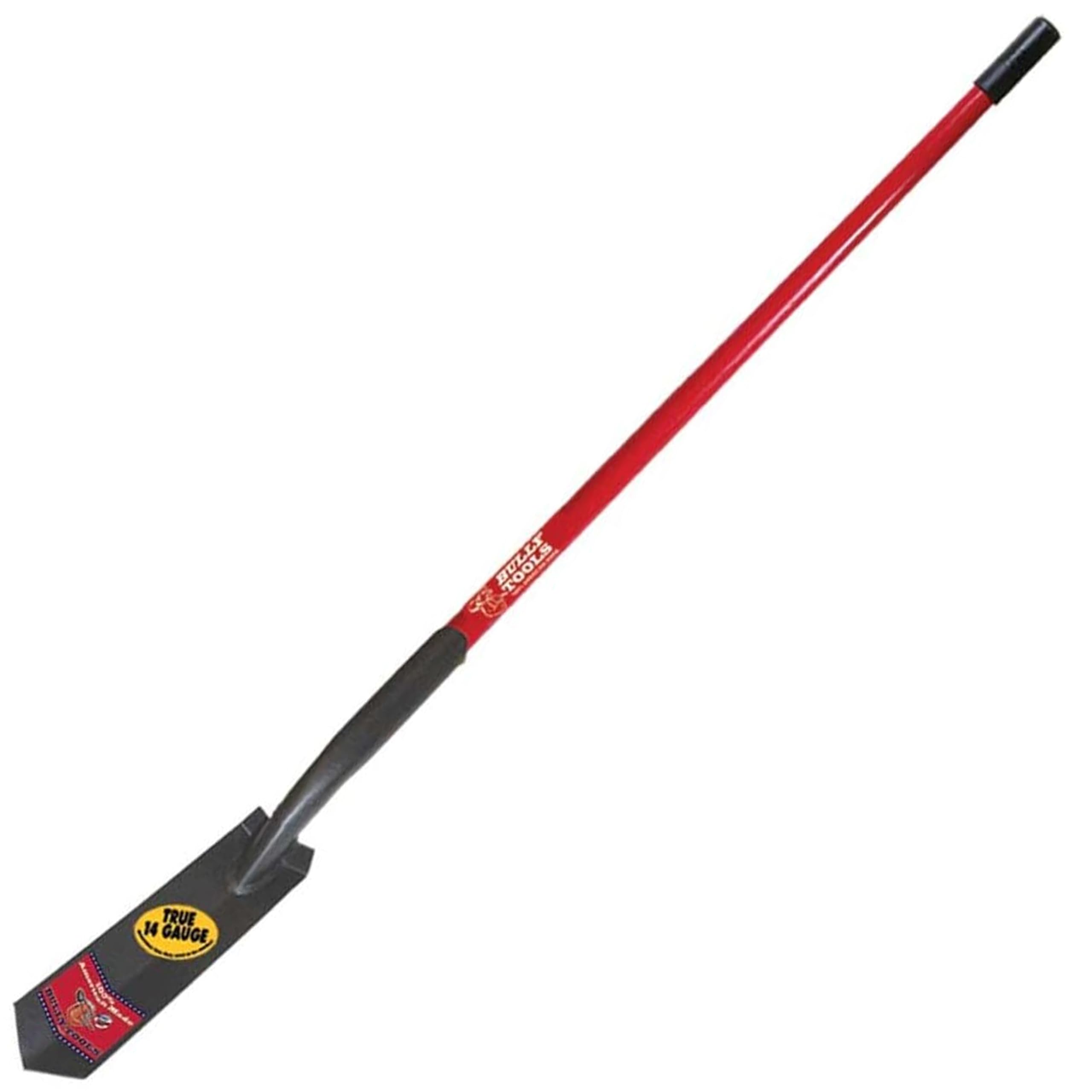
Bully Tools 3" Trench Shovel

Bully Tools 3" Trench Shovel

Precision trench work

Our Score 8.6/10
Check Price

Worth Noting

  • 3-inch top is too small to push comfortably with a foot, limiting penetration in hard ground
  • Blade can bend when prying against roots or digging in clay
Blade Shape
V-shaped, 3-inch
Blade Width
3 in
Handle Material
Fiberglass
Handle Length & Grip
56.25 in, fiberglass
Read the full review

The Bully Tools trench shovel’s 3-inch V-shaped blade is built for clean, narrow trenches—ideal for irrigation or drainage lines where precision matters more than brute force. The fiberglass handle and USA-made steel feel substantial compared to budget options, though the blade can bend if used for prying or striking roots, and the narrow top makes foot placement awkward on hard ground. This shovel suits landscapers who need a dedicated tool for finishing machine-cut grooves or digging in loose soil, not for breaking new ground in clay or rocky earth.

To improve foot pressure, step with the ball of your foot centered on the blade rather than the heel.

Bottom line: A specialized tool for precise trench work in soft to moderate soil, best when you need accuracy over raw digging power.

How to Choose

Blade Width

A 4-inch blade is the most versatile for standard irrigation pipes and drainage lines. It provides enough surface area to scoop soil efficiently and a wide enough step to apply foot pressure. The trade-off: it removes more dirt per stroke, so for pre-existing machine-cut trenches or tight spots, a 3-inch blade leaves walls undisturbed.

A 3-inch blade, often V-shaped, digs a cleaner channel but has a narrower top that makes foot placement awkward. If you have loose soil, that's manageable; in compacted ground, you'll wish for a wider blade to stand on.

Handle Material

Wood handles absorb vibration and feel warm in the hand, but they require maintenance. Left in the rain or used for prying, they crack and splinter. Fiberglass handles resist weather and lateral stress but transfer more shock to your hands and add about half a pound of weight.

For occasional use in moderate soil, wood is fine. For regular trenching in tough ground, fiberglass's longevity justifies the extra weight. But avoid the common mistake of using wood-handled shovels as a lever – that's where they fail.

Blade Shape

V-shaped blades gather soil toward the center, making it easier to lift dirt from a narrow trench. They are ideal for digging new channels. Flat or pointed blades are better for cleaning out existing trenches or making vertical cuts, but they don't scoop as cleanly.

Serrated edges on some blades (like the Ashman and HANTOP) cut through small roots without needing a separate tool. However, serrations weaken the blade edge – avoid prying sideways or hitting rocks with them.

Handle Length & Grip

Long handles (56-58 inches) let you stand upright while digging, reducing back strain. They provide better leverage for deep trenches but can feel unwieldy in tight spaces. Short handles (28-30 inches) with a D-grip offer precise control in raised beds and between plants, but you'll spend more time bent over.

D-grip handles also rotate easily in the hand, which helps when twisting the blade to loosen soil. However, they limit the force you can apply for a deep dig – a long straight handle lets you use your whole body weight.

Frequently Asked Questions