Soil & Fertilizer

10 Best Worm Composting Bin of 2026: Find One That Matches Your Commitment

The right worm bin depends on your food waste volume, space, and how much tinkering you want. This guide matches bins to your habits.

Many worm bins promise odor-free, easy setup. In practice, your success depends less on the plastic and more on how you manage moisture and feeding. This guide cuts through the marketing to match each bin to your actual kitchen habits and willingness to learn the basics.

Worm escapes are the most common frustration — and often a sign of overwatering or poor bedding, not a broken bin. A well-designed tray system makes it easy to correct conditions. Others, like fabric continuous-flow bins, handle large volumes but require more vigilance. We've organized the picks by what you actually need: starter friendliness, waste volume, garden integration, or countertop style.

1

TOP XIAN Inground 2-Pack

Top Pick
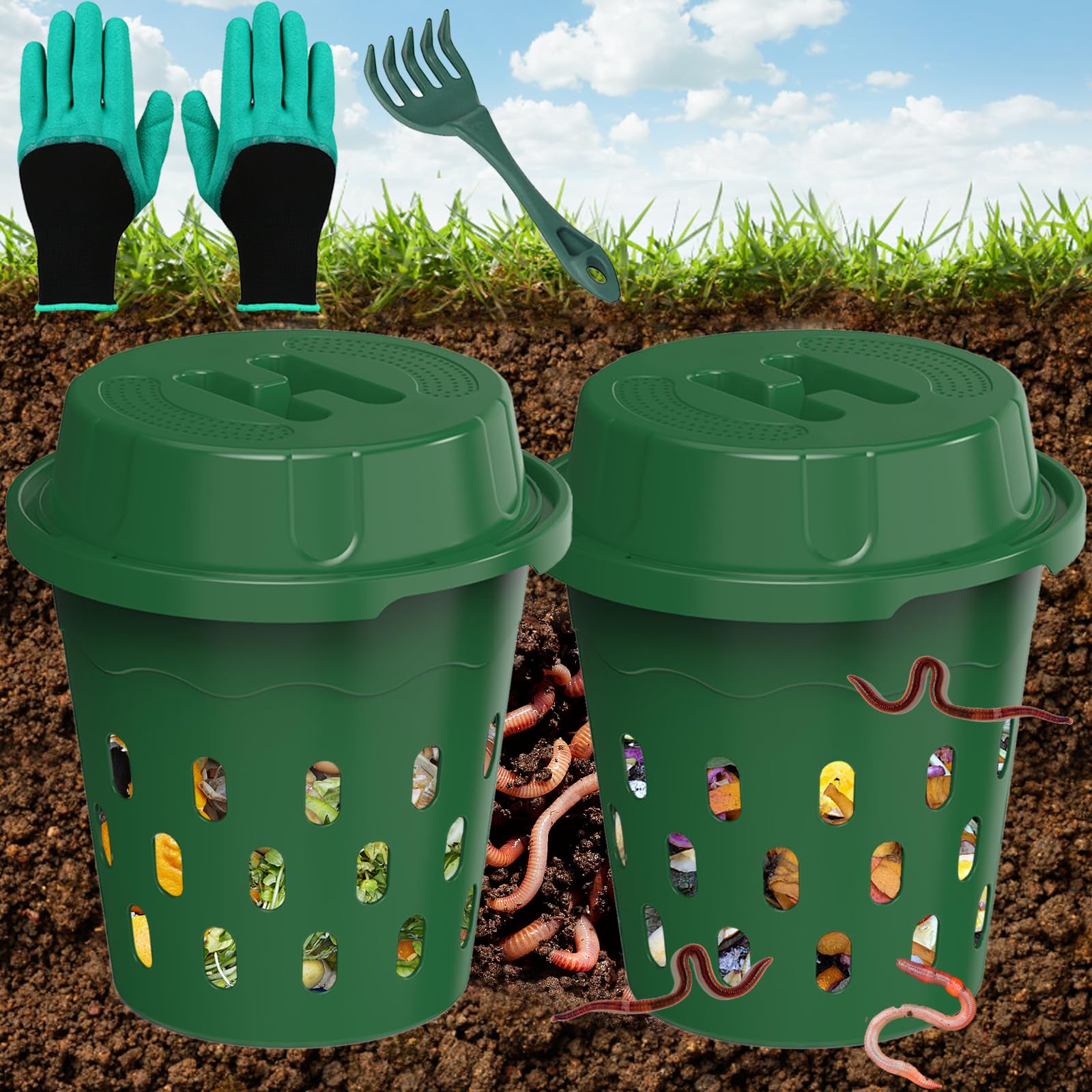
TOP XIAN Inground 2-Pack

Raised bed gardens

Our Score 9.2/10
Check Price

Worth Noting

  • Very small capacity
Capacity
8L each
Material
PP
Trays/Stages
Inground
Harvest Method
Inground
Read the full review

Two bins for under $35, each buried to feed plants directly. This inground system lets worms migrate between bin and soil, naturally distributing castings around your raised beds. Installation takes minutes – dig a hole, drop the bin, add scraps. The tradeoff: each bin holds only 8 liters, enough for a few days' scraps from one or two people. Ideal for beginners with very low food waste who want to compost directly in planting areas, but not a solution for a full household's kitchen scraps.

Plan on emptying the bin every few days – capacity suits light scraps from one or two people.

Bottom line: A smart add-on for raised beds if your scrap volume is low, but not a primary composter for a full kitchen.

2

VermiHut Plus 5-Tray

VermiHut Plus 5-Tray

Beginners, moderate waste

Our Score 9.0/10
Check Price

Worth Noting

  • When fully loaded with wet material, the plastic trays can warp and lose their tight fit.
Capacity
50L
Material
HDPE
Trays/Stages
5
Harvest Method
Tray system
Read the full review

The VermiHut Plus 5-Tray bin gets worms working quickly with a no-tools, intuitive stack design that keeps moisture and airflow in check. The HDPE plastic trays hold up well in indoor conditions, though the stack can feel less rigid when fully loaded with wet material – a tradeoff of the lightweight construction.

This bin suits first-time vermicomposters with moderate kitchen waste who need a tidy indoor setup. The occasional tray warping under full load means it's best left stationary; avoid moving it when filled. Those generating heavy scraps or wanting continuous-flow harvesting should look at larger systems instead.

Keep the bin stationary once fully loaded and avoid stacking unevenly to prevent tray warping.

Bottom line: For anyone starting vermicomposting at home and willing to leave the bin in place, this tray system delivers consistent results without fuss.

3

Blütezeit 5-Tray

Blütezeit 5-Tray

Newcomers, small household

Our Score 9.0/10
Check Price

Worth Noting

  • Worm escapes and fruit flies can occur if moisture isn't carefully balanced.
Capacity
50L
Material
PP
Trays/Stages
5
Harvest Method
Tray system
Read the full review

The Blütezeit 5-tray bin comes with a turning fork, soil meter, coco coir, and other accessories that would cost extra with the top pick. For small to medium households new to vermicomposting, this all-in-one kit removes guesswork from setup. However, worm escapes and fruit flies can occur if moisture isn't carefully balanced — something to monitor rather than a flaw in the bin itself.

Add dry bedding like shredded newspaper when food scraps are wet — this helps prevent worm escape and fly issues.

Bottom line: For beginners who want a turnkey system without hunting down extra tools, this kit delivers. Just be ready to monitor moisture to keep worms happy.

4

FCMP Outdoor 2-Tray

FCMP Outdoor 2-Tray

Indoor, small household

Our Score 9.0/10
Check Price

Worth Noting

  • Worms may escape through migration tunnels if moisture and feed aren't dialed in
Capacity
30L (8 gal)
Material
Recycled PP
Trays/Stages
2
Harvest Method
Tray system
Read the full review

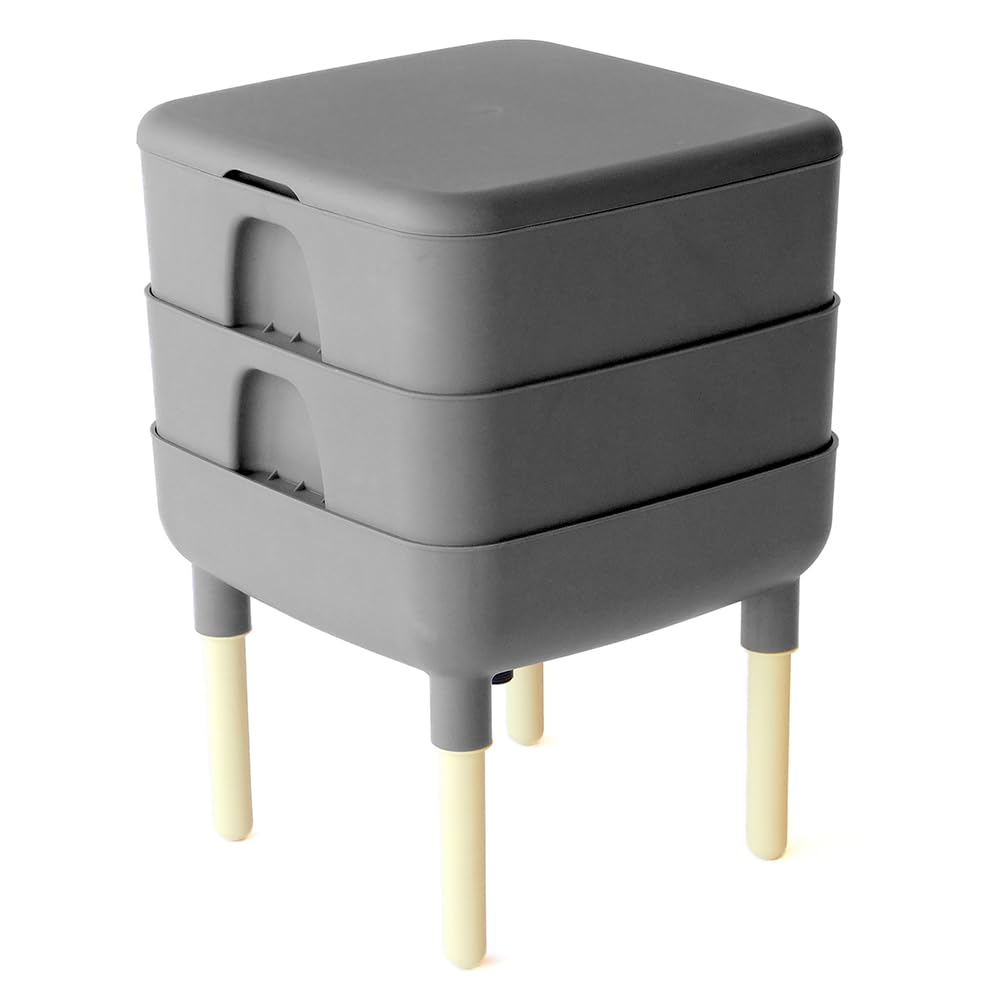
This 2-tray system assembles easily and looks like a piece of furniture, using recycled plastic. The migration tunnels and vent design allow worms to climb out if moisture and feed aren't carefully managed, so this bin suits experienced vermicomposters rather than beginners seeking a set-and-forget solution.

Bottom line: Best for experienced composters who can fine-tune conditions; beginners should look for a bin with better worm containment.

5

Urban Worm Bag V2

Urban Worm Bag V2

Large families, heavy waste

Our Score 8.8/10
Check Price

Worth Noting

  • Fabric seams and zipper may develop leaks within months of use.
  • Frame can wobble when fully loaded, especially on uneven ground.
Capacity
150L
Material
900D oxford fabric
Trays/Stages
Continuous
Harvest Method
Continuous flow
Read the full review

With 150 liters of continuous-flow capacity, the Urban Worm Bag V2 handles three times the food scraps a typical stackable tray bin can — no stacking or tray swapping required. Assembly takes under five minutes with no tools.

This design suits households that generate heavy kitchen waste and have outdoor space for a large footprint. However, the fabric seams and zipper may develop leaks within months, and the frame can wobble when fully loaded, making it a poor fit for indoor use where spills are a concern.

Position the bag on a flat, sturdy surface to reduce wobble when fully loaded.

Bottom line: If you generate heavy kitchen waste and have a dedicated outdoor spot, the Urban Worm Bag V2 provides unmatched capacity. But for indoor use or long-term durability, the top pick's rigid trays are a safer bet.

6

Maze Worm Farm

Maze Worm Farm

Design, minimal waste

Our Score 8.8/10
Check Price

Worth Noting

  • Premium price for a unit that handles only a coffee can's worth of scraps.
  • Tiny 2-liter capacity limits daily composting to a few peels
Capacity
2L
Material
Recycled plastic
Trays/Stages
2+1
Harvest Method
Tray system
Read the full review

The Maze Worm Farm blends into a kitchen countertop with its attractive design and no worm escape issues. Assembly is straightforward, and the worms stay healthy and contained. However, its 2-liter capacity limits it to a single person's peels — roughly a coffee can's worth. That makes it suitable for design-conscious users with minimal food waste, not households generating daily vegetable scraps. It's even more compact than other stylish indoor bins, but the tradeoff is clear: you compost very little at a premium price.

Bottom line: A beautiful countertop piece that works well for those who produce very little waste and value aesthetics over volume.

7

VIVOSUN 5-Layer

VIVOSUN 5-Layer

Budget beginners, indoor

Our Score 8.8/10
Check Price

Worth Noting

  • Worms may escape through gaps in tray connections.
Capacity
50L
Material
PP
Trays/Stages
5
Harvest Method
Tray system
Read the full review

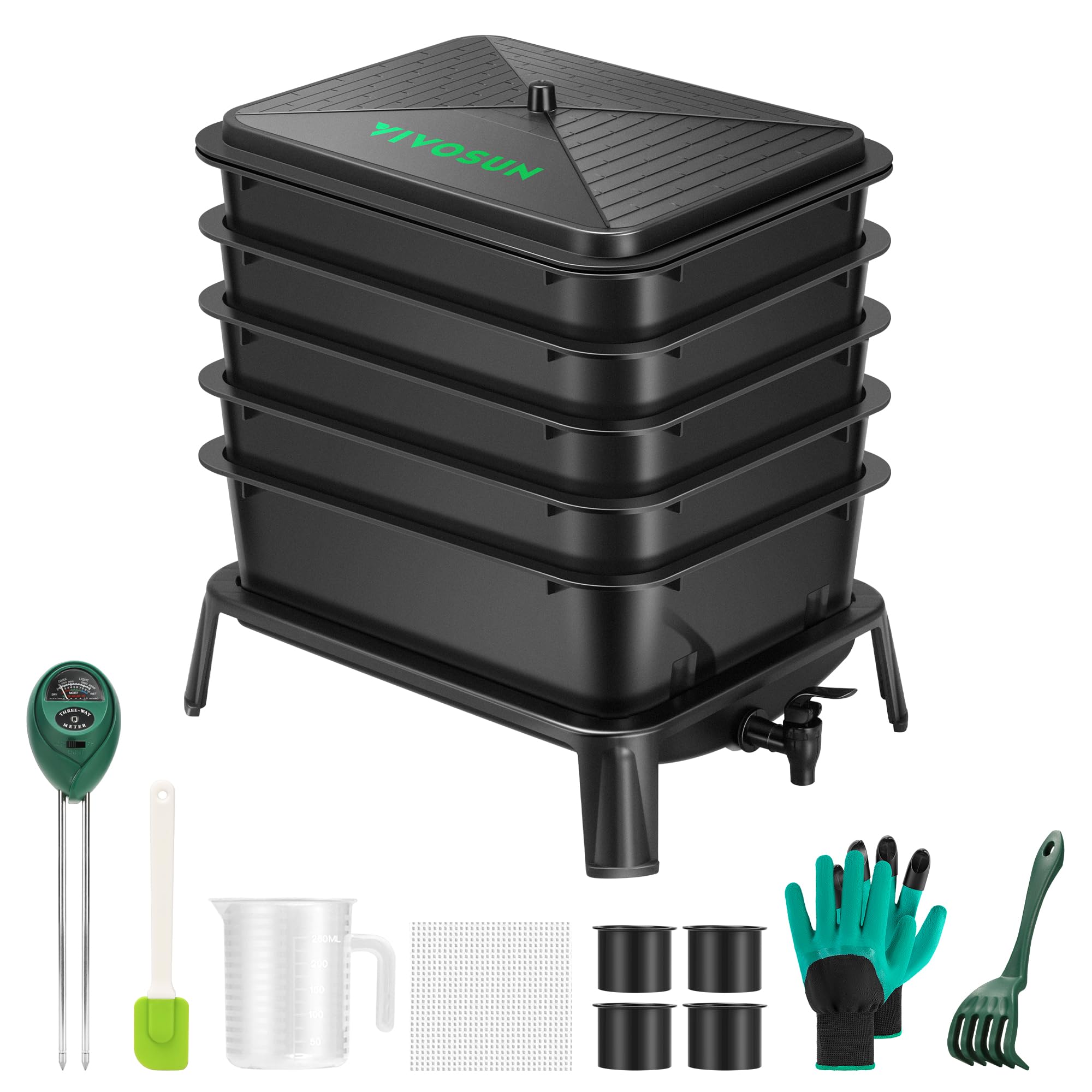
The VIVOSUN bundle includes a soil meter, gloves, and scraper — useful for new composters. Its five-layer tower fits tight spaces. However, the thin PP plastic can warp in direct sunlight, making indoor placement important.

Bottom line: Best for a budget-conscious beginner worm farming indoors.

8

Vego Garden In-Ground

Vego Garden In-Ground

Raised bed gardens

Our Score 8.8/10
Check Price

Worth Noting

  • In a garden with raccoons or other animals, the lid may pop off despite effort to snap it on.
Capacity
26.5L (7 gal)
Material
BPA-free PP
Trays/Stages
In-bed
Harvest Method
Inground
Read the full review

This buried bin feeds plants directly in raised beds using sturdy BPA-free plastic that holds up outdoors. The 7-gallon capacity handles a few days of kitchen scraps, and the worms convert waste efficiently around the bin. However, the lid is difficult to snap on and can pop off, giving animals a way in. If you have a smaller raised bed or can manage a smaller capacity, the TOP XIAN two-pack offers better value without the lid hassle.

Bottom line: A sound option for raised-bed gardeners who don't mind weighting the lid down with a brick or stone, and who want direct soil feeding.

9

Bumaeu Underground

Bumaeu Underground

Single plant, project

Our Score 8.8/10
Check Price

Worth Noting

  • Capacity is so small that it can only serve a single potted plant
Capacity
0.4L
Material
PVC
Trays/Stages
Underground
Harvest Method
Inground
Read the full review

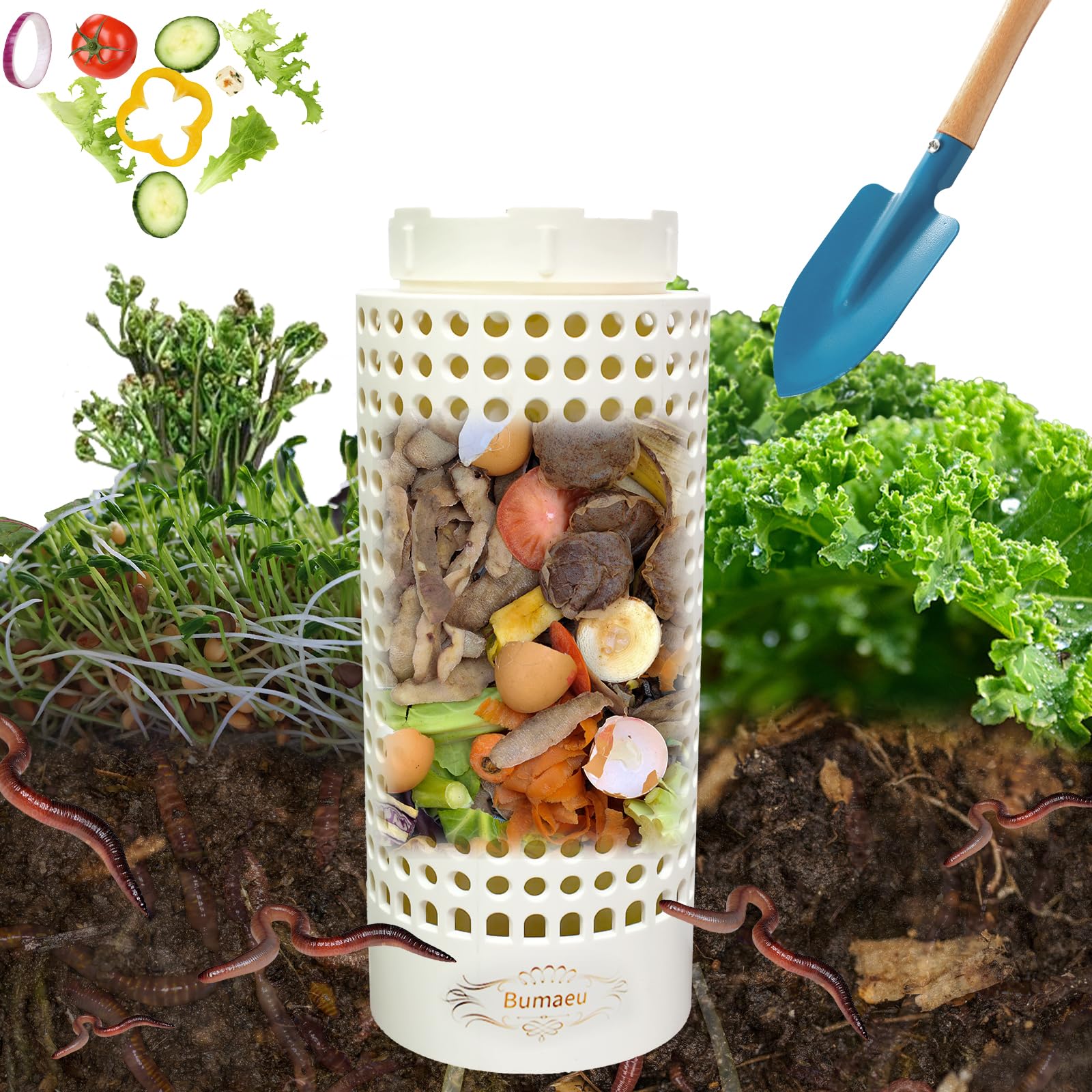
This screw-on bin with vented lid installs in minutes and the plastic feels sturdier than its price suggests. But at 0.4L capacity, it can only hold scraps from one large houseplant — not enough to divert household waste. For a child's science project or temporary worm holding it works, but anyone expecting a functional composter will find the output negligible.

Bottom line: Fits as a novelty for a child's worm project or to feed one houseplant — not for anyone needing actual kitchen-waste diversion.

10

Magic Worm Farm Kit

Magic Worm Farm Kit

Anglers, bait

Our Score 8.6/10
Check Price

Worth Noting

  • Container is too small and lacks ventilation for continuous food-waste composting.
Capacity
7.6L (8 qt)
Material
Polypropylene
Trays/Stages
Starter
Harvest Method
Bait container
Read the full review

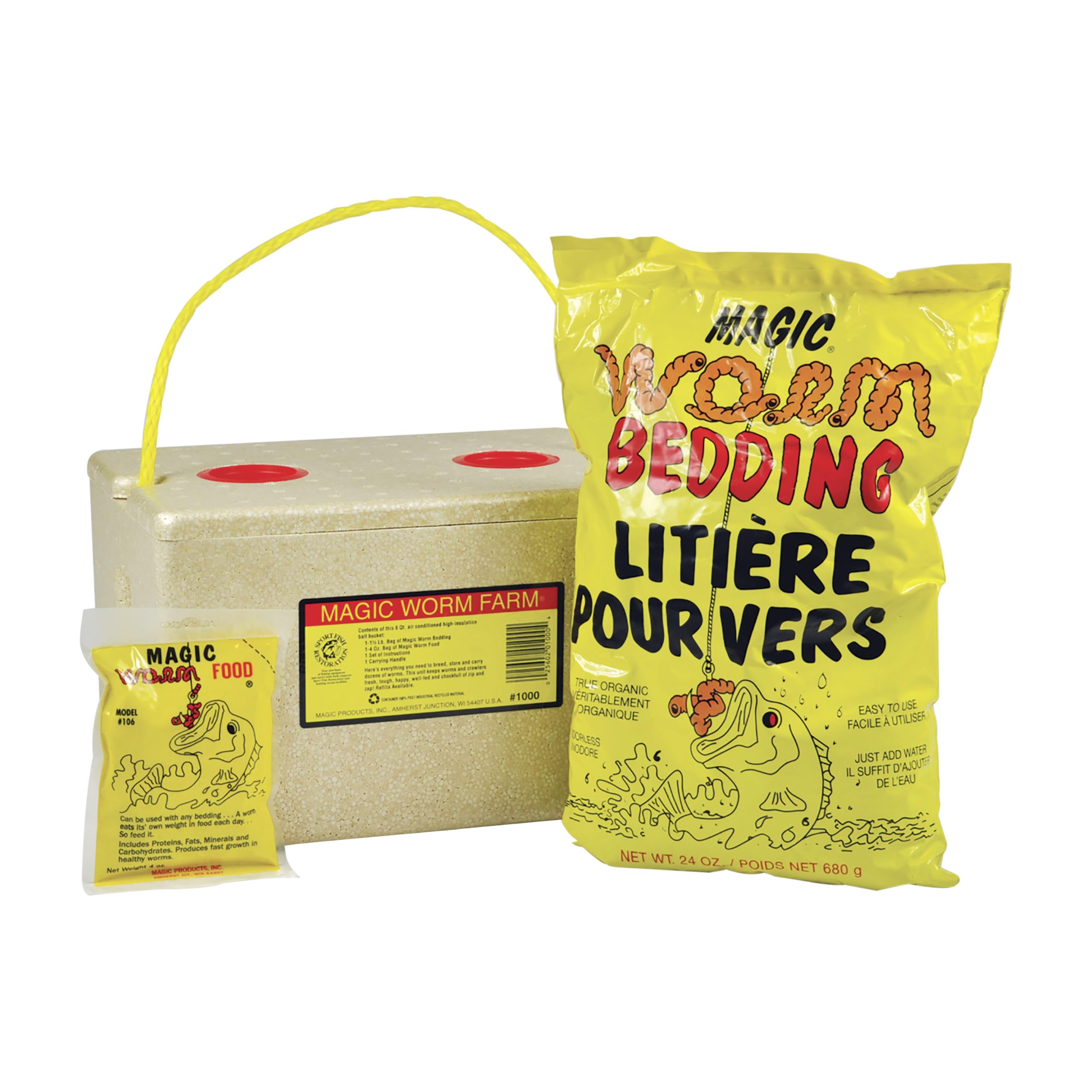
This budget-friendly kit keeps worms alive for a day on the water, making it a handy portable bait container for anglers. However, the 8-quart polypropylene box is too small and lacks the ventilation needed to process kitchen scraps over time. Reported missing bedding or food pellets and a lid that can crack under light handling further confirm this is not a composting solution — it is a bait keeper that happens to use worms.

Bottom line: Fine for anglers who need a simple bait container for a day trip, but not for anyone looking to compost kitchen scraps.

How to Choose

Number of Trays or Stages

More trays mean more working volume, but also more effort to rotate and harvest. A 5-tray system gives a family of four about a week's capacity before needing to add a new tray. Two-tray bins work well for one to two people but require more frequent harvesting. Continuous flow systems skip tray stacking entirely by letting you harvest from the bottom while feeding from the top.

Capacity (Liters or Gallons)

Capacity directly affects how often you need to feed and harvest. A 50L bin handles roughly 2–3 cups of kitchen scraps per day. If you generate more, you'll either need a larger bin like the 150L Urban Worm Bag or multiple smaller bins. Too large a bin for light waste can lead to anaerobic conditions if not enough food and bedding are added to keep worms active.

Material (Plastic, Fabric, Recycled)

Plastic bins (HDPE or PP) are rigid, easy to clean, and hold up indoors for years if kept out of direct sunlight. Fabric bins like the Urban Worm Bag are lighter and fold flat but can develop seam leaks over time. Recycled plastics are eco-friendly but sometimes slightly less uniform in thickness. For outdoor use, thicker HDPE or BPA-free PP resists warping better than thin PP.

Ease of Harvesting (Tray vs Continuous Flow vs Inground)

Tray systems require manually removing each tray to access finished castings — a 15–20 minute job every few months. Continuous flow bins let you scrape castings from the bottom without disturbing upper layers, saving time but requiring a bit more attention to moisture. Inground bins eliminate harvesting altogether; worms migrate into the soil and you simply add scraps. The trade-off: you can't easily check worm health or separate finished compost.

Odor Control and Ventilation Design

Most bins rely on a combination of ventilation holes, a spigot for draining liquid, and a tight lid. The real key to odor control is balancing moist bedding with dry carbon sources like shredded paper. Bins with poor ventilation or no spigot (like some fabric designs) are more prone to sour smells if overfed. Always choose a bin that lets you adjust airflow — a simple adjustable vent can make the difference.

Frequently Asked Questions