Poultry & Livestock

14 Best Chicken Coop Bedding of 2026: For Clean Coops and Happy Hens

Find the best chicken coop bedding for your flock — from dust-free sand to durable nesting pads — to keep eggs clean and coops fresh without overspending.

Many chicken keepers find that bedding advertised as 'low dust' still kicks up clouds during coop cleanouts, and nesting pads that promise clean eggs can shred within days. The trade-off between cost, comfort, and cleanliness is real.

The right bedding depends on your flock size, climate, and cleaning routine. Deep litter systems benefit from high-absorbency hemp, while small flocks in dry areas might prefer sand for quick scooping. Nesting pads save egg-cleaning time but need to match your hens' scratching habits.

This guide sorts through the most common materials — paper, aspen, pine, hemp, sand, and nesting pads — and highlights where each excels so you can choose based on your specific setup.

1

Kaytee Clean & Cozy Paper

Top Pick
Kaytee Clean & Cozy Paper

Small flocks/brooder

Our Score 9.4/10
Check Price

Worth Noting

  • Dust content can vary between bags; some releases noticeable dust when pouring
Material
Paper
Dust Claim
99.9% dust-free
Size/Volume
49.2 L
Read the full review

Kaytee Clean & Cozy is exceptionally soft and highly absorbent, making it a favorite for brooder chicks and small animal cages where comfort and quick moisture control matter. However, dust content varies between batches — some bags release noticeable dust when poured, and odor control fades after a few days under heavy soiling. For full chicken coop floors, the per-liter cost is too high and the volume too small; this works best as a spot-use or brooder bedding, not a bulk floor solution.

Bottom line: Best used in brooders or small cages where softness and ease of cleaning matter more than long-term odor control or bulk volume.
2

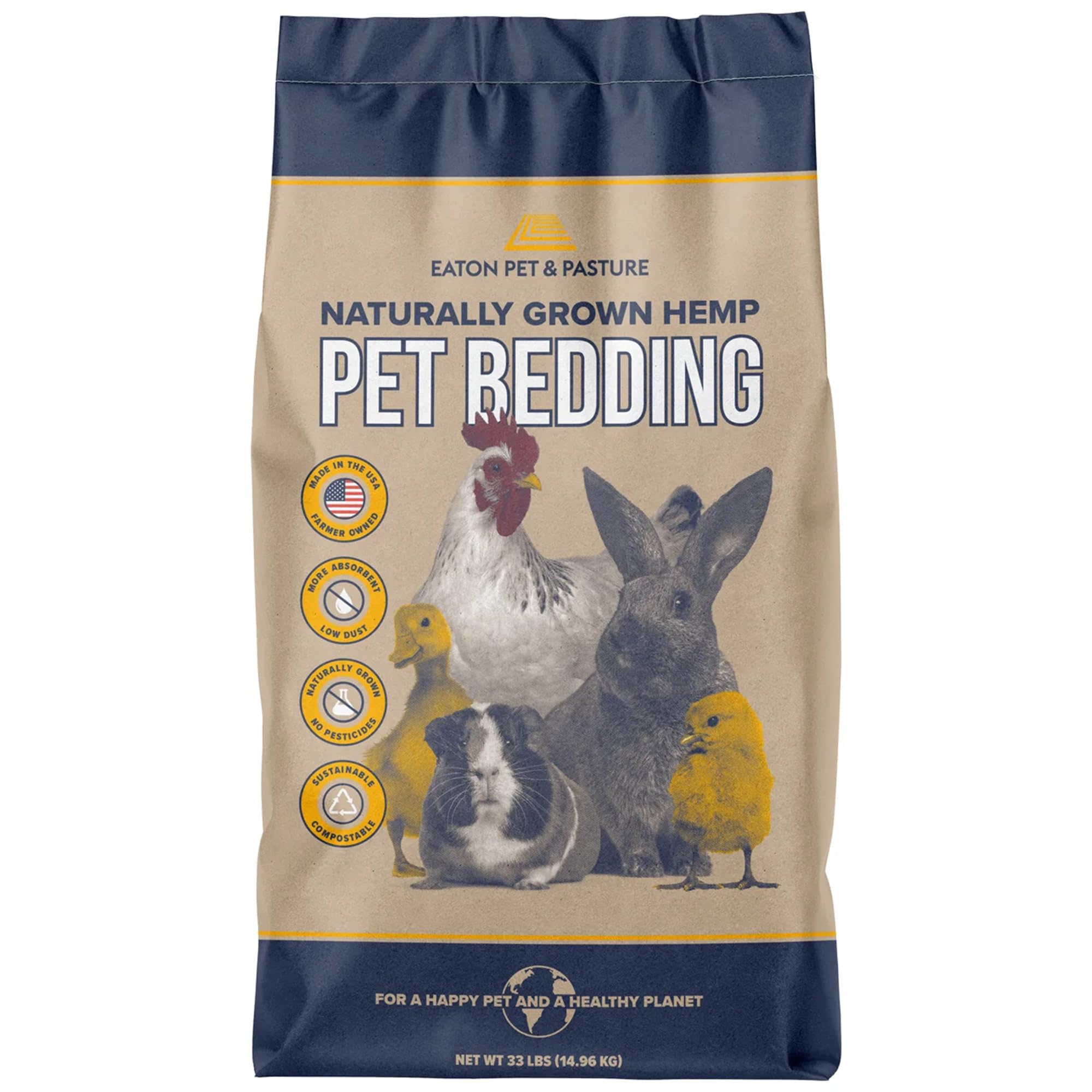
Eaton Hemp Bedding

Eaton Hemp Bedding

Respiratory-safe nests

Our Score 9.4/10
Check Price

Worth Noting

  • Small bag size makes it expensive per pound for large area coverage
Material
Hemp
Dust Claim
Low dust
Size/Volume
8 lb
Read the full review

This hemp bedding is notably soft and low-dust, making it a good choice for nesting boxes or brooders where respiratory health is a priority. However, the 8 lb bag is small for its price, so it is not cost-effective for full coop floor coverage.

Bottom line: Best for small spaces or sensitive birds where dust control matters, despite the premium cost per pound.

3

Kaytee Kay-Kob

Kaytee Kay-Kob

Bird cages only

Our Score 9.4/10
Check Price

Worth Noting

  • The 9.9 L bag provides too little volume for chicken coop floor coverage.
Material
Corn cob
Dust Claim
99.9% dust-free
Size/Volume
9.9 L
Read the full review

Kaytee Kay-Kob uses ground corn cobs for natural odor control and low dust, making it a good fit for bird cages and small animal litter boxes. The 605 cu in bag is too small for chicken coop bedding, and its absorbency handles dry waste better than wet. It does the job where volume demands are low.

Bottom line: Best for owners of parakeets, finches, and similar small caged pets who prioritize dust control and odor management.

4

Precision Pet Nesting Pads

Precision Pet Nesting Pads

Clean egg nests

Our Score 9.2/10
Check Price

Worth Noting

  • Thickness can vary
Material
Wood shavings on paper
Dust Claim
Size/Volume
10 pads
Read the full review

The paper backing on these nesting pads keeps eggs clean and dry by allowing droppings to fall through onto the backing, not onto the eggs. For backyard keepers with small to medium flocks of well-behaved hens, this design eliminates the mess of loose shavings and makes nest box maintenance quick. The wood shavings offer a natural feel that most hens accept. Thickness can vary between pads – some are thin enough that heavier hens may scratch through them, requiring doubling. Thicker nesting pads from other brands are an alternative for destructive birds, but for gentle hens this pad is a practical mid-range choice.

If your hens are on the heavier side, consider ordering a second pack to double up the thin pads.

Bottom line: A practical choice for keepers who want clean eggs without the cost of premium pads – just check thickness before stocking up.

5

MagJo Nesting Pads

MagJo Nesting Pads

Active hen flocks

Our Score 9.2/10
Check Price

Worth Noting

  • Higher price
  • Occasional thin pads may reduce longevity, varies by batch
Material
Aspen excelsior on paper
Dust Claim
Size/Volume
12 pads
Read the full review

These aspen-on-kraft-paper pads stand out for their thickness — they hold their shape and resist tearing better than thinner alternatives. Compared to basic liners that can disintegrate quickly, these survive multiple uses. Best for keepers who prioritize durability and clean eggs and are willing to pay a premium for USA-made quality. The higher price means budget-conscious buyers may prefer a cheaper 10-pack.

Inspect each pad upon arrival; occasional thinner pads can still be used but may need more frequent replacement.

Bottom line: For those who value durability and clean eggs above all, the MagJo pads deliver — but the premium price is a real boundary.

6

Oxbow Pure Comfort

Oxbow Pure Comfort

Dust-sensitive flocks

Our Score 9.2/10
Check Price

Worth Noting

  • In smaller spaces like nesting boxes or brooders, odor control may weaken after a few days.
Material
Paper (never-printed)
Dust Claim
99.9% non-dust
Size/Volume
56 L
Read the full review

This never-printed paper bedding keeps dust to a minimum, which is a clear advantage for respiratory health. The soft texture makes it comfortable for small animals, and absorbency keeps cages dry. However, the 56-liter bag is too small for full coop floors, odor control can fade after a few days, and the material breaks down faster than alternatives. At a mid-range price per liter, it's a premium option best reserved for brooder chicks, nesting boxes, or small pet cages rather than large coops.

Bottom line: This works well for dust-sensitive owners using it in brooders or small enclosures, but its cost and volume limit it for full coop flooring.

7

Pecking Order Nest Pads

Pecking Order Nest Pads

Economical clean eggs

Our Score 9.2/10
Check Price

Worth Noting

  • Determined hens can tear the pads apart quickly, reducing lifespan.
Material
Aspen excelsior on paper
Dust Claim
Size/Volume
10 pads
Read the full review

These aspen nesting pads deliver clean eggs by letting droppings fall through the fibers. They are easy to replace and fit standard 13x13 boxes at a mid-range price. Durability is a trade-off: some hens can shred them quickly, and pad thickness may vary. Best for flocks without destructive nest box behavior.

Bottom line: A practical pick for gentle flocks that want clean eggs affordably. Not for hens that scratch and shred.

8

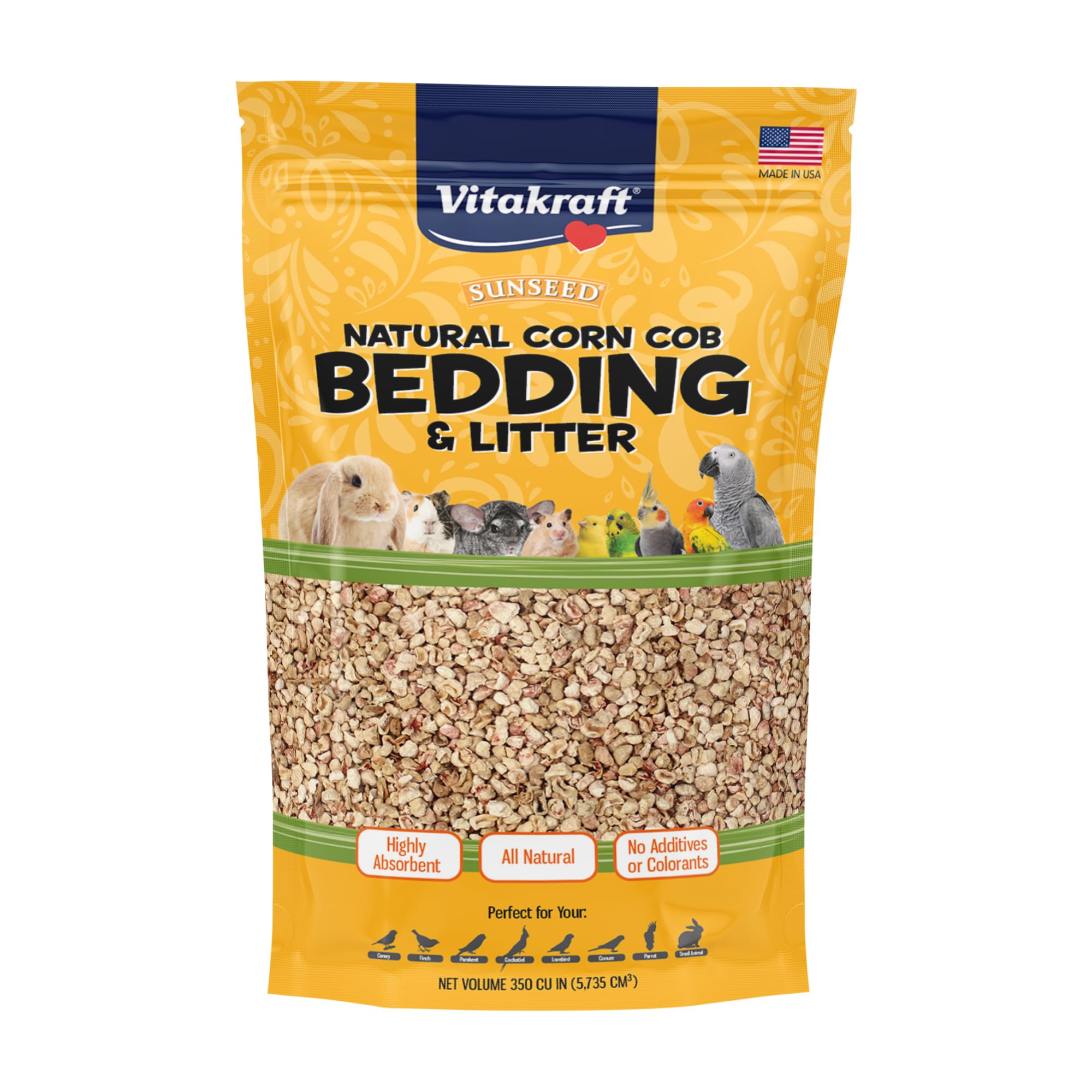
Sunseed Corn Cob

Sunseed Corn Cob

Small bird cages

Our Score 9.2/10
Check Price

Worth Noting

  • Bag is very small; not economical for chicken coop use
Material
Corn cob
Dust Claim
Low dust
Size/Volume
9.9 L
Read the full review

This corn cob bedding absorbs moisture and masks odors well in small cages. The 350 cubic inch bag, however, is too small and costly per volume for chicken coop floors.

Bottom line: A fine choice for parakeets, hamsters, or other small enclosures where a natural, odor-absorbing litter is needed.

9

Manna Pro Pine Shavings

Manna Pro Pine Shavings

Pine coop floors

Our Score 9.2/10
Check Price

Worth Noting

  • Often priced higher than local farm store alternatives for the same volume.
Material
Pine shavings
Dust Claim
Low dust
Size/Volume
4 cu ft
Read the full review

Manna Pro Fresh Flakes offer fresh pine scent and good performance in coops and brooders. The shavings are low-dust and easy to manage. The main downside is price—this bag frequently costs more than equivalent volumes from local farm stores. Some bags also have larger, rougher flakes. If you can't get to a farm store, this works fine; otherwise, save money by buying local.

Bottom line: Buy this if you need pine shavings delivered and can't find a local alternative; otherwise, shop around for better value.

10

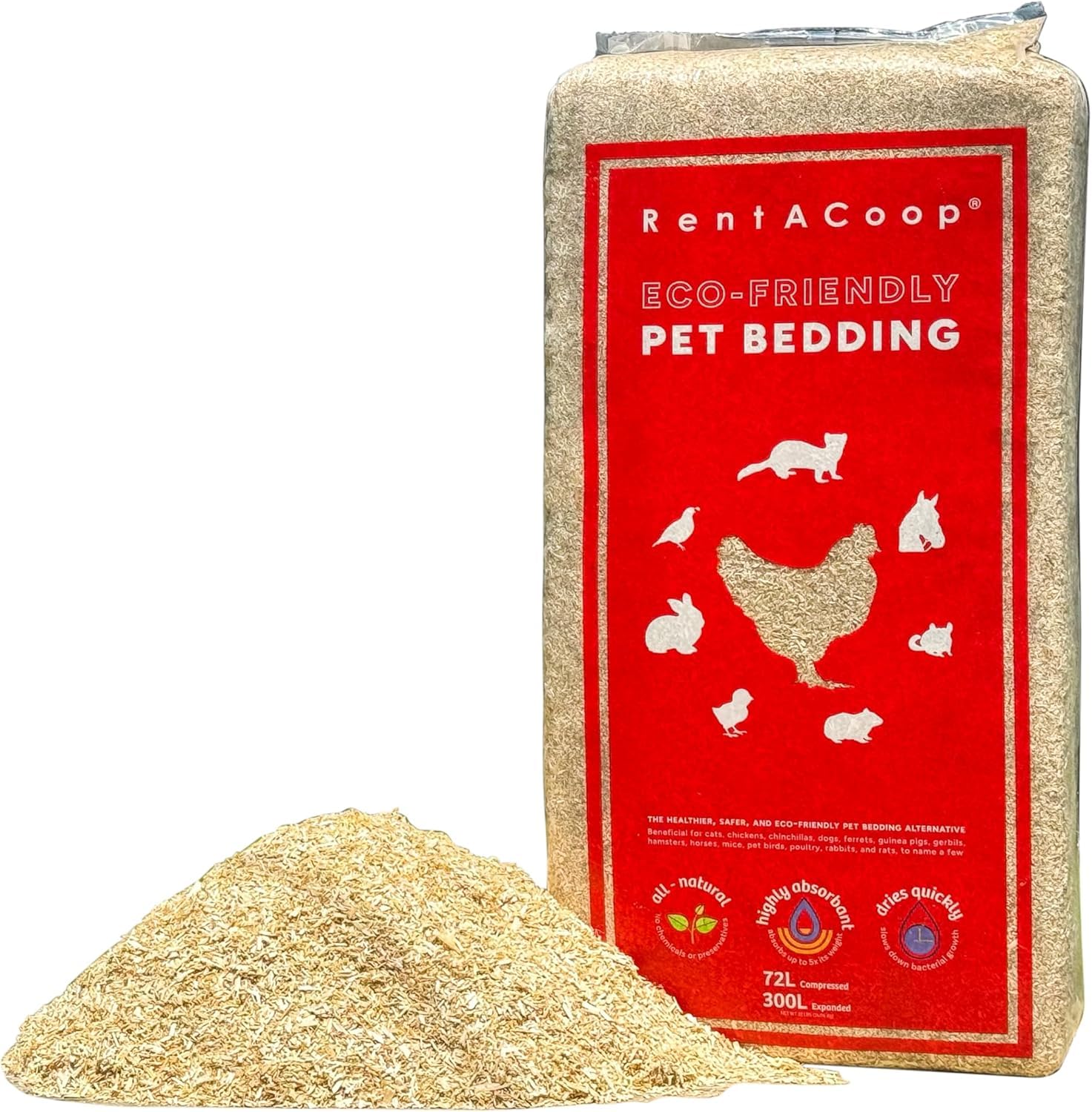
RentACoop Hemp 300L

RentACoop Hemp 300L

Deep litter coops

Our Score 9.0/10
Check Price

Worth Noting

  • Upfront cost is higher than traditional shavings, though per-use cost is competitive for deep litter systems
  • In coops with extremely dust-sensitive birds, some bags produce more dust than expected
Material
Hemp
Dust Claim
Low dust
Size/Volume
300 L
Read the full review

RentACoop's 300L hemp bale absorbs moisture five times better than pine shavings, keeping the coop dry and odor under control for months between full changes. The compressed bale expands to about 10.6 cubic feet, creating a thick, comfortable layer that holds up well under heavy use. Dust levels are generally low, though occasional batches can produce more dust than expected—something to keep in mind if your flock is extra sensitive.

This bale suits owners with large flocks who prioritize the deep litter method and are willing to accept the upfront premium for long-term savings. The dust variance means it's less ideal if you need guaranteed minimal dust; the USA-grown hemp alternative offers similar absorbency at a slightly lower per-liter cost for those who want to save a few dollars.

Open the bag in a well-ventilated area and let it sit a few minutes; any excess dust settles quickly, making it more manageable.

Bottom line: For deep litter method with a large flock, this bale delivers on absorbency and longevity—dust variance is a manageable caveat.

11

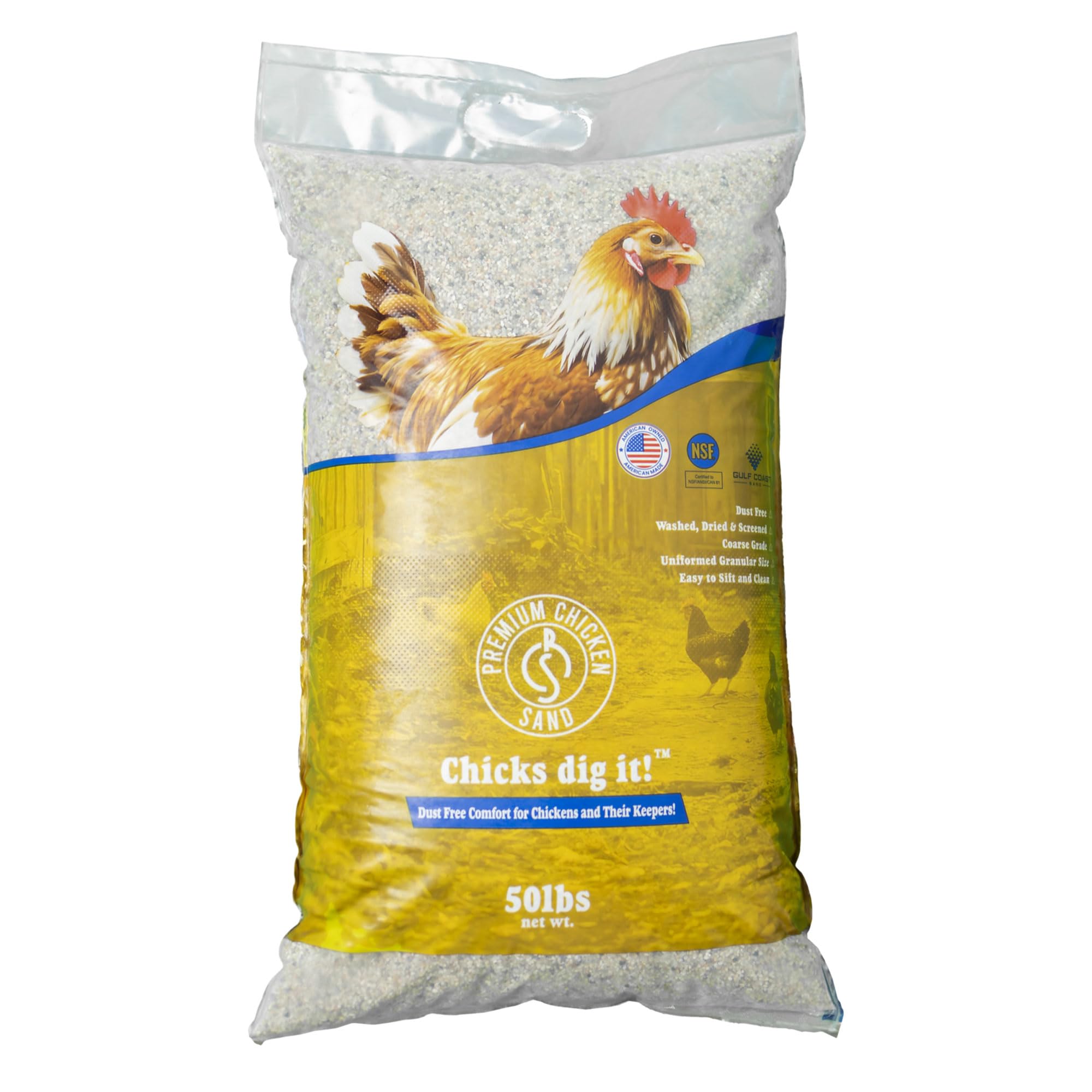
Chicken Sand 50lb

Chicken Sand 50lb

Dry climate runs

Our Score 9.0/10
Check Price

Worth Noting

  • Price is premium compared to bulk sand from local hardware stores
  • Not suitable for wet or freezing climates
Material
Coarse sand
Dust Claim
Dust-free
Size/Volume
50 lbs
Read the full review

Premium Chicken Sand offers a dust-free experience that standard shavings can't match — scooping waste is as simple as clumping cat litter. The tradeoff is twofold: the price per bag is higher than locally sourced construction sand, and the product demands a dry environment; moisture or freezing turns the sand into mud. This makes it the right choice for keepers in arid regions who prioritize clean air and easy maintenance over raw cost.

Store the sand in a dry, covered area and avoid adding water — it absorbs moisture and turns to mud.

Bottom line: For dry-climate keepers who want zero dust and effortless cleanout, this sand justifies its premium — but it's a poor fit anywhere rain or frost is common.

12

Small Pet Select Aspen

Small Pet Select Aspen

Large coop floors

Our Score 9.0/10
Check Price

Worth Noting

  • Dust levels can vary between bags; may require additional ventilation in enclosed coops
  • Odor control may fade after several days in high-moisture conditions
Material
Aspen wood shavings
Dust Claim
Very low dust
Size/Volume
141 L
Read the full review

This aspen bedding delivers exceptional value per liter — one jumbo bag covers a large coop floor with enough left for spot cleaning. The shavings are absorbent, keeping the bedding surface dry even under heavy use, and the material contains minimal debris or foreign matter. Dust levels can vary between bags, so coops with limited airflow may need extra ventilation. That makes it a practical fit for owners who prioritize budget and volume over guaranteed low dust, and who can manage airflow in the coop.

Extra ventilation is recommended if dust sensitivity is a concern; consider opening coop windows or using a fan.

Bottom line: Ideal for budget-focused owners with well-ventilated coops who prioritize volume and absorbency over guaranteed low dust.

13

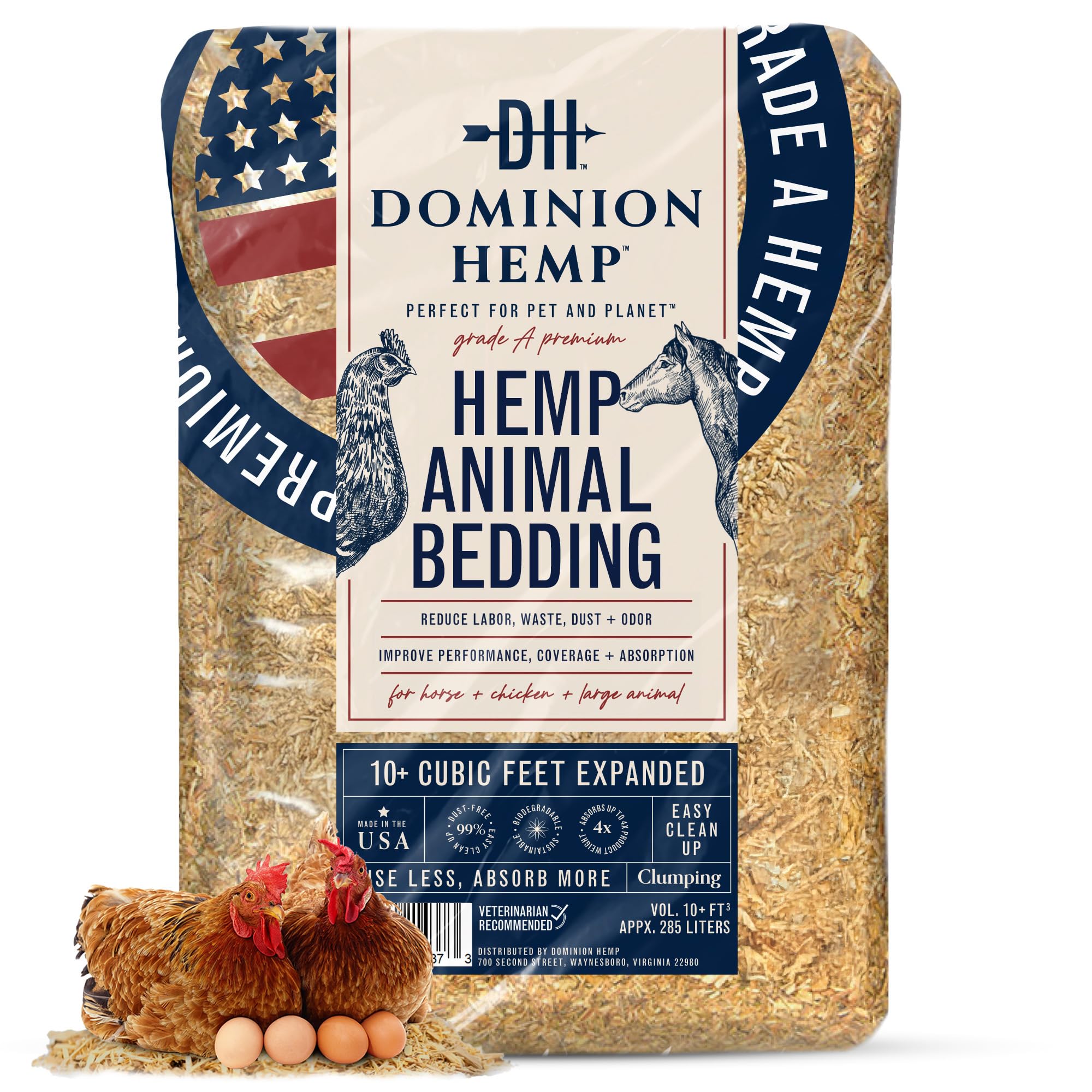
Dominion Hemp 285L

Dominion Hemp 285L

Deep litter alternative

Our Score 9.0/10
Check Price

Worth Noting

  • Dust content can be higher than claimed in some bags
  • Price per bag may not beat local bulk alternatives for buyers near a farm supply store
Material
Hemp
Dust Claim
Low dust
Size/Volume
285 L
Read the full review

Dominion Hemp delivers strong odor control and good moisture management for deep litter setups, using USA-grown fiber hemp that breaks down naturally. For mid-sized flocks running the deep litter method, this 285-liter bale lasts longer than pine shavings and keeps the coop noticeably fresher.

This bedding suits eco-conscious keepers who want a sustainable option without paying full RentACoop prices. Dust levels can vary between bags – some are dustier than expected – so those with respiratory concerns may want to shake it out before spreading. The value is solid against online hemp competitors, though local farm stores may undercut it on cost.

If dust sensitivity is a concern, air out the bale or sift the bedding before adding to the coop.

Bottom line: A practical hemp option for deep litter keepers who prioritize odor control over absolute dust-free conditions.

14

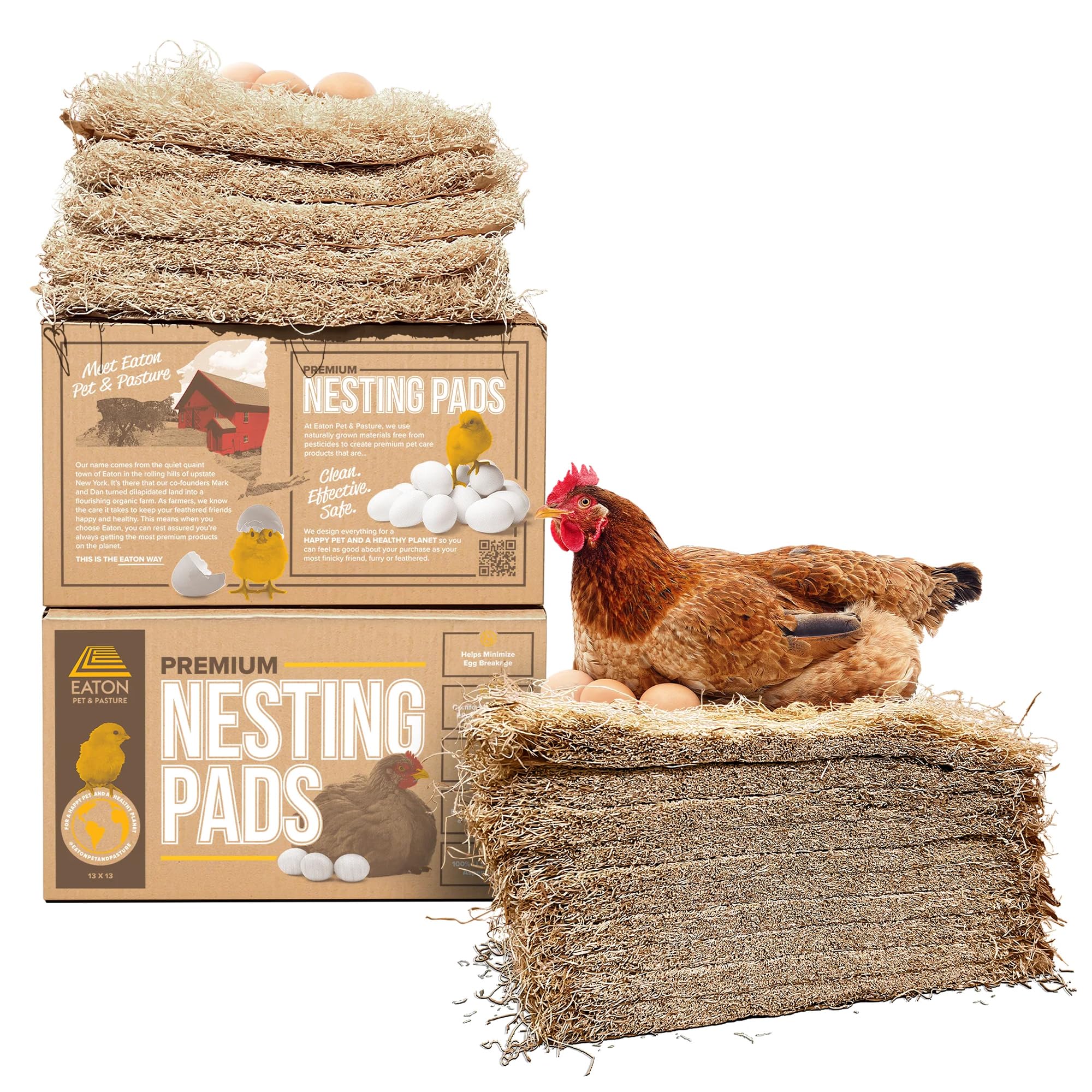
Eaton Nesting Pads

Eaton Nesting Pads

Gentle hen eggs

Our Score 9.0/10
Check Price

Worth Noting

  • Pads can disintegrate quickly under aggressive scratching
Material
Aspen excelsior on paper
Dust Claim
Size/Volume
10 pads
Read the full review

These pads deliver clean eggs with minimal mess thanks to their thick aspen excelsior and moisture-wicking paper backing. However, some pads can disintegrate within a week if hens scratch aggressively, and the price is premium compared to other 10-packs. Better suited for small, gentle flocks than active layers.

Bottom line: Best for owners with docile hens who want spotless eggs and don’t mind paying extra for convenience, but not for flocks that scratch hard.

How to Choose

Material Type

Paper bedding is soft and absorbent but can be dusty in some batches and needs frequent changes for heavy-soiling flocks. Wood shavings (aspen, pine) are natural and affordable but vary in dust content — aspen is generally safer than pine for respiratory health.

Hemp bedding is gaining popularity for its high absorbency and low dust, but it comes at a premium price. Sand offers a dust-free, easy-scoop surface but only works in dry climates and requires regular sifting.

Absorbency and Moisture Control

Absorbency determines how often you need to change bedding. Hemp can hold several times its weight in moisture, making it ideal for deep litter systems where you top up rather than fully replace. Paper absorbs well but odors build up faster, requiring more frequent changes.

Nesting pads with a paper backing wick moisture away from eggs, keeping shells clean. Sand drains quickly but can become muddy if exposed to rain or snow, and pine shavings absorb moderately but can compost in damp conditions.

Dust Level

Dust affects both chicken respiratory health and human comfort. Paper and hemp brands often claim '99.9% dust-free,' but quality control varies — some bags release significant dust when poured. Aspen and pine shavings are naturally dusty, especially the finer particles.

Sand is the only truly dust-free option for coop floors, but it's heavy and needs dry conditions. For nesting boxes, loosely packed aspen or hemp pads minimize airborne particles while still providing cushion.

Ease of Cleaning

Loose bedding like shavings or paper requires a shovel or pitchfork for deep cleans, but spot-cleaning can be done with a gloved hand or small rake. Sand can be sifted with a cat litter scoop, speeding up daily poop removal. Nesting pads lift out in one piece for fast replacement.

The trade-off: loose bedding is cheaper per volume but takes more effort to clean thoroughly. Nesting pads are convenient but need to be replaced entirely when soiled, and sand requires a sifting routine that may not suit everyone.

Value per Volume

The upfront cost per bag doesn't tell the full story. A premium hemp bale at $70 may last 3-4 months in a deep litter coop, while a $15 bag of paper might need weekly changes for the same space. Calculate cost per day or per coop fill to compare fairly.

Pine shavings bought in bulk from a farm supply store often cost half the online price. Nesting pads range from $2-$4 per pad; thicker pads last longer but cost more. Sand from a hardware store is far cheaper than branded 'chicken sand'.

Frequently Asked Questions