Poultry & Livestock

12 Best Chicken Coop Heater of 2026: Long-Lasting Heat Without Fire Hazard

Choosing the wrong chicken coop heater means cold birds, fire danger, or a dead unit in a year. This guide picks safe, effective heaters for your setup.

Many chicken coop heaters fail to warm birds beyond a few feet or stop working after a single winter. The confusion comes from assuming all heaters are equal, when the real difference is in wattage, heat method, and build quality.

The core trade-off is between upfront cost and long-term reliability. Paying more for a rugged radiant panel often means years of service, while cheaper options may need replacing after one season. Your climate and flock size decide which makes sense.

Understanding wattage requirements and safety certifications keeps you from buying a heater that either underperforms or becomes a fire risk. This guide cuts through the marketing to show which heaters actually deliver on their promises.

1

LUCKY HERP 250W Bulb

Top Pick
LUCKY HERP 250W Bulb

Emergency or temporary

Our Score 9.4/10
Check Price

Worth Noting

  • Glass bulb can shatter on impact and red coating may peel, shortening usable life
Safety
Wattage
250W
Coverage
Spot heating
Read the full review

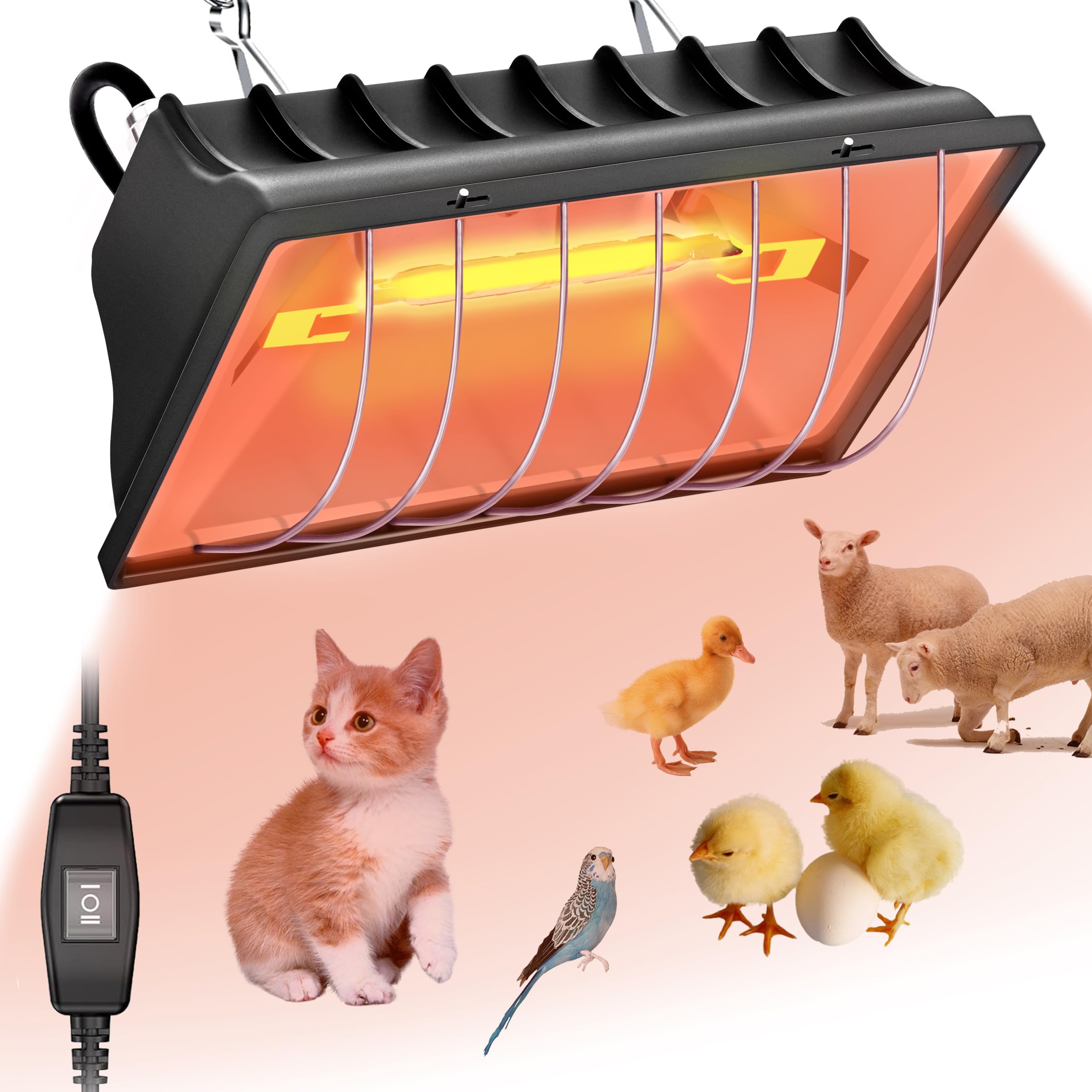
The LUCKY HERP 250W bulb delivers strong heat output at a very low price, making it a budget-friendly option for temporary or emergency heating. However, the bulb's glass can shatter on impact, the red coating may peel, and it poses a fire hazard if left unattended – this combination of fragility and safety concerns means it is best suited for temporary use where supervision is possible.

Bottom line: A budget-friendly emergency heat source for short-term needs where you can monitor the bulb closely.
2

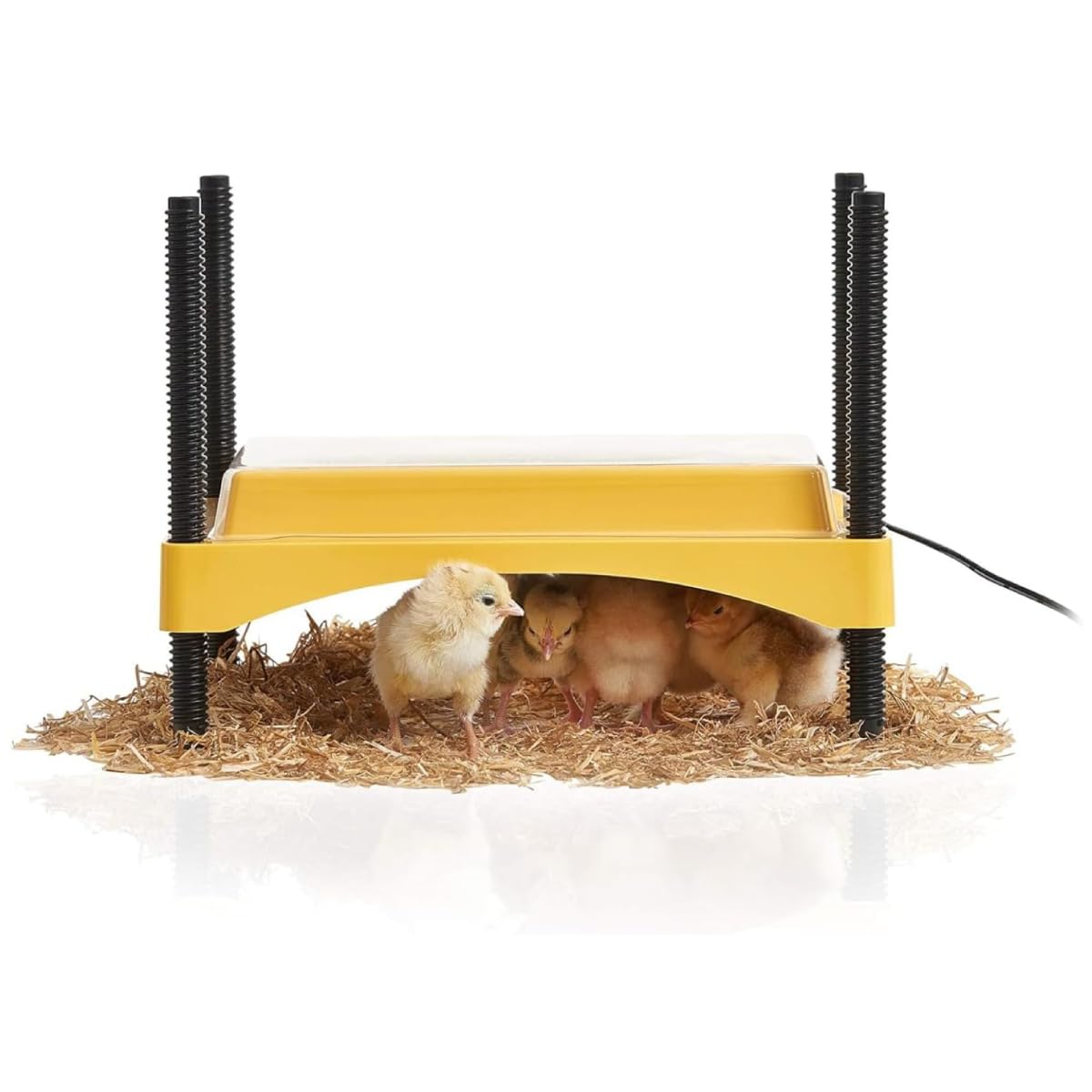
RentACoop 10x10" Plate

RentACoop 10x10" Plate

Small brooder setups

Our Score 9.2/10
Check Price

Worth Noting

  • Heat output may be insufficient in rooms below 60°F, requiring a backup source
Safety
Overheat protection
Wattage
15W
Coverage
15 chicks
Read the full review

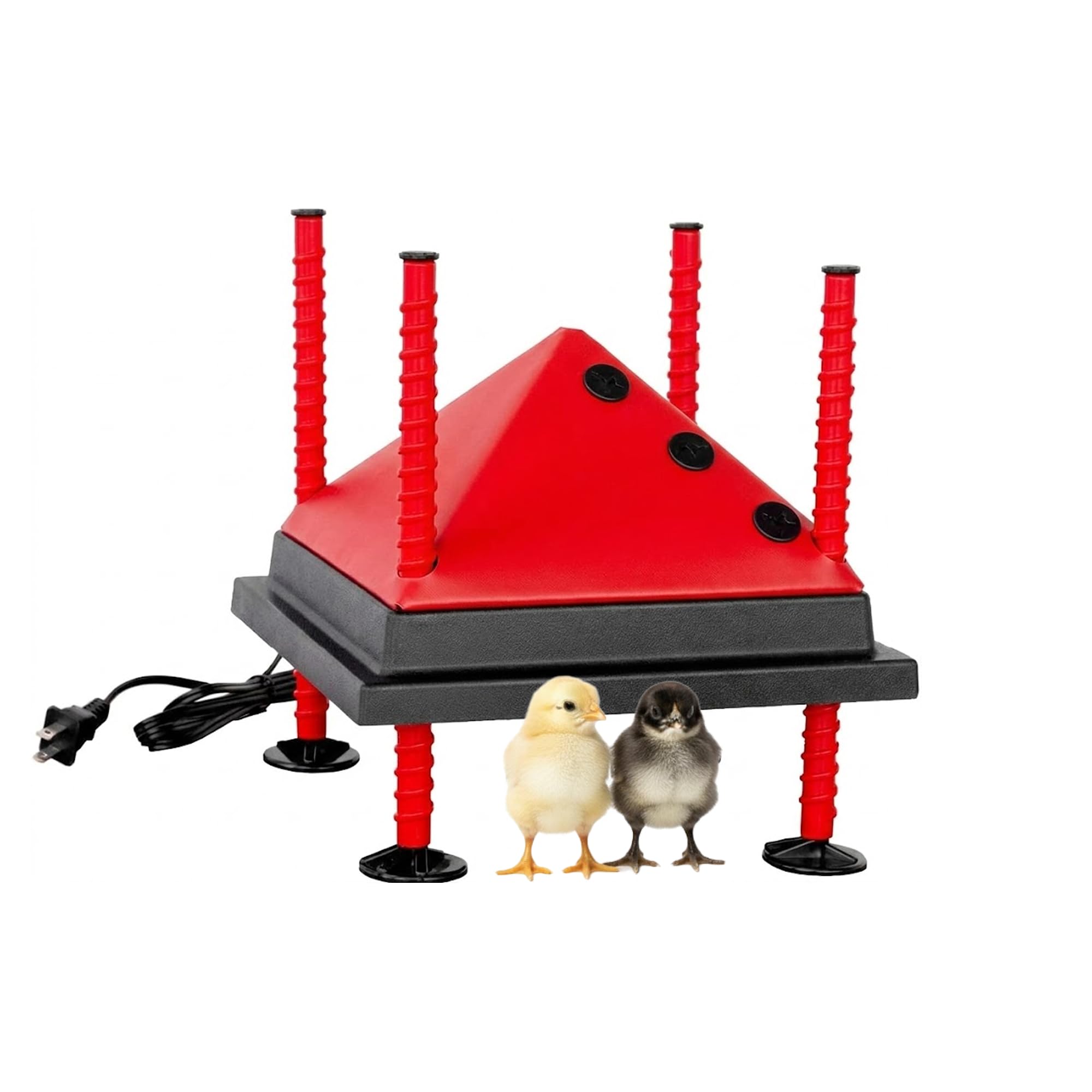
With 25 height adjustments and overheat protection, this plate lets chicks warm themselves without the fire risk of heat lamps. It requires room temperatures above 60°F — below that, chicks may need a supplemental heat source, making it best suited for indoor brooding in mild climates rather than unheated garages or winter coops.

Keep a backup heat source ready if brooding in a room that drops below 60°F.

Bottom line: A good fit for indoor chick brooding in mild climates, but not a substitute for a winter coop heater.

3

Sweeter Heater 150W

Sweeter Heater 150W

Barn & large coop

Our Score 9.0/10
Check Price

Worth Noting

  • During initial break-in, a chemical odor can be noticeable in enclosed coops
  • The premium cost limits accessibility for those with tight budgets or small flocks
Safety
Wattage
150W
Coverage
Read the full review

This heater uses radiant warmth to heat birds directly without raising ambient air temperature across a large coop. The 150W panel draws less power than a heat lamp while maintaining safe surface temperatures, and an automatic shutoff triggers if airflow is blocked. Owners have reported several years of service with consistent heat output in extreme cold.

The upfront cost is premium, and a temporary chemical odor during the first few hours of use can be noticeable in an enclosed coop. This makes the Sweeter Heater best for serious poultry keepers in climates where cheaper alternatives would need replacement after one season. Buyers with small flocks or tight budgets may find the investment harder to justify.

Allow a few hours of burn-in in a ventilated area to clear the initial chemical odor before introducing birds.

Bottom line: For poultry keepers who face harsh winters, the Sweeter Heater offers a long-term solution that avoids the replacement cycle of cheaper alternatives.

4

Brinsea Ecoglow 600

Brinsea Ecoglow 600

Chick brooding indoors

Our Score 9.0/10
Check Price

Worth Noting

  • In cool rooms below 60°F, chicks may not get enough warmth from the 12W plate.
  • Plastic legs can snap under weight, and heat output may decline after months of use.
Safety
Wattage
12W
Coverage
20 chicks
Read the full review

The Brinsea Ecoglow 600 puts safety first with 12V low-voltage operation that removes the fire hazard inherent to heat lamps. Its radiant plate warms up to 20 chicks without a glowing bulb. But the 12W output is modest — chicks in rooms below 60°F may not stay warm enough, and the plastic legs can snap if handled roughly. This is best for indoor brooding in mild conditions where safety matters more than maximum warmth or long-term durability.

Hand-tighten the leg adjustments — overtightening can crack the plastic.

Bottom line: Choose this for worry-free, low-fire-risk brooding in a temperature-controlled space — but plan on replacing it sooner than a more robust unit.

5

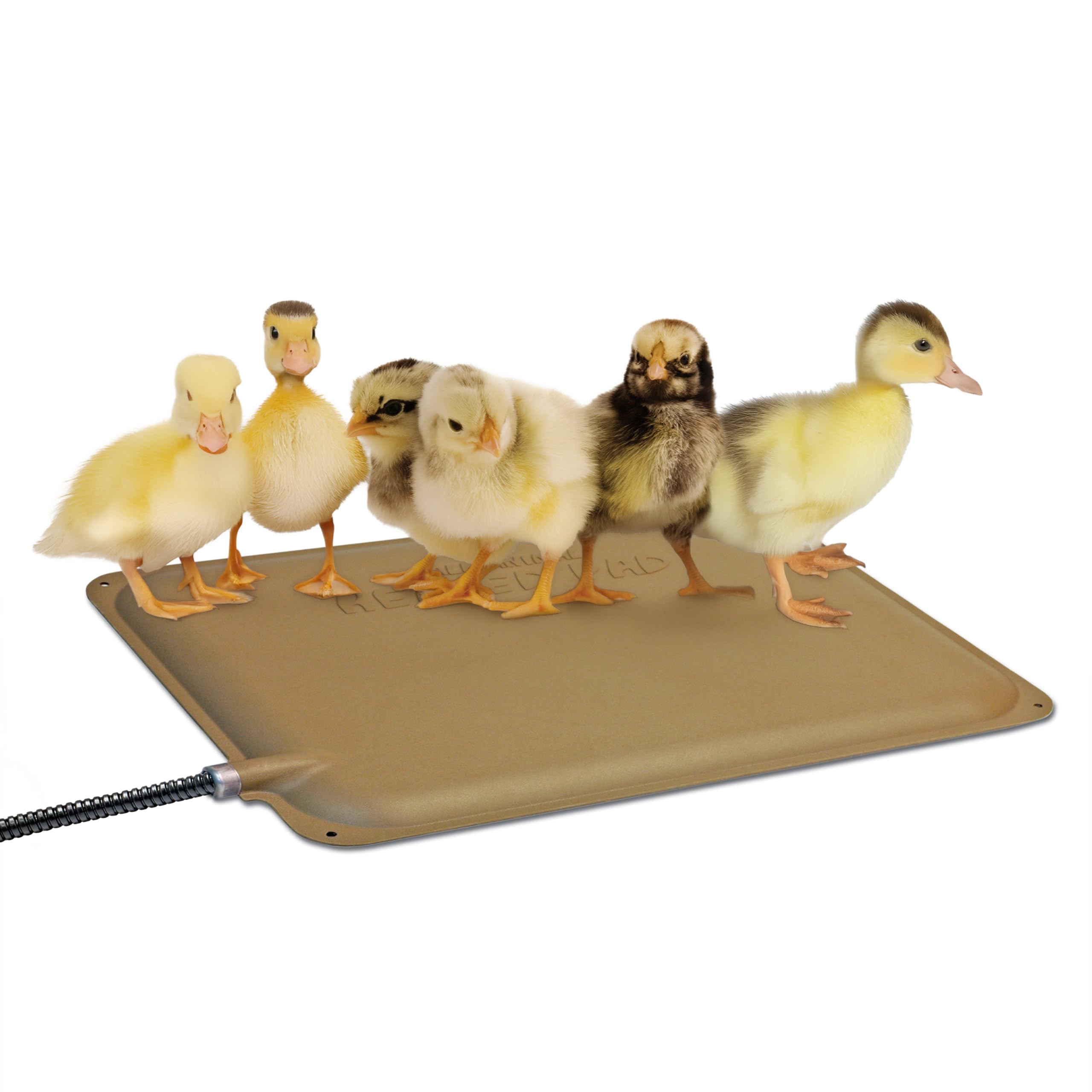
K&H Thermo-Peep Pad

K&H Thermo-Peep Pad

Contact warmth, chicks

Our Score 9.0/10
Check Price

Worth Noting

  • In a brooder that drops below 60°F, this pad alone won’t keep the air warm enough for chicks that wander off.
  • A small number of units have stopped working within days or weeks, so buying from a retailer with easy returns is sensible.
Safety
MET safety listed
Wattage
25W
Coverage
Read the full review

The K&H Thermo-Peep Pad delivers steady contact heat through a durable ABS plastic surface that stands up to pecking and is simple to wipe clean. Unlike ambient heaters, this 25W pad works only when birds sit directly on it, making it a targeted spot warmer rather than a whole-coop solution. It attaches easily to brooder walls and is safe enough for small animals like hedgehogs or guinea pigs that also seek belly heat.

This pad suits keepers who brood chicks that naturally huddle together or need a supplemental warm patch in a draft-free area. It does not raise the air temperature, so active birds or adult hens that avoid the pad won’t benefit. Occasional units have stopped working after short use, so checking function early is wise.

Mount it on the brooder wall so chicks have access to the pad while still being able to move away to cooler areas.

Bottom line: Best for chick brooding where contact heat is sufficient, not for winterizing an adult hen coop.

6

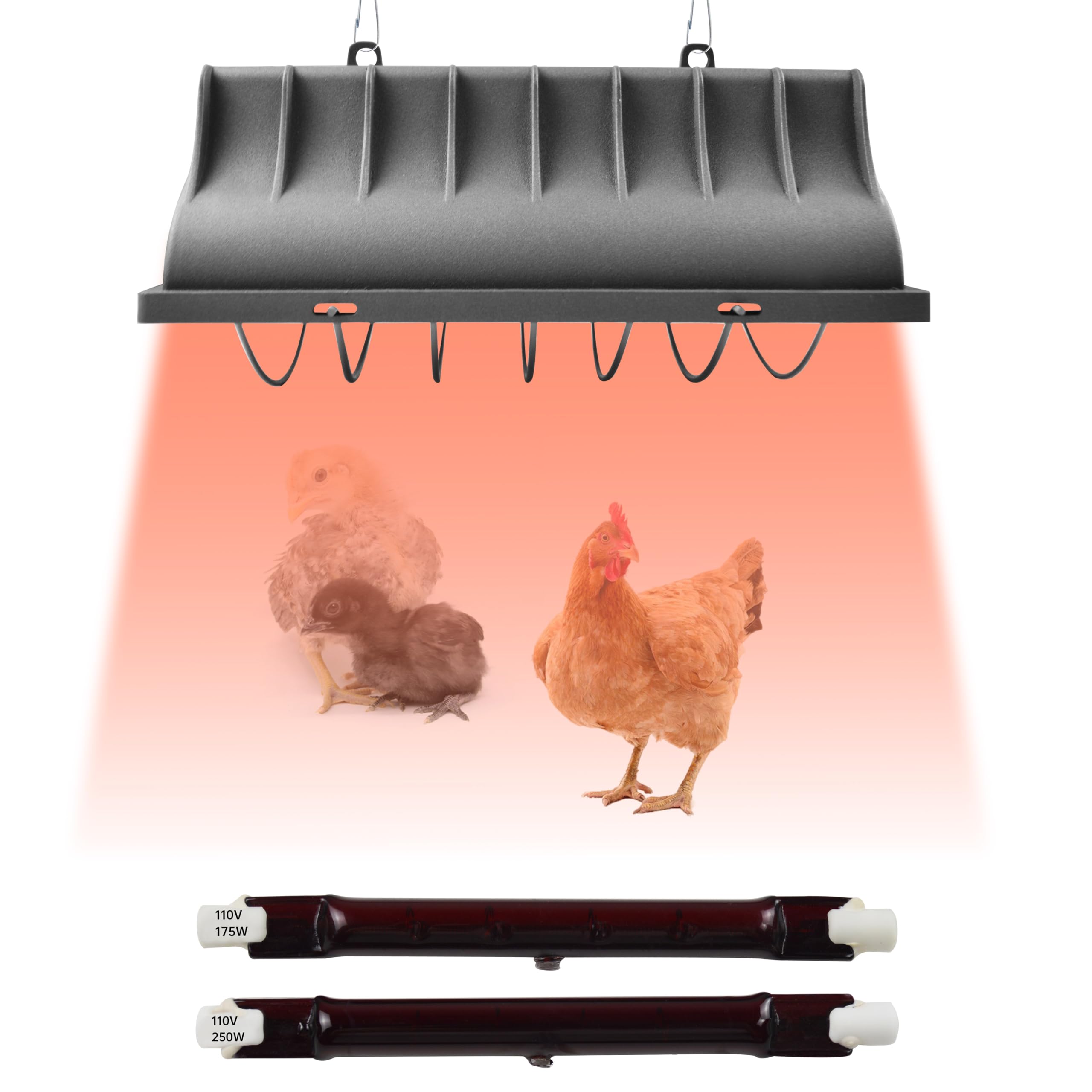
JUSONEY Lamp Kit

JUSONEY Lamp Kit

Temporary brooding

Our Score 9.0/10
Check Price

Worth Noting

  • Heat lamps are a fire risk
Safety
UL wire, metal guard
Wattage
175/250W
Coverage
Spot heating
Read the full review

This budget heat lamp kit delivers strong spot heat with two wattage options and a spare bulb, ideal for short-term brooding or emergency backup. However, heat lamps carry an inherent fire risk and the bright red light can disturb chickens' sleep – a safer long-term solution like a radiant panel heater is better for permanent use.

Bottom line: A quick fix for emergency heat or short-term brooding when budget is tight, but not a substitute for a safe, long-term coop heater.

7

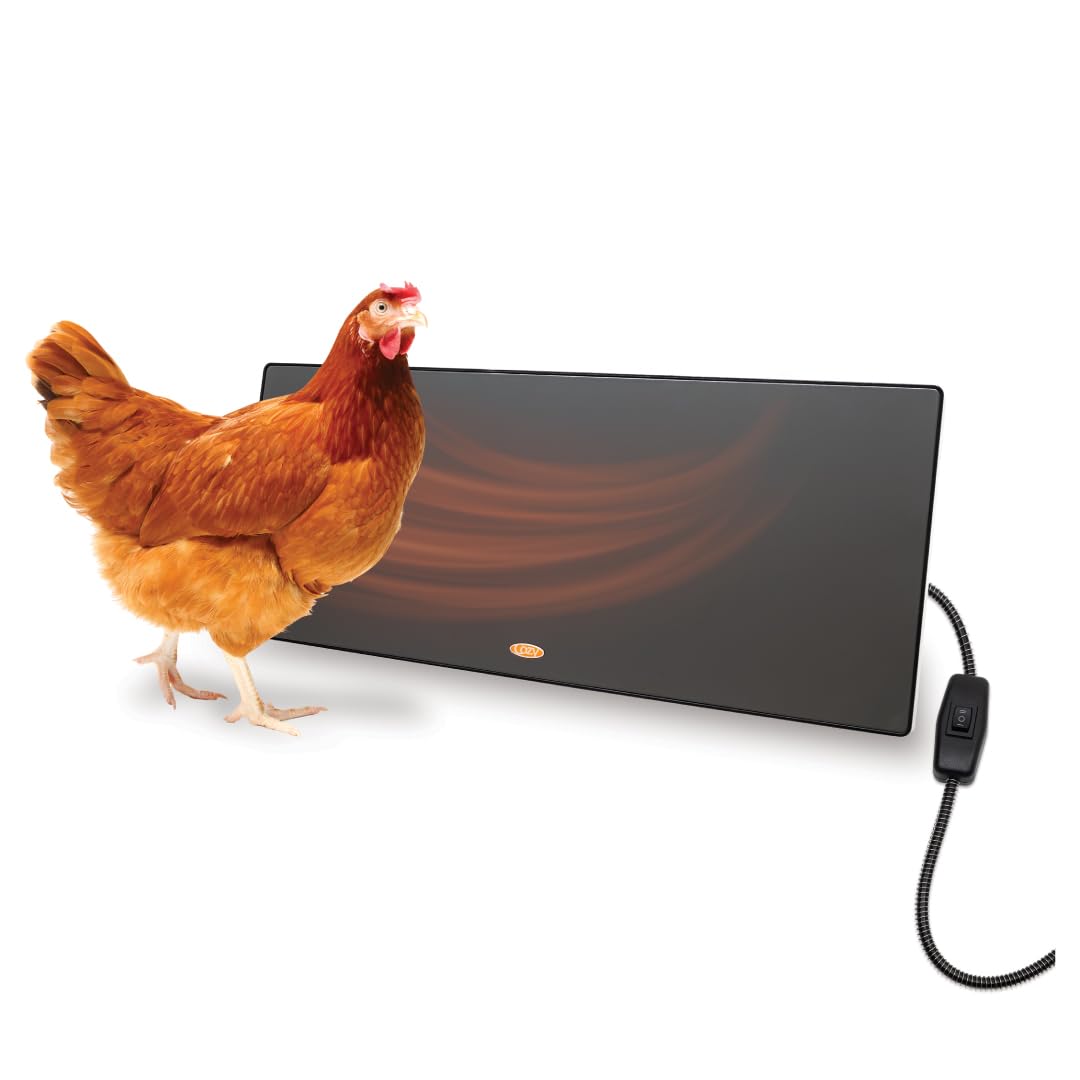
Cozy Coop 200W Panel

Cozy Coop 200W Panel

Mild winter climates

Our Score 8.8/10
Check Price

Worth Noting

  • In prolonged subzero temperatures (below -10°F), heat output may not keep the coop warm enough
  • The power switch or thermal protector can stop working after a single season of use
Safety
ETL listed
Wattage
200W
Coverage
Read the full review

The Cozy Coop mounts securely on a wall or stand and delivers 200 watts of radiant heat, enough to take the edge off in a small well-insulated coop. For climates where winter lows stay above 20°F, it reduces chill without the fire risk of heat lamps. Its surface stays below 170°F on the back, and the front warms birds directly. However, durability is a concern — the power switch or thermal protector can stop working within a year, and in prolonged subzero temperatures the heat output isn't enough to keep the coop comfortable. This heater suits mild climates and small flocks of 3-5 hens; for harsher winters or long-term value, the Sweeter Heater has a better track record.

Bottom line: Buy this if you need supplemental heat in a mild climate and want an affordable wall-mounted panel; for extreme cold or years of service, consider a more durable option.

8

Pitalok 10x10 Plate

Pitalok 10x10 Plate

Small batch brooding

Our Score 8.8/10
Check Price

Worth Noting

  • Heat output is marginal in rooms below 60°F
Safety
Wattage
15W
Coverage
15 chicks
Read the full review

The removable acrylic top lifts off for quick wipe-downs, reducing mess and bacteria buildup after each feeding. Height adjustment through 25 positions lets the plate rise as chicks grow. In a room below 60°F, the heat output is marginal — chicks may cluster directly under the plate rather than spread out. This plate suits small batches of quail or chicks in a warm house, not unheated barns or winter brooding.

Bottom line: Works well for small batches of chicks or quail in a warm indoor space, but avoid relying on it in unheated garages or when temperatures drop below 60°F.

9

Chickcozy Smart 200W

Chickcozy Smart 200W

Tech-oriented keepers

Our Score 8.8/10
Check Price

Worth Noting

  • For sustained sub-freezing temperatures, heat output may be inadequate and unit durability can be a concern
Safety
UL & FCC certified
Wattage
200W
Coverage
Read the full review

The Chickcozy Smart 200W heater uses a built-in temperature sensor to automatically adjust its radiant heat output, which is convenient for small coops in mild climates. The unit mounts easily and produces no exposed hot surfaces. However, for sustained sub-freezing temperatures the heat output may fall short, and some units have been noted to stop producing heat within a few months. This makes it a secondary option rather than a primary winter heater.

Bottom line: A smart option for mild climates where auto-adjust is useful, but not for cold winters or long-term reliability.

10

K&H Brooder 40W

K&H Brooder 40W

Large brooder boxes

Our Score 8.8/10
Check Price

Worth Noting

  • In cool rooms, heat output may not be sufficient for chicks under a week old.
Safety
MET certified
Wattage
40W
Coverage
30 chicks
Read the full review

This plate delivers safe radiant heat over a broad surface, and the smooth plastic top wipes clean easily after each batch. However, temperature consistency can vary — in cooler rooms, the heat may be too low for very young chicks, requiring a warmer brooder environment. The legs and heating element have shown occasional wear after a few uses, making this better suited for short-term brooding rather than repeated seasons.

Bottom line: Fits best as a temporary brooder plate for a large batch of chicks in a warm indoor room, when you don't plan to reuse it for multiple seasons.

11

ETSSXYSO 250W Lamp

ETSSXYSO 250W Lamp

Small coops

Our Score 8.8/10
Check Price

Worth Noting

  • Some units may stop working after a short period of use.
Safety
Bulb guard, anti-fall
Wattage
250W
Coverage
Read the full review

This lamp puts out strong heat for its size and is easy to hang. However, some units may stop working after a short period, and the shade is smaller than expected, limiting coverage for larger coops. It works as a backup or for small spaces, but not as a primary long-term solution.

Bottom line: Best for those who need a cheap, hot lamp for occasional use and can accept the possibility of early unit failure.

12

Tiflev 10x10 Plate

Tiflev 10x10 Plate

Ultra-budget experiments

Our Score 8.6/10
Check Price

Worth Noting

  • Heat output can be insufficient in cooler rooms, causing chicks to huddle for warmth.
Safety
Flame-retardant, HIPOT
Wattage
15W
Coverage
15-20 chicks
Read the full review

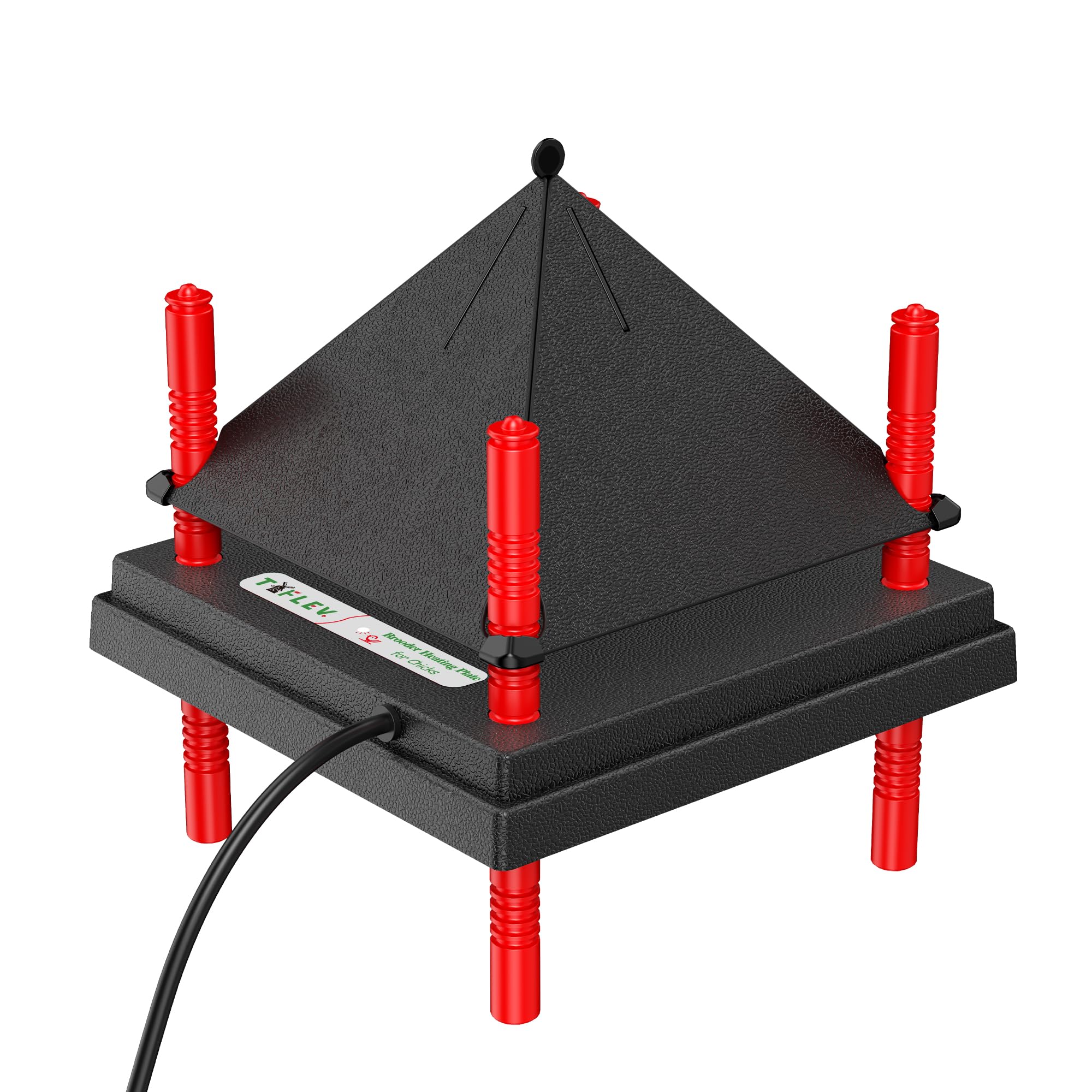
This 10x10 plate assembles in minutes and its anti-roost cone keeps droppings off the heating surface. Heat output, however, may leave chicks shivering if the room dips below 60°F. With few reviews and some units not warm enough, it is a gamble for serious brooding but works for small, indoor experiments on a tight budget.

Bottom line: Worth trying only if you are experimenting with a small batch of chicks in a warm indoor room and want the lowest possible upfront cost.

How to Choose

Wattage and Heat Output

Wattage is the single most important specification. A 150W radiant heater can keep a small coop above freezing in mild winters, while 12W to 40W plates are only enough for brooding chicks in a warm room. In freezing climates, 250W lamps or 150W+ panels are necessary, but they come with higher power draw and safety considerations.

The real trade-off: higher wattage heats better but increases fire risk if the unit isn't properly certified. Low-wattage plates are safer but only work when birds huddle directly under them. Match wattage to your coldest expected temperature and coop insulation.

Safety Certifications

ETL, UL, or MET certifications mean the heater has passed specific safety tests for overheating, short circuits, and flammable materials. Uncertified heaters may still work, but they lack third-party verification. For unattended overnight use, certified units reduce the chance of fire.

The hidden factor: certification does not guarantee the heater won't fail; it only means the design met standards at time of testing. Durability still depends on build quality, which is why some certified units still stop working after a season.

Adjustability

Adjustable height and angle allow you to dial in the exact distance from birds. Chicks need the plate close (1-2 inches) to feel warmth, while adult hens can be a few inches away. Non-adjustable heaters force you to compromise, often leaving birds too far or too close.

Over time, birds grow and change roosting habits. A heater that can move up or down extends its usefulness across multiple broods or seasons.

Coverage Area

Coverage is usually listed as 'up to X chicks' or 'XX square feet.' This is a best-case number assuming the heater is directly above birds in a draft-free space. In reality, a plate rated for 20 chicks may only warm a cluster of 10 if the room is cold or the birds are spread out.

For adult hens, coverage area matters less because radiant heat only warms birds directly in front of the panel. A long panel (like the Sweeter Heater's 40-inch length) covers more birds than a square plate.

Durability Track Record

Popular models often fail within a year due to broken legs, faulty switches, or dead elements. Reading recent negative reviews reveals common failure patterns rather than relying on overall ratings. A 3-year warranty is a strong signal of expected longevity.

The hidden cost: a cheap $30 heater that dies after one season costs more per year than a $150 heater that lasts a decade. Factor in replacement time and frustration when deciding your budget.

Frequently Asked Questions