Greenhouses & Hydroponics

6 Best Cold Frame of 2026: Pick the Right Height for Your Garden

Find the true low-profile cold frame for season extension and seed starting — not a tall cabinet or mini greenhouse. Match size, material, and durability to your garden needs.

Many products sold as cold frames are actually tall mini-greenhouses or cabinets. This makes it hard to find the classic low-profile design that sits close to the ground and protects plants through winter.

We’ve sorted through the options to highlight the key differences in height, material, and durability that actually matter when you’re trying to extend your growing season or start seeds. Whether you need a budget-friendly starter or a long-term investment, the right choice comes down to matching the build to your climate and expectations.

The biggest decision is between a sturdy, premium cold frame that will last a decade and a low-cost option that gets the job done for a season or two. Both have their place, but knowing where each excels helps you avoid wasted money.

1

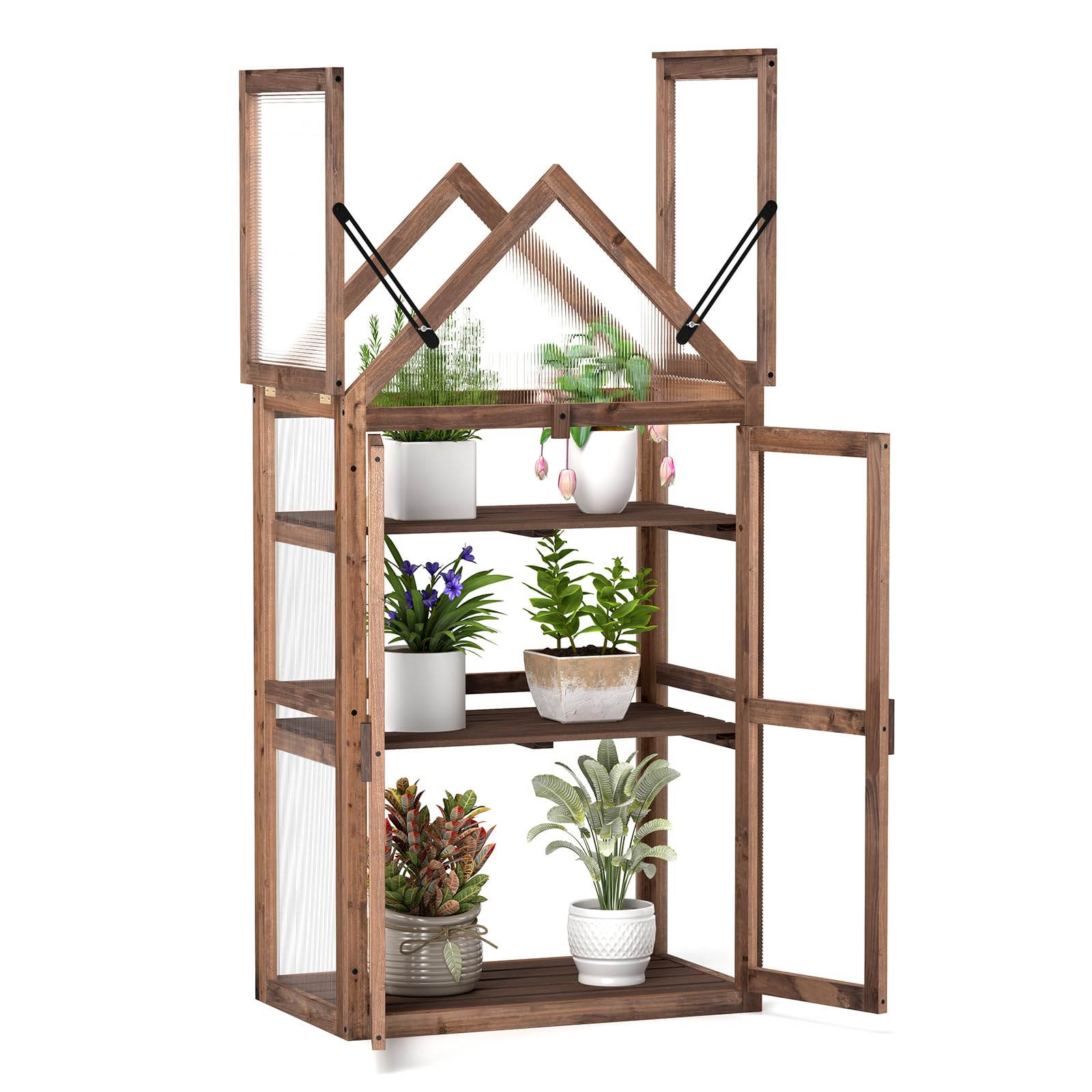
MCombo Wooden Cold Frame

Top Pick
MCombo Wooden Cold Frame

Decorative patio use

Our Score 8.8/10
Check Price

Worth Noting

  • In uncovered outdoor spots, the wood may warp over time if left unsealed; this is less of a concern on a covered patio.
  • For those who need a durable unit that can be moved often, the lightweight build may feel less robust.
Height
28"
Assembly
Easy, numbered parts
Ventilation
Openable roof with support rods
Cover Material
Polycarbonate
Read the full review

The MCombo's two-tier design and painted fir wood finish set it apart from basic cold frames, adding a decorative plant stand for a balcony or deck. Unlike entry-level models that focus solely on plant protection, this unit serves as a display piece. However, the wood arrives unsealed, so it needs a protective coating if placed in exposed areas.

This cold frame suits first-time gardeners who want an attractive, easy-to-assemble unit for a sheltered patio. Assembly takes about 30 minutes with the numbered parts, and the two tiers provide enough space for a few seed trays or decorative plants. It is less suited for those expecting a weather-resistant outdoor structure or a traditional low-profile cold frame.

Apply a weather sealant to the wood before outdoor use to prevent warping.

Bottom line: This cold frame is a good fit for beginner gardeners on a covered patio who prioritize appearance over weather resistance.
2

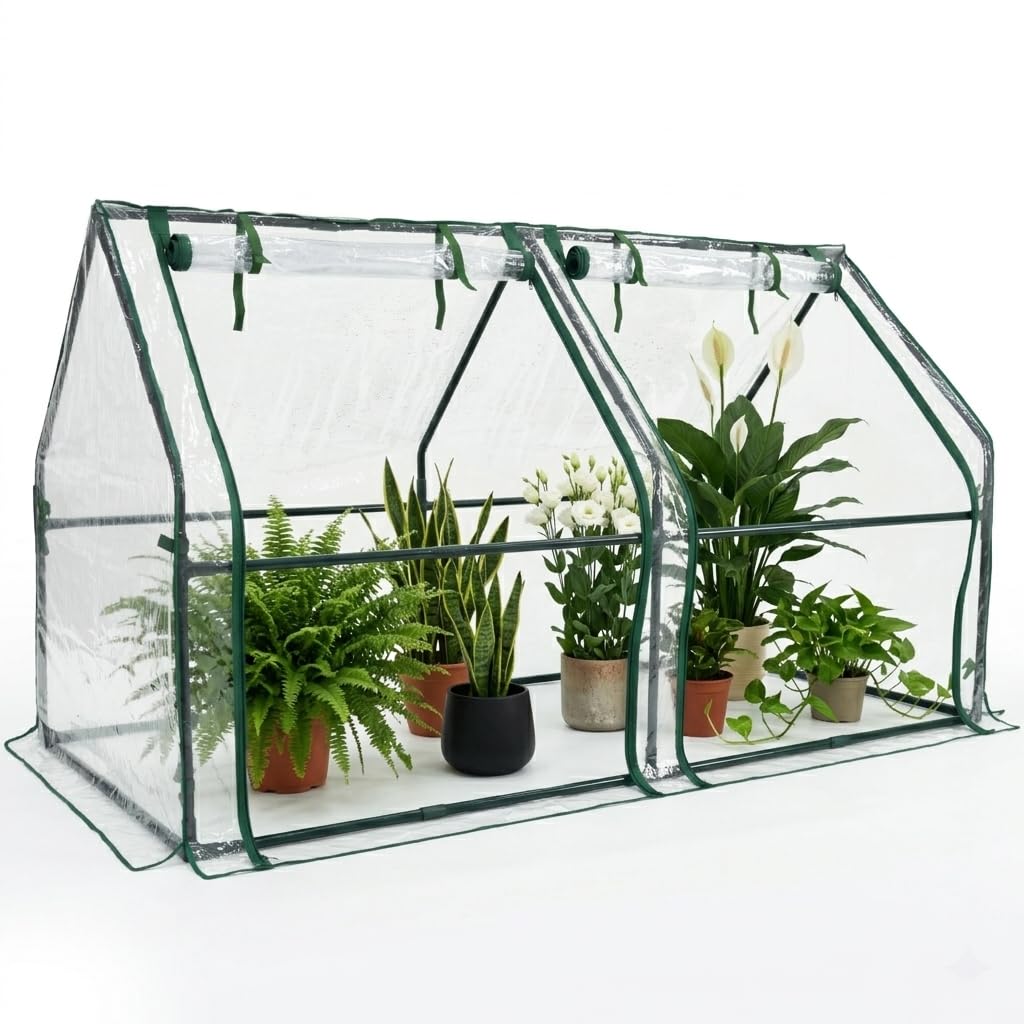
Gardzen Mini Greenhouse

Gardzen Mini Greenhouse

Budget seed starting

Our Score 8.8/10
Check Price

Worth Noting

  • The zipper may show defects on first use in some units.
Height
43"
Assembly
Easy, clear instructions
Ventilation
Roll-up zippered door
Cover Material
Polyethylene (PE)
Read the full review

The Gardzen Mini Greenhouse provides a spacious 71x36x42-inch interior at a budget-friendly price, suited for seed starting or overwintering plants in a sheltered patio or mild climate. Assembly is simple, and the cover helps retain warmth. That height makes it a walk-in greenhouse rather than a low-profile cold frame. The polyethylene cover can tear in wind, and the provided stakes may not anchor it firmly — durability is limited for long-term outdoor use.

Bottom line: This works as a temporary greenhouse for seed starting on a sheltered balcony or patio, where wind exposure is minimal.

3

BioStar 1500 Cold Frame

BioStar 1500 Cold Frame

Cold climate gardens

Our Score 8.6/10
Check Price

Worth Noting

  • Assembly requires drilling for the optional vent opener and can be time-consuming; missing hardware noted in some cases.
  • Upfront cost is higher than many other cold frames of similar size, limiting its appeal to budget-focused buyers.
Height
15"
Assembly
Challenging, missing parts
Ventilation
Three opening windows, auto vent
Cover Material
Twin-wall polycarbonate
Read the full review

The JUWEL BioStar 1500 uses an aluminum frame paired with 8mm twin-wall polycarbonate panels backed by a 10-year UV guarantee — a combination that resists yellowing, warping, and impact far longer than the plastic or wood alternatives on the market. This design traps heat effectively, which owners report keeps tender plants alive through sub-zero nights.

The cold frame's three top-opening windows allow adjustable ventilation, and adding the automatic opener (sold separately) maintains a steady temperature without manual intervention — though installing that opener requires drilling into the polycarbonate. Several long-term owners note the frame has remained watertight and structurally sound after a decade of exposure.

This cold frame is built for gardeners in cold climates who need dependable winter protection and plan to own the same structure for a decade or more. The tradeoff: assembly requires time, a drill, and careful reading of the instructions — some units have arrived with a missing screw or bracket, though the overall construction quality is very high. If you want a no-tools setup or a lower upfront investment, a budget alternative may better suit your timeline.

Plan for an afternoon of assembly; the instructions are thorough but demand careful attention and a power drill for the optional auto vent.

Bottom line: For the gardener who treats overwintering as a serious investment rather than a seasonal experiment, the BioStar 1500 delivers a level of durability that budget frames simply cannot match — provided you're willing to spend a Saturday with a drill.

4

Outsunny Wooden Cold Frame

Outsunny Wooden Cold Frame

Budget classic cold

Our Score 8.6/10
Check Price

Worth Noting

  • In cold climates, the single-layer polycarbonate top provides less insulation than twin-wall panels, reducing frost protection.
  • The untreated wood frame can absorb moisture and may rot in damp environments without a protective sealant.
Height
16"
Assembly
Ventilation
Openable tilted top cover
Cover Material
Polycarbonate
Read the full review

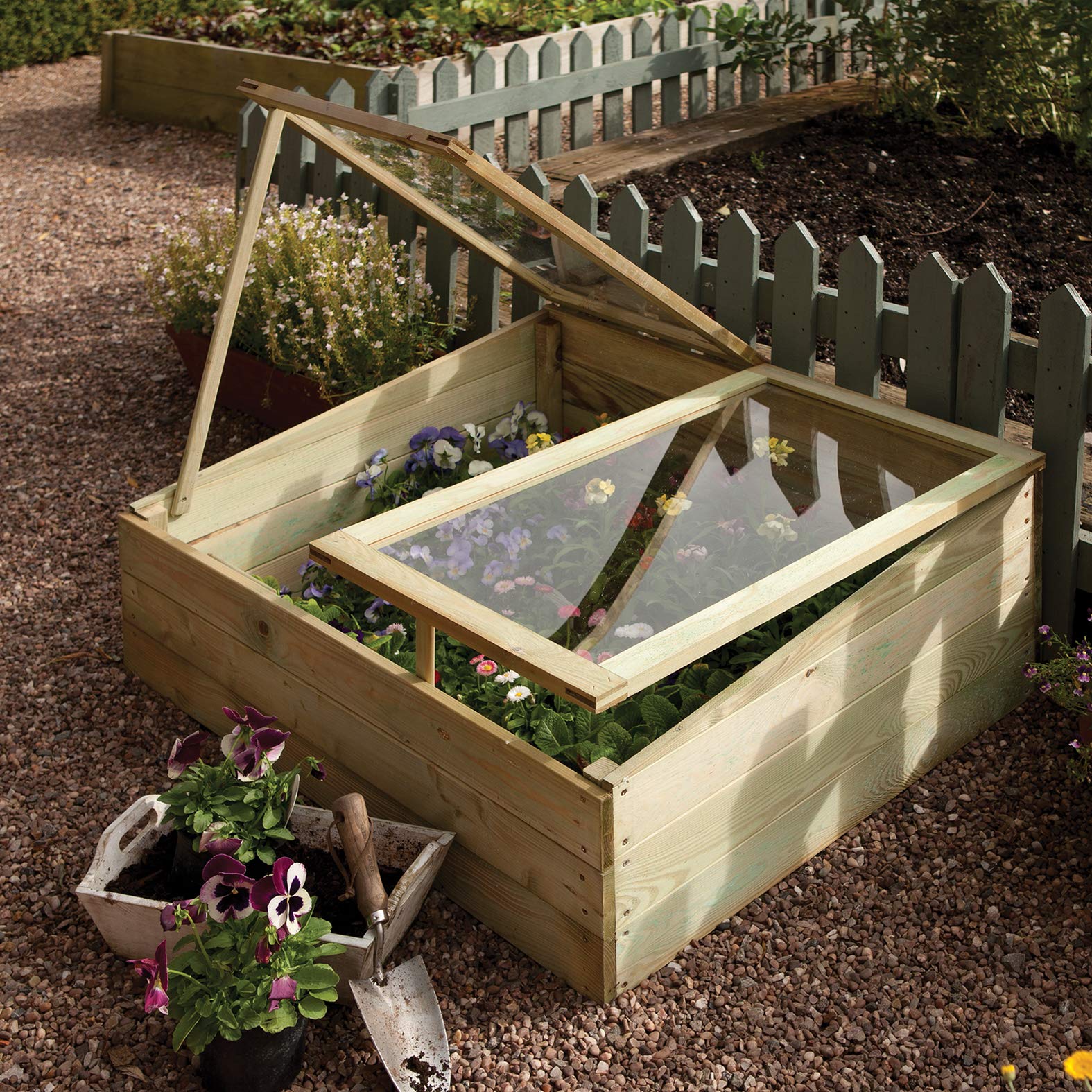
A traditional sloped-roof cold frame measuring 40x26x16 inches with a polycarbonate top, this Outsunny model lands at the lowest price point in our comparison. The wood frame keeps upfront costs down while offering a familiar shape for seed starting and frost protection, though no detailed consumer reports are available to confirm assembly ease or real-world durability.

This cold frame suits budget-conscious gardeners who prioritize classic dimensions and low cost over verified consumer feedback. First-time users will find the size fits standard seed trays, but should plan to apply their own weatherproofing to the wood and accept that long-term performance in outdoor conditions is unconfirmed by user reports.

Apply a wood sealant before outdoor use to help the frame resist moisture and extend its lifespan.

Bottom line: A cost-effective entry-level cold frame for first-time users who want a traditional shape and are willing to add their own weatherproofing.

5

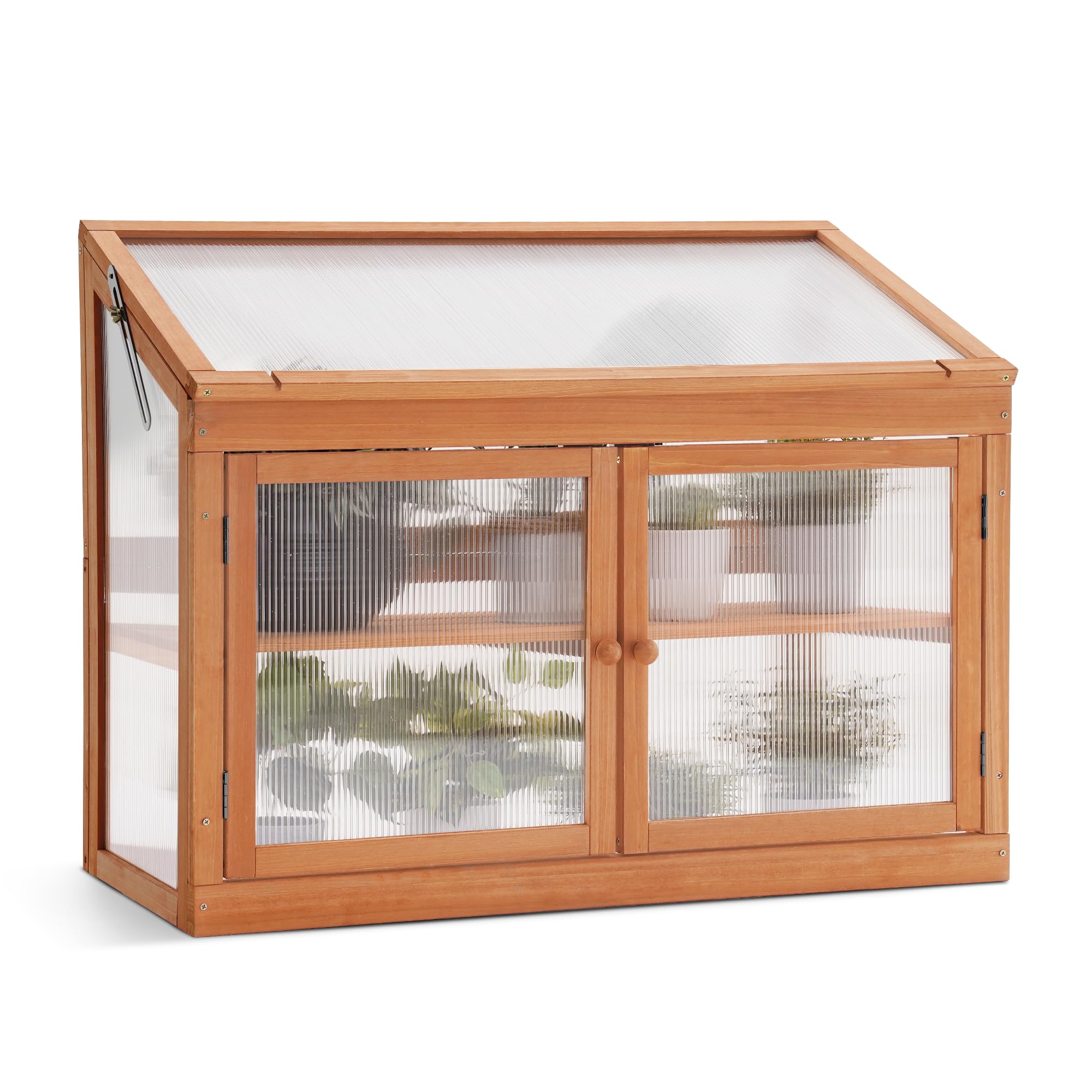
Happygrill Wooden Cabinet

Happygrill Wooden Cabinet

Indoor plant display

Our Score 8.4/10
Check Price

Worth Noting

  • Wood frame not weather-sealed
  • Build quality can feel cheap for the price
Height
58"
Assembly
Easy, straightforward
Ventilation
Flip-top roof with support rod
Cover Material
Polycarbonate
Read the full review

This wooden cabinet displays plants attractively in a living space, with polycarbonate panels and adjustable shelves. Its 58-inch height and unsealed fir wood frame mean it cannot withstand rain or wind – best kept on a covered porch or indoors. Durability concerns like cracking and hinge wear have been noted, making it a decorative piece rather than a garden cold frame.

Bottom line: Works nicely as an indoor plant display cabinet for a living room or covered porch, but it is not a weather-resistant cold frame for outdoor use.

6

Rowlinson Coldframe

Rowlinson Coldframe

Traditional cold frame

Our Score 8.2/10
Check Price

Worth Noting

  • No owner reports available to confirm quality or durability over time.
  • Plastic cover material may offer less insulation than twin-wall polycarbonate alternatives.
Height
15"
Assembly
Ventilation
Two lids, two height settings
Cover Material
Plastic
Read the full review

The Rowlinson Coldframe stands apart from premium aluminum-framed options with its pressure-treated timber construction and two independently opening lids, each with two height settings. This design gives you fine control over ventilation and access while keeping a classic garden appearance.

This cold frame suits gardeners who want a no-nonsense traditional build and are comfortable trusting Rowlinson's reputation. The listing includes no owner reports to confirm long-term performance, so the purchase decision rests on brand confidence rather than real-world validation.

Bottom line: Best for gardeners who prioritize classic looks and trust the Rowlinson brand enough to buy without verified owner feedback.

How to Choose

Height: Low-Profile vs. Tall Cabinets

Traditional cold frames sit 12–18 inches tall to trap heat near the soil. Taller units (over 20 inches) are effectively mini-greenhouses: they lose warm air through convection and may not shield small seedlings from freezing temperatures at ground level.

If you plan to start seeds or overwinter potted plants in a sheltered spot, a low-profile model is more effective. Tall cabinets work better as plant displays or for tall potted specimens, but they won’t deliver the same frost protection.

Cover Material: Polycarbonate vs. Polyethylene

Twin-wall polycarbonate traps air between layers, providing better insulation and UV resistance for years. Polyethylene (PE) is lighter and cheaper, but it degrades in sunlight and tears in wind after one or two seasons.

For permanent cold frames, polycarbonate is worth the extra cost. For temporary use or mild climates, PE can be a low-risk starting point, but expect to replace the cover within two years.

Frame Material: Wood, Aluminum, or Steel

Aluminum frames are lightweight, rust-proof, and require no maintenance. Wood frames look natural but need annual sealing unless they are pressure-treated. Steel is strong but will rust if the coating scratches.

The trade-off is between weight and longevity: aluminum lasts decades with no care, wood requires up-front sealing to avoid warping, and steel is often the heaviest and most prone to corrosion.

Ventilation: Manual vs. Automatic

Manual lids cost less and have fewer failure points. You prop them open as needed, which works fine if you’re home during the day. Automatic vent openers use a wax cylinder to expand and open the lid at a set temperature.

Auto vents are convenient for gardeners who work away from home, but they add complexity and can fail if the cylinder wears out. They also require drilling for installation on most models.

Assembly Complexity and Instructions

Some cold frames snap together in minutes with numbered parts. Others require drilling, alignment adjustments, and careful reading of multi-step manuals. Budget models often have simpler assembly but thinner materials.

The hidden trade-off: quick-assembly frames may use cheaper fasteners and thinner panels, while more complex builds (like the BioStar) deliver better long-term durability. Factor in your time and patience before choosing.

Frequently Asked Questions