Fencing & Farm Structures

10 Best Fence Wire Stretcher of 2026: Match the Tool to Your Wire Type

Find the right fence wire stretcher for your job: bar for woven, plier for barbed, or versatile repair tools. Avoid slipping and weld failures.

A fence wire stretcher that works perfectly for barbed wire can slip uselessly on woven mesh. Many tools advertise heavy-duty construction but arrive with paint-binding joints or weld weaknesses. The real split in this category is between bar stretchers for woven/chain link and plier-style splicers for barbed/smooth wire.

The biggest choice comes down to speed versus versatility. Some tools are built for 60-second repairs on existing barbed wire, while others handle new installations across multiple wire types. Choosing the wrong type wastes time and money – the right one makes fence work straightforward.

1

Texas Fence Fixer

Top Pick
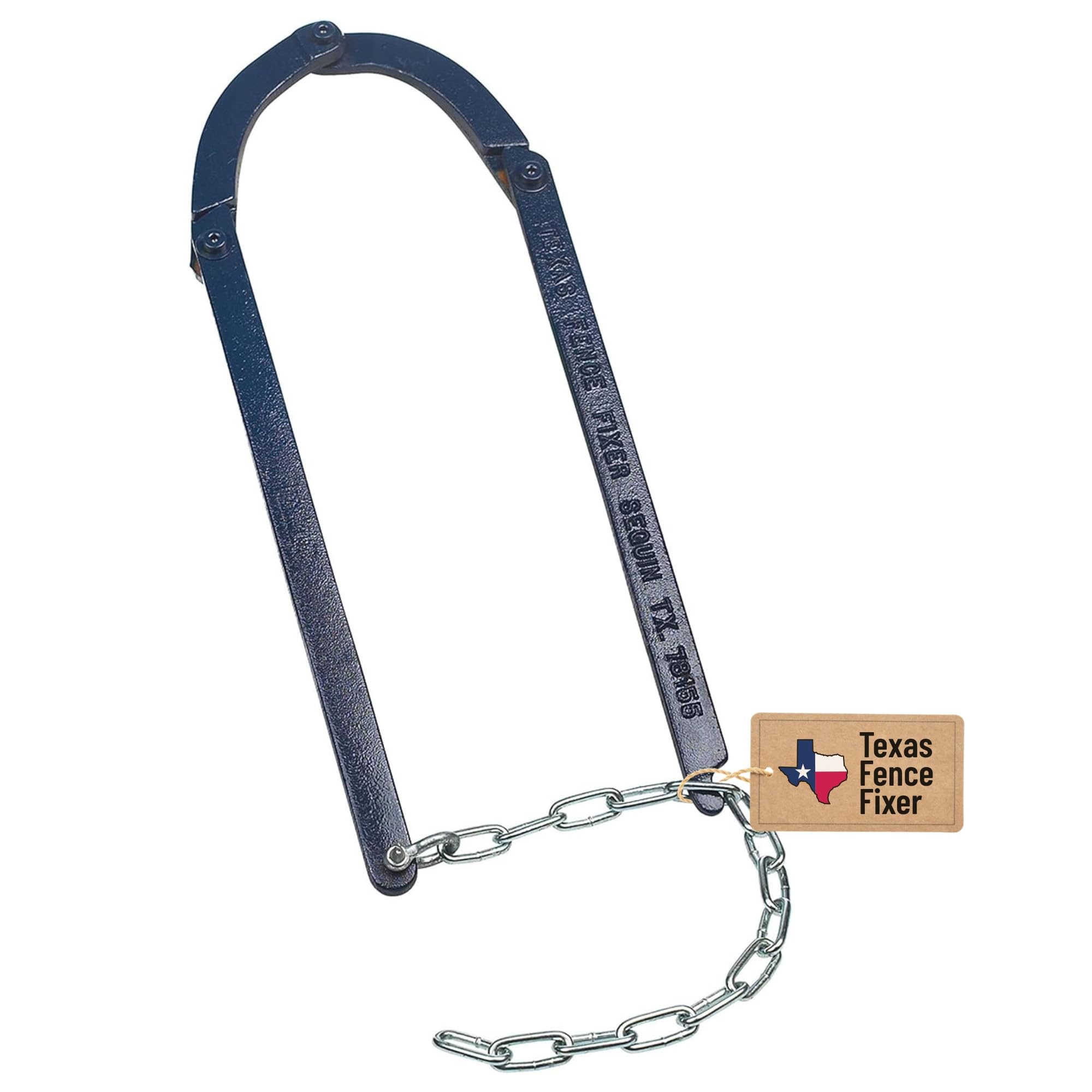
Texas Fence Fixer

Barbed wire repair

Our Score 9.4/10
Check Price

Worth Noting

  • Premium price places it above basic tensioners
  • Cannot be used for installing new woven wire fences
Material & Weight
—, 6.19 lbs
Gripping Mechanism
Read the full review

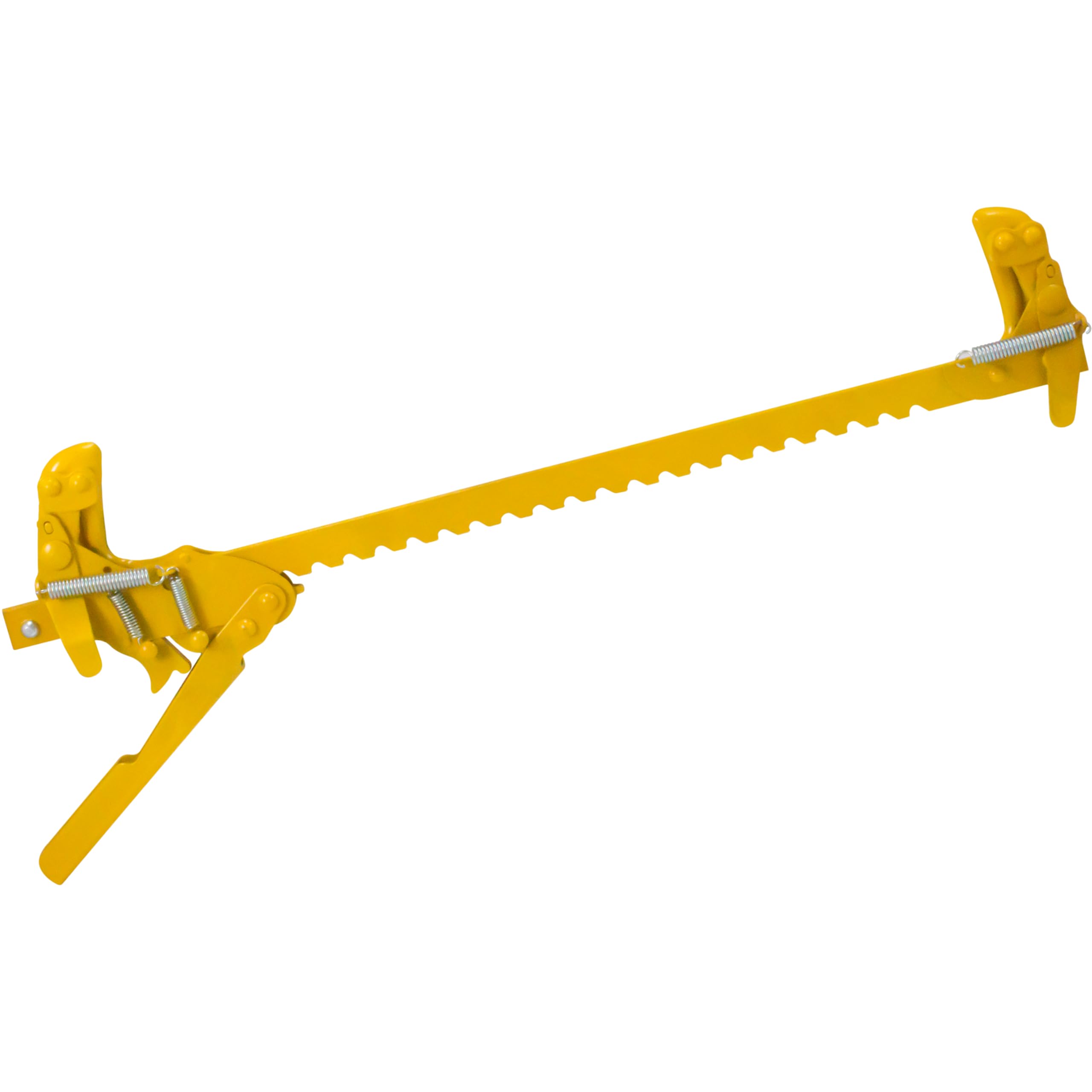
The Texas Fence Fixer tightens barbed wire in seconds with a simple lever action, letting a single person tension old or new fence lines without extra equipment. The grip hooks onto wire firmly, and the ratcheting mechanism pulls slack quickly — no need for come-alongs or multiple passes. It handles barbed, electric, horse, and net wire, making it a practical tool for routine fence maintenance.

This is a repair-focused tool for ranchers who need speed and reliability on existing fences. The steel body feels rugged, and the lifetime replacement guarantee backs its durability. The premium price reflects US manufacturing and that long-term support. Keep in mind this is not designed for installing new woven wire fences from scratch — for that, a dedicated stretcher like the Dutton-Lainson 400 is a better fit. If barbed wire tensioning is your primary task, the convenience and build quality justify the cost.

Bottom line: For ranchers who need a fast, one-handed barbed wire repair tool that will last years, this is the clear choice — the premium is offset by the lifetime replacement guarantee.

2

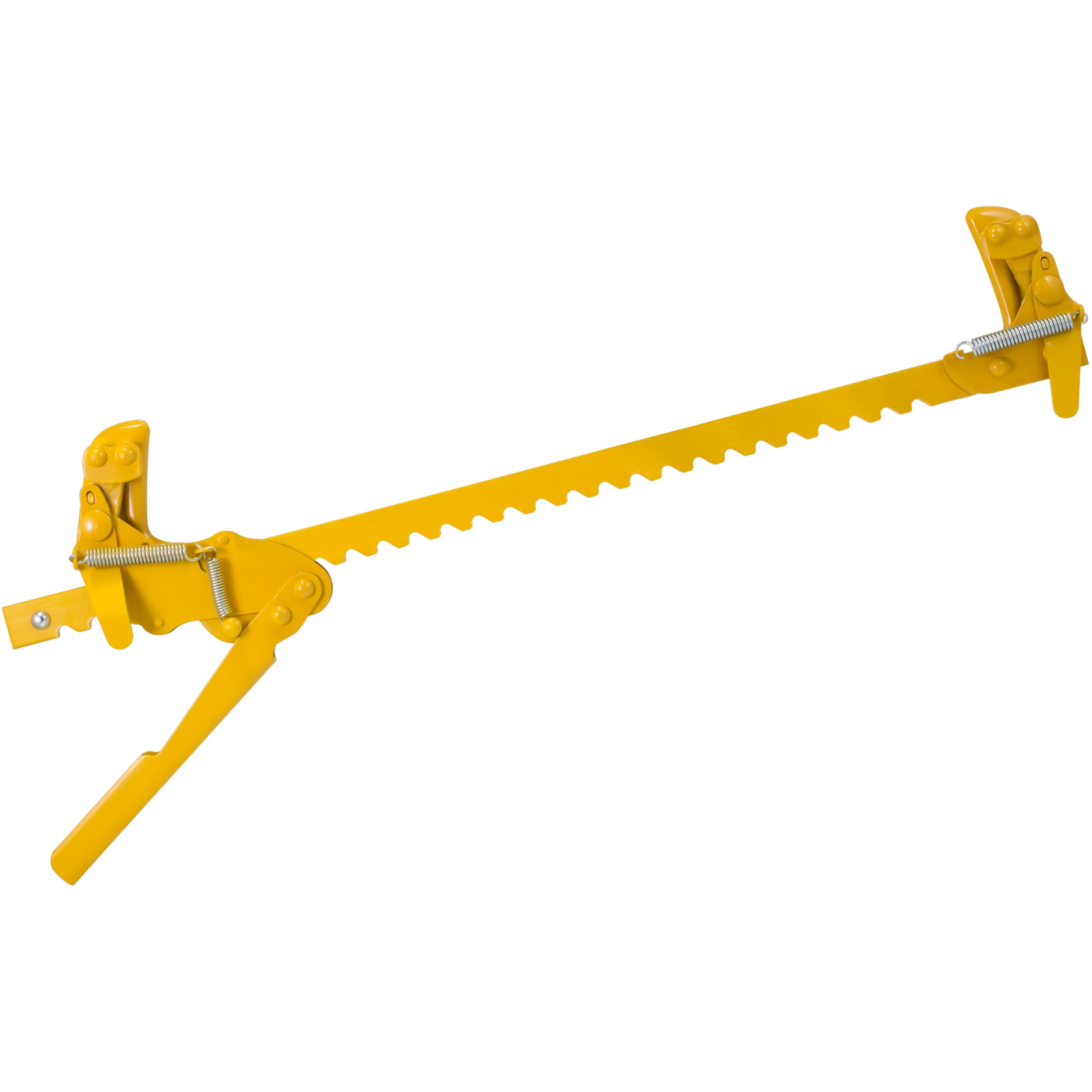
MOEUFFIR 2-Pack Pullers

MOEUFFIR 2-Pack Pullers

With come-along

Our Score 9.4/10
Check Price

Worth Noting

Material & Weight
Cast, —
Gripping Mechanism
Cast iron grippers
Read the full review

These cast-iron grippers clamp onto barbed wire securely and work well with a come-along to tension multiple strands. Best suited for budget-minded builders who already own a come-along or winch, as well as farmers who want extra gripping points for long runs. They are not a standalone stretcher – you supply the pulling power.

The two-pack design lets you tackle several strands without repositioning, and the sturdy castings hold up under moderate tension. For those who need a simple, low-cost wire-gripping option and have the required tool on hand, these fit the bill.

Bottom line: If you already own a come-along and need an affordable set of wire grippers for multiple strands, these deliver at a low cost.

3

Dutton-Lainson 400

Dutton-Lainson 400

Barbed/smooth wire

Our Score 9.2/10
Check Price

Worth Noting

  • Thick factory paint can lock moving parts initially until freed with solvent or a hammer tap.
Material & Weight
Alloy steel, ~4 lbs
Gripping Mechanism
Plier-style clamp
Read the full review

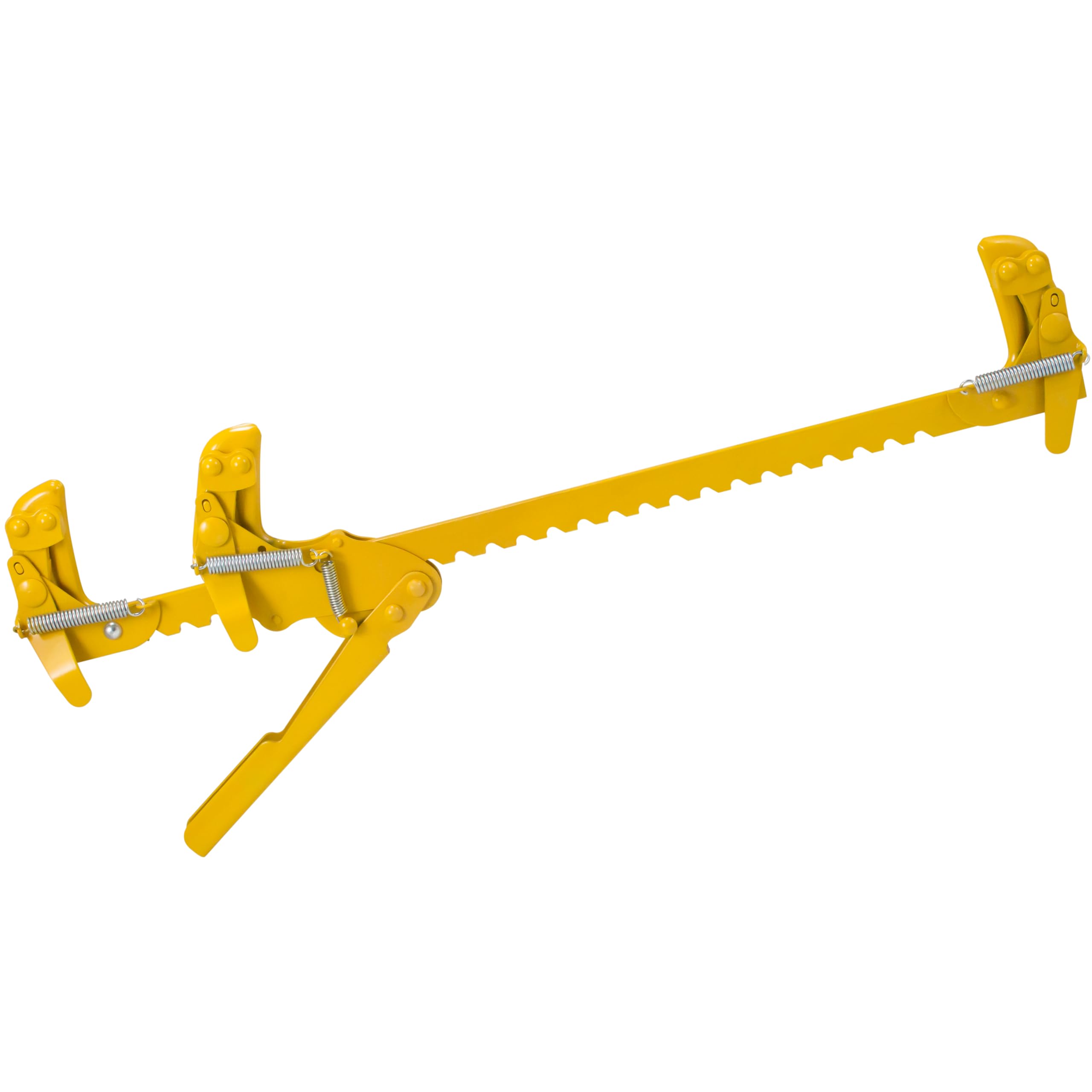
The Dutton-Lainson 400 is a straightforward plier-style stretcher that tensions barbed and smooth wire without binding, making it a solid choice for new fence installations. Its alloy steel construction holds up to repeated use, though the thick factory paint can lock the moving parts initially — a quick soak in solvent or a tap with a hammer frees them. This tool suits ranchers and farmers who prefer a manual stretcher for general-purpose barbed or smooth wire fencing, but it does not work on woven wire. While the top pick offers one-hand speed for repairs, the Goldenrod 400 excels for full-length tensioning in new builds.

Soak the moving parts in solvent or tap them with a hammer before first use to loosen the paint.

Bottom line: A classic choice for barbed and smooth wire fencing that requires a few minutes of prep but rewards with years of service. Skip if you need to work with woven wire.

4

Gtongoko 31.5in 5-Hook Bar

Gtongoko 31.5in 5-Hook Bar

Chain link fencing

Our Score 9.2/10
Check Price

Worth Noting

  • Welds may separate from the bar under heavy tension, limiting use to light or medium loads.
Material & Weight
Galvanized steel, 6.98 lbs
Gripping Mechanism
5 hooks
Read the full review

For occasional home fencing jobs, this 31.5-inch bar stretcher wraps chain link or field fence with solid grip from its five hooks, and the galvanized finish resists rust well for the price. Where it differs from pricier options is in weld strength: under heavy tension the hooks can separate from the bar, so this tool suits light to medium pulling rather than commercial-grade or tall fence work.

Keep tension moderate; for heavier pulls, step up to a longer bar or a different stretcher design.

Bottom line: Best for weekend warriors pulling residential chain link or field fence at moderate tension — not for high-tension farm runs.

5

Goldenrod 405 Stretcher-Splicer

Goldenrod 405 Stretcher-Splicer

Barbed wire work

Our Score 9.2/10
Check Price

Worth Noting

  • Thick paint may lock moving parts out of the box; needs freeing before first use.
Material & Weight
Alloy steel, ~4 lbs
Gripping Mechanism
Plier-style controlled release
Read the full review

This plier-style stretcher-splicer uses a controlled-release ratchet to reduce wire snap during tensioning — a real advantage when working with high-tensile barbed or smooth wire. However, the paint can lock the moving parts on first use, requiring a brief freeing step. It is not designed for woven wire fencing. Priced higher than the similar Dutton-Lainson 400, the controlled-release feature is nice but not essential for most buyers.

Bottom line: A solid choice for barbed wire tensioning if you value reduced snap risk, but the higher price and paint hassle make it a secondary option to the Dutton-Lainson 400 for most buyers.

6

Goldenrod 415 3-Hook Splicer

Goldenrod 415 3-Hook Splicer

Endless wire runs

Our Score 9.2/10
Check Price

Worth Noting

  • Paint on moving parts may be thick and require working free before use.
Material & Weight
Alloy steel, ~4 lbs
Gripping Mechanism
Plier-style with third hook
Read the full review

The Goldenrod 415 adds a third hook to pull multiple strands at once or run wire without stopping. The thick paint on moving parts may need to be worked free before first use - a minor nuisance. This tool suits professionals stretching endless runs; most fence builders don't need the extra hook, making the standard 405 a better value for typical barbed wire jobs.

Bottom line: Best for professionals who frequently stretch long runs of high-tensile wire and need the third-hook capability. For most fence repairs, the standard Goldenrod 405 offers better value.

7

Krysolad 4ft Woven Wire Bar

Krysolad 4ft Woven Wire Bar

Woven wire fences

Our Score 9.0/10
Check Price

Worth Noting

Material & Weight
High-strength steel, 19.61 lbs
Gripping Mechanism
5 wedges + double hooks
Read the full review

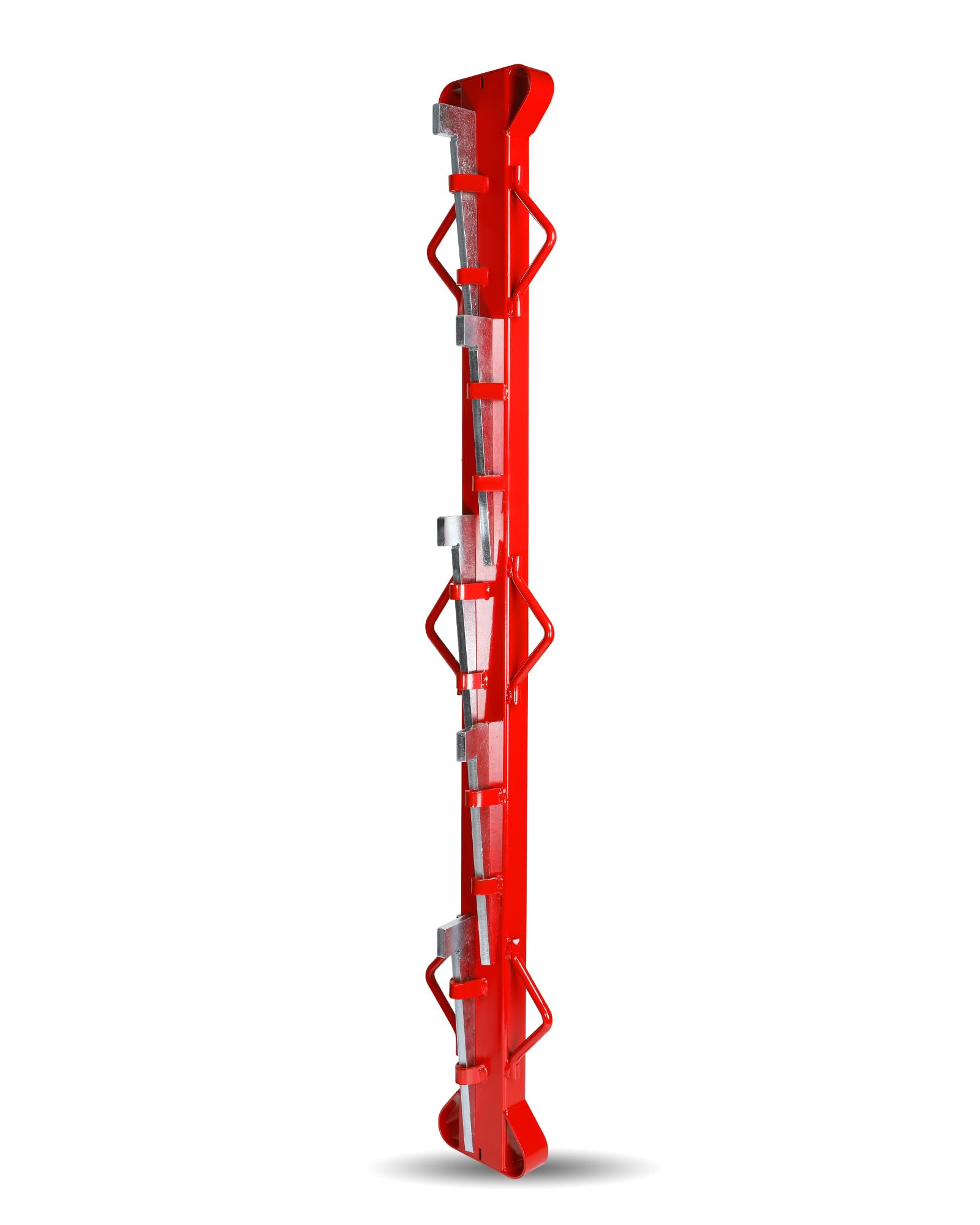
This Krysolad bar features a double-hook design with five wedges that grip woven wire across the full height for even tensioning. It is built with heavy-gauge steel to withstand repeated high-tension pulling. Unlike U-channel stretchers that accommodate 36-52 inch fences, this bar is optimized for 4 ft (48 in) installations. The wedges may not reach the top and bottom wires on taller fences, so slipping can occur above 48 inches. Best for farmers and ranchers installing woven wire fences exactly 4 ft tall who need a stout bar that holds tension well.

Bottom line: A focused tool for 4 ft woven wire work — keep it within its height range and it performs reliably.

8

HoLarXuQ 31.5in Bar

HoLarXuQ 31.5in Bar

DIY chain link

Our Score 9.0/10
Check Price

Worth Noting

  • Welds may separate under heavy tension; hooks can detach from bar
Material & Weight
Galvanized steel, 5.64 lbs
Gripping Mechanism
5 hooks
Read the full review

This bar stretches chain link and field fence effectively for up to 200 ft of fencing, with a sturdy galvanized finish that feels solid for the price. It is nearly identical to the Gtongoko alternative but costs a bit less; however, welds may separate under heavy tension, limiting it to very light, occasional use.

Bottom line: Best for budget-conscious DIYers tackling a single chain link fence project under 200 ft where heavy tension is not required.

9

Fi-Shock A-54 Woven Stretcher

Fi-Shock A-54 Woven Stretcher

Woven wire 4-5ft

Our Score 8.8/10
Check Price

Worth Noting

  • Only fits woven wire fences between 36 and 52 inches tall, not for other fence types.
Material & Weight
—, 11.82 lbs
Gripping Mechanism
Built-in U-channel grip
Read the full review

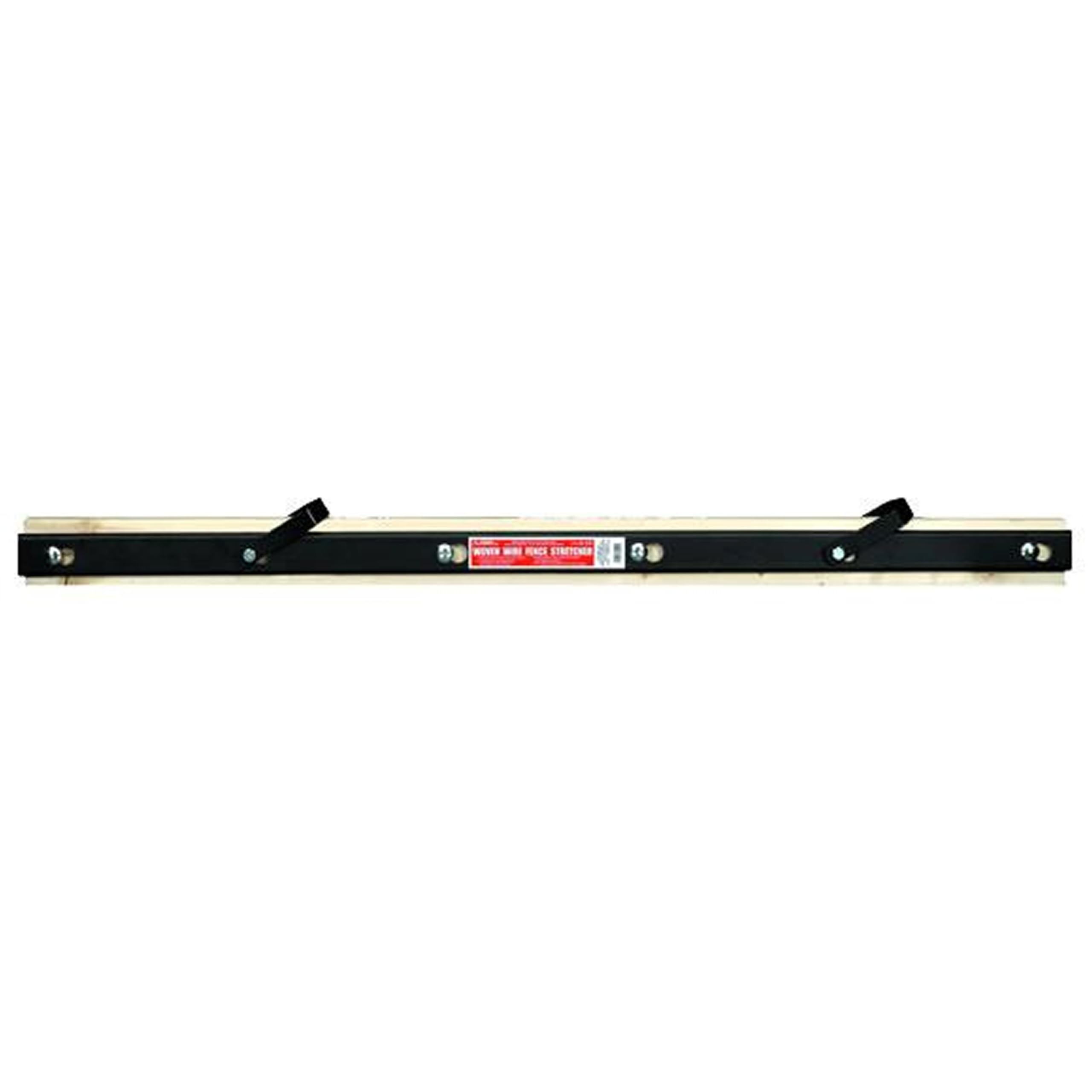
The Fi-Shock A-54 uses a built-in U-channel to grip woven wire securely, pulling evenly across its 54-inch length. Within the 36-52 inch height range, it tensions field fences well. Yet it only works on woven wire at those heights – not for taller fences or barbed wire. This specialization limits versatility versus alternatives like the Krysolad bar with wedges that fit taller fences.

Bottom line: A good buy if you are installing a 4-5 ft woven fence and want a bar that clamps securely – just confirm your fence height is within its range.

10

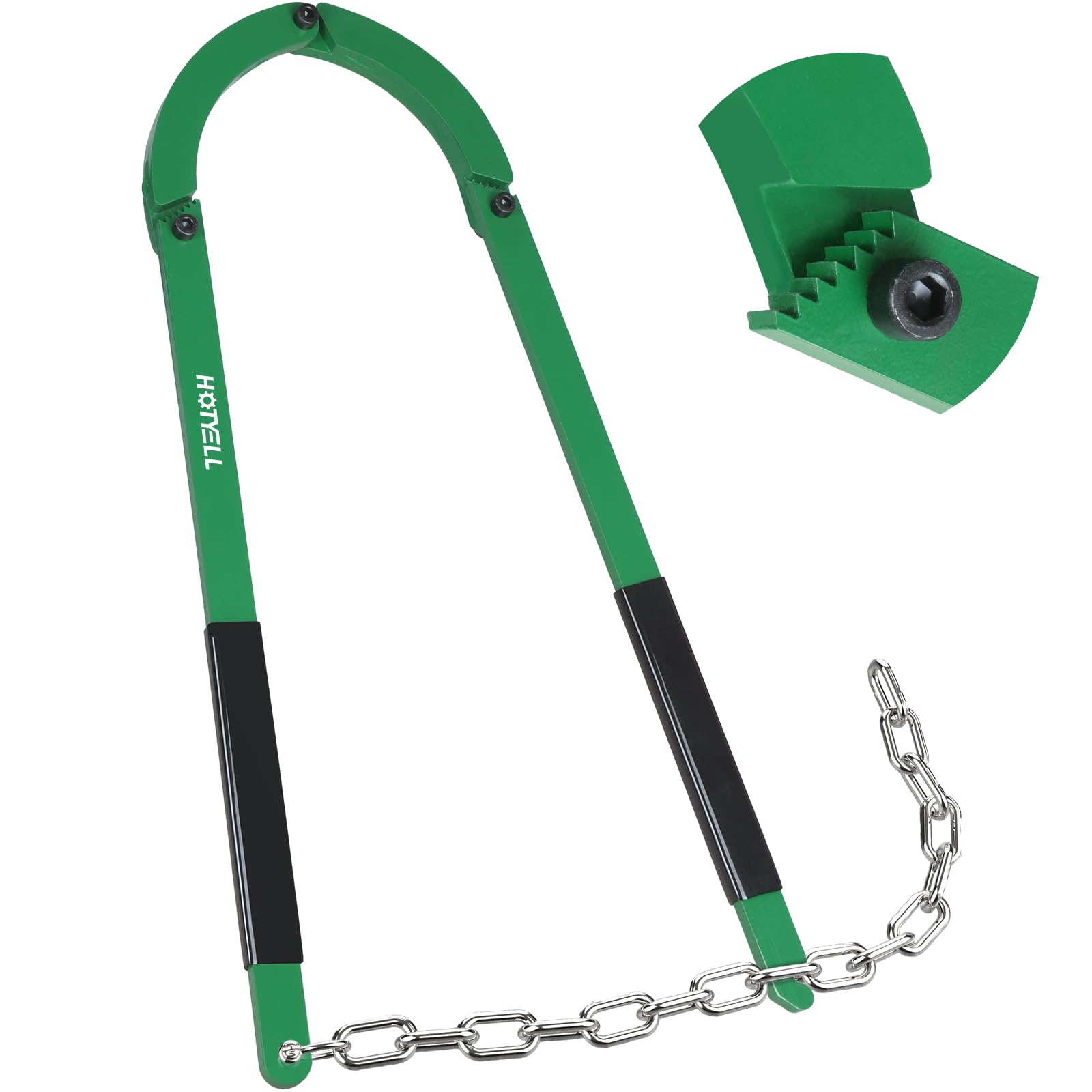
HOTYELL Fence Fixer

HOTYELL Fence Fixer

Barbed wire repairs

Our Score 8.8/10
Check Price

Worth Noting

  • Chain attachment pin can work loose and may be lost during use.
Material & Weight
—, 6.9 lbs
Gripping Mechanism
Lever-style serrated grip
Read the full review

Heavy-duty build effectively tightens loose barbed wire, but the chain attachment pin can work loose during use. Worth considering for occasional ranch repairs if the price drops.

Bottom line: A decent backup fixer for barbed wire repairs on a ranch, as long as you keep an eye on the chain pin.

How to Choose

Wire Type Compatibility

Bar stretchers with wedges or hooks are designed for woven wire and chain link fabric; using them on barbed wire damages the tool and the wire. Plier-style splicers clamp only on individual strands and cannot grip mesh. Lever repair tools often claim multi-wire compatibility but may slip on smooth or high-tensile wire. Match the tool to the wire type before buying.

Gripping Mechanism

Hook count and wedge design determine how evenly tension is applied. Bars with five hooks distribute pull across the fence height, but wedges can lose grip on top or bottom wires if the fence is taller than the bar. Plier-style jaws depend on serration depth – shallow teeth slip on smooth wire, while aggressive teeth hold better but can mar galvanized coatings. Controlled-release ratchets reduce backlash risk when the grip lets go.

Length or Reach

Longer bars (4 ft and up) spread tension across the full fence height, reducing the need to reposition. They are heavier and harder to manage solo. Shorter bars (31 inches) are lighter and easier to store but may not tension tall woven fences evenly. For barbed wire, compact plier tools are ideal because you work strand by strand. Consider the height of your fence and whether you work alone.

Build Material and Weight

Heavy-gauge steel bars can exceed 19 lbs – durable but tiring on long jobs. Lighter tools (4–7 lbs) reduce fatigue but may bend under high tension in budget models. Paint quality is a hidden factor: many new tools arrive with thick paint that binds moving joints, requiring a few minutes of freeing with penetrating oil and a hammer. Rust resistance matters in farm environments; look for galvanized or rust-treated finishes.

Ease of Release and Safety

Controlled-release ratchets allow you to slowly back off tension, preventing wire snap. Budget models often lack this feature, increasing the risk of sudden release when the grip slips. Some tools have a chain attachment pin that can work loose and be lost mid-job. For frequent use, a tool with a positive locking mechanism and replaceable parts is safer and more reliable.

Frequently Asked Questions