Fencing & Farm Structures

8 Best Greenhouse Flooring 2026: Tiles That Drain, Dry, and Last

Find greenhouse flooring that handles moisture, resists odor, and cleans easily. This guide compares interlocking drainage tiles for walkways and potting areas.

Greenhouse floors get wet, muddy, and can turn into a moldy mess if you pick the wrong surface. Many mats trap water underneath, creating more problems than they solve.

The solution is simpler than you think: interlocking tiles with drainage holes let water flow through and keep your pots and feet dry. But there's a catch: most new tiles release a strong chemical smell that needs airing out before you install them.

That trade-off is manageable. The real decision comes down to material, thickness, and coverage. This guide focuses on the tiles that actually drain well, hold up under foot traffic, and won't rot or warp in a damp greenhouse.

1

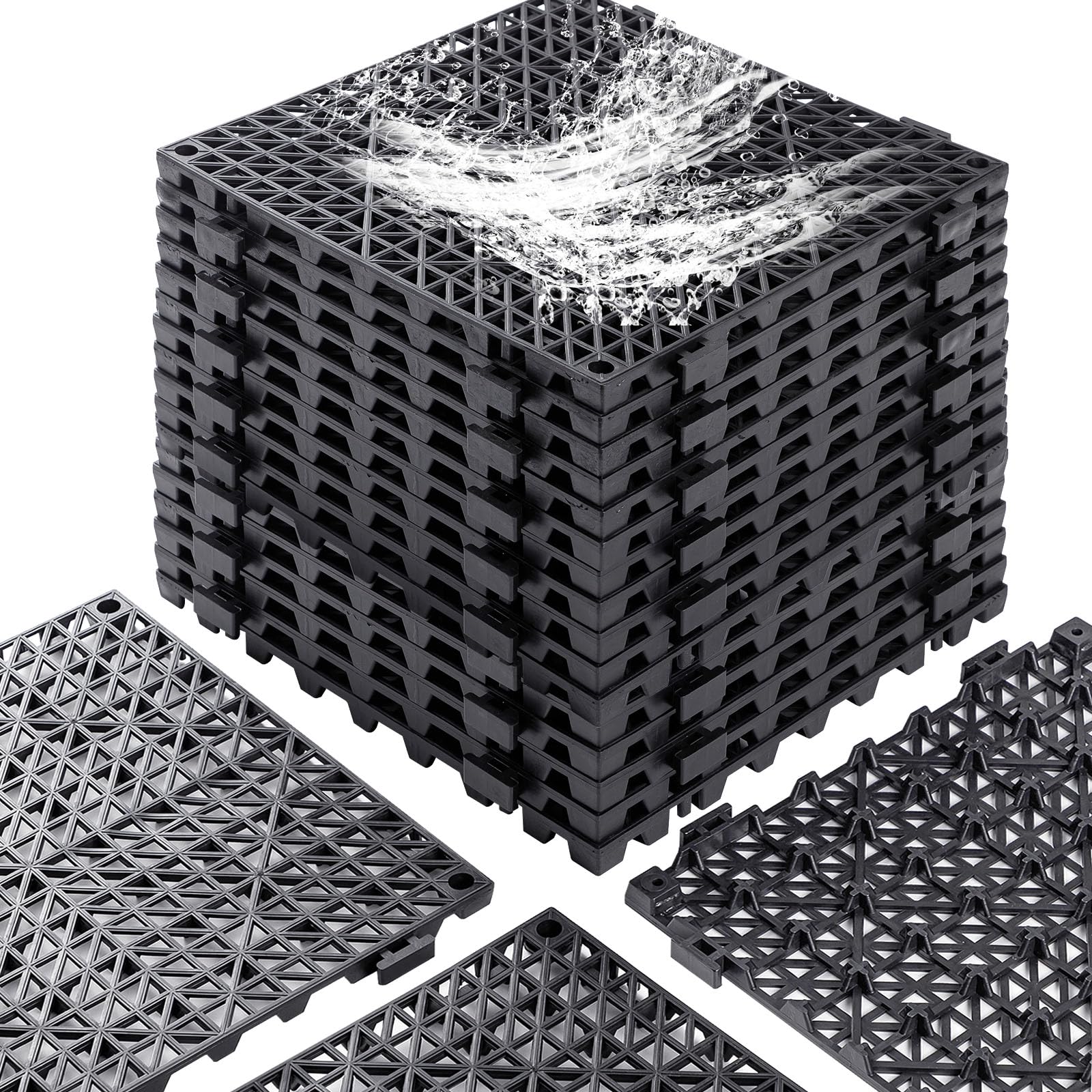
ToLanbbt Interlocking 12-Pack

Top Pick
ToLanbbt Interlocking 12-Pack

Greenhouse walkways

Our Score 9.2/10
Check Price

Worth Noting

  • Strong chemical odor upon unboxing – requires 1–2 weeks outdoor airing before use in enclosed spaces.
  • Surface is firm
Drainage
Holes
Material
PVC/Rubber blend
Non-slip
Yes
Thickness
0.55 in
Read the full review

These interlocking tiles let water drain through quickly – standing water doesn't collect on the surface – and the snap-together connectors lock securely without tools. The PVC-rubber blend holds up to daily foot traffic and resists wear from potting soil spills and moisture.

Greenhouse owners get a practical flooring solution that keeps walkways dry and easy to hose down. The chemical odor on arrival is the main catch: plan to air the tiles outdoors for a week or two before installing in a closed greenhouse. Also, the firm surface is not comfortable for barefoot use – wear garden shoes and it's fine. For potting bench areas and paths where shoes are the norm, this is a cost-effective, low-maintenance choice.

Let the tiles air out in a well-ventilated outdoor area for 1–2 weeks before bringing them inside.

Bottom line: A no-nonsense greenhouse floor tile – it drains, it stays put, and it works. Just budget time for the initial odor to dissipate.

2

VEVOR 55-Pack Drainage Tiles

VEVOR 55-Pack Drainage Tiles

Large greenhouse floors

Our Score 9.2/10
Check Price

Worth Noting

  • In a greenhouse workspace with heavy shelving, the soft PVC can deform under concentrated weight.
  • The PVC odor is noticeable out of the box and requires several days of ventilation before the space is pleasant to use.
Drainage
Holes
Material
PVC
Non-slip
Yes
Thickness
0.6 in
Read the full review

With 55 tiles covering 55 sq ft, this set is the most cost-effective way to floor a medium to large greenhouse in one purchase. Tiles snap together quickly and cut easily to fit odd shapes, and the drainage holes let water pass through without pooling.

This works best for greenhouses where you don't need to support heavy shelving or pots — the PVC is soft enough to deform under concentrated loads. The strong PVC odor is real and needs several days of airing before the space feels comfortable. If you're odor-sensitive or plan to place heavy equipment, the top pick (a smaller set with similar drainage) is a better match.

Let the tiles sit outside or in a well-ventilated area for at least a week before installing to reduce the odor.

Bottom line: If you're covering a large greenhouse floor on a budget and don't need to support heavy shelving, this set delivers the most square footage per dollar. Just plan for an airing-out period.

3

EVANCENT Drain Tiles 12pk

EVANCENT Drain Tiles 12pk

Small walkways

Our Score 9.2/10
Check Price

Worth Noting

  • Strong chemical odor that may need days of outdoor airing.
  • Surface feels hard on bare feet
Drainage
Holes
Material
PVC
Non-slip
Yes
Thickness
0.47 in
Read the full review

These tiles share the same PVC drainage design as the top pick, snapping together quickly over a small area. The chemical odor is present and may require airing before indoor use. Best for small greenhouse walkways or potting benches where barefoot comfort isn't a priority.

Air the tiles outdoors for a few days to reduce the initial odor before placing them in an enclosed greenhouse.

Bottom line: A cost-effective pick for small greenhouse projects if you're willing to let the tiles air out before use.

4

Dingbaayee Drain Tiles

Dingbaayee Drain Tiles

Temporary paths

Our Score 9.2/10
Check Price

Worth Noting

  • Strong odor from PVC material may be noticeable in enclosed greenhouses
Drainage
Holes
Material
PVC
Non-slip
Yes
Thickness
0.55 in
Read the full review

At a lower price than most competitors, these PVC tiles drain well and snap together without tools. They work for greenhouse walkways and outdoor shower floors, but the strong rubber-like odor is noticeable, especially in enclosed spaces. This makes them a better fit for well-ventilated or temporary setups where the smell can dissipate.

Air the tiles outdoors for a few days before installing in a greenhouse to reduce initial odor.

Bottom line: A budget-friendly option if you can air the tiles outdoors first and the smell won't be an issue in your setup.

5

MYFAMIREA Drainage Tiles

MYFAMIREA Drainage Tiles

Small paths

Our Score 9.0/10
Check Price

Worth Noting

  • Some units may have a strong chemical odor that needs airing before use.
  • Surface can feel hard on bare feet during extended standing.
Drainage
Holes
Material
PVC
Non-slip
Yes
Thickness
Read the full review

These 12-pack interlocking PVC tiles snap together quickly and allow water to drain through, keeping greenhouse paths dry. The pack covers just under 12 square feet, so larger areas need multiple sets. Some tiles may release a chemical smell initially that dissipates with airing. This set works best for small hobby greenhouses, potting bench floors, or temporary pathways where a compact, moisture-resistant surface is the goal.

Leave tiles outdoors for a day or two to reduce any initial odor.

Bottom line: A budget-friendly option for small greenhouse floors — just plan to air the tiles before installation.

6

Rubber-Cal Elephant Bark

Rubber-Cal Elephant Bark

Gym, kennel

Our Score 9.0/10
Check Price

Worth Noting

  • Rubber odor can be strong and may persist for weeks in enclosed areas.
Drainage
Solid
Material
Recycled Rubber
Non-slip
Yes
Thickness
0.19 in
Read the full review

This recycled rubber flooring provides good traction and wipes clean in seconds, making it a solid choice for workshops or dog kennels. However, it has no drainage holes — water pools on the surface — and the rubber odor can linger for weeks in enclosed spaces. At a premium price, it suits dry indoor applications better than greenhouses.

Bottom line: If your greenhouse has a sloped, sealed concrete floor that drains well and you can tolerate initial odor, this mat offers a durable, non-slip walking surface.

7

Rubber-Cal Diamond-Plate Roll

Rubber-Cal Diamond-Plate Roll

Garage, workshop

Our Score 8.8/10
Check Price

Worth Noting

  • No drainage holes; unsuitable for flat greenhouse floors where water accumulates.
Drainage
Solid
Material
Rubber
Non-slip
Yes
Thickness
3 mm
Read the full review

This heavy-duty rubber mat provides a durable, slip-resistant surface that holds up well under foot traffic and equipment. It works best on concrete or solid subfloors with a slight slope so water can run off — standing water will pool because the mat has no drainage holes. The strong rubber odor can linger for weeks, and edges may curl on uneven surfaces.

Bottom line: Suitable for a greenhouse with a sloped concrete floor that directs water away — avoid if the floor is flat or if you need drainage.

8

Mohawk Stall Mat 3x4

Mohawk Stall Mat 3x4

Gym, crates

Our Score 8.8/10
Check Price

Worth Noting

  • No drainage
Drainage
Solid
Material
Recycled Rubber
Non-slip
Yes
Thickness
0.5 in
Read the full review

This 0.5-inch thick rubber mat absorbs impact and cleans easily, making it a durable surface for greenhouse walkways. However, the lack of drainage traps moisture underneath, so it’s only suitable on concrete with good slope where water runs off rather than pooling. The weight also makes rearranging a chore.

Bottom line: Works well on dry concrete floors with good slope — avoid in areas where water stands or soil is exposed.

How to Choose

Material: PVC vs. Rubber vs. Wood

PVC and rubber are the two main choices for greenhouse floors. PVC is lighter, cheaper, and easier to cut, but it off-gasses a strong chemical smell for one to two weeks. Rubber is heavier and more durable, but solid rubber mats trap water underneath unless the floor is sloped.

Wood tiles like acacia or teak look attractive but warp and rot quickly in constant moisture. Stick with PVC or rubber for wet greenhouse environments.

Drainage Design: Holes, Gaps, or Solid

Drainage holes or wide slats let water pass through so the floor stays dry. Solid mats and rolls hold water against the ground, creating a breeding ground for algae and mold. For a greenhouse, choose tiles with at least 30% open area – either round holes or grid patterns.

Thickness and Cushioning

Thicker tiles (0.5 inches or more) provide insulation from cold ground and more comfort underfoot. Thin tiles (3 mm) offer less cushion and can feel hard when standing for long periods. However, thick PVC tiles may be softer and deform under heavy shelving or pots – balance thickness with load-bearing needs.

Non-Slip Surface

A textured surface is critical in a wet greenhouse. Many tiles claim non-slip but become slippery when wet on smooth subfloors. Look for raised patterns or rubber content that provide grip even when wet. Test a single tile before buying a large pack.

Interlocking vs. Roll Format

Interlocking tiles are modular, easy to replace, and can be cut to fit irregular corners. Rolls require adhesive or weights to stay flat, and they cannot be disassembled without damage. For most greenhouse layouts, interlocking tiles offer the best flexibility and ease of installation.

Frequently Asked Questions