Greenhouses & Hydroponics

11 Best Hydroponic Growing Media 2026: Picks That Sink, Stay Clean

Find hydroponic media that actually sinks, holds roots, and rinses clean—without added fertilizer or floating surprises.

Many clay pebble brands promise they'll sink in water, but a quick soak test tells a different story. That floating issue isn't just an annoyance—it can destabilize root systems in deep water culture or ebb-and-flow setups.

Dust and size inconsistency add another layer of guesswork. The trick is knowing which substrates are actually ready to use out of the bag and which need extra prep. This guide focuses on the media that deliver on their core job: consistent aeration, neutral pH, and reliable water contact.

Whether you're running a small Kratky jar or a multi-site NFT system, the right growing medium saves you hours of troubleshooting. We've sorted through the common pitfalls so you can pick a substrate that fits your system without hidden trade-offs.

1

Miracle-Gro Perlite 8qt

Top Pick
Miracle-Gro Perlite 8qt

Container soil

Our Score 9.6/10
Check Price

Worth Noting

  • Significant dust content when pouring
  • Contains added fertilizer, not inert
Dust Level
Dusty (wear mask)
Media Type
Perlite
Particle Size
Granules
Buffering & EC
Added fertilizer
Read the full review

This perlite offers strong value for improving drainage in container soil mixes. The added Miracle-Gro plant food boosts initial growth for general potting, but makes it unsuitable for hydroponic systems where precise nutrient control is needed. Works well for succulent, cactus, and budget-friendly soil amendments.

Wear a mask when handling to minimize dust.

Bottom line: A cost-effective choice for soil mixes, but hydroponic growers should opt for an inert perlite or alternative media.

2

Nutrifield Coco Brick 5kg

Nutrifield Coco Brick 5kg

Coco hydroponics

Our Score 9.4/10
Check Price

Worth Noting

  • Some bricks may have off-odors or contaminants; quality control varies between batches
Dust Level
Low dust
Media Type
Coco coir brick
Particle Size
Coco fiber (expands)
Buffering & EC
Pre-buffered low EC
Read the full review

Nutrifield's Coco Mega Brick offers a pre-buffered, low-EC coco coir medium that expands to 55L, giving hydroponic growers pH stability and strong moisture retention from the start.

This brick is for serious coco growers who value consistency and are willing to check each brick for occasional off-odors or contaminants — a minor tradeoff for the quality.

Inspect each brick for odor or debris before expanding; a quick rinse helps ensure a clean medium.

Bottom line: Nutrifield's coco brick delivers on its pre-buffered promise — choose it if you accept the occasional need to inspect bricks for contaminants.

3

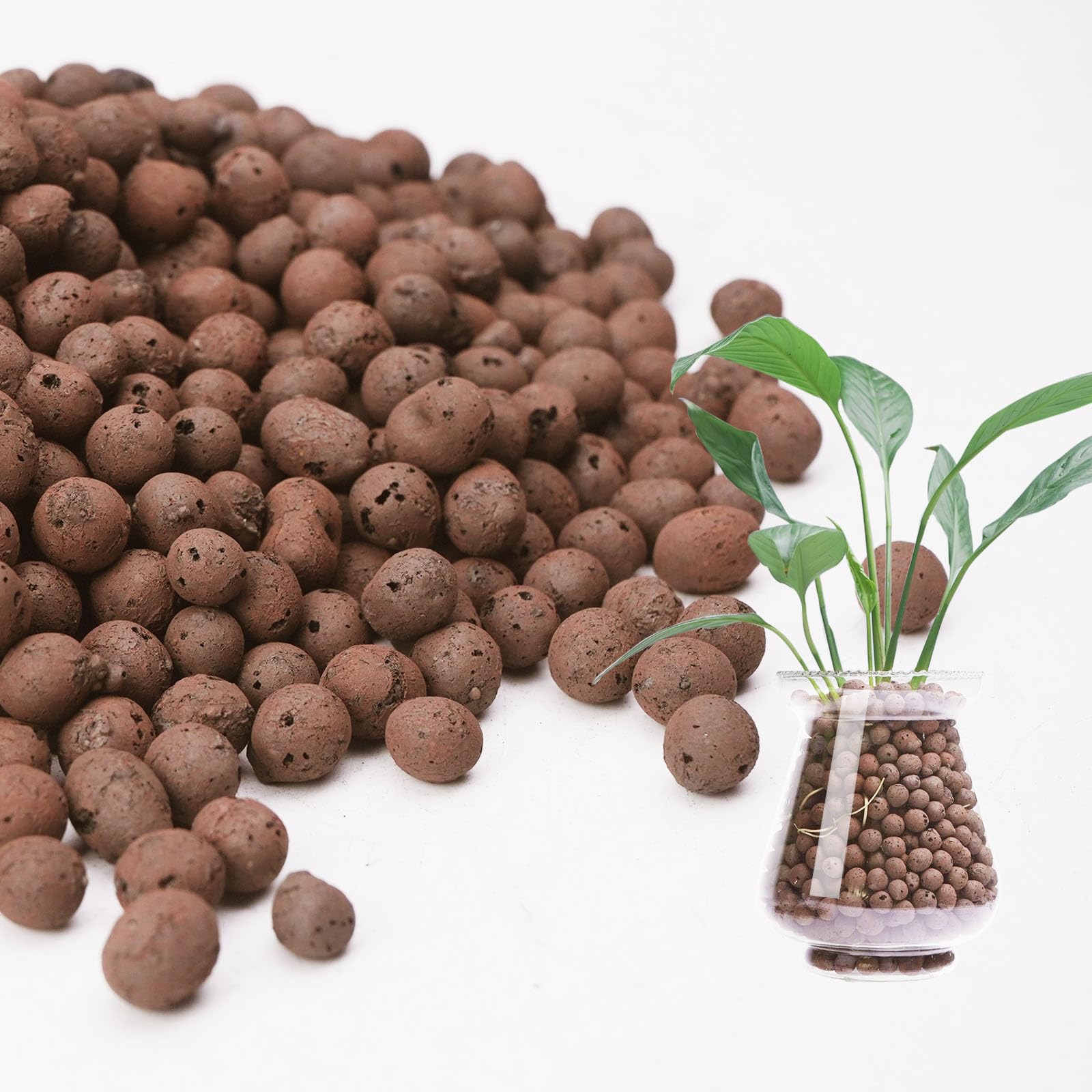
Legigo Leca Clay Pebbles 10lb

Legigo Leca Clay Pebbles 10lb

Semi-hydroponics orchids

Our Score 9.4/10
Check Price

Worth Noting

  • Dusty out of the bag
Dust Level
Moderate dust
Media Type
Clay pebbles (LECA)
Particle Size
4-16 mm
Buffering & EC
pH neutral
Read the full review

Legigo LECA delivers durable, consistent pebbles with low breakage, making it a solid organic option for semi-hydroponic setups and orchid potting. It costs slightly more than the top pick and requires thorough rinsing due to moderate dust — a fair tradeoff for growers who prioritize certified organic material.

Bottom line: A solid choice for organic growers who prioritize certified material and are willing to rinse thoroughly before use.

4

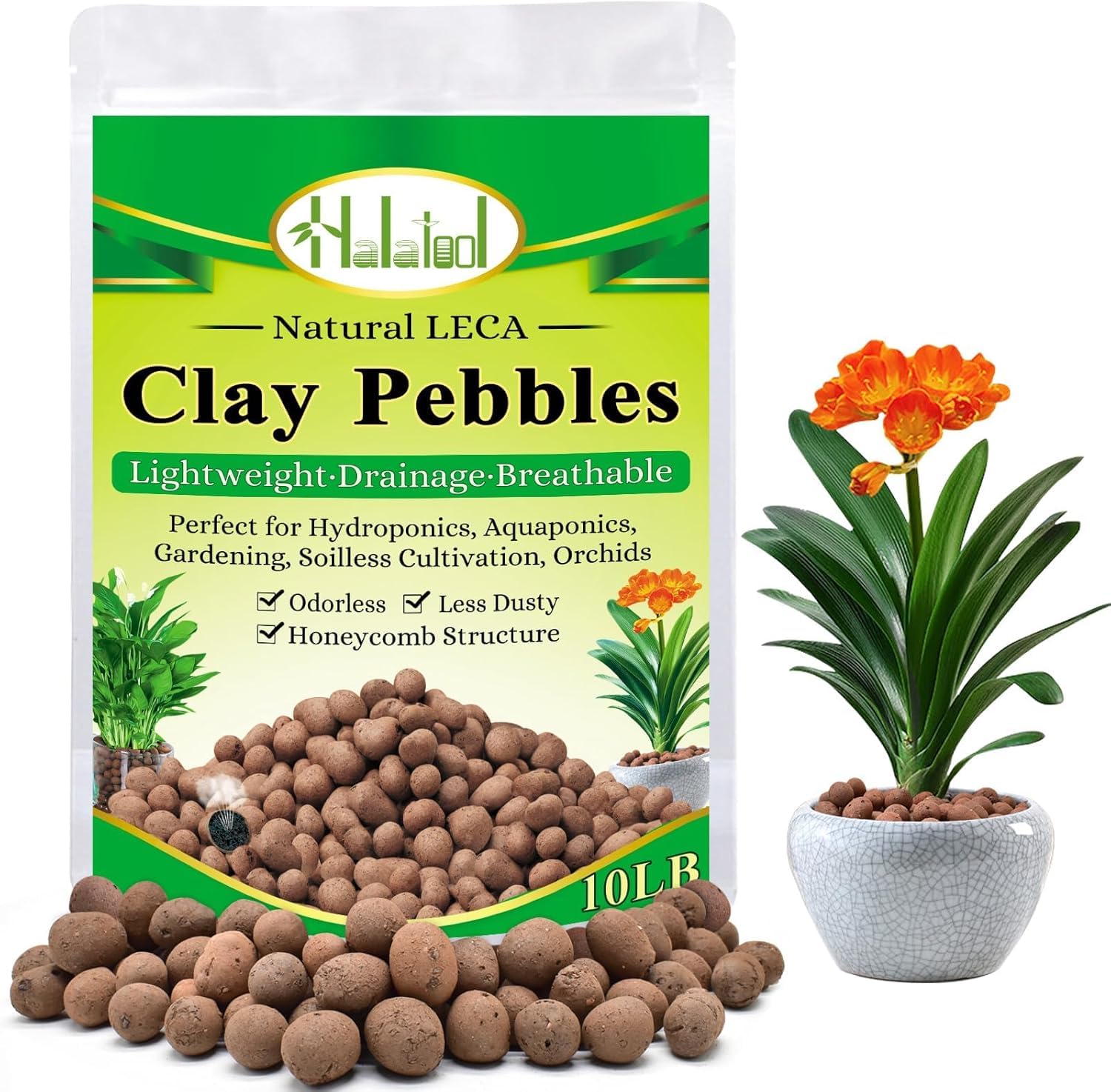
Halatool Leca Clay Pebbles 10lb

Halatool Leca Clay Pebbles 10lb

Hydroponics orchids

Our Score 9.2/10
Check Price

Worth Noting

  • Pebble size varies; some pieces fall below the stated 4 mm minimum.
  • Moderate dust requires pre-rinsing, though less than with many alternatives.
Dust Level
Low dust
Media Type
Clay pebbles (LECA)
Particle Size
4-16 mm
Buffering & EC
pH neutral
Read the full review

These clay pebbles produce less dust than typical LECA and sink after a brief soak, which saves effort during setup. The 4-16 mm range works well for deep water culture and ebb-and-flow systems, providing a stable base for root anchorage and aeration. Some pebbles fall below the advertised minimum size, but this does not compromise overall drainage for most hydroponic applications. At a mid-range price, the 10 lb bag covers several medium pots or a single large container, making it cost-effective for regular use.

Hydroponic growers who value consistent performance over aesthetic uniformity will find this a practical choice. The moderate dust requires a thorough rinse, but less so than many budget options. Orchid enthusiasts and semi-hydroponic indoor plant enthusiasts also benefit from the pH-neutral clay that resists breakdown. If your setup demands perfectly uniform pebbles for net pot spacing, consider a premium brand; otherwise, this bag delivers on its core function without overspending.

Rinse the pebbles thoroughly before first use and soak them for a few hours to help them sink in your system.

Bottom line: For hydroponic growers who want a consistent, low-dust LECA at a fair price, this bag does the job without unnecessary compromises – just account for a quick rinse and occasional small pebbles.

5

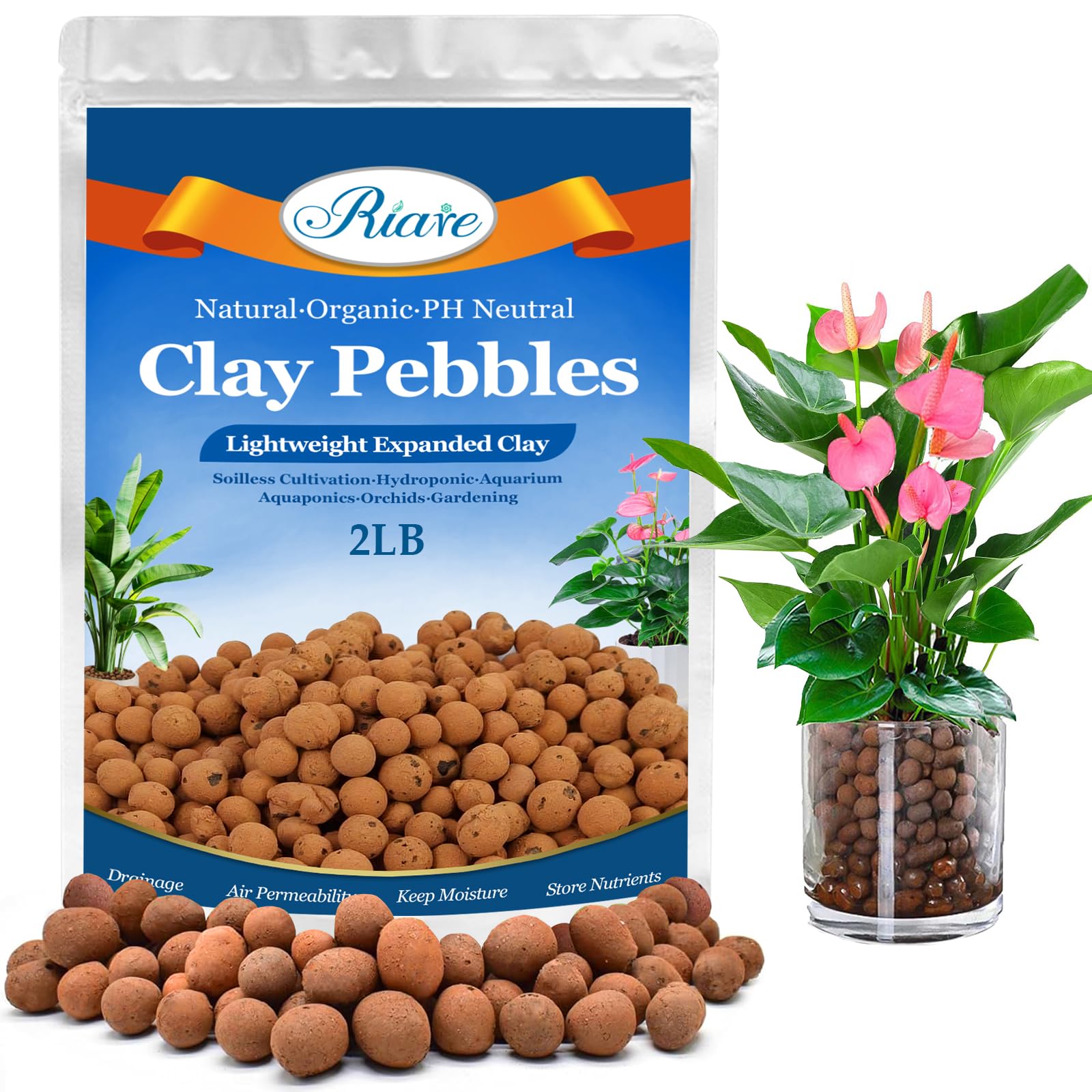
Riare Leca Clay Pebbles 2lb

Riare Leca Clay Pebbles 2lb

Small hydroponics

Our Score 9.2/10
Check Price

Worth Noting

  • Pebble size varies
  • After soaking, some pebbles float, which can disrupt media stability in hydroponic systems that require sinking media.
Dust Level
Moderate dust
Media Type
Clay pebbles (LECA)
Particle Size
4-16 mm
Buffering & EC
pH neutral
Read the full review

Riare's 2 lb bag delivers solid LECA quality at a budget-friendly price — a practical starting point for small hydroponic projects. Floating pebbles after soaking and occasional small pieces are trade-offs at this price point, making it better suited for small DIY setups, orchid pots, or drainage layers where media buoyancy isn't a dealbreaker. For hydroponic systems that require all media to sink, a mid-range option like Halatool offers more consistency.

Soaking pebbles for 24 hours can reduce floating, though some may still rise — best for systems where media movement is not critical.

Bottom line: For small hydroponic projects on a budget, Riare gets the basics right — just plan for floating pebbles and a quick sorting of smaller pieces.

6

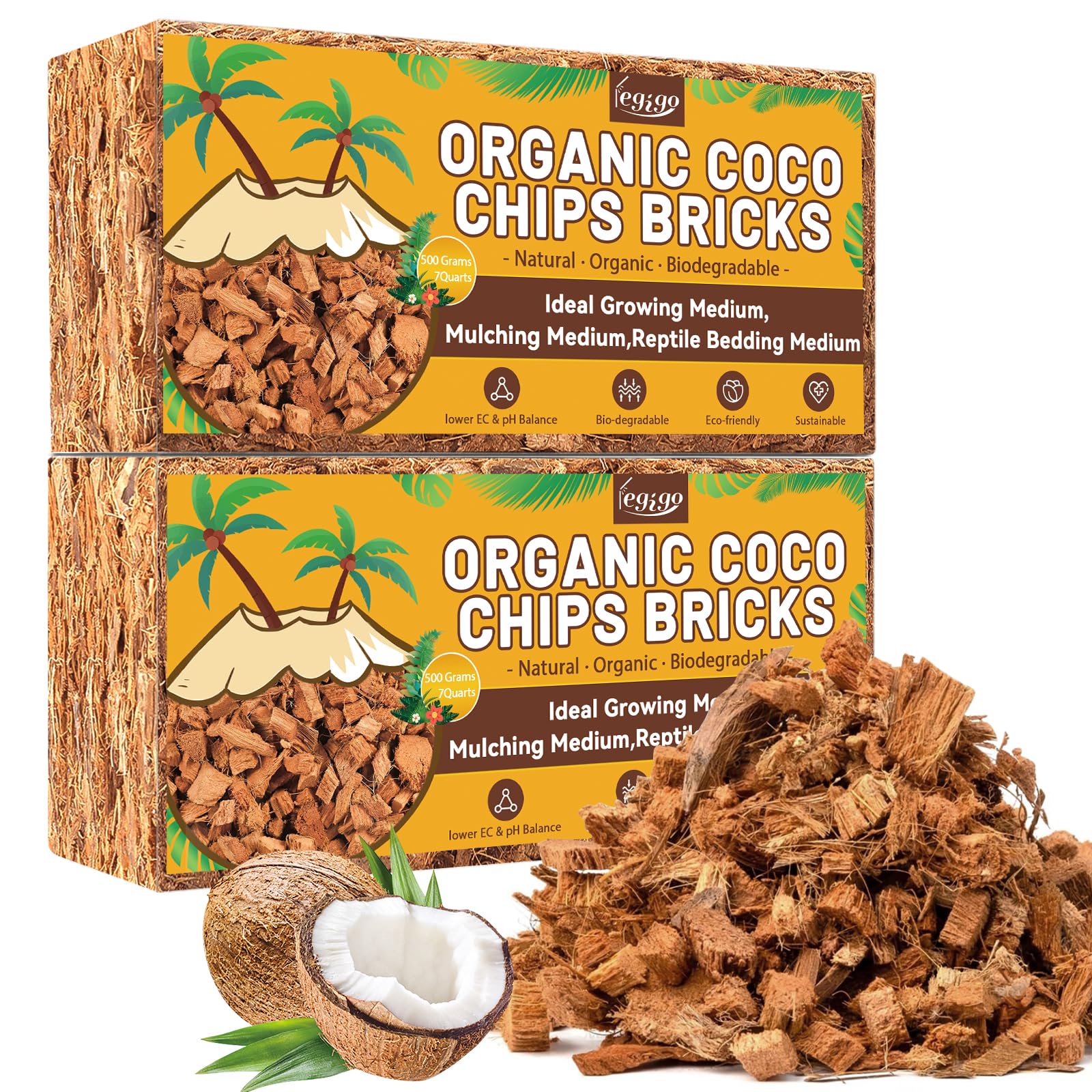
Legigo Coco Chips 2pk

Legigo Coco Chips 2pk

Aroid orchid mixes

Our Score 9.2/10
Check Price

Worth Noting

  • Chip size and fiber content can vary between batches, affecting mix consistency
Dust Level
Low dust
Media Type
Coco coir chips
Particle Size
Chunky chips
Buffering & EC
pH balanced low EC
Read the full review

These coco chips expand well and add aeration to custom potting mixes for aroids and orchids. The chip size and texture can vary between batches, so this works best where uniform particle size isn't critical. It is not a suitable standalone medium for hydroponic systems.

Bottom line: A cost-effective choice for hobbyists mixing their own aroid or orchid media, provided chip uniformity is not a priority.

7

FoxFarm CN 70:30 2cu ft

FoxFarm CN 70:30 2cu ft

Coco hydroponics

Our Score 9.2/10
Check Price

Worth Noting

  • Not pre-washed; mold and salt content may require additional rinsing before hydroponic use
Dust Level
Moderate dust
Media Type
Coco/perlite mix
Particle Size
70/30 blend
Buffering & EC
Pre-buffered
Read the full review

This pre-mixed 70:30 coco-perlite blend simplifies setup for container vegetable gardens with consistent drainage. However, some bags arrive with mold growth or elevated salt levels, requiring additional rinsing before reliable use in hydroponic systems. For growers prioritizing sterility or new to managing runoff EC, this medium introduces extra steps compared to pre-washed alternatives.

Bottom line: Suitable for container gardeners and hydroponic growers willing to rinse and test runoff EC before planting.

8

GROW!T Clay Pebbles 40L

GROW!T Clay Pebbles 40L

Bulk soil amendment

Our Score 9.2/10
Check Price

Worth Noting

  • Pebbles can float for extended periods, making them unsuitable for hydroponic systems that require sinking media
Dust Level
Low dust
Media Type
Clay pebbles
Particle Size
4-16 mm
Buffering & EC
pH neutral
Read the full review

This 40-liter bag provides a cost-effective volume of durable clay pebbles, ideal for improving soil drainage or replacing orchid bark. The pebbles may float for extended periods, which limits their use in hydroponic setups that require sinking media.

Bottom line: This bag works well as a decorative top dressing or soil amendment, but skip it if you need sinking media for hydroponics.

9

Pulovin Leca 10lb

Pulovin Leca 10lb

Hydroponics orchids

Our Score 9.2/10
Check Price

Worth Noting

  • Sizing can be smaller than the advertised range
Dust Level
Dusty
Media Type
Clay pebbles
Particle Size
4-16 mm
Buffering & EC
pH neutral
Read the full review

This 10-pound bag offers decent value for small hydroponic systems and orchid potting. Pebbles may run smaller than the 4-16mm range, and dust needs thorough rinsing. Plant health outcomes can vary, so it's best for less demanding setups where some trial is acceptable.

Bottom line: Best suited for small-scale or experimental hydroponic setups where budget matters more than consistency.

10

WAURHER Leca 10lb

WAURHER Leca 10lb

Hydroponics orchids

Our Score 9.2/10
Check Price

Worth Noting

  • Pebble size (7-15 mm) may be too large for small net pots or tight containers.
Dust Level
Low dust
Media Type
Clay pebbles
Particle Size
7-15 mm
Buffering & EC
pH neutral
Read the full review

These clay pebbles absorb water well and come clean with minimal rinsing. Users find them effective for hydroponic systems and orchid potting. However, the pebble size (7-15 mm) can be too large for small net pots, and with fewer reviews compared to top sellers, long-term consistency is less thoroughly documented.

Bottom line: Best suited for medium to large hydroponic setups and orchid pots where pebble size is not a constraint, rather than tiny net cups.

11

GH Rapid Rooter Plugs 50pk

GH Rapid Rooter Plugs 50pk

Propagation cloning

Our Score 9.0/10
Check Price

Worth Noting

  • Designed for propagation only, not as a standalone hydroponic medium
Dust Level
Low dust
Media Type
Sponge plugs
Particle Size
1.5 in plugs
Buffering & EC
pH neutral
Read the full review

These foam plugs deliver high germination rates and consistent moisture for propagation. A standard choice for starting seeds and rooting cuttings, they require no soaking or pre-treatment. Indoor gardeners and hydroponic propagators get steady root development. However, the per-plug cost is higher than alternatives, and some plugs can arrive crushed in transit. These plugs are a starter medium, not a primary hydroponic substrate.

Bottom line: For seed starting and cloning, these plugs deliver consistent results, but budget-focused growers may want cheaper alternatives.

How to Choose

Media Type

Each media type serves a different purpose. LECA (expanded clay pebbles) provides excellent aeration in deep water culture and ebb-and-flow systems but does not wick water, so roots must reach the nutrient solution directly. Coco coir holds water and nutrients like a sponge, making it ideal for drip irrigation and top-fed systems, but it can compact over time if not mixed with perlite.

Perlite is a lightweight volcanic glass that improves drainage and aeration in soil or coco mixes but floats in pure water, so it is not a standalone hydroponic medium. Sponge plugs (like Rapid Rooter) are designed for propagation; they retain moisture without staying soggy, giving seeds and cuttings a consistent environment for root development.

Particle Size

Particle size directly affects water flow and root penetration. In LECA, uniform 4-16 mm pebbles create even air pockets and prevent clogging in net cups. Smaller pieces or excessive fines can settle at the bottom and restrict drainage, leading to anaerobic zones. For coco coir, a coarse texture (chips rather than fine dust) ensures good air exchange; fine coco can hold too much water and suffocate roots.

Sinkability or Water Absorption

LECA that floats instead of sinking destabilizes plant roots in flood-and-drain systems; the pebbles shift when the water level drops, exposing roots to air and causing stress. The floating is caused by a sealed outer layer or trapped air inside the pores. A 30-minute soak test reveals whether a batch will sink—if it stays afloat, it is unsuitable for most hydroponic setups. Coco coir and plugs naturally absorb water, so they need no float test.

Dust Level

Dust from LECA and perlite can clog pumps, drip emitters, and air stones if not removed. It also irritates lungs when inhaled. Rinsing pebbles in a colander under running water until the runoff runs clear is the standard prep. Some brands claim to be 'pre-washed' but still release dust; a quick rinse never hurts. For perlite, wearing a mask during pouring is recommended because the fine particles become airborne easily.

Buffering and EC

Coco coir naturally contains salts and can bind calcium, leading to deficiencies if not buffered. Pre-buffered bricks are treated with calcium and magnesium to stabilize pH and prevent lockout, but not all brands do this thoroughly. Testing the EC of the runoff after the first soak tells you if the brick was properly rinsed. LECA and perlite are inert—they do not affect pH or nutrient balance—so they require no buffering. Plugs are usually pH-neutral and ready to use.

Frequently Asked Questions