Greenhouses & Hydroponics

10 Best Hydroponic pH Meter of 2026: Models That Hold Calibration and Last

Find the hydroponic pH meter that actually holds calibration and survives daily nutrient management without wasting money on unreliable budget pens.

Every hydroponic grower has dealt with a pH meter that drifts mid-grow, turning precise nutrient management into a guessing game. Calibration loss is the top complaint across budget and mid-range meters alike, and a few bad readings can throw off an entire reservoir.

The real decision isn't just about price — it's about choosing between a meter you can rely on for years with a replaceable probe, or a sealed unit that costs less upfront but will need replacing sooner. This guide matches each meter to how often you grow and how much precision you actually need.

Investing in a replaceable probe and stable calibration pays off quickly for anyone running multiple reservoirs or sensitive crops, while occasional hobbyists can save money with a simpler tool as long as they accept a shorter lifespan.

1

GIDIGI Pro Color

Top Pick
GIDIGI Pro Color

Beginners

Our Score 9.4/10
Check Price

Worth Noting

Parameters
pH, TDS, EC, Temp
Calibration
2-point pH+EC
Replaceable Probe
Read the full review

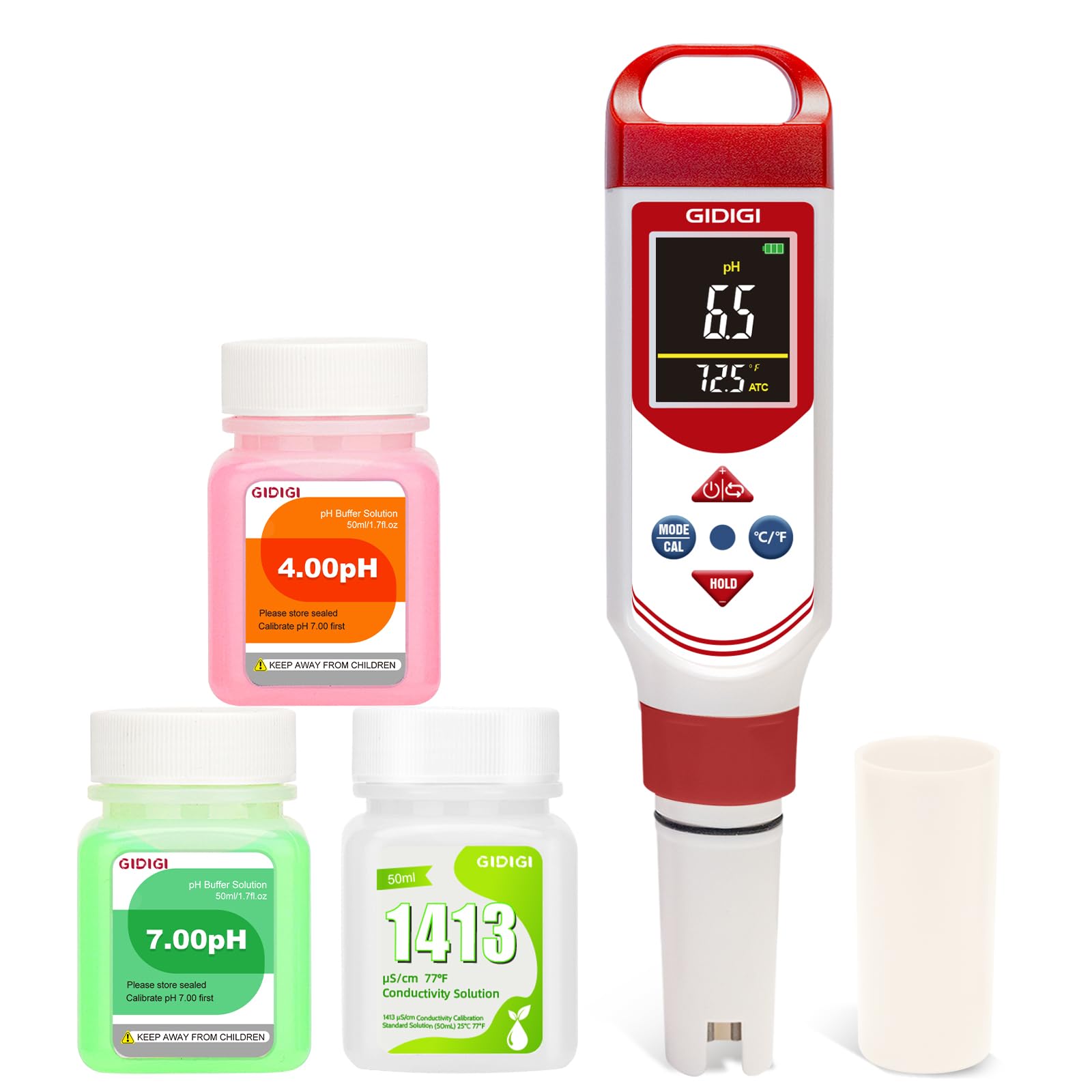
The GIDIGI Pro Color stands out among budget meters with its bright color screen and straightforward calibration process out of the box. It reads pH, EC, TDS, and temperature, giving new hydroponic growers a modern interface without much fuss. Initial accuracy holds well for casual use.

Where this meter falls short is its limited track record. With only a handful of reviews, long-term durability under regular nutrient management is unconfirmed — this fits best as a backup or short-term starter tool rather than a daily driver for serious growers.

Bottom line: If you need a budget backup or a first meter to learn on, the GIDIGI’s screen and ease of use make it worth considering — just know that its long-term durability hasn’t been tested yet.

2

Apera PH60 Premium

Apera PH60 Premium

Serious growers

Our Score 9.0/10
Check Price

Worth Noting

Parameters
pH only
Calibration
Auto 3-point
Replaceable Probe
Yes
Read the full review

The Apera PH60 delivers pH readings to ±0.01, a level of precision that matters when a tenth of a pH unit can shift nutrient availability for your plants. Its 3-point auto-calibration across five buffers makes setup straightforward, and the replaceable glass probe means this meter doesn't become e-waste when the sensor ages — you simply swap the probe and continue.

In use, the PH60 feels solid and well-constructed. The kit arrives in a rugged carrying case with calibration solutions, storage solution, and a user guide — everything needed to start measuring immediately. The LCD display shows pH and temperature, and a smiley icon appears once the reading stabilizes, reducing guesswork. Users report that the meter holds calibration well between uses, and the waterproof housing (IP67) handles the wet environment of a hydroponic setup without fuss.

This meter is designed for the grower who treats pH management as a precise science — not a casual check. If you are running a serious hydroponic system where nutrient uptake depends on tight pH control, the PH60's accuracy and long-term durability justify its premium price. The glass probe is delicate and must be stored in KCL solution to maintain accuracy; this adds a small maintenance step but is standard for professional-grade glass electrodes. For occasional or budget-constrained users, simpler meters or disposable pens would be a better fit.

Where the PH60 stands apart from more affordable pH pens is the replaceable probe. Models like Apera's own PH20 offer similar accuracy for half the price, but without a replaceable sensor you are buying a disposable unit with a 12-18 month lifespan. The PH60's probe replacement extends the meter's life indefinitely, making it a better long-term investment for the regular grower.

Store the probe in KCL solution when not in use to maintain accuracy and extend its life.

Bottom line: The PH60 brings lab-grade pH precision into the grow room with a build and probe design that avoids planned obsolescence — a sound investment for anyone who relies on consistent pH control.

3

AC Infinity PRO

AC Infinity PRO

AC Infinity loyalists

Our Score 9.0/10
Check Price

Worth Noting

  • In quiet grow rooms, humidity may cause condensation on the probe tip if stored without KCL solution
  • Calibration can require multiple cycles before first use to lock in stable readings
Parameters
pH only
Calibration
3-point pH+KCL
Replaceable Probe
Yes
Read the full review

What sets the AC Infinity PRO apart from other pH pens at this price is the combination of a replaceable glass probe and IP67 waterproofing, giving serious growers a durable tool that can handle wet environments without sacrificing precision. The ±0.01 pH accuracy matches meters costing twice as much, and the three-point calibration (4.00, 7.00, 10.01) plus KCL storage solution extends the life of the probe beyond what fixed-probe alternatives offer.

This meter is best suited for AC Infinity brand loyalists or hydroponic growers who prioritize a replaceable probe and IP67 rating over a longer track record. The main tradeoff to weigh is the calibration process: some units require multiple attempts out of the box, and a few arrive with wet tips suggesting prior testing. For those who are comfortable running an extra calibration cycle before use, the AC Infinity PRO delivers professional-grade readings without the Apera PH60's higher price.

Build quality is noticeably better than budget options — the housing feels solid, and the interface is straightforward even for first-time users. The replaceable probe means you can swap it rather than tossing the whole unit when performance drifts, which aligns with the long-term thinking of serious soil-less gardeners.

Running the full three-point calibration twice before first use can resolve initial inconsistency and ensure accurate readings from the start.

Bottom line: For hydroponic growers who want IP67 toughness and a replaceable probe at a premium but competitive price, the AC Infinity PRO is a strong alternative to the Apera PH60 — just plan for an extra calibration round on day one.

4

EZTOCH 4-in-1

EZTOCH 4-in-1

Budget beginners

Our Score 9.0/10
Check Price

Worth Noting

  • Calibration can shift unexpectedly, which may confuse a new user who assumes a one-time setup is enough
  • For a grower planning to use the same meter season after season, probe life may fall short within several months
Parameters
pH, EC, TDS, Temp
Calibration
Pre-calibrated
Replaceable Probe
Read the full review

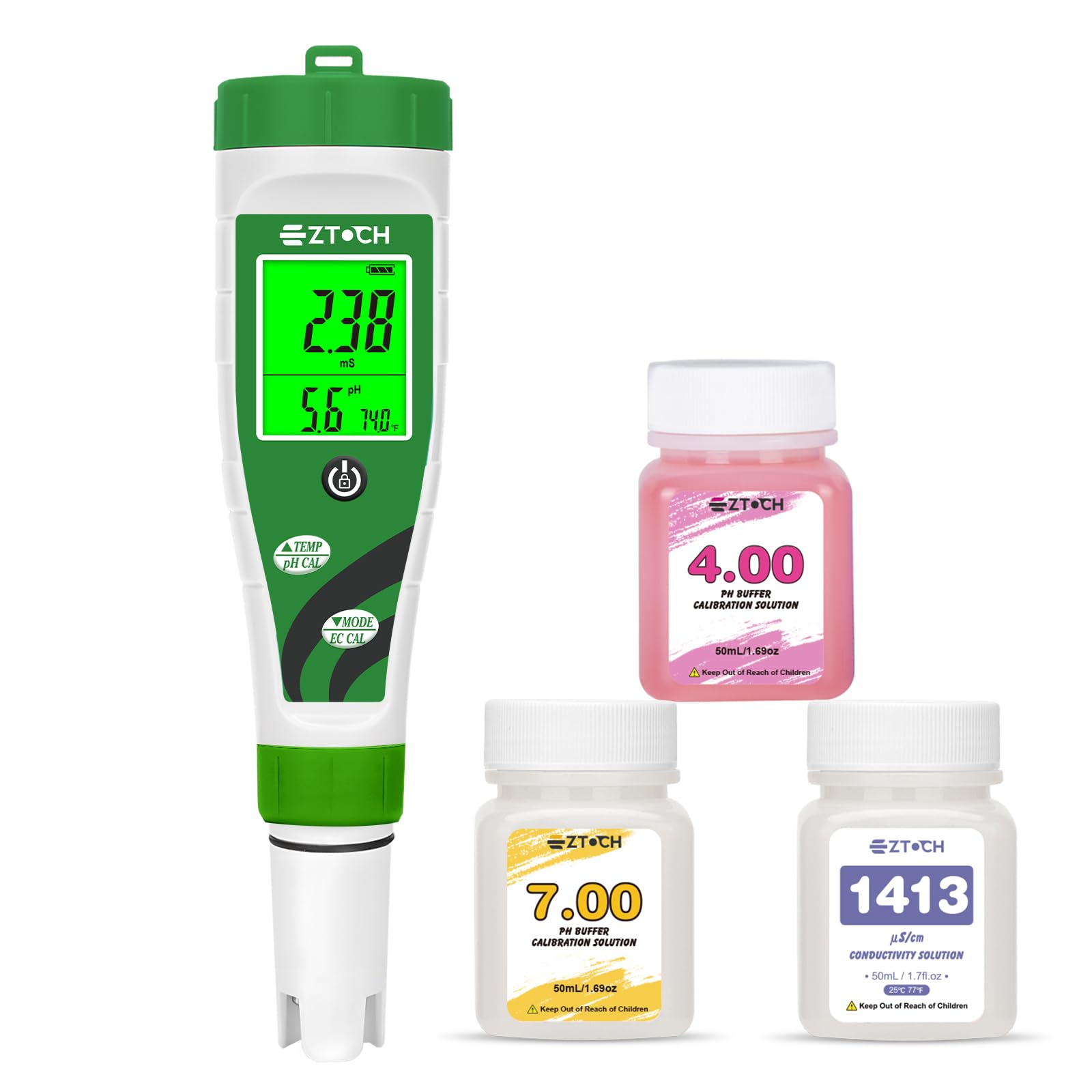
The EZTOCH 4-in-1 delivers simultaneous pH, EC, TDS, and temperature readings right out of the box — simple operation that works for occasional reservoir checks. The pre-calibrated sensor and included solutions get you running quickly, and the price makes it an entry-level option for those testing the waters in hydroponics. However, calibration consistency can vary between units, and a handful of owners have noted the probe losing accuracy after a few months of use. This makes it a fit for casual growers with small setups who don't mind recalibrating or replacing the meter after a season, rather than for anyone relying on precise, long-term nutrient management.

Bottom line: Worth considering if you need a low-cost way to start tracking pH and EC and are comfortable with possible recalibration or replacing the unit within a year.

5

Apera PH20

Apera PH20

Serious hobbyists

Our Score 8.8/10
Check Price

Worth Noting

  • Probe is not replaceable; the meter's lifespan is typically 12 to 18 months with proper care.
  • Some units may stop functioning prematurely, so buying from a retailer with a solid return policy is wise.
Parameters
pH only
Calibration
Auto 2-point
Replaceable Probe
No
Read the full review

The Apera PH20 matches the ±0.1 pH accuracy of pricier meters while coming in a full kit that includes calibration buffers, storage solution, and a rugged carrying case. Where the top pick offers higher precision and a replaceable probe, the PH20 delivers comparable real-world performance for half the investment, making it a strong alternative for growers who prioritize value over long-term component replacement.

This meter suits serious hobbyists and professionals who need consistent, fast pH readings for hydroponic nutrient management and are comfortable replacing the entire unit after 12 to 18 months of use. The probe is not replaceable, so the meter has a finite lifespan; plan for that when budgeting. The waterproof build and auto-calibration with 4 and 7 buffers keep the workflow smooth in wet environments.

Bottom line: For hydroponic growers who want professional-level pH measurement without paying for replaceable-probe longevity, the PH20 is the smart buy. Just factor in a replacement every year or so.

6

Bluelab pH Pen

Bluelab pH Pen

Water-resistant use

Our Score 8.8/10
Check Price

Worth Noting

  • Probe may need replacement within a few months in some cases
  • Calibration may not hold as long as expected, requiring more frequent checks
Parameters
pH only
Calibration
2-point, 30-day indicator
Replaceable Probe
Yes
Read the full review

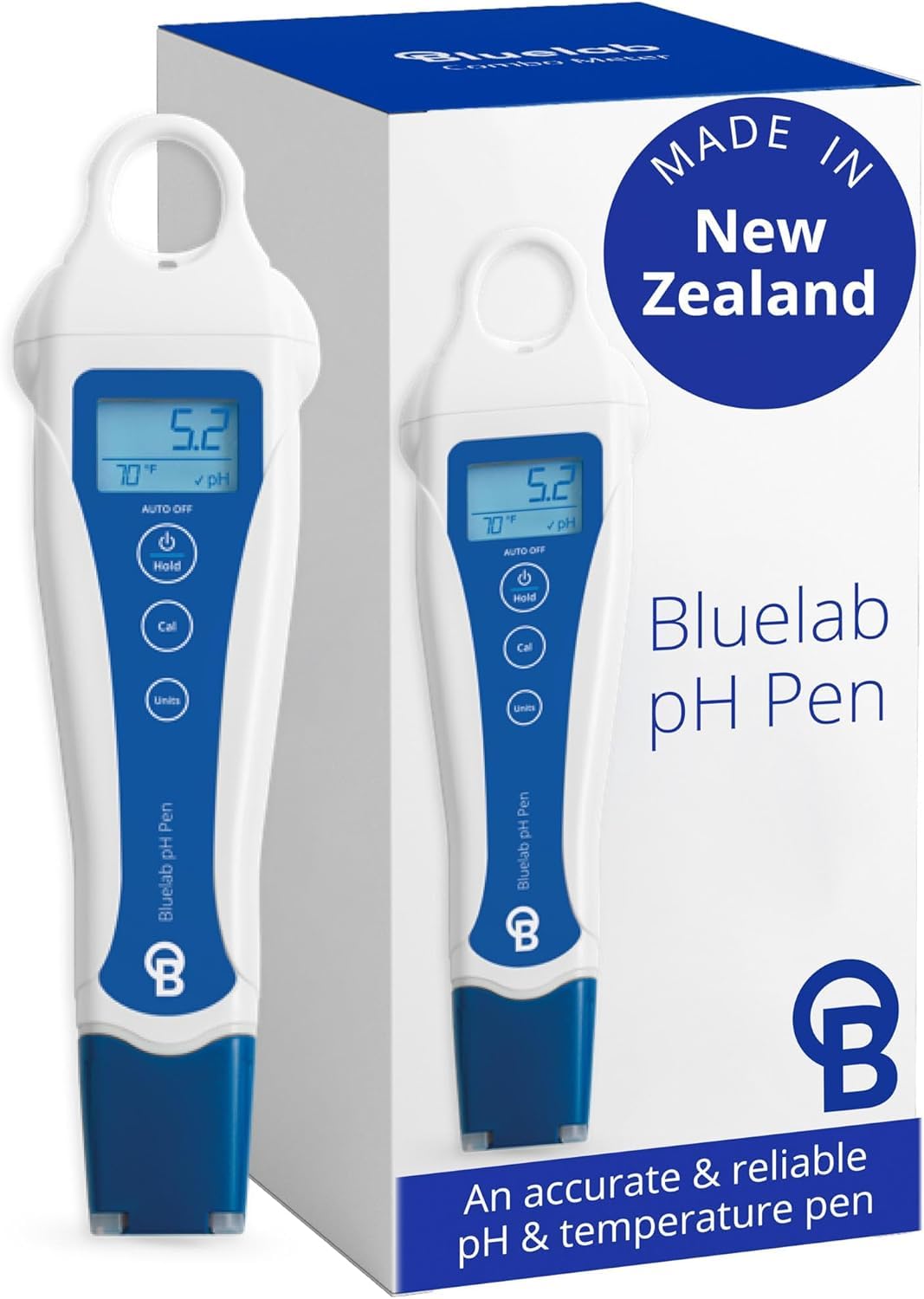
The Bluelab pH Pen is built to handle wet, messy grow room conditions without fuss. Its waterproof housing and floating design mean accidental drops into reservoirs are no disaster — just rinse and continue. That ruggedness contrasts with the Apera PH60, which requires careful storage in KCL solution to protect its delicate glass probe.

This pen fits growers who prioritize water resistance and don't mind replacing the probe every few months. Be aware that longevity can vary — some units may need attention sooner than the premium price suggests. For those who demand ±0.01 pH accuracy and a longer-lasting probe design, the top pick is a better match.

Calibration is straightforward with a two-point process and a 30-day reminder. The replaceable double-junction probe lets you refresh the meter rather than replace it. The solid housing and responsive buttons reinforce a premium feel that survives daily use.

The ±0.1 pH accuracy handles typical nutrient management needs. Auto temperature compensation reduces one variable, and regular standard checks help catch any drift.

Rinse the probe after each use and store with a few drops of storage solution to prolong its lifespan.

Bottom line: If your grow room is a wet environment and you are comfortable with periodic probe swaps, the Bluelab pH Pen delivers toughness that the Apera PH60 cannot match.

7

UIUZMAR 4-in-1

UIUZMAR 4-in-1

Casual hobbyists

Our Score 8.8/10
Check Price

Worth Noting

  • For daily or long-term hydroponic use, accuracy can shift after calibration, requiring frequent re-checks.
  • Durability falls short for anything beyond a few weeks of occasional use; some meters stop giving consistent readings.
Parameters
pH, EC, TDS, Temp
Calibration
Replaceable Probe
Read the full review

The UIUZMAR 4-in-1 brings together pH, EC, TDS, and temperature readings at a budget-friendly price, and most users find the calibration routine straightforward. For casual hobbyists setting up a temporary grow or testing a few nutrient batches, this combo gets the job done without breaking the bank. However, the tradeoff for that low cost is inconsistent accuracy — some units drift noticeably even after calibration — and limited durability, with occasional reports of the meter becoming unreliable after a few weeks of use. That makes it a poor fit for daily monitoring or long-term projects where stable readings matter more than initial savings.

Bottom line: Consider the UIUZMAR 4-in-1 only for short-term, budget-constrained setups where you can accept occasional recalibration and a limited lifespan. For regular hydroponic monitoring, a more dependable option like the YINMIK YK-T4 Pro or another mid-range meter will save frustration.

8

YINMIK YK-T4 Pro

YINMIK YK-T4 Pro

Hydroponic hobbyists

Our Score 8.6/10
Check Price

Worth Noting

  • Calibration can be finicky
Parameters
pH, EC, TDS, Temp
Calibration
2-point pH+EC
Replaceable Probe
Yes
Read the full review

The YINMIK YK-T4 Pro keeps pH, EC, TDS, and temperature measurements stable enough for weekly nutrient adjustments, outperforming cheaper combo pens that drift after a few uses. Its replaceable probe sets it apart from sealed-pen designs in the same price range, giving it a longer usable lifespan for the cost.

This meter suits hydroponic hobbyists who want a single device for pH and nutrient strength without the short lifespan of a sealed-probe meter. The replaceable probe extends its useful life, but the calibration process requires some patience — initial setup can be fussy, and re-calibration every few months keeps readings accurate. Users who prefer a no-calibration hassle should look at premium options with auto-calibration instead.

After initial calibration, store the probe in storage solution and re-calibrate monthly for best accuracy.

Bottom line: For hobbyists who value a replaceable probe and stable readings over absolute precision, the YK-T4 Pro delivers consistent results without breaking the bank.

9

YINMIK YK-P01

YINMIK YK-P01

Absolute beginners

Our Score 8.4/10
Check Price

Worth Noting

  • Calibration process can be inconsistent, with some units not holding settings for long.
  • Glass probe is fragile and may break if the meter is dropped or stored without the cap.
Parameters
pH, Temp
Calibration
3-point, powders
Replaceable Probe
Yes
Read the full review

For absolute beginners on a shoestring budget or as a backup meter, the YINMIK YK-P01 delivers basic pH and temperature readings at an entry-level price. The automatic temperature compensation and included calibration powders help achieve usable accuracy for casual checks. However, the glass probe is fragile and calibration can be tricky, with some units not holding settings for long. Without EC/TDS, this meter cannot support thorough nutrient management for hydroponic systems. It suits occasional verification rather than daily monitoring.

Store the meter with the probe cap filled with storage solution to prolong probe life.

Bottom line: Best suited as a one-off or backup pH tester for users who already have EC/TDS coverage and don't need daily precision.

10

EZTOCH WiFi Monitor

EZTOCH WiFi Monitor

Tech-savvy growers

Our Score 8.0/10
Check Price

Worth Noting

  • EC and pH readings can occasionally drift from calibrated values
  • pH sensor may stop responding after weeks of continuous use, requiring replacement.
Parameters
pH, EC, TDS, Temp, Humidity
Calibration
Replaceable Probe
Read the full review

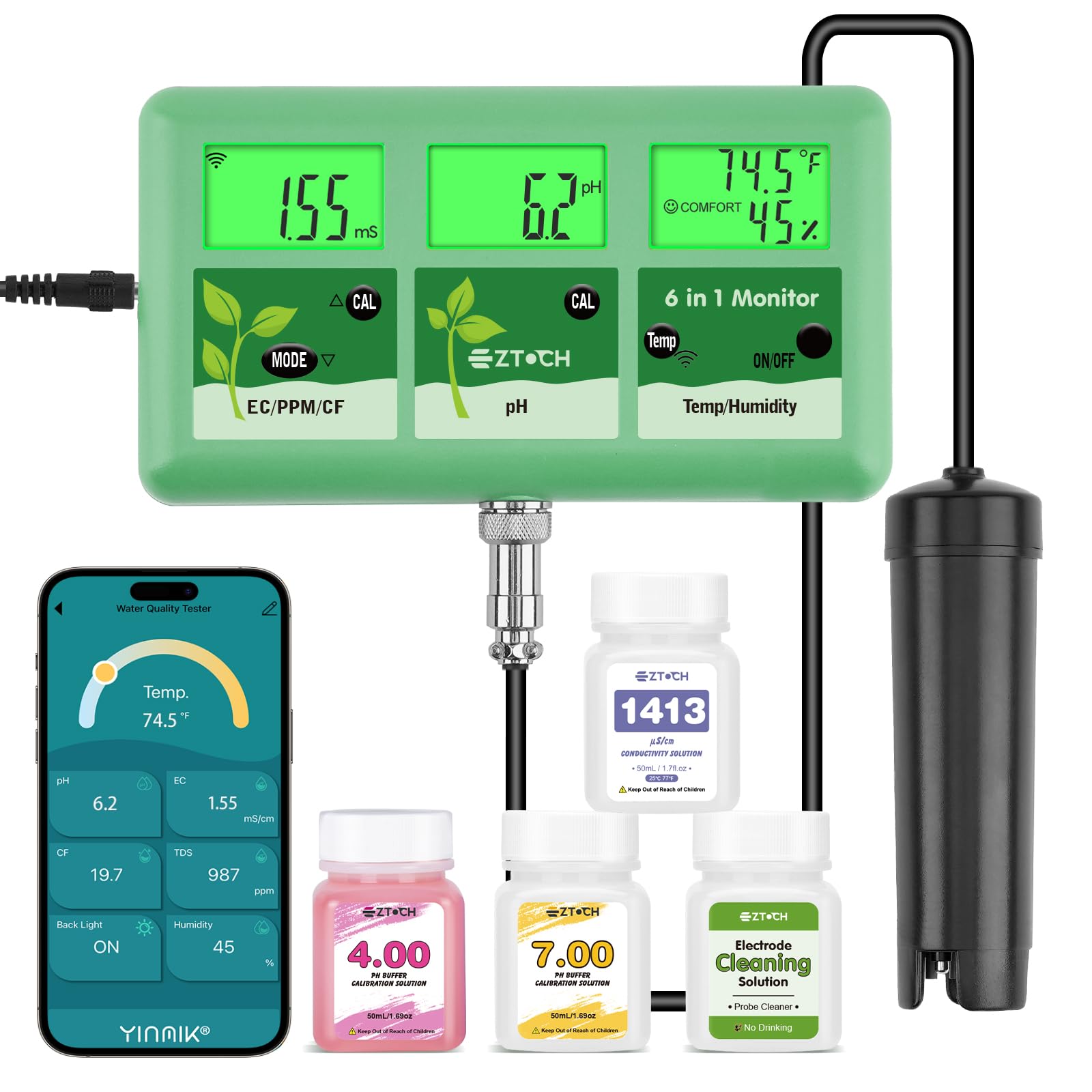
The EZTOCH WiFi Monitor stays in the reservoir 24/7, measuring pH, EC, TDS, temperature, and humidity while sending push notifications when readings drift outside your set thresholds. Unlike handheld pens that require manual dipping, this continuous monitor feeds data to the Tuya app for logging and remote checks — a clear advantage for growers with multiple systems who want to catch problems between walkthroughs.

Long-term durability under continuous use is not yet established, and some units have shown pH sensor failure after weeks of operation. Occasional EC or pH reading drift from calibration has also been noted, which means this monitor suits trend tracking rather than precise dosing adjustments for sensitive crops. Storing the probe in calibration solution when not in use may improve sensor lifespan.

This monitor fits best with tech-savvy growers who manage multiple reservoirs and want automated data collection without daily pen dips. Those who need lab-grade precision for delicate plants may find the occasional drift a limitation, but for larger systems where trend watching is enough, the convenience of continuous alerts outweighs the accuracy tradeoffs.

Store the probe in calibration solution when not in use to extend sensor life.

Bottom line: For tech-savvy growers managing multiple reservoirs who want data logging and alerts without constant manual testing, this is a compelling option — just keep spare sensors on hand.

How to Choose

Accuracy

Accuracy is the difference between ±0.01 pH and ±0.1 pH. A ±0.1 meter is fine for most leafy greens and herbs, but fruiting crops like tomatoes and peppers need tighter control to avoid nutrient lockout. The trade-off: higher accuracy meters use a glass probe that is more fragile and requires careful storage in KCL solution to keep the electrode hydrated. If you frequently switch between hot and cold nutrient solutions, automatic temperature compensation (ATC) becomes critical because pH readings shift with temperature - a 10°C change can skew readings by 0.2-0.3 pH without ATC.

Replaceable Probe

A replaceable probe extends the meter's life from 12-18 months to several years. Sealed units (like the Apera PH20) are cheaper upfront but become e-waste when the probe wears out. Probe replacement costs $20-40 for most models, so after two replacements you have spent around $100-120 total - still less than buying a new premium meter each time. However, the probe connector on some budget meters can corrode after a few swaps, so check that the replacement sensor is readily available and the design is sealed against moisture.

Number of Parameters

A pH-only meter is all you need if you already have a separate TDS or EC meter. Combo meters (pH+EC+TDS+Temp) save space and money but often compromise on accuracy - especially on the EC side where cheap sensors drift fast. If you run a single reservoir with stable nutrients, a combo is convenient. For multiple systems or high-value crops, separate dedicated meters give more reliable data and allow you to replace one without losing the other.

Calibration Ease

Automatic calibration with a few button presses is far less frustrating than manual screw adjustments. Most good meters auto-detect buffer solutions and guide you step by step. The hidden cost: calibration solutions expire and need to be replaced every few months. Storing the meter dry can destroy calibration within weeks, so always keep the tip moist in storage solution (not tap water).

Waterproof Rating

An IP67 rating means the meter can survive being submerged - useful if you drop it in a reservoir. Non-waterproof meters must be handled carefully; moisture inside the electronics will cause erratic readings. Floating models (like Bluelab) are a safety net for deep water culture systems, but the trade-off is a bulkier design and occasional calibration drift from internal condensation if the seal fails.

Frequently Asked Questions