Poultry & Livestock

4 Best Livestock Halter of 2026: Match the Right Halter to Your Animal

Find a livestock halter that fits your animal's size and use—rope, nylon, or leather for sheep, goats, cattle, or horses.

A livestock halter that slips off or chafes your animal isn't just frustrating—it wastes time and can cause injury. The right fit depends less on brand and more on matching material to your specific livestock: rope for training, nylon for everyday use, or leather for show rings.

Size inconsistency across brands makes measuring your animal's head before buying essential. A halter that seems cheap might cost more in replacement if it doesn't fit or wears out quickly. This guide focuses on halters built for their intended job—sheep, goats, cattle, or horses—so you buy once and use it for seasons.

1

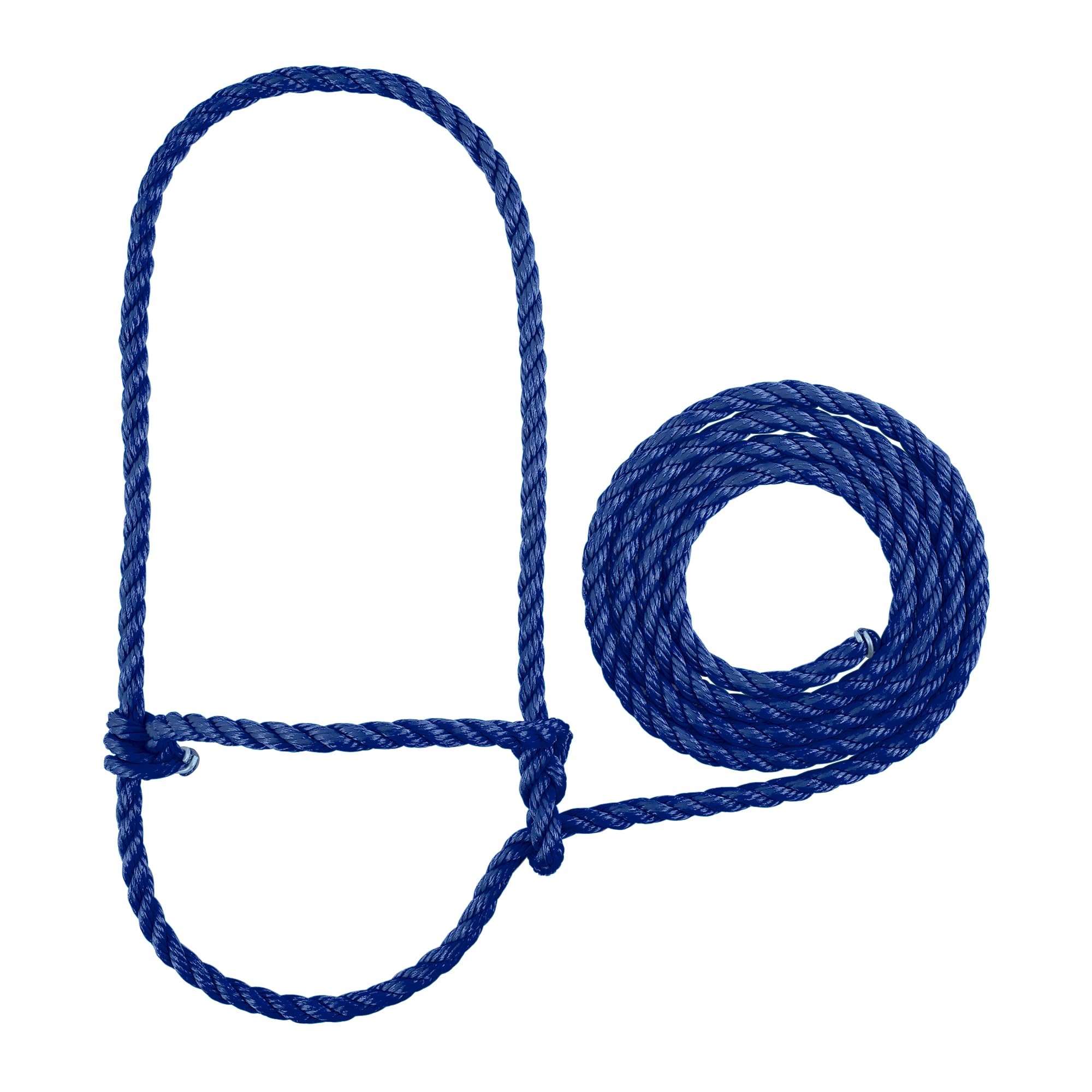
Weaver Braided Poly Rope

Top Pick
Weaver Braided Poly Rope

Sheep goats calves

Our Score 9.2/10
Check Price

Worth Noting

  • On very small or very large animals, the fit may be loose.
  • Attached lead rope may be shorter than some prefer for leading larger animals.
Material
Braided poly rope
Adjustability
Yes
Target Species
Sheep, goats
Read the full review

The braided poly rope construction is gentle on sensitive skin, making it a good match for sheep and goats that might rub against a harsher halter. The included lead and adjustable crown offer straightforward handling without added cost. For the price, the build quality holds up well under regular use.

Best for small livestock owners with sheep, goats, or small calves. The halter may sit loose on very small lambs or larger goats, and the attached lead can feel short when leading animals at a distance. For bigger cattle over 500 lbs, look to a dedicated cattle halter instead.

Measure your animal's head circumference to confirm fit, as the halter may loosen on very small or large heads.

Bottom line: For small livestock owners who want a soft, adjustable halter that stays within a tight budget, this is the clear choice.
2

Weaver Braided Cattle Halter

Weaver Braided Cattle Halter

Cattle calves

Our Score 9.2/10
Check Price

Worth Noting

  • The 7-foot lead is short for some handling tasks; plan accordingly
Material
Braided poly rope
Adjustability
Yes
Target Species
Cattle
Read the full review

The Weaver braided poly rope halter delivers solid performance for the price, with an attached lead that simplifies handling. Best for cattle farmers on a budget working with calves and cows. The 7-foot lead may feel short for some tasks; consider if you need extra length.

If you need extra reach, clip on a separate lead or extension rope.

Bottom line: A cost-effective choice for routine cattle handling where a longer lead is not required.

3

T TEKE Padded Horse Halter

T TEKE Padded Horse Halter

Large sensitive horses

Our Score 9.2/10
Check Price

Worth Noting

  • Metal fittings on some units may fail under heavy strain
Material
Polypropylene webbing
Adjustability
Yes
Target Species
Horse
Read the full review

The T TEKE Padded Halter combines neoprene padding on the crown and nose with adjustable chin and crown straps for a secure, comfortable fit. The heavy-duty polypropylene webbing and brass-coated hardware provide durable construction. This halter suits horses with larger heads and owners prioritizing comfort. Note that the sizing runs large — a smaller size may be needed for average-sized horses. Some units have shown hardware breakage under stress.

Bottom line: A comfortable padded halter for large-headed horses, but double-check sizing and inspect hardware periodically.

4

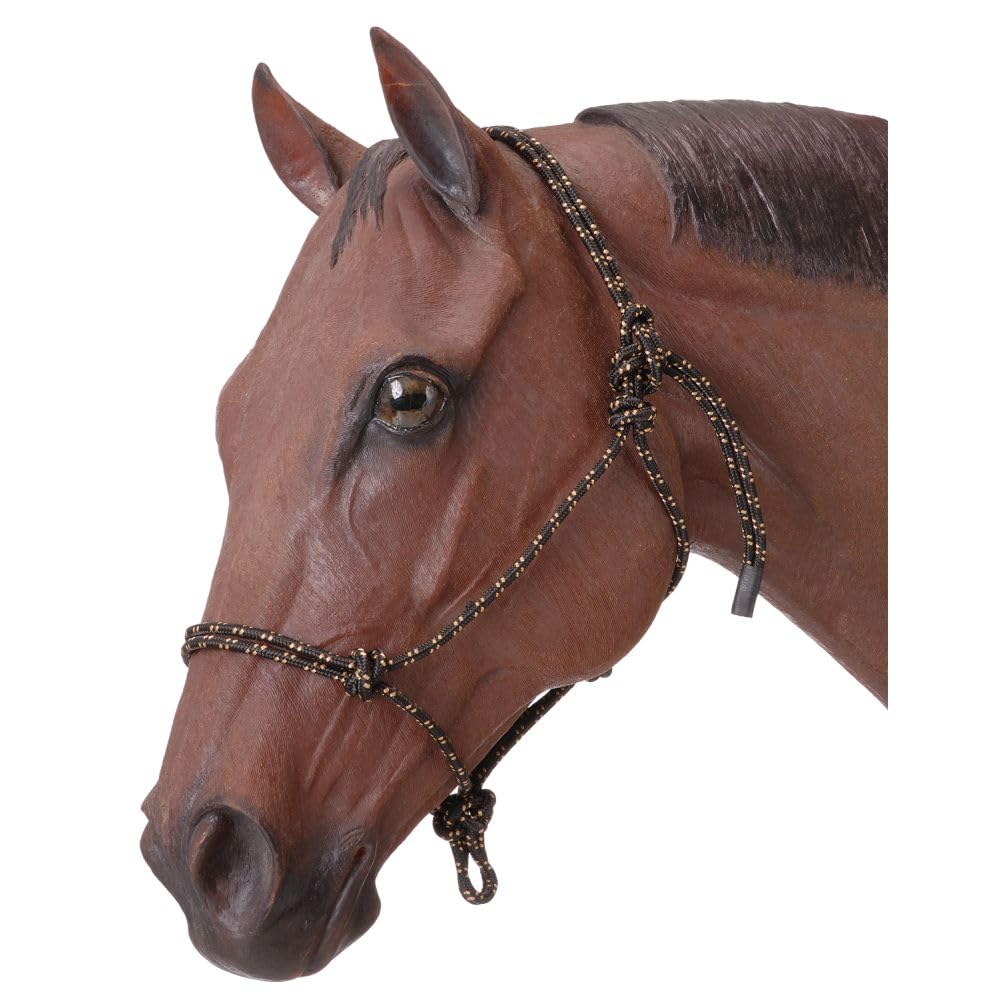
Tough 1 Poly Rope Halter

Tough 1 Poly Rope Halter

Horses light use

Our Score 9.0/10
Check Price

Worth Noting

  • Rope is initially stiff, making it hard to tie until broken in
  • Tip covers may fall off and rope can fray with repeated use
Material
Poly-nylon
Adjustability
No
Target Species
Horse
Read the full review

The Tough 1 Poly Rope Halter delivers on price and color selection, fitting a wide range of horses right out of the package. It is designed for light, temporary horse handling rather than daily farm use. The poly rope arrives stiff and can be hard to tie until broken in, and the shrink-wrapped tip covers may loosen over time. This halter works best for horse owners who need a budget-friendly occasional halter and are willing to tolerate the break-in period. For cattle, sheep, or goats, the top pick is a better fit.

Soak the rope in warm water for an hour, then hang to dry -- this speeds up the break-in process and makes the halter easier to tie.

Bottom line: A cost-effective choice for occasional horse handling, provided you can work through the initial stiffness; not suitable for heavy farm use or other livestock.

How to Choose

Material

Rope halters are common for training and handling because the thin rope applies pressure to pressure points, encouraging the animal to yield. Nylon halters are softer and gentler for everyday leading, but they can stretch over time. Leather halters are used primarily for show cattle and goats due to their classic appearance and durability, but they require more care to keep from drying out.

For sheep and goats, a soft braided rope prevents chafing on delicate facial bones. For cattle, a thicker nylon or rope halter can withstand more pulling force. Horses often do best with a well-fitted nylon or padded halter to avoid rubs behind the ears.

Adjustability

Most halters have some adjustability at the crown or chin, but the range varies. An adjustable halter can accommodate growth or a thicker winter coat, while a fixed-size halter offers a cleaner look for show rings. If your animal is between sizes, look for a halter with multiple adjustment holes or a sliding knot design.

A halter that is too loose can slip off, especially on animals with a narrow poll or smaller head shape. Too tight can cause discomfort or restrict breathing. Measure the circumference of the noseband and crown and compare to the manufacturer's sizing chart before purchasing.

Lead Length

The lead rope length affects how much control you have. A short lead (under 6 feet) keeps the animal close, useful for close-up work or showing. A longer lead (8–10 feet) gives more distance for training or tying. If the halter does not come with a lead, you will need to buy one separately, so factor that into the total cost.

A lead that is too short can make leading large animals awkward, while a very long lead can drag on the ground and become a tripping hazard. Consider the typical tasks you perform and choose a length that matches.

Target Species

Halters are designed with specific species in mind. A sheep halter is narrower and lighter than a cattle halter. Using a cattle halter on a goat can be too bulky and cause rubbing. A horse halter often has different proportions around the nose and poll to fit the horse's head shape.

Some halters are labeled multi-species, but they usually work best on the species they are sized for. It is safer to buy a halter explicitly made for your animal to ensure proper fit and minimize the risk of escape or injury.

Hardware Quality

The metal hardware—buckles, snaps, rings—determines how long the halter lasts and how secure it feels. Brass or nickel-plated hardware resists rust better than plain steel, but it can still corrode over time. Look for welds that are smooth and free of burrs.

Cheaper halters often use thin metal that can bend or break under sudden pressure, especially with a strong horse or bull. If you need a halter for heavy-duty restraint or training, choose one with reinforced hardware and a chain chin (if appropriate) for extra control.

Frequently Asked Questions