Poultry & Livestock

10 Best Oyster Shell for Chickens of 2026: Match Your Flock's Taste

Find which oyster shell form (crushed, flaked, or flour) your laying hens will actually eat and digest for stronger eggshells.

Chickens can be surprisingly picky about oyster shell. Many keepers report that their hens refuse certain brands because the pieces are too large or too sharp, leaving calcium supplements untouched and eggshells weak. The result is a frustrating cycle of wasted money and fragile eggs, especially during peak laying months.

The core decision comes down to texture: finely flaked shell dissolves faster and is easier for chickens to swallow and digest, but it costs more per pound. Crushed shell offers better value, but only if your birds are willing to tackle the larger chunks. Powdered flour is a third option, best for mixing directly into feed rather than offering free-choice, since it lacks the grit some birds need.

This guide organizes the best oyster shell products by form, piece size, and price, so you can match the right calcium source to your flock's specific preferences. No more guessing which bag will actually get eaten.

1

Scratch & Peck Flaked Oyster 4lb

Top Pick
Scratch & Peck Flaked Oyster 4lb

Small flocks

Our Score 9.6/10
Check Price

Worth Noting

  • Higher cost per pound than feed store or bulk oyster shell options.
  • Occasional flakes may be too large for very small hen breeds.
Form
Flaked
Purity
Oyster shell
Bag Size
4 lb pouch
Piece Size
Uniform medium
Read the full review

Scratch and Peck's flaked oyster shell comes from 100% real Pacific Northwest oyster, delivering flakes that chickens actually eat. This palatability edge is the main draw for keepers who have struggled with other brands. The tradeoff is a higher per-pound price than bulk crushed options.

For small to medium flocks, the 4-pound pouch provides an effective calcium boost that strengthens eggshells. Picky layers take to it well, though very small birds may need larger flakes broken down. Keepers with large flocks will find the cost per pound too high for routine use.

Break any oversized flakes before offering to bantam or very small chickens.

Bottom line: If your chickens turn their beaks up at cheaper oyster shell, this flaked option is worth the premium for small flocks.
2

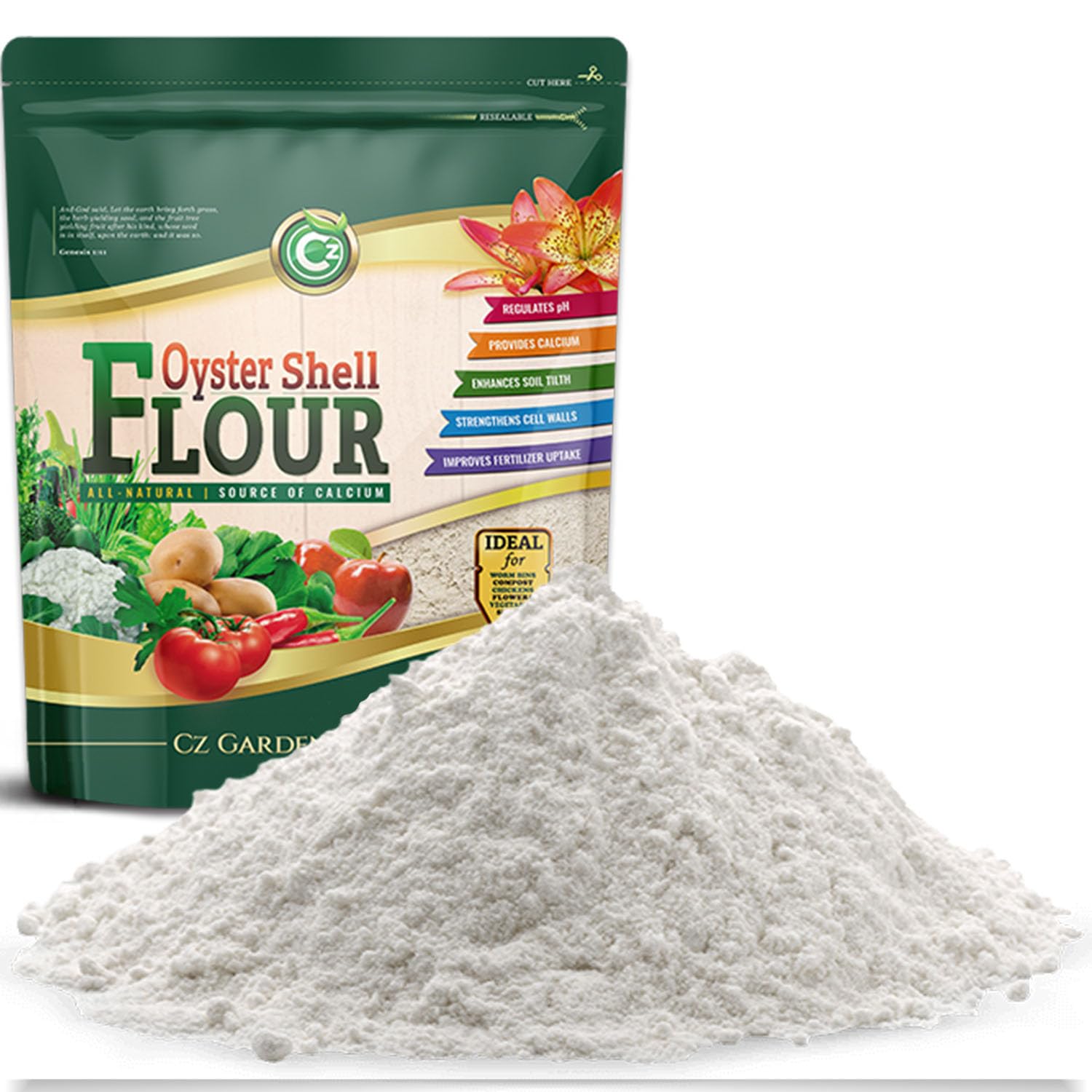
Cz Garden Oyster Shell Flour 5lb

Cz Garden Oyster Shell Flour 5lb

Gardeners

Our Score 9.6/10
Check Price

Worth Noting

  • Powder form is not suitable as a free-choice grit; chickens need particle texture to digest calcium effectively.
Form
Powder
Purity
Oyster shell
Bag Size
5 lb pouch
Piece Size
Fine powder
Read the full review

This finely ground oyster flour offers a dual-purpose option for gardeners and chicken keepers who blend calcium into feed. The OMRI listing confirms organic suitability for soil amendment or worm bins, though the powder form differs from the crushed or flaked texture chickens need for free-choice consumption. Best reserved for mixing into feed or stirring into garden beds rather than offering as a standalone grit.

Bottom line: Works well for keepers who want to blend calcium into feed or improve garden soil, but not a substitute for crushed oyster shell offered to hens.

3

Manna Pro Crushed Oyster Shell 30lb

Manna Pro Crushed Oyster Shell 30lb

Large flocks

Our Score 9.4/10
Check Price

Worth Noting

  • Chunk size can be too large for pullets or small breed hens.
  • Some chickens may refuse the crushed texture entirely.
Form
Crushed
Purity
Oyster shell
Bag Size
30 lb (6x5 lb)
Piece Size
Variable; some large
Read the full review

The 30-pound pack delivers the lowest cost per pound among oyster shell products with strong customer feedback, making it a practical choice for large flocks that go through calcium quickly. Heat-treated for purity, the crushed shell effectively strengthens eggshells when hens accept the texture.

This bulk size suits keepers with multiple hens who aren't picky about texture. The crushed pieces can be too large for pullets or small breeds, and some birds may simply refuse them. For flocks that do accept it, the calcium boost is consistent and cost-effective.

If you have mixed-age birds, consider crushing a few pieces further for younger pullets.

Bottom line: For large flocks that eat through calcium quickly and don't have finicky eaters, this is the most economical way to keep shells strong.

4

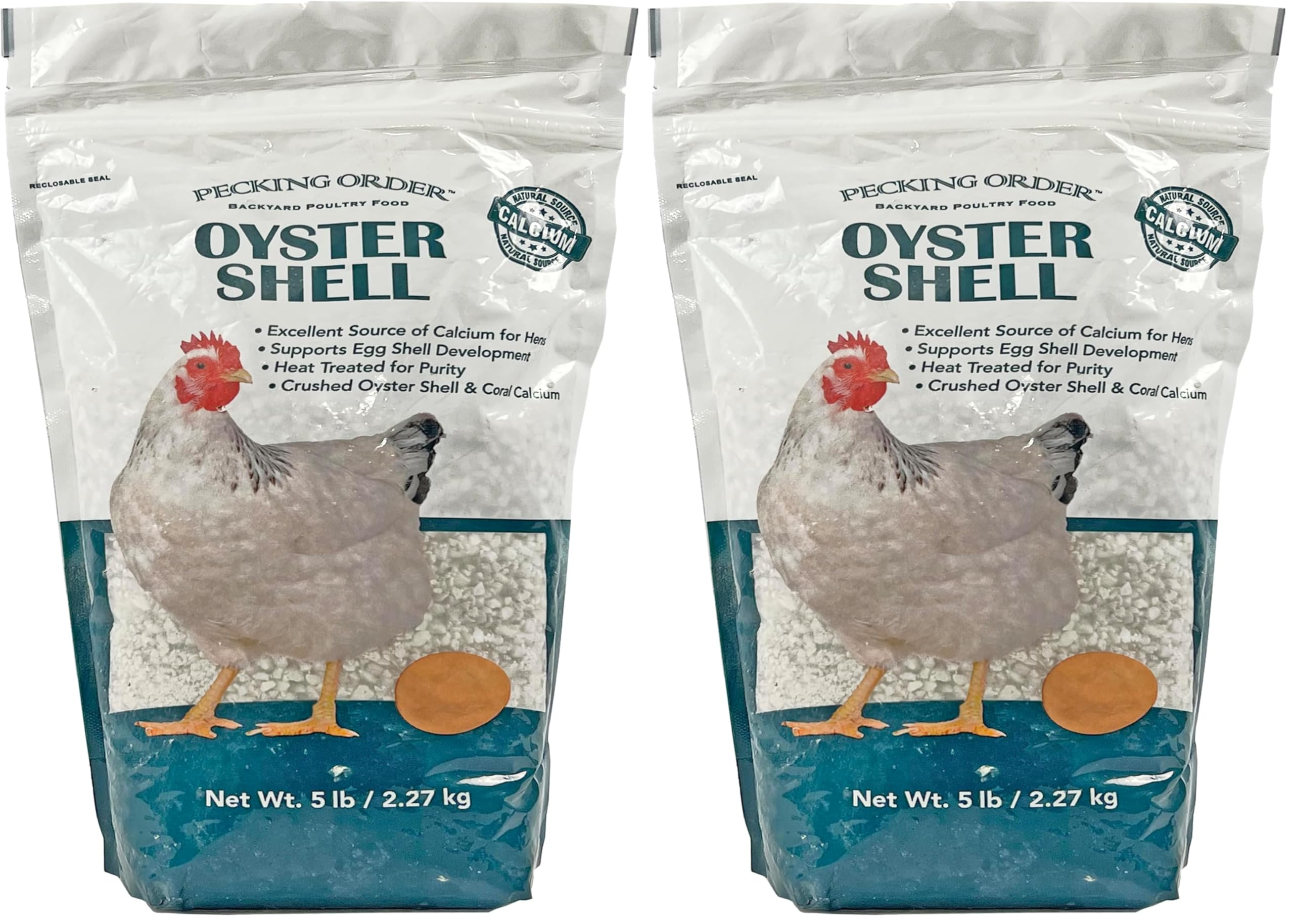
Pecking Order Oyster 10lb

Pecking Order Oyster 10lb

Large flocks

Our Score 9.4/10
Check Price

Worth Noting

  • Pieces can be marble-sized, making them too large for many chickens to comfortably consume.
  • Some hens refuse to eat due to chunk size or hardness, reducing calcium intake.
Form
Crushed
Purity
Oyster shell
Bag Size
10 lb (2x5 lb)
Piece Size
Marble-sized
Read the full review

Pecking Order delivers the lowest cost per pound among credible oyster shell options, but its marble-sized chunks require a flock that accepts large pieces. Eggshell firmness improves reliably when hens do eat it, and the two 5-pound bags offer a true bulk price. Many customers note that the chunks can be marble-sized, leading some chickens to refuse them outright — so this works best for large, unfussy flocks that don't mind big pieces. The heat-treated shells are free of contaminants, and the 10-pound total is enough to supply a sizable flock for weeks. For small breeds or picky birds, the top pick's more uniform flake is the better fit.

Crushing the larger pieces with a hammer can improve acceptance.

Bottom line: Best for large, non-picky flocks where volume and per-pound savings trump piece size.

5

Southside Oyster Flour 1lb

Southside Oyster Flour 1lb

Small flocks

Our Score 9.4/10
Check Price

Worth Noting

  • Small 1-pound pouch may require frequent reordering for flocks of more than a few hens.
Form
Powder
Purity
Oyster shell
Bag Size
1 lb pouch
Piece Size
Fine powder
Read the full review

This fine oyster flour blends into feed without refusal, making it a straightforward calcium supplement for small flocks. However, the premium per-pound cost and powder texture limit its use to feed mixing rather than free-choice grit — best for a single hen or reptile keeper who prioritizes convenience over volume.

Bottom line: Best for keepers with a single hen or reptile who want exact calcium control and don't need free-choice grit.

6

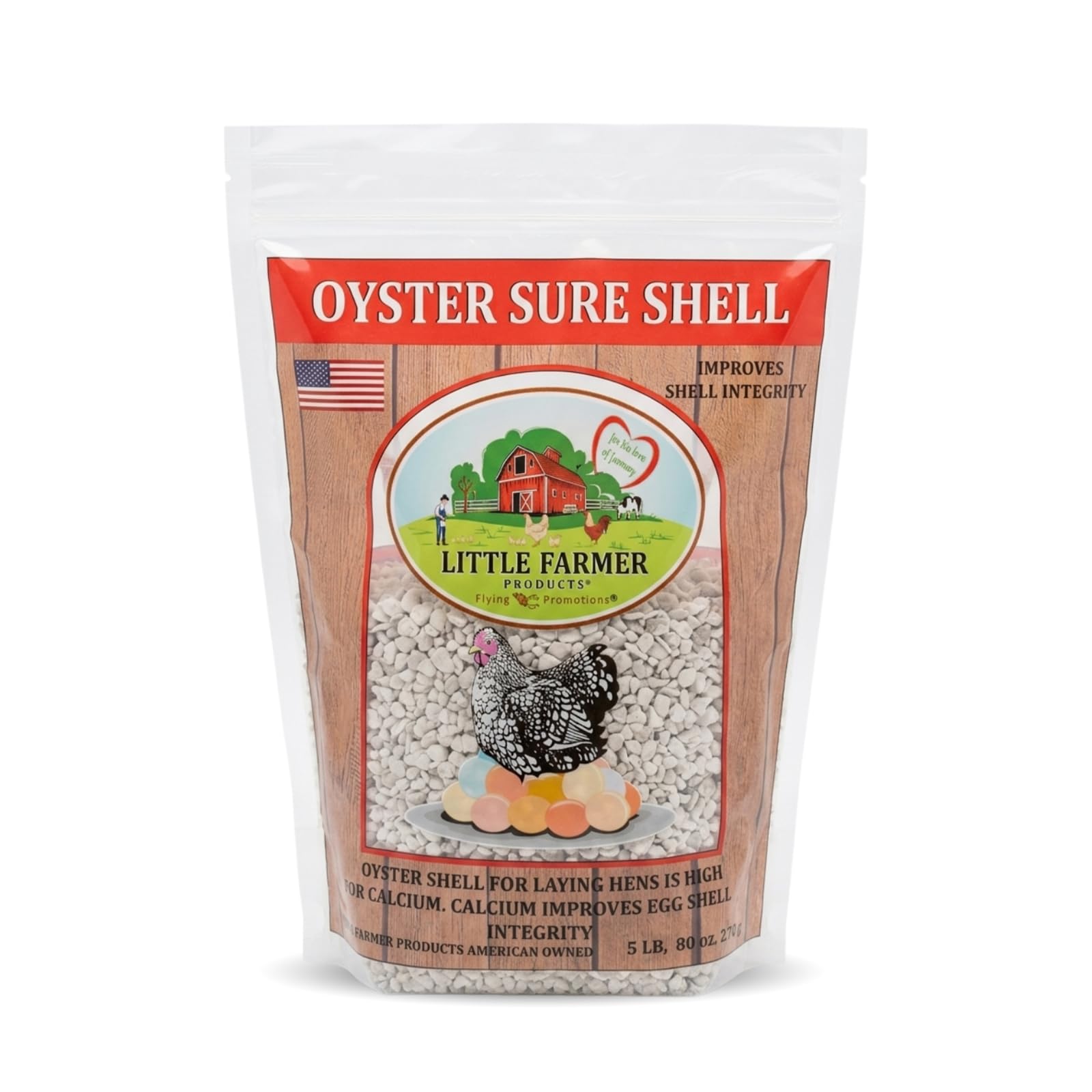
Oyster Sure Shell Flaked 5lb

Oyster Sure Shell Flaked 5lb

Small flocks

Our Score 9.2/10
Check Price

Worth Noting

  • Some chickens may refuse the flakes
Form
Flaked
Purity
Oyster shell
Bag Size
5 lb bag
Piece Size
Variable
Read the full review

This flaked oyster shell delivers consistent texture and noticeable improvement in eggshell strength. However, palatability can be inconsistent – some chickens may refuse the flakes, making it a better match for smaller flocks where individual preferences are easier to manage than for large operations.

Bottom line: Worth considering for small-flock keepers whose hens have accepted this brand, but not a universal choice.

7

Homestead Harvest Coastal 50lb

Homestead Harvest Coastal 50lb

Very large flocks

Our Score 9.2/10
Check Price

Worth Noting

  • Insufficient customer feedback to confirm piece size or chicken acceptance
Form
Crushed
Purity
Oyster shell
Bag Size
50 lb bag
Piece Size
Read the full review

This 50-pound bag offers a budget-friendly per-pound cost for large flocks needing bulk calcium. However, the lack of customer review content means the piece size, chicken acceptance, and overall quality remain unverified.

Bottom line: This bag works for keepers managing very large flocks who are willing to accept unknown quality in exchange for a low per-pound price.

8

KorGourmetta Oyster Flour 1lb

KorGourmetta Oyster Flour 1lb

Our Score 9.2/10
Check Price

Worth Noting

  • Flour form may not provide the grit chickens need for digestion
Form
Powder
Purity
Oyster shell
Bag Size
1 lb pouch
Piece Size
Fine powder
Read the full review

This finely ground oyster flour dissolves easily into wet mash or feed, but the powder form lacks the texture chickens need for grit consumption. The premium price per pound and absence of customer feedback make it a niche option for keepers who prefer blending calcium rather than offering free-choice shell.

Bottom line: Works as a feed additive for keepers who mix calcium into homemade rations, but not a replacement for standard crushed oyster shell grit.

9

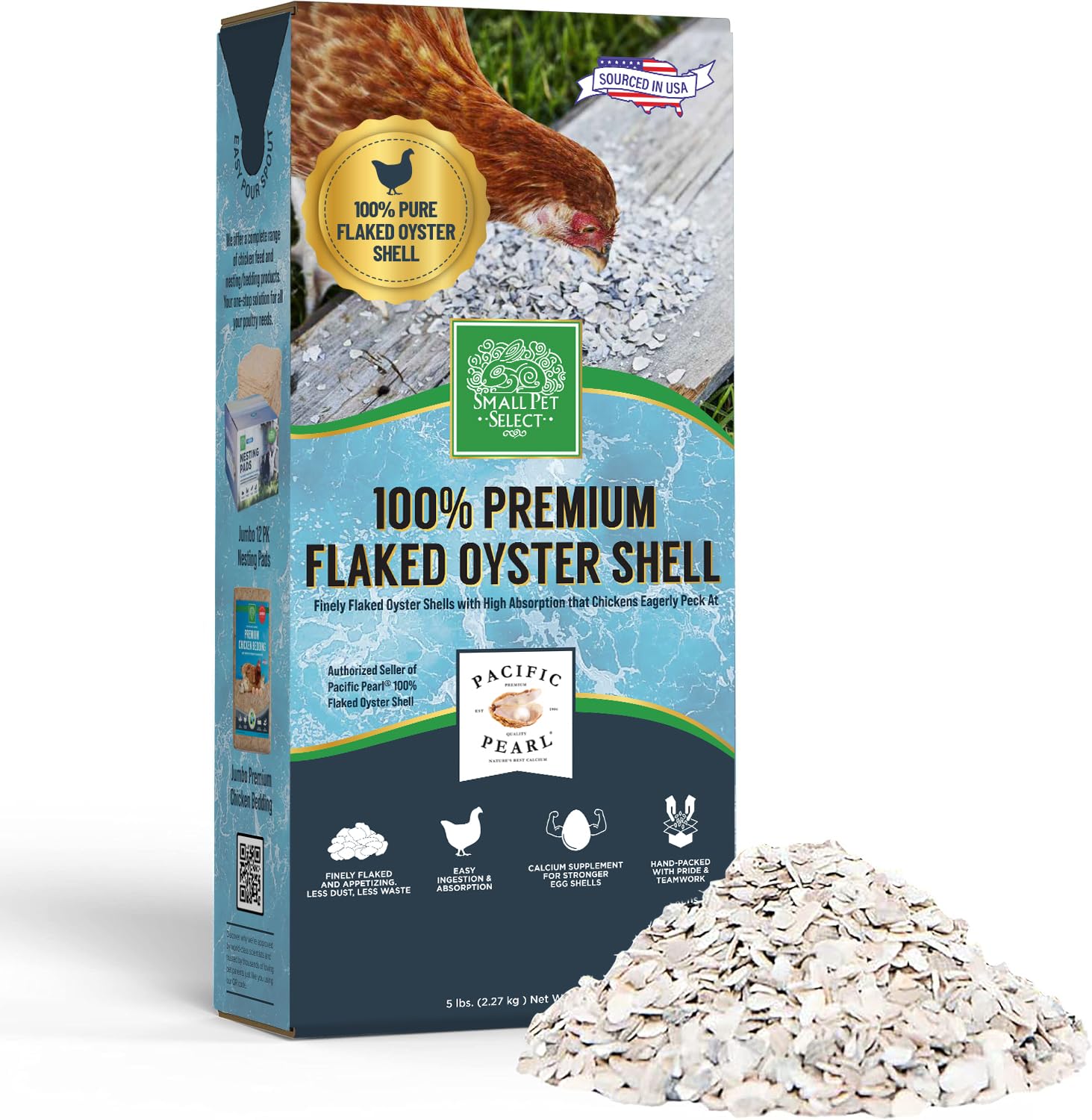
Small Pet Select 100% Flaked 5lb

Small Pet Select 100% Flaked 5lb

Picky eaters

Our Score 8.8/10
Check Price

Worth Noting

  • For larger flocks, the 5-pound bag means more frequent restocking
Form
Flaked
Purity
Oyster shell
Bag Size
5 lb bag
Piece Size
Uniform small
Read the full review

This flaked shell draws consistently positive feedback on acceptance — hens that refuse crushed chunks often take to the flat, thin flakes without hesitation. The 5-pound bag suits small to medium flocks; keepers with more than a half-dozen layers may find themselves reordering sooner than with bulk bags.

Bottom line: Best for small-flock keepers who want a flaked shell that hens actually eat — accept the bag size limitation and you get consistent, pure calcium.

10

Evergreen Bulk Oyster 50lb

Evergreen Bulk Oyster 50lb

Large flocks

Our Score 8.8/10
Check Price

Worth Noting

  • The limited review base means acceptance by picky eaters is less predictable than for products with more feedback.
Form
Crushed
Purity
Oyster shell
Bag Size
50 lb bag
Piece Size
Read the full review

The Evergreen 50-pound bag delivers crushed oyster shell grit at a budget-friendly per-pound cost that is tough to beat for very large flocks. Positioned as a bulk alternative to more established brands, it offers the same calcium supplement role without the premium. Best suited for keepers managing dozens of hens who prioritize raw value over feedback volume. The limited customer base means long-term acceptance and piece consistency are not as well-documented as competing bulk options — this is a practical choice for those willing to try a less-reviewed product.

Bottom line: A cost-effective volume play for large flocks where price per pound matters more than the reassurance of thousands of reviews.

How to Choose

Form: Crushed vs Flaked vs Powder

Crushed shell is the most common and cost-effective form, but the pieces can vary from pea-sized to marble-sized. Hens that swallow large chunks whole may not digest them properly, reducing calcium absorption.

Flaked shell tends to be more uniform and easier for chickens to pick up and break down. It costs more per pound but often leads to higher consumption rates, especially in small breeds or picky eaters.

Powdered flour dissolves easily and can be mixed into feed, but it lacks the grit that helps birds grind food in their gizzard. If you rely on free-choice calcium, flour is not a substitute for crushed or flaked shell.

Piece Size Consistency

Piece size matters more than most buyers realize. A bag labeled 'crushed' can contain anything from fine grit to chunks the size of a nickel. Hens with smaller beaks or those new to oyster shell often refuse oversized pieces.

Check recent customer photos and reviews that mention actual size. Products with uniform, smaller pieces (around 1/4 inch) tend to have the best acceptance across flocks. Avoid bags where complaints about 'marble-sized' or 'too large' pieces are common.

Purity: 100% Oyster Shell vs Mixes

Pure oyster shell is the gold standard because it provides a consistent calcium source without sharp edges or indigestible materials. Some products mix in other seashells or rocks that can injure a chicken's crop or gizzard.

Always check the ingredient list. If the label says 'oyster and seashell mix' or 'sea shell grit,' it may contain pieces that are too hard or sharp. Stick with products that clearly state '100% oyster shell' or 'flaked oyster shell.'

Bag Size and Value

The price per pound drops significantly with larger bags — a 50-pound bag can cost half as much per pound as a 5-pound bag. However, buying bulk only makes sense if your flock will eat it before it goes stale or gets damp.

For small flocks (fewer than 10 hens), a 5- or 10-pound bag is more practical. For larger operations, a 30- or 50-pound bag reduces the frequency of reordering and per-hen cost.

Chicken Acceptance

No matter how good the calcium content, if your hens won't eat it, it's worthless. Acceptance is driven by texture, taste (some birds prefer flaked over crushed), and familiarity.

Always start with a small bag to test your flock's response before committing to a bulk purchase. You can also mix two forms to see which they pick out first. A product that most hens eat eagerly will pay for itself in stronger eggshells.

Frequently Asked Questions