Soil & Fertilizer

8 Best Peat Pellets for Seedlings 2026: Pellets That Hold Together for Transplant

Which peat or coir pellets keep their shape through transplanting? This guide helps you choose based on size, netting, and material for stronger seedlings.

Many seed starting pellets promise easy transplant, but after hydration some turn into loose soil or collapse. The difference often comes down to netting quality and pellet diameter.

Whether you choose peat or coco coir, the right structure determines if your seedlings survive the move to the garden. Some pellets deliver reliable expansion and hold together, while others crumble at first touch.

This guide focuses on which products actually keep their shape, offer enough root space, and germinate consistently across different seed types.

1

Mountain Valley 42mm Coir 100pk

Top Pick
Mountain Valley 42mm Coir 100pk

Premium large transplants

Our Score 8.8/10
Check Price

Worth Noting

  • Premium per-pellet cost — about three times that of budget alternatives
  • Mold can develop on some pellets if moisture is not carefully managed; a few pellets may produce weak growth.
Netting
Biodegradable mesh
Material
Pure coconut coir
Expanded Height
~2 inches
Pellet Diameter
42mm
Read the full review

Mountain Valley's 42mm coir pellets expand rapidly to about 2 inches in height and hold their column shape far better than budget coir plugs, which often crumble after hydration. The biodegradable netting lets roots pass through without restriction, a clear advantage over loose coir or smaller peat pellets when transplanting sensitive root systems. In practice, the pellets maintain consistent structure from hydration to garden bed.

These pellets suit gardeners raising a modest number of seedlings — particularly peppers, tomatoes, or other crops that benefit from larger root space. The premium price (roughly three times that of standard 36mm peat plugs) adds up quickly for high-volume trays. The product's smaller user base (under 250 reviews) means less accumulated feedback on long-term consistency, and surface mold is possible if pellets stay waterlogged. Keep drainage in mind from day one.

Allow pellets to drain thoroughly after expansion and avoid standing water to minimize mold risk.

Bottom line: If you need the largest available netted coir plug for delicate transplants and are willing to pay a premium per pellet, these deliver. For bulk seed starting on a budget, the top pick Jiffy remains the better value.
2

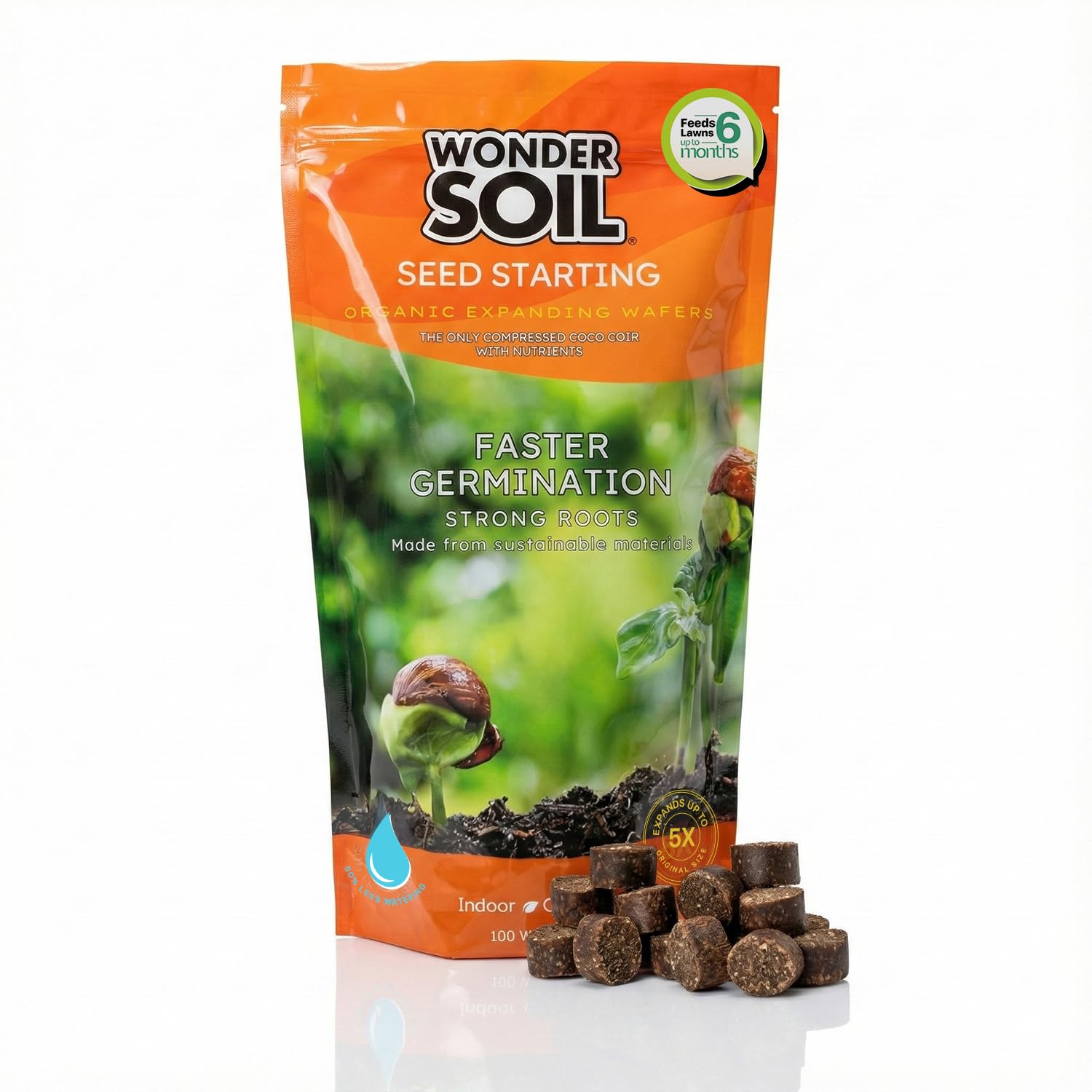
Wonder Soil 100 Coco Pellets

Wonder Soil 100 Coco Pellets

Nutrient-enhanced germination

Our Score 8.8/10
Check Price

Worth Noting

  • Small pellet size (approx 30mm) and premium per-unit cost limit use for large-scale starting
  • Some pellets may not expand fully after hydration, requiring extra soak time or manual encouragement
Netting
None
Material
Coco coir with additives
Expanded Height
~1.5 inches
Pellet Diameter
~30mm
Read the full review

These coco pellets come with nutrients already mixed in, so you skip the step of adding fertilizer during germination. Growers chasing maximum success with costly or limited seeds get a noticeable boost in seedling vigor and early growth compared to plain coir or peat.

Best for small-scale or specialty projects where germination rate and early health are the priority rather than volume. The 30mm pellets and premium pricing mean this isn't a budget option for starting hundreds of plants, and occasional expansion inconsistency may require a longer soak or gentle break-up.

If a pellet doesn't fully swell after the recommended soak, let it sit for another 15 minutes or gently break up the coir with your fingers.

Bottom line: Targeted at seed starters who value germination success over volume – the built-in nutrients make it a smart call for small batches or specialty varieties.

3

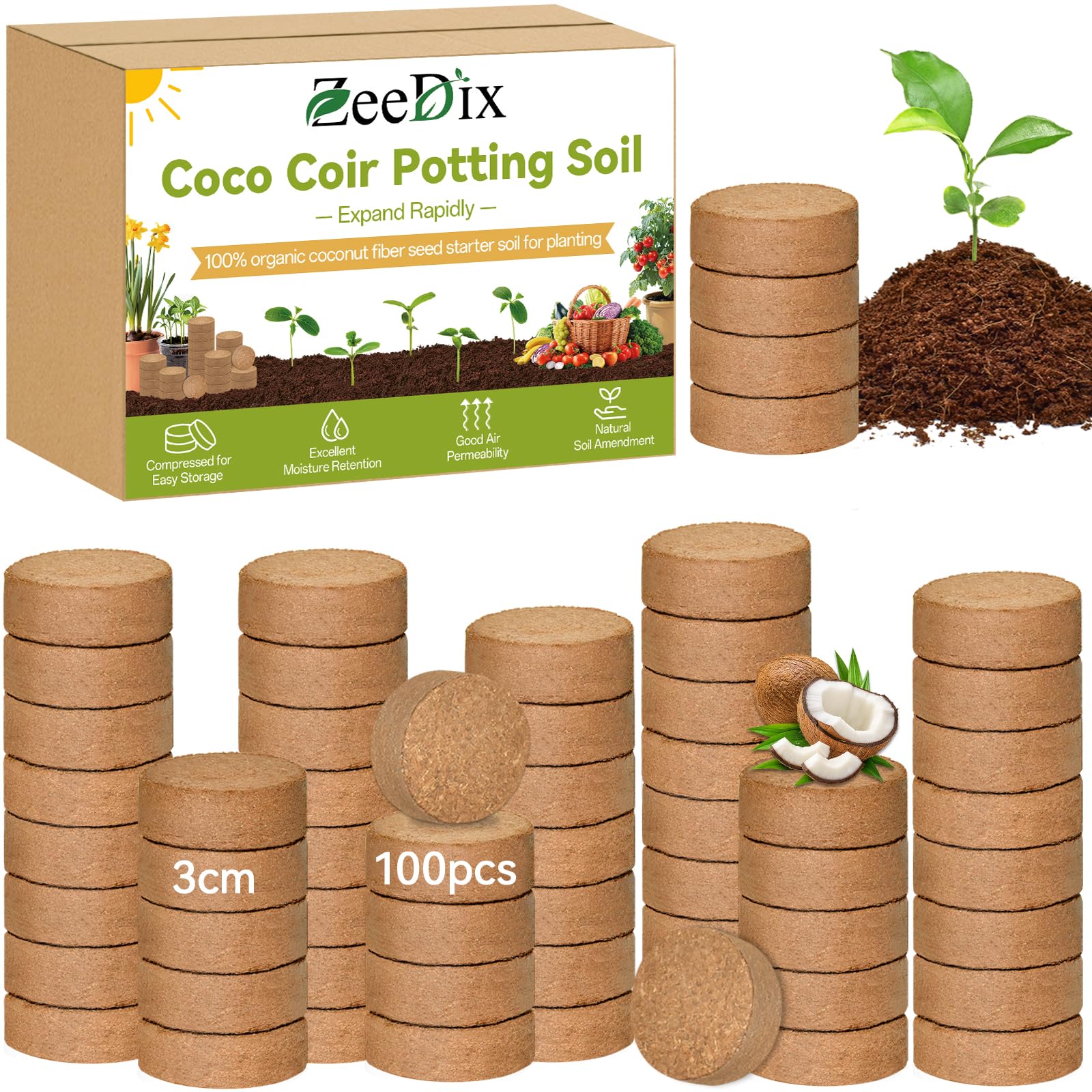
ZeeDix 30mm Coco Coir 100pk

ZeeDix 30mm Coco Coir 100pk

Organic sensitive plants

Our Score 8.8/10
Check Price

Worth Noting

  • No netting means pellets can crumble when handled after hydration, making transplant messy.
  • 30mm size after expansion is limiting for larger seedlings that need more root volume.
Netting
None
Material
Organic coconut coir
Expanded Height
~1.2 inches
Pellet Diameter
30mm
Read the full review

This coco coir expands into a loose, airy mix that holds moisture well and supports high germination rates for small seeds. But the pellets lack netting, so they fall apart after hydration — better treated as loose soil than as transplant plugs. The 30mm size stays small even after expansion, making it a fit for microgreens or herb starts rather than vegetables that need deeper root space.

Bottom line: Best suited for starting herbs or microgreens where you plan to use the coir as loose mix rather than as handled plugs.

4

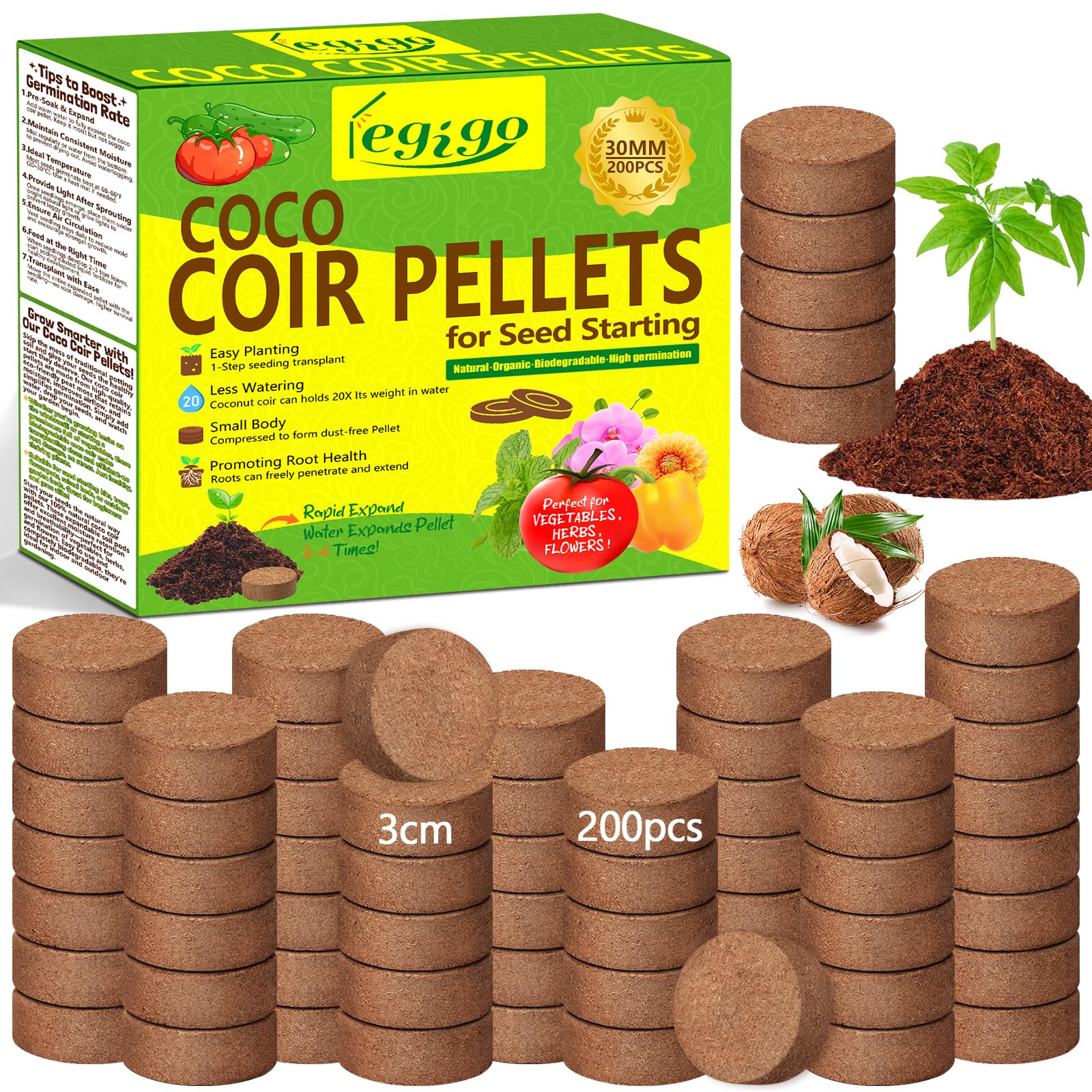
Legigo 30mm Coco Coir 200pk

Legigo 30mm Coco Coir 200pk

Soil amendment versatile

Our Score 8.8/10
Check Price

Worth Noting

  • 30mm diameter limits use to small starter pots; not ideal for direct garden transplant.
  • No netting causes pellets to fall apart after hydration, making transplant handling difficult.
Netting
None
Material
Organic coconut coir
Expanded Height
~1.4 inches
Pellet Diameter
30mm
Read the full review

Expands rapidly and evenly to a usable volume, and the organic coir works well for seed starting in trays, mixing into potting soil, or even as pet bedding. However, the pellets lack netting and disintegrate after hydration, making them unsuitable for transplanting seedlings directly into garden beds. The 30mm diameter also limits use to small starter pots. Best suited for budget gardeners who need a large volume of loose coir for soil mixing rather than individual transplant plugs.

Bottom line: If you need a bulk supply of loose coir for soil mixing or pet bedding rather than standalone seedling plugs, this 200-pack provides good value at a mid-range price.

5

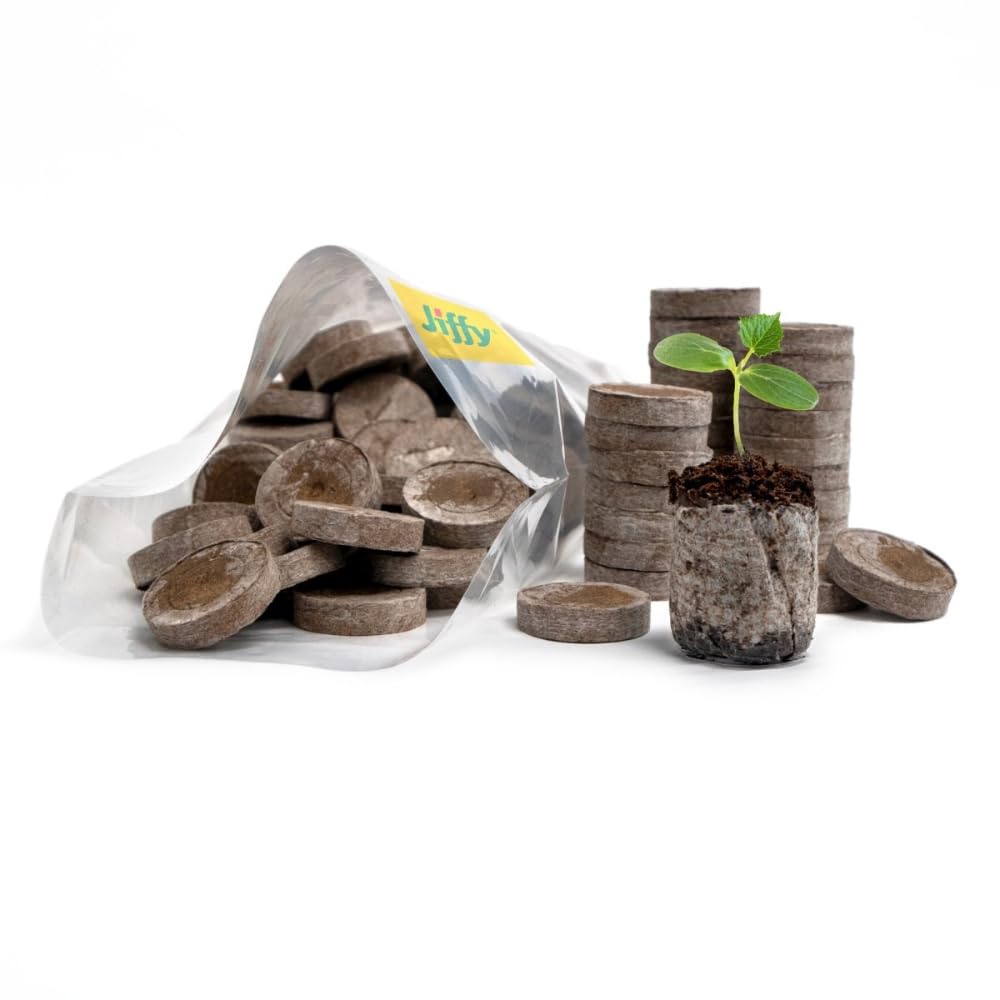
Jiffy 36mm Peat Pellets 100pk

Jiffy 36mm Peat Pellets 100pk

Budget general starting

Our Score 8.6/10
Check Price

Worth Noting

  • The biodegradable netting may tear after hydration, reducing plug stability during handling
Netting
Biodegradable mesh
Material
Sphagnum peat moss
Expanded Height
~1.4 inches
Pellet Diameter
36mm
Read the full review

The Jiffy 36mm peat pellets expand reliably within minutes of adding water, creating a uniform growing medium that holds its shape well for most seed-starting applications. The sphagnum peat moss provides a fine texture that supports consistent germination across a range of common garden seeds.

After hydration, the pellets maintain moisture evenly, reducing the need for frequent watering during the germination period. The biodegradable netting keeps the plug intact during transplanting, though some pellets may show netting tears after expansion – gentle handling helps preserve structure.

This 100-count pack suits budget-conscious gardeners starting leafy greens, herbs, or flowers that don't require deep root space. For heavy-rooted plants like tomatoes or peppers, the 36mm diameter may feel cramped – stepping up to 42mm+ pellets is a better fit.

Handle expanded pellets by supporting the base to minimize netting stress.

Bottom line: For most seed-starting needs, this pack delivers dependable results at a low cost – just be aware of the netting's occasional fragility and the size limits for heavy-root plants.

6

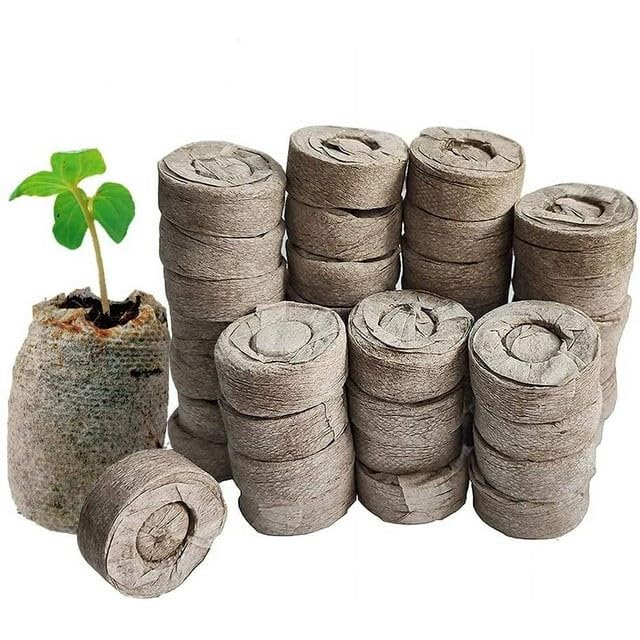
MAQIHAN 35mm Peat 50pk

MAQIHAN 35mm Peat 50pk

Budget trial use

Our Score 8.4/10
Check Price

Worth Noting

  • Pellets may disintegrate after hydration, making transplanting messy.
  • Germination consistency varies
Netting
Biodegradable non-woven fabric
Material
Peat moss
Expanded Height
~1.5 inches
Pellet Diameter
35mm
Read the full review

At under $6 for 50 pellets, MAQIHAN offers an entry-level price unmatched by competitors. The peat absorbs water well and supports germination for many seeds. However, structural integrity is inconsistent – some pellets collapse after soaking, and a portion of users see no growth at all. These issues make it a gamble for anyone needing reliable results, but for a one-time experiment where losing a few seedlings is acceptable, the low cost is hard to beat.

Bottom line: Use these pellets if you want to test seed starting without a significant investment, but plan for possible failures along the way.

7

FDGARDEN 50mm Peat 100pk

FDGARDEN 50mm Peat 100pk

Large root space

Our Score 8.2/10
Check Price

Worth Noting

  • Pellets can arrive with torn mesh or break apart during expansion, leading to wasted units
  • Seedling growth may be inconsistent, with some plugs yielding weak plants
Netting
Mesh
Material
Peat moss
Expanded Height
~2 inches
Pellet Diameter
50mm
Read the full review

With a 50mm diameter, these pellets offer more room for root development than any other compressed peat option we tested. However, the mesh netting and compressed peat can arrive torn or break apart during hydration, and germination success varies between pellets. This makes the batch a gamble: when they work, they work well for larger seedlings, but you may need to discard a number of damaged units. For gardeners who prioritize size above all else and are prepared to accept some waste, these fill a specific niche.

Bottom line: Best for gardeners who need maximum root space and are willing to sort through the batch for intact pellets, accepting that a portion may be unusable.

8

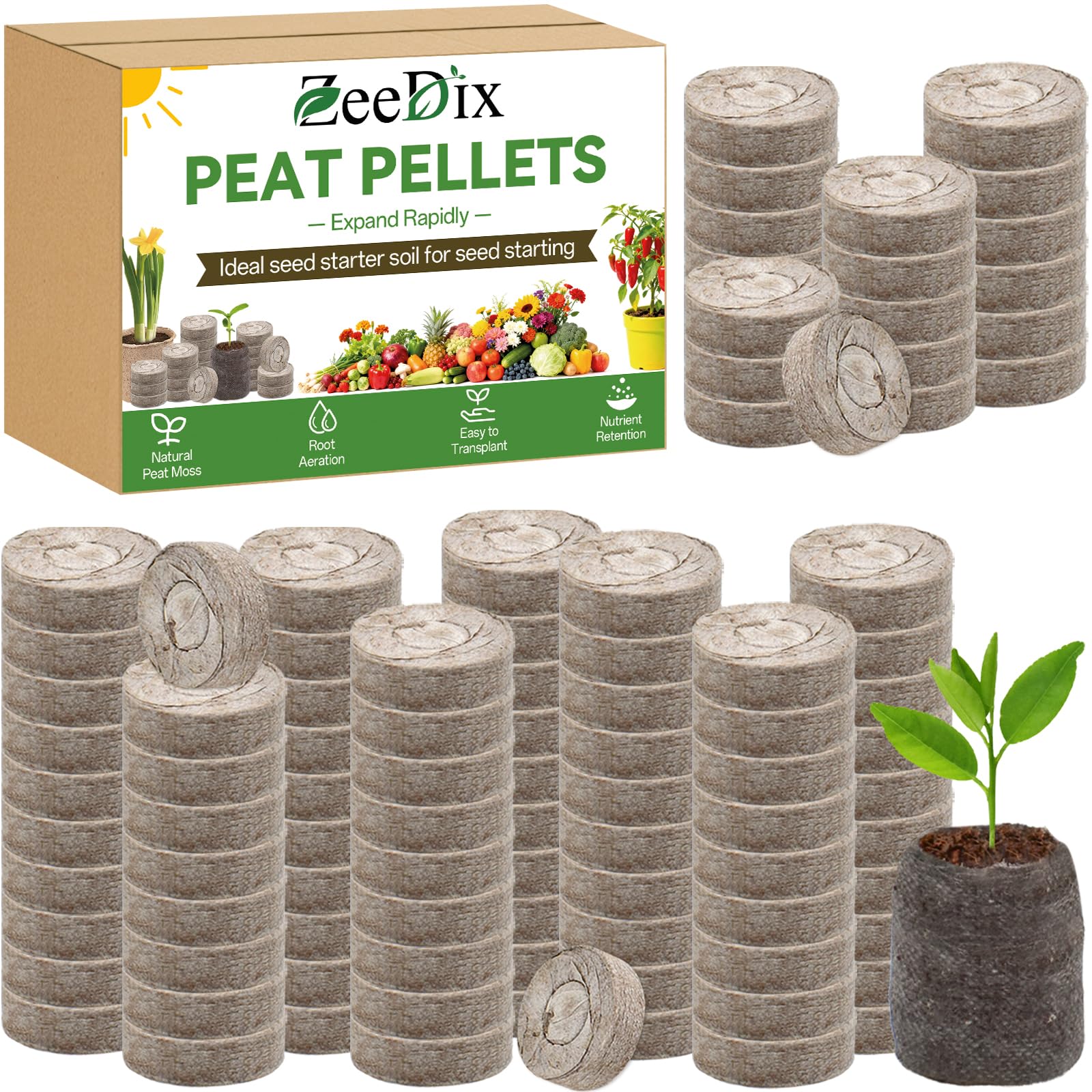
ZeeDix 30mm Peat 200pk

ZeeDix 30mm Peat 200pk

Budget high-volume

Our Score 8.0/10
Check Price

Worth Noting

  • Pellets do not stand upright after hydration and can tip in standard trays
  • Germination may be inconsistent across pellets due to quality variation
Netting
Mesh bag
Material
Sphagnum peat moss
Expanded Height
~1.4 inches
Pellet Diameter
30mm
Read the full review

At roughly 10 cents per pellet, this 200-pack offers the lowest per-unit cost among seed-starting pellets. The compressed peat expands quickly with water and is straightforward to handle, making it an easy entry point for beginners.

This set works best for budget-conscious growers who plan to use a support system—the 30mm pellets tend to lean after hydration and may not stand upright in open trays. Germination results vary between pellets, so it is better suited for high-volume starting of inexpensive seeds rather than prized or rare varieties.

Place pellets in a tray with cell dividers or support rings to keep them upright after expansion.

Bottom line: The ZeeDix 200-pack delivers exceptional per-pellet value, but the instability and germination variability make it a gamble for serious gardeners.

How to Choose

Pellet Diameter

Diameter determines how much root space your seedling gets. A 30mm pellet expands to about 1.2-1.4 inches tall, enough for short-season crops like lettuce or herbs.

For tomatoes, peppers, or squash, a 42mm or 50mm pellet gives roots room to develop without early transplant shock. The extra cost usually pays off in stronger plants.

Material

Peat moss holds water well and has a slightly acidic pH that many seedlings prefer. Coco coir is more sustainable and provides better aeration, but its pH is neutral and it holds less water.

Choose peat if you want consistent moisture retention and a proven track record. Choose coir if you prioritize eco-friendly sourcing or need better drainage for sensitive seeds.

Expanded Height and Volume

After hydration, pellets should double or triple in height. Jiffy's 36mm reaches about 1.4 inches. Minute Soil's 40mm pucks expand to 3/4 cup of loose coir.

If the expanded volume is too small, roots become cramped and seedlings get leggy. Always check the expanded height – not the dry diameter – to compare actual root space.

Netting Integrity

Netting holds the pellet together during transplant. Products with biodegradable mesh (like Jiffy or Mountain Valley) let roots grow through while keeping the structure intact.

Coir pellets without netting fall apart the moment you try to move them. They work fine as loose soil, but if you want a plug that stays in one piece, netting is essential.

Nutrient Additives

Some pellets include worm castings, mycorrhizae, or kelp to boost early growth. These can eliminate the need for initial fertilization and increase germination rates.

However, they add cost and reduce your control over feeding. For most gardeners, plain pellets plus a light liquid fertilizer is more flexible and less expensive.

Frequently Asked Questions