Soil & Fertilizer

6 Best Seed Starting Mix of 2026: Avoid Gnats and Mold

Find the right seed starting mix for your indoor garden — one that germinates reliably without fungus gnats or mold issues.

Starting seeds indoors should be simple: dampen the mix, plant the seeds, wait for sprouts. But many bags labeled 'sterile' arrive with fungus gnats, mold, or hydrophobic soil that repels water instead of absorbing it. The frustration is real, especially when you're relying on that tray of tomatoes or peppers.

The fix isn't a single perfect product — it's knowing which mix matches your watering style and environment. Peat-based blends hold moisture well but can harbor pests if not sourced cleanly. Coconut coir is sustainable but dries faster, demanding more frequent attention. Compost-rich options fuel rapid growth but attract gnats indoors.

This guide focuses on mixes that minimize those headaches: products with consistent texture, predictable moisture behavior, and honest labeling. The right choice depends on whether you're starting a few herbs on a windowsill or a hundred vegetable plugs under lights.

1

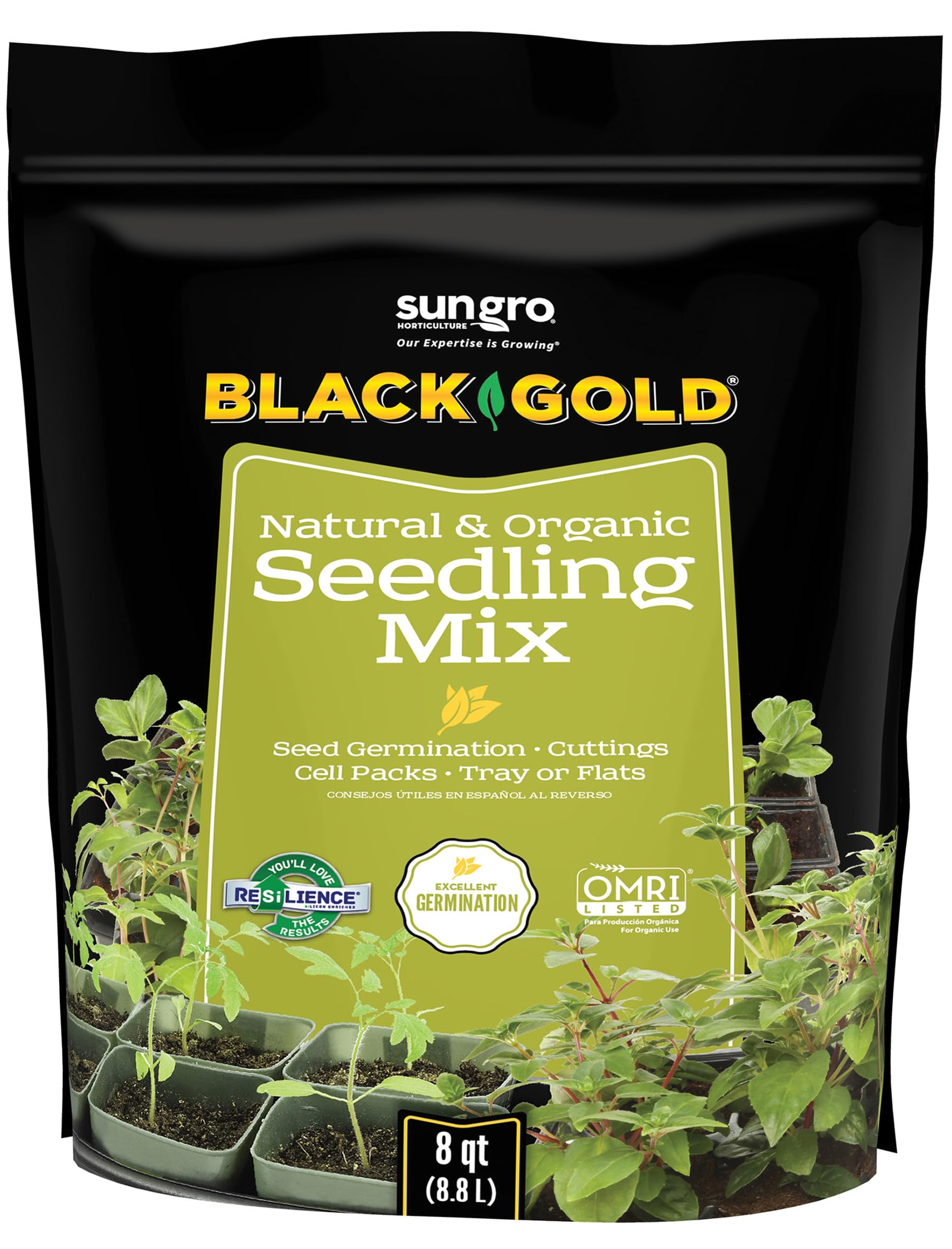
SunGro Organic Seedling Mix

Top Pick
SunGro Organic Seedling Mix

Budget organic gardeners

Our Score 9.2/10
Check Price

Worth Noting

  • Occasional clumps or larger particles may require sifting for very fine seeds.
  • In pots with poor drainage, the mix can hold excess water and risk damping off if overwatered.
Organic Cert.
OMRI organic
Nutrient Level
Nutrient-free
Texture Fineness
Fine, fluffy, debris-free
Volume per Price
8 qt, budget tier
Read the full review

This seedling mix's fine, fluffy texture gives tiny seeds a consistent bed for root development, and the sphagnum peat base absorbs water evenly without becoming hydrophobic. Germination rates are strong across vegetables and flowers, with sprouts appearing within days. Its OMRI organic certification and inclusion of RESiLIENCE silicon additive add value without raising the cost.

The wetting agent helps the mix rehydrate easily, but the same moisture retention can become a problem in pots without drainage holes or when overwatered — damping off is a real risk if the surface stays damp. Bottom-watering and letting the top inch dry between waterings keeps seedlings healthy.

Budget-minded organic gardeners looking for a nutrient-free, OMRI listed mix will find this one of the most affordable options per quart. It is a classic peat-based formula, so those seeking a peat-free alternative should look elsewhere, but for traditional indoor seed starting it hits the sweet spot of performance and price.

Bottom-watering and allowing the surface to dry between waterings prevents damping off.

Bottom line: For budget-minded organic gardeners starting seeds indoors, this mix delivers consistent germination at one of the lowest costs per quart — just be ready to manage water carefully.

2

Burpee Organic Coir Mix

Burpee Organic Coir Mix

Eco-conscious gardeners

Our Score 9.2/10
Check Price

Worth Noting

  • Coir can dry out faster than peat, requiring more frequent watering
Organic Cert.
OMRI organic
Nutrient Level
Low, no nutrients
Texture Fineness
Coir, fine when expanded
Volume per Price
16 qt, mid-range
Read the full review

This Burpee coir mix is a renewable alternative to peat, expanding dramatically from two bricks to 16 quarts when hydrated. It holds moisture well without becoming waterlogged and boasts high germination success. However, coir dries out faster than peat, so seedlings need consistent moisture to avoid wilting. This mix suits eco-conscious gardeners who can water frequently and value a sustainable, OMRI-listed option.

Bottom watering helps maintain consistent moisture without disturbing the seedbed.

Bottom line: Best for gardeners who prioritize sustainability and can water consistently — a cost-effective, peat-free option for high-volume seed starting.

3

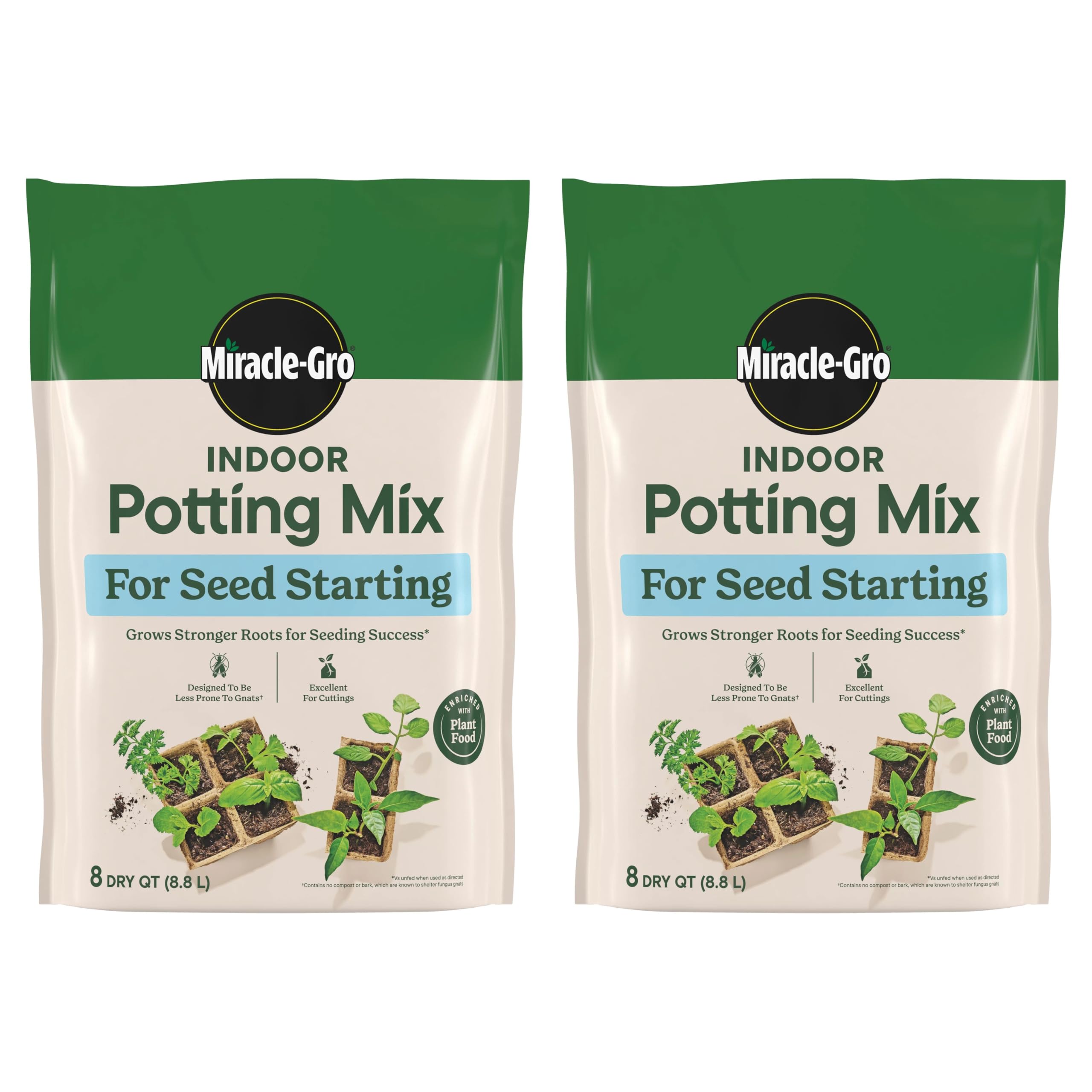
Miracle-Gro Seed Starting 2-Pack

Miracle-Gro Seed Starting 2-Pack

Budget-conscious gardeners

Our Score 9.2/10
Check Price

Worth Noting

  • Fungus gnats or mold may appear in some bags
  • Contains synthetic plant food, so not a true low-nutrient mix
Organic Cert.
Not organic
Nutrient Level
Contains synthetic feed
Texture Fineness
Peat+perlite, fine texture
Volume per Price
16 qt, budget
Read the full review

Two 8-quart bags at a budget-friendly price make this the cheapest per-quart option for high-volume seed starting. Germination rates are strong, and the mix handles cuttings well too. The tradeoff is that it contains synthetic plant food (not ideal for seeds that need low nutrients) and some bags arrive with fungus gnats or mold. This suits budget-conscious gardeners starting lots of vegetables who don’t mind built-in feed and can manage occasional pest issues.

Bottom line: If you need to start a lot of seed trays on a budget and can accept built-in synthetic feed and occasional gnat risk, this two-pack delivers volume at a low cost.

4

Coast of Maine Sprout Island

Coast of Maine Sprout Island

Outdoor seed starters

Our Score 9.0/10
Check Price

Worth Noting

  • Premium price per quart compared to organic mixes with similar volume
  • Fungus gnats can surface when used indoors in living spaces
Organic Cert.
OMRI organic
Nutrient Level
Nutrient-rich
Texture Fineness
Compost-based, medium
Volume per Price
8 qt, premium
Read the full review

Composted manure, worm castings, and kelp fuel rapid seedling growth in this nutrient-dense organic blend. Gardeners starting seeds in a greenhouse or outdoor area get a quick, vigorous start without the risk of fungus gnats that surfaces when used indoors. The fine texture holds moisture well, though the nutrient load makes it less suitable for delicate indoor germination where a sterile, low-nutrient mix is preferred.

Use in a well-ventilated area or greenhouse to keep moisture from attracting gnats.

Bottom line: High-quality organic mix for garden beds and greenhouses; avoid using indoors where gnats can become an issue.

5

Espoma Organic Seed Starter

Espoma Organic Seed Starter

Organic gardeners

Our Score 8.8/10
Check Price

Worth Noting

  • Once dry, the mix repels water and needs deliberate pre-soaking to rewet.
  • Moisture levels can be inconsistent
Organic Cert.
OMRI organic
Nutrient Level
Low, mycorrhizae
Texture Fineness
Peat+perlite, fine
Volume per Price
16 qt, premium
Read the full review

Espoma’s seed starter stands apart with its mycorrhizae blend, which supports vigorous root growth and strong germination in organic setups. The tradeoff is a mix that turns hydrophobic when it dries out — water pools on top instead of soaking in, so pre-moistening the bag before use is necessary to avoid frustration.

This mix suits experienced organic seed starters who are willing to manage watering carefully. Gardeners who prefer a more forgiving, low-maintenance medium will find better consistency with the top pick’s peat-based formula, which rewets more predictably.

Moisten the mix thoroughly in a bucket before filling trays to prevent dry pockets and water runoff.

Bottom line: A premium organic option for seed starters who prioritize root health and are comfortable managing a hydrophobic mix — not the easiest choice for hands-off watering.

6

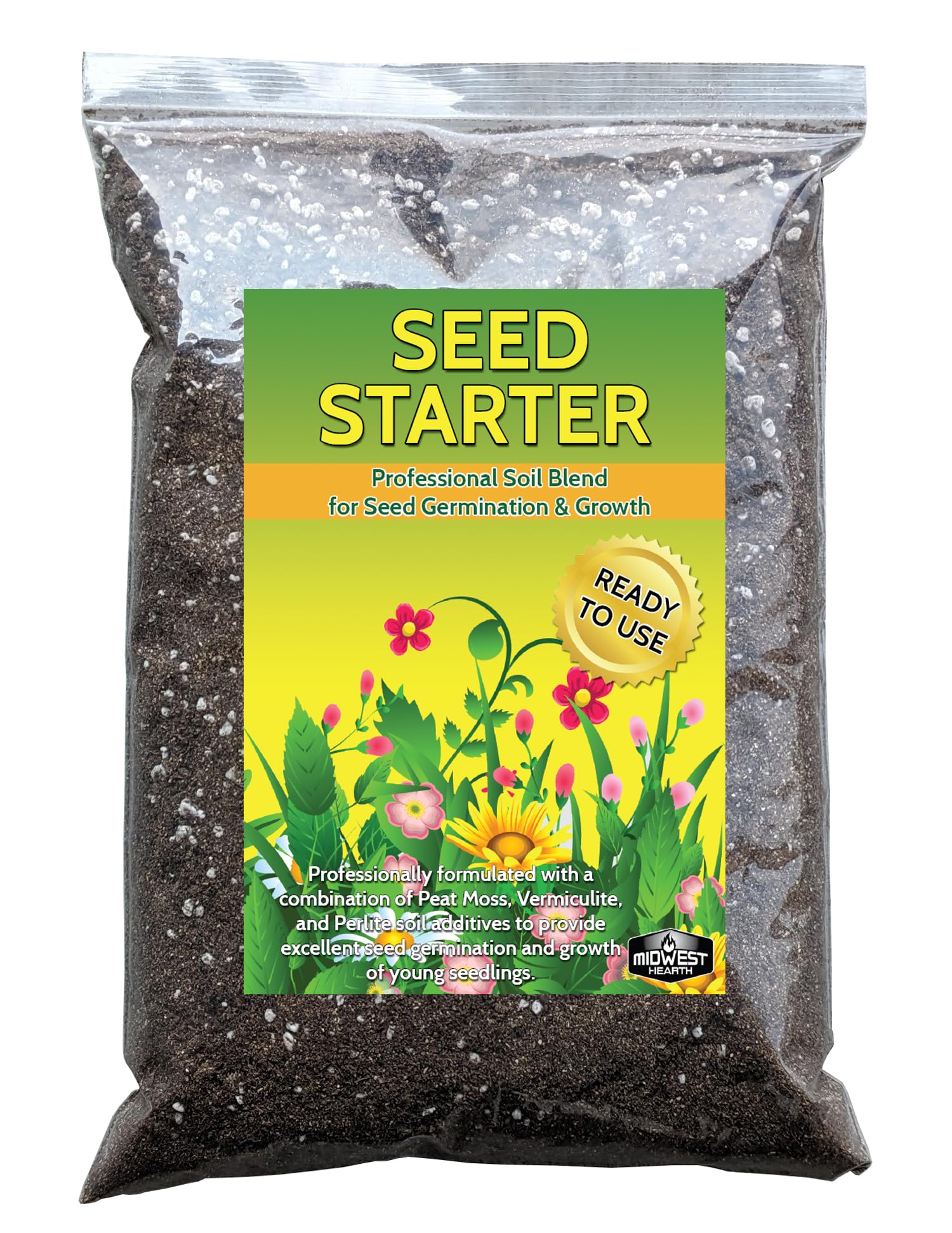
Midwest Hearth Seed Starter

Midwest Hearth Seed Starter

Small test batches

Our Score 8.8/10
Check Price

Worth Noting

  • Higher price per quart than larger seed-starting mixes.
Organic Cert.
Not organic
Nutrient Level
Low
Texture Fineness
Peat+perlite+vermiculite, fine
Volume per Price
4 qt, premium
Read the full review

This mix delivers quick sprouting in a light, fluffy texture, making it a practical pick for starting a handful of seeds. However, the bag's small volume comes at a premium price per quart, and some bags may resist re-wetting or show mold growth – issues that matter less if you only need a small amount and can manage moisture carefully.

Bottom line: Best for gardeners who need a small batch of mix for a few trays and don't mind the per-quart cost, provided they pre-moisten the bag to avoid rewetting troubles.

How to Choose

Texture Fineness

Fine-textured mixes (no large bark or chunks) allow tiny seeds to make consistent contact with moisture. Coarse mixes can leave air pockets that dry out the seed or prevent root penetration.

For lettuce, petunias, or other dust-like seeds, a fluffy mix with particles smaller than 1/8 inch is ideal. Coarser blends work for larger seeds like peas or squash, but you still want a uniform consistency to avoid erratic moisture distribution.

Nutrient Level

Seed starting mixes are deliberately low in nutrients because young seedlings burn easily from high fertilizer levels. A mix with added plant food (like Miracle-Gro) can push growth, but it risks damping off if the seedling can't process the salts.

If you want to feed later, a nutrient-free base lets you control exactly when and how much fertilizer the seedling receives. Organic mixes with compost or manure provide a slow-release nutrient source, but may introduce more microbes that compete with the seedling.

Moisture Retention

Peat-based mixes hold water well but can become waterlogged if overwatered, leading to damping off. Coir holds moisture but dries out faster, requiring more frequent but lighter watering.

The hidden trade-off is rewettability: once peat or coir dries completely, it can become hydrophobic and repel water. Adding a few drops of liquid soap or using warm water when rehydrating helps prevent this. Bottom watering also keeps the surface dry, reducing gnat attraction.

Organic Cert.

OMRI listing ensures the mix meets organic standards — no synthetic fertilizers, pesticides, or GMOs. For gardeners growing food, this matters if you plan to keep the seedlings in the mix until transplant.

However, organic certification does not guarantee sterility. Many organic mixes still contain compost or manure that can harbor fungus gnat eggs. The certification is about input materials, not cleanliness.

Volume per Price

Volume per price is straightforward: larger bags usually cost less per quart. But a cheap mix that requires sifting or causes pest issues ends up costing more in lost seedlings and frustration.

For small projects, a premium 4-quart bag is acceptable. For multiple trays, the best value often comes from 8- or 16-quart bags from reliable brands. Calculate your tray count: one 8-quart bag fills about three 72-cell trays.

Frequently Asked Questions