Soil & Fertilizer

9 Best Soil for Tomatoes of 2026: Avoid Fungus Gnats and Debris

Which tomato soils actually grow strong plants without pest surprises? From budget bulk to premium organic, this guide matches soil to your gardening style.

Every tomato gardener wants a soil that feeds the plant without introducing problems. Yet many popular options come with hidden trade-offs: moisture-control mixes attract gnats, organic blends can turn hydrophobic when dry, and budget bags sometimes include debris that needs sifting.

The good news is that there is a soil suited to your specific setup, whether you water on a schedule, want organic certification without the premium price tag, or need to fill a large raised bed without breaking the bank. The key is knowing which features to prioritize and which common headaches to prepare for.

This guide cuts through the marketing to help you match the right soil to your tomato-growing style, so you can start your season with fewer surprises and more harvests.

1

FoxFarm Happy Frog

Top Pick
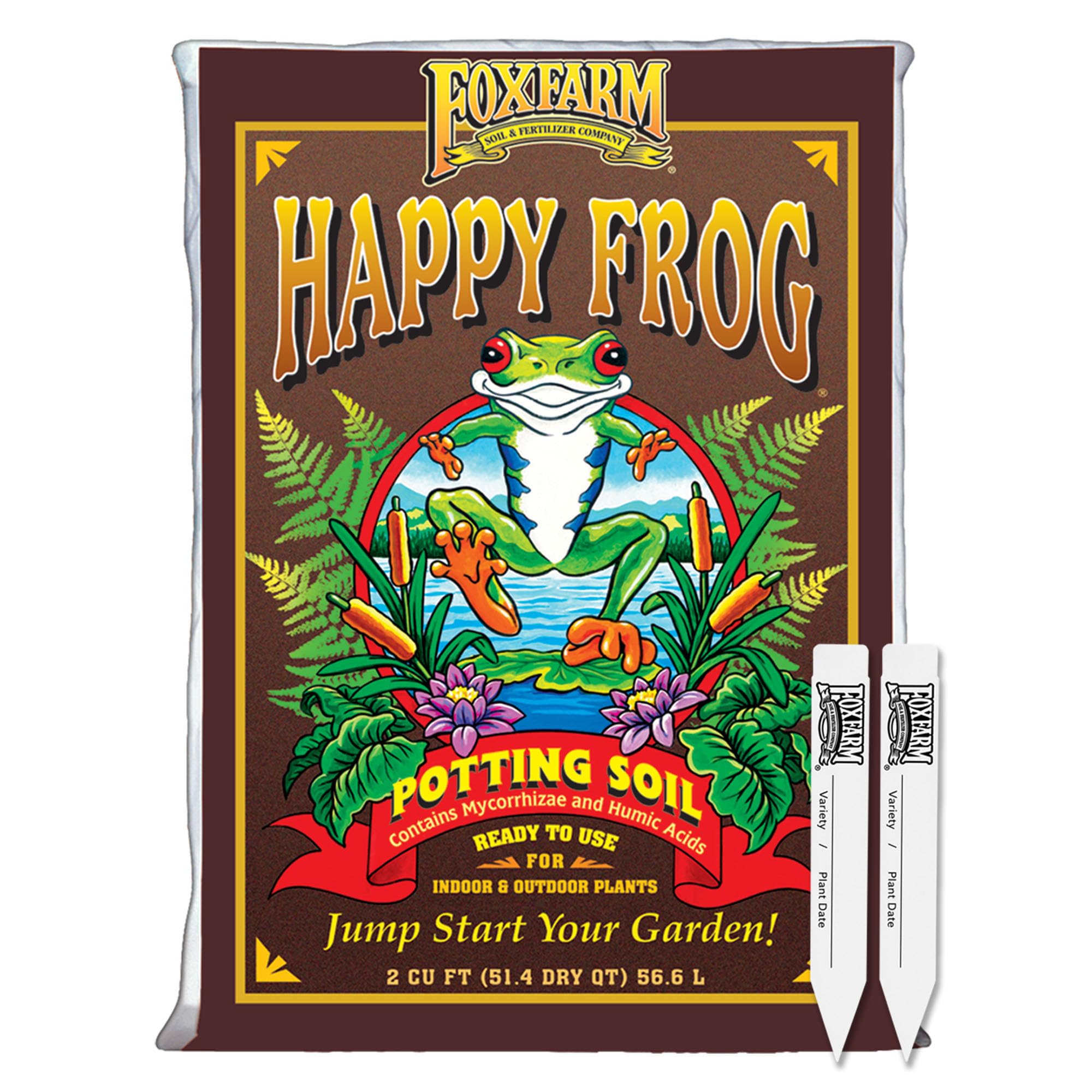
FoxFarm Happy Frog

Premium tomato soil

Our Score 9.4/10
Check Price

Worth Noting

  • Soil can become hydrophobic when dry, requiring slow watering to rehydrate
  • Possible pest presence (fungus gnats, mealy bugs) in some batches
Volume
2 cu ft
Pest History
Gnats reported
Organic vs Synthetic
No synthetic chemicals
Read the full review

This mix delivers a dense nutrient profile with mycorrhizae and humic acids that drive strong root development and fruit set in tomatoes. The soil can become water-repellent when dry, requiring slow watering to rehydrate, and occasional pest presence has been noted in some batches.

Best for dedicated vegetable gardeners who prioritize organic inputs and microbial activity over convenience. The water repellency is manageable with pre-moistening, and inspecting the soil before planting helps address the possibility of pests.

Moisten the soil slowly before planting or after it dries out to avoid water repellency.

Bottom line: For tomato growers seeking a dense, bioactive soil this mix delivers results — with caveats around watering and occasional pests.

2

Miracle-Gro Moisture Control

Miracle-Gro Moisture Control

Container watering control

Our Score 9.4/10
Check Price

Worth Noting

  • In indoor containers or when soil stays wet, fungus gnats may appear after potting
Volume
16 qt
Pest History
Gnats reported
Organic vs Synthetic
Synthetic fert
Read the full review

This mix actively absorbs up to 33% more water than standard potting soils, creating a buffer that protects tomato roots from both overwatering and drought. It also feeds plants continuously for six months, so no extra fertilizer is needed during the growing season. That makes it a practical choice for budget-conscious container gardeners who tend to overwater. The trade-off: some batches may introduce fungus gnats, which are more noticeable indoors – outdoor containers or bottom watering can reduce that risk.

Let the soil surface dry out between waterings to reduce fungus gnat habitat.

Bottom line: A cost-effective option for tomato container growers who want moisture forgiveness and don't mind the small gnat risk.

3

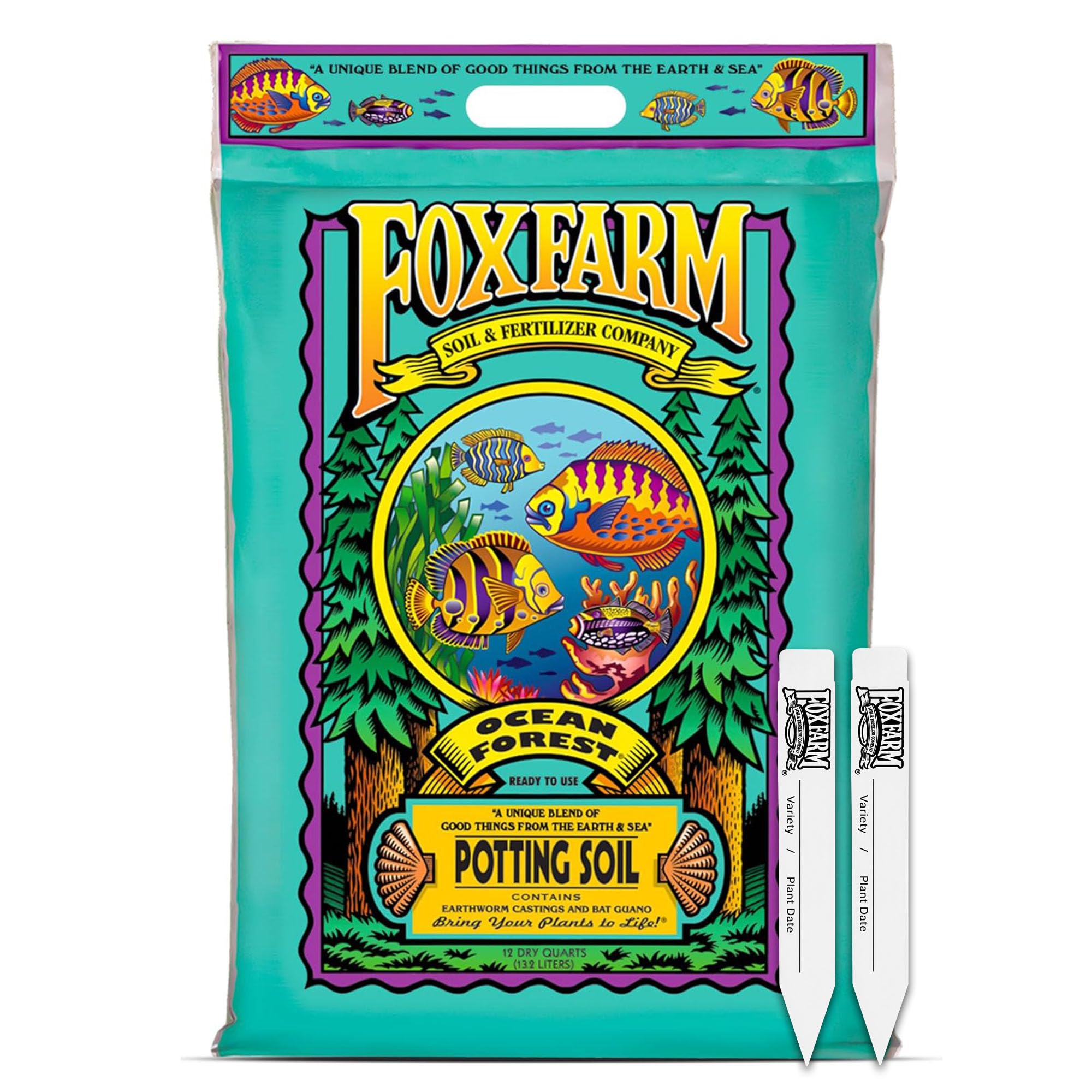
FoxFarm Ocean Forest

FoxFarm Ocean Forest

Small containers

Our Score 9.4/10
Check Price

Worth Noting

  • In indoor setups, bags may occasionally contain gnats or mealybugs
  • Per-quart price is high, making it less economical for large containers.
Volume
12 qt
Pest History
Gnats reported
Organic vs Synthetic
No synthetic chemicals
Read the full review

FoxFarm Ocean Forest’s light, aerated texture and fish/crab meal formula deliver nutrients immediately to young tomato starts, making it ideal for seedlings and small container gardens. This mix suits indoor gardeners raising a few plants on a windowsill or under grow lights. The per-quart cost is higher than typical potting soils, and occasional pest reports (gnats or mealybugs) mean inspecting before use is wise. For large tomato beds, a denser, cheaper option provides more volume per dollar.

Sift or spread the soil on a tray before planting to dry out any pest eggs – this reduces the chance of gnats in indoor starts.

Bottom line: A focused tool for starting tomato seeds and small pots, but check for pests and expect to pay more per quart than standard mixes.

4

Miracle-Gro Organic Outdoor

Miracle-Gro Organic Outdoor

Budget organic outdoor

Our Score 9.2/10
Check Price

Worth Noting

  • Fungus gnats can be introduced with the soil, especially in damp outdoor conditions
Volume
16 qt
Pest History
Gnats reported
Organic vs Synthetic
OMRI Organic
Read the full review

This OMRI-certified organic mix offers good value for budget-conscious tomato growers, with a quick-release natural fertilizer. Some bags may introduce fungus gnats, and the earthy smell can be off-putting. It is less nutrient-dense than premium blends, so plan to supplement.

Bottom line: Best suited for organic gardeners on a tight budget who need OMRI certification and are willing to manage potential pest and odor tradeoffs.

5

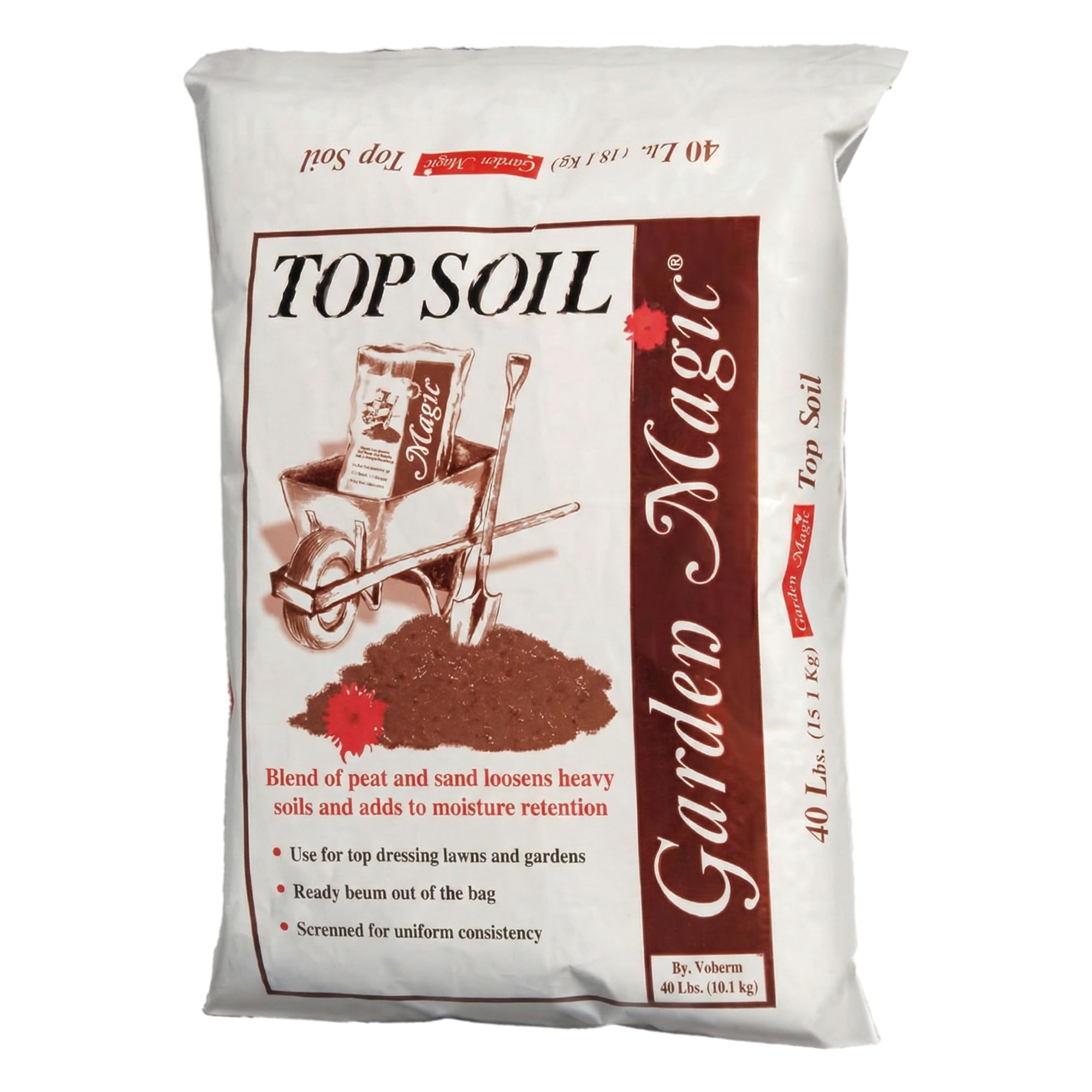
Michigan Peat Garden Magic 40lb

Michigan Peat Garden Magic 40lb

Large garden beds

Our Score 9.0/10
Check Price

Worth Noting

  • Contains sticks, rocks, and debris that may require sifting before use in pots or fine plantings.
Volume
40 lb
Pest History
No pest issues
Organic vs Synthetic
Natural (no additives)
Read the full review

This 40-pound bag delivers the lowest cost per cubic foot among organic soils reviewed, and unlike some premium mixes, there are no reports of pests. The dark, rich texture works well as a top dressing or blended into existing garden soil. Tomato growers should note that sticks and debris may require sifting, and the blend lacks added fertilizer — so plan on mixing in a balanced vegetable feed. It suits budget-conscious gardeners who prioritize volume over convenience and are willing to do a little extra prep.

Sift before using in containers, and supplement with a tomato-specific fertilizer for best fruiting results.

Bottom line: Ideal for gardeners who need bulk soil at a low price and don't mind a little extra prep — not a grab-and-go container mix.

6

Coast of Maine Stonington

Coast of Maine Stonington

Organic water-only soil

Our Score 9.0/10
Check Price

Worth Noting

  • Mold growth can occur in stored bags
  • Fungus gnats and broad mites may appear in some bags, especially indoors.
Volume
1.5 cu ft
Pest History
Gnats reported
Organic vs Synthetic
OMRI Organic
Read the full review

OMRI-certified and packed with oceanic ingredients like sea shells and fish meal, this potting soil requires no added fertilizer for strong tomato growth. For organic gardeners who prefer a water-only feeding approach, the blend supports healthy root development and fruit set from potting through harvest. The tradeoff: some bags can develop mold or introduce fungus gnats, and the premium cost reflects the high-quality inputs. Best for growers who will inspect the soil before use and tolerate occasional pest management. Compared to other premium mixes, the Stonington blend offers a single-bag solution without needing supplements.

Store in a dry, ventilated area and sift before potting to minimize pest and mold surprises.

Bottom line: A strong choice for organic tomato growers who want a complete soil without extra mixing – just be prepared to inspect the bag for moisture and pests.

7

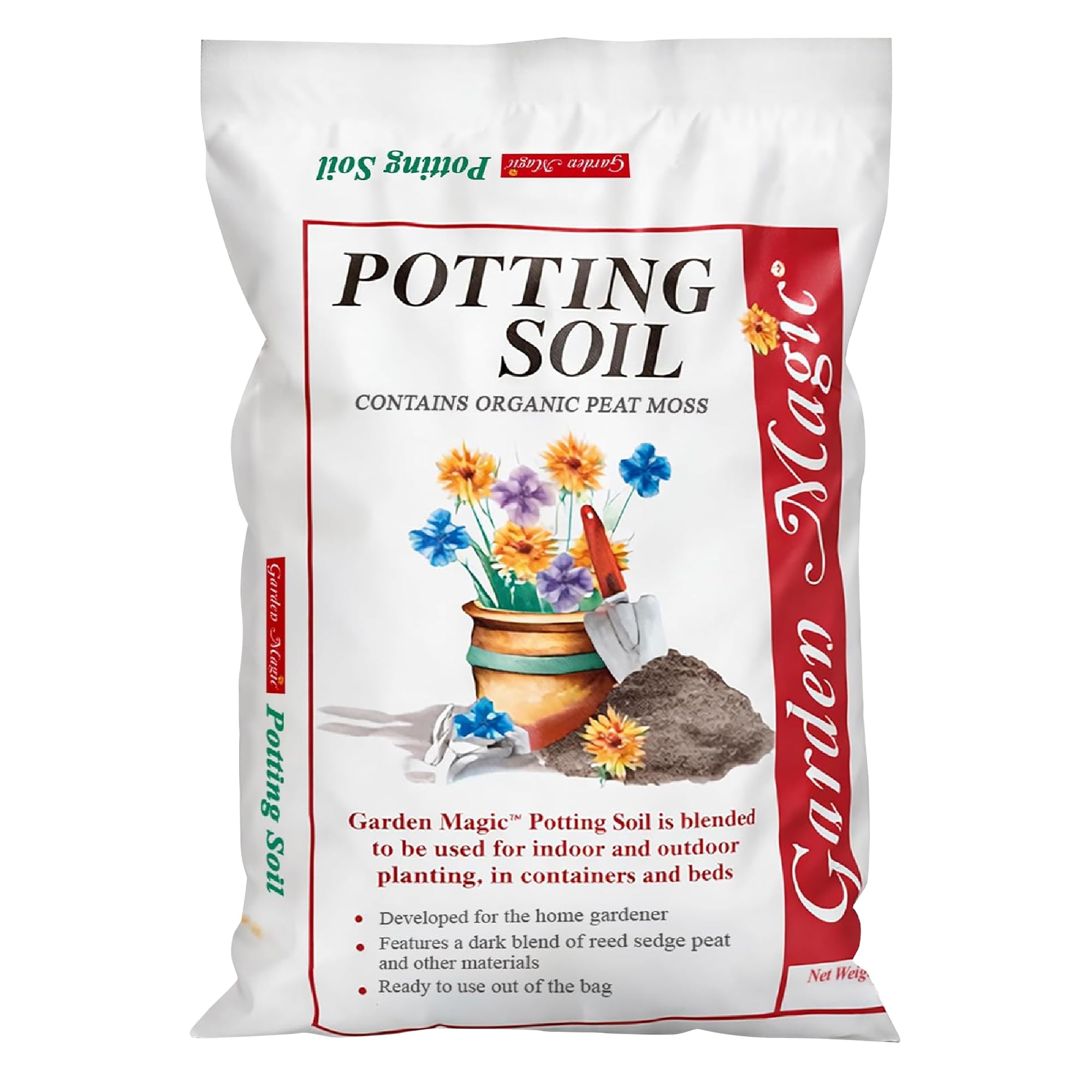
Michigan Peat Garden Magic 20lb

Michigan Peat Garden Magic 20lb

Small potted plants

Our Score 9.0/10
Check Price

Worth Noting

  • Sticks and clumps may require sifting for consistent texture
Volume
20 lb
Pest History
No pest issues
Organic vs Synthetic
Natural (no additives)
Read the full review

Easy to handle 20 lb bag ideal for small potted plants and starting seedlings. The mix supports healthy growth in small containers but often contains sticks and clumps that may need sifting. For larger tomato plantings, the 40 lb version provides better value per pound.

Bottom line: This bag works for starting a few tomato seedlings in small pots, but for larger plantings the 40lb version offers better value.

8

Espoma Organic Potting Mix

Espoma Organic Potting Mix

Espoma organic fans

Our Score 9.0/10
Check Price

Worth Noting

Volume
8 qt
Pest History
Unknown
Organic vs Synthetic
OMRI (claimed)
Read the full review

This Espoma potting mix provides a certified organic base with mycorrhizae and worm castings to support tomato growth in containers. Customer feedback is limited, so batch-to-batch consistency relies more on brand reputation than verified reports. For growers who want to avoid synthetic inputs and are comfortable with that tradeoff, it is a reasonable mid-range option.

Bottom line: A suitable pick for tomato growers who prioritize organic certification and trust the Espoma name, though buyers wanting extensive user confirmation may prefer alternatives.

9

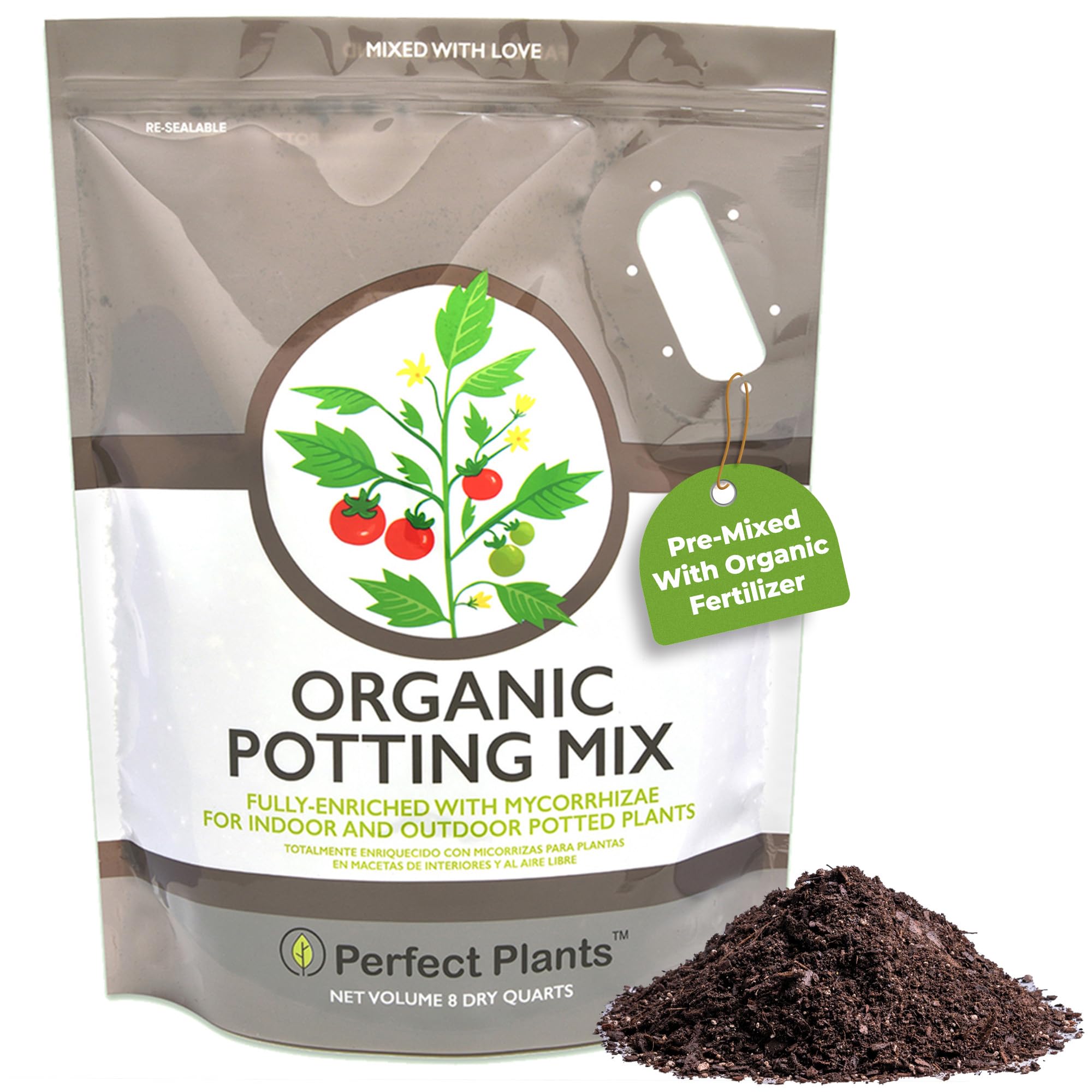
Perfect Plants Organic 8qt

Perfect Plants Organic 8qt

Small organic pots

Our Score 9.0/10
Check Price

Worth Noting

  • For tomato growers needing rich soil, the high wood chip content can be a limiting factor
Volume
8 qt
Pest History
Gnats reported
Organic vs Synthetic
Natural mix
Read the full review

This organic mix includes mycorrhizae and perlite to support root development in small containers. However, the high proportion of wood chips and bark means it lacks the nutrient density tomatoes need, and some bags have been noted for attracting fungus gnats. The 8-quart volume commands a premium, making it better suited for houseplants or seedlings that don't require rich soil.

Bottom line: A decent option for small container houseplants or herbs where organic certification matters, but not a good fit for tomato cultivation.

How to Choose

Volume and Bag Size

Larger bags save money per quart but often sacrifice refinement. Budget bulk soils like Michigan Peat come in 40 lb bags and are great for filling beds, but expect sticks and debris. Smaller premium bags (8–16 qt) offer cleaner texture and targeted nutrients but cost more per plant.

If you are planting a few containers, a smaller bag avoids waste. For large gardens, the cost savings of bulk outweigh the sifting effort.

Organic vs Synthetic Fertilizer

Organic soils rely on natural ingredients like worm castings and bat guano to slowly release nutrients. They feed soil microbes and reduce chemical runoff, but they can be variable in consistency. Synthetic soils like Miracle-Gro include timed-release fertilizers that provide predictable feeding for months without additional mixing.

Choose organic if you want a living soil ecosystem and are willing to pay a premium. Choose synthetic if you want consistent, easy results and don't mind the long-term soil health trade-off.

Moisture Control Features

Some soils include moisture-control polymers that absorb excess water and release it slowly. This is a lifesaver for occasional over-waterers but can create damp pockets that attract fungus gnats. Soils without moisture additives dry out faster but reduce pest risk.

If you tend to overwater, a moisture-control mix can forgive mistakes. If you already struggle with gnats, skip these additives and stick with a well-draining organic blend.

Mycorrhizae and Beneficial Microbes

Mycorrhizae fungi form a symbiotic relationship with tomato roots, extending their reach and improving nutrient uptake. Soils like FoxFarm Happy Frog and Espoma include these microbes. However, these living components can die off if the soil dries out or is exposed to high heat, nullifying the benefit.

If you are growing in containers and can maintain consistent moisture, mycorrhizae are worth the extra cost. For raised beds with native soil, they are less critical because native microbes already exist.

Pest History and Prevention

Fungus gnats and other pests are the most common complaint across all price tiers. Premium organic soils often harbor more gnats because they contain uncomposted organic matter that larvae feed on. Budget soils like Michigan Peat (made from peat and sand) rarely have pest issues because they lack attractive food sources.

To reduce risk, let any bag sit open for a few days before use, or pre-moisten and let it sit to flush out eggs. Baking soil at 180°F for 30 minutes kills pests but also kills beneficial microbes.

Frequently Asked Questions