Soil & Fertilizer

12 Best Soil for Raised Beds of 2026: Grow Without the Gnats

Struggling with fungus gnats or poor drainage in your raised beds? Find the soil that balances nutrition, aeration, and pest resistance for your garden.

The promise of bagged soil is simple: open, pour, plant. But anyone who has filled a raised bed knows the reality can include fungus gnats, hydrophobic patches, or a texture that holds water like a sponge. These problems aren't random — they follow predictable patterns tied to how each mix is formulated.

The best soil for raised beds doesn't have to be a gamble. This guide focuses on the key specs that actually matter: volume efficiency, drainage mechanics, and nutrient density. You will learn which mixes reward your plants without inviting pests, and which tradeoffs are worth making depending on how many beds you are filling.

Whether you need to top-dress a single 4x4 or fill a whole row, the right choice comes down to matching the blend's weight and aeration to your watering habits and crop demands.

1

Coast of Maine Bar Harbor 16 qt

Top Pick
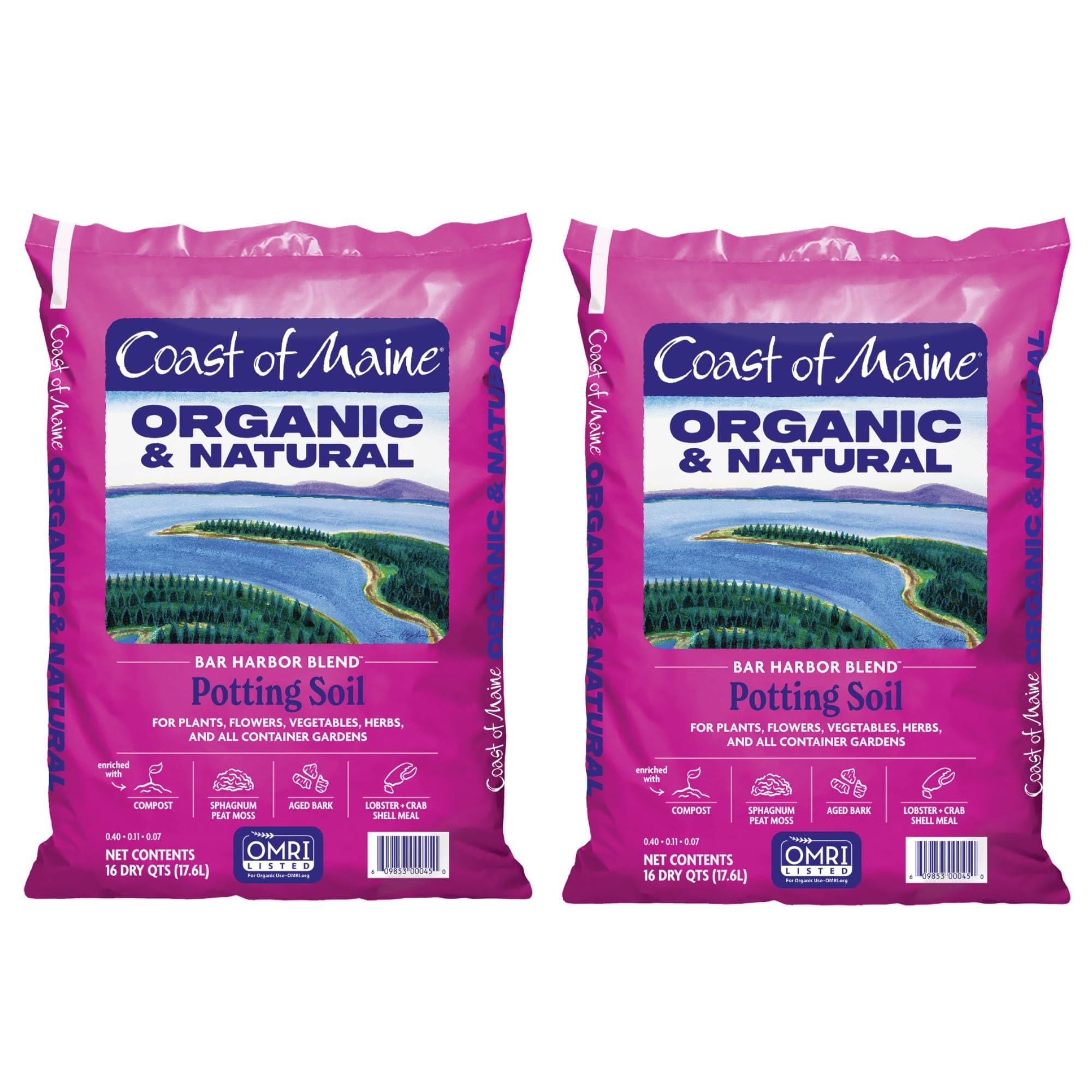
Coast of Maine Bar Harbor 16 qt

Small organic beds

Our Score 9.6/10
Check Price

Worth Noting

Volume
16 qt (0.5 cu ft)
Nutrients
Lobster, crab, kelp meal
Pest Issues
Gnats occasionally
Fertilizer Type
Organic
Read the full review

Lobster and crab shell meal combined with kelp meal give this organic mix a nutrient profile that supports strong growth in flowers, herbs, and vegetables. The 16-quart bag covers about half a cubic foot, making it best for small containers or raised beds where the premium price per quart is justified by the crop value. Some bags may harbor fungus gnats if kept overly moist, so monitor watering.

Allow the soil surface to dry slightly between waterings to reduce the chance of fungus gnats.

Bottom line: For small, high-value crops like tomatoes, peppers, or herbs in containers, this organic blend delivers noticeable growth — just plan for the higher cost per bag and potential gnats with moist conditions.
2

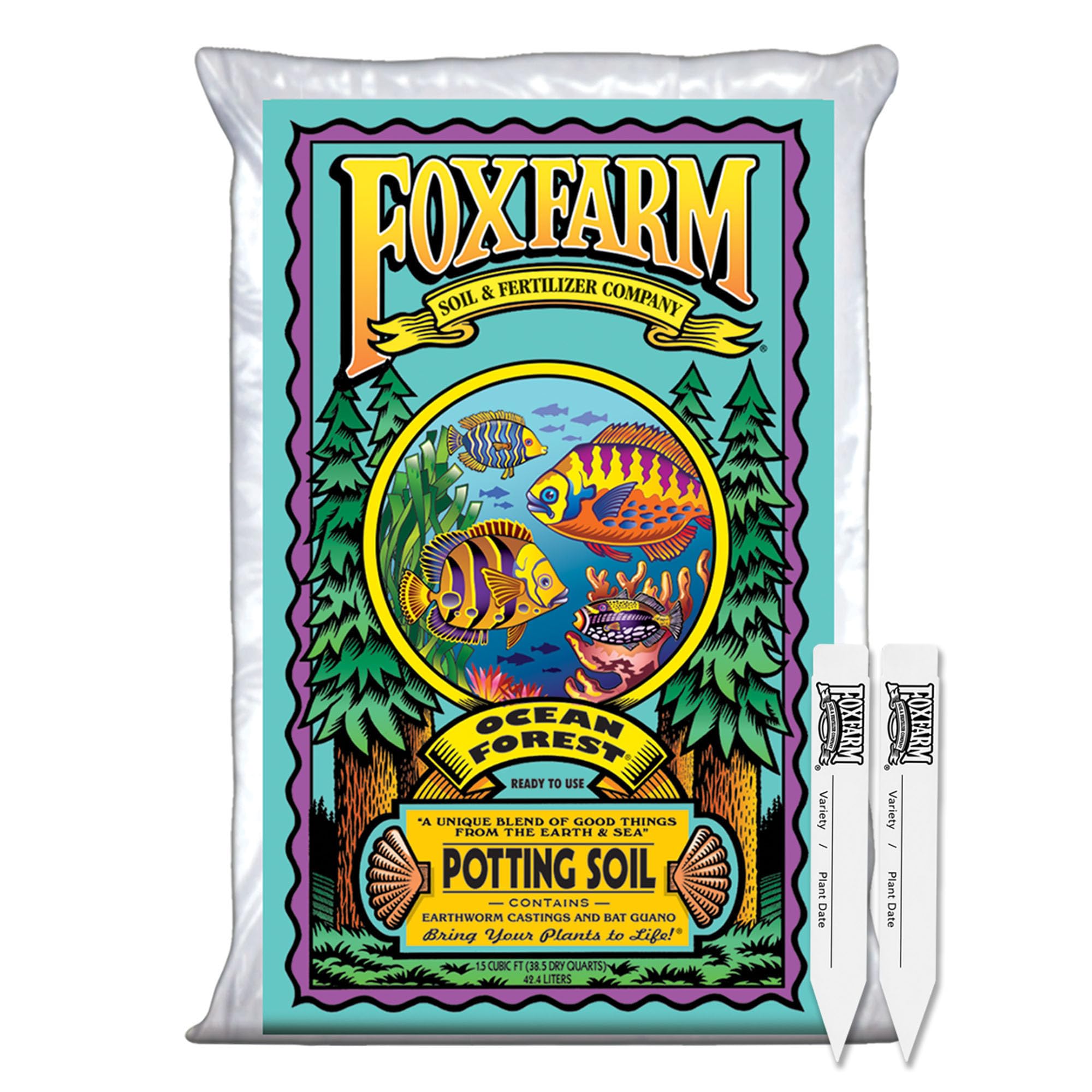
FoxFarm Ocean Forest 1.5 cu ft

FoxFarm Ocean Forest 1.5 cu ft

Serious home gardeners

Our Score 9.4/10
Check Price

Worth Noting

  • In a quiet indoor grow space, fungus gnats or other pests can appear from the bag.
  • For filling large raised beds, the per-volume cost is noticeably higher than budget brands.
Volume
1.5 cu ft
Nutrients
Worm castings, bat guano
Pest Issues
Fungus gnats reported
Fertilizer Type
Organic
Read the full review

Ocean Forest opens with a fluffy, perlite-rich texture that stays light even after watering. The blend of aged forest products, worm castings, and bat guano provides a balanced nutrient charge that sustains vegetables, herbs, and flowers through early growth stages. Plants respond with strong foliage and steady rooting across a wide range of species.

For serious home gardeners filling containers or raised beds, this mix saves the hassle of additional amendments – just open and plant. The premium price per cubic foot adds up quickly when filling deep beds, which makes it a better fit for topdressing or smaller projects than bulk fills. A small percentage of bags can contain fungus gnats or other pests, so checking the soil before planting and allowing it to dry between waterings is wise.

Letting the soil dry out between waterings can help deter fungus gnat larvae.

Bottom line: Premium-priced, but delivers reliable growth for container and raised bed gardeners who value nutrient density and aeration over volume cost.

3

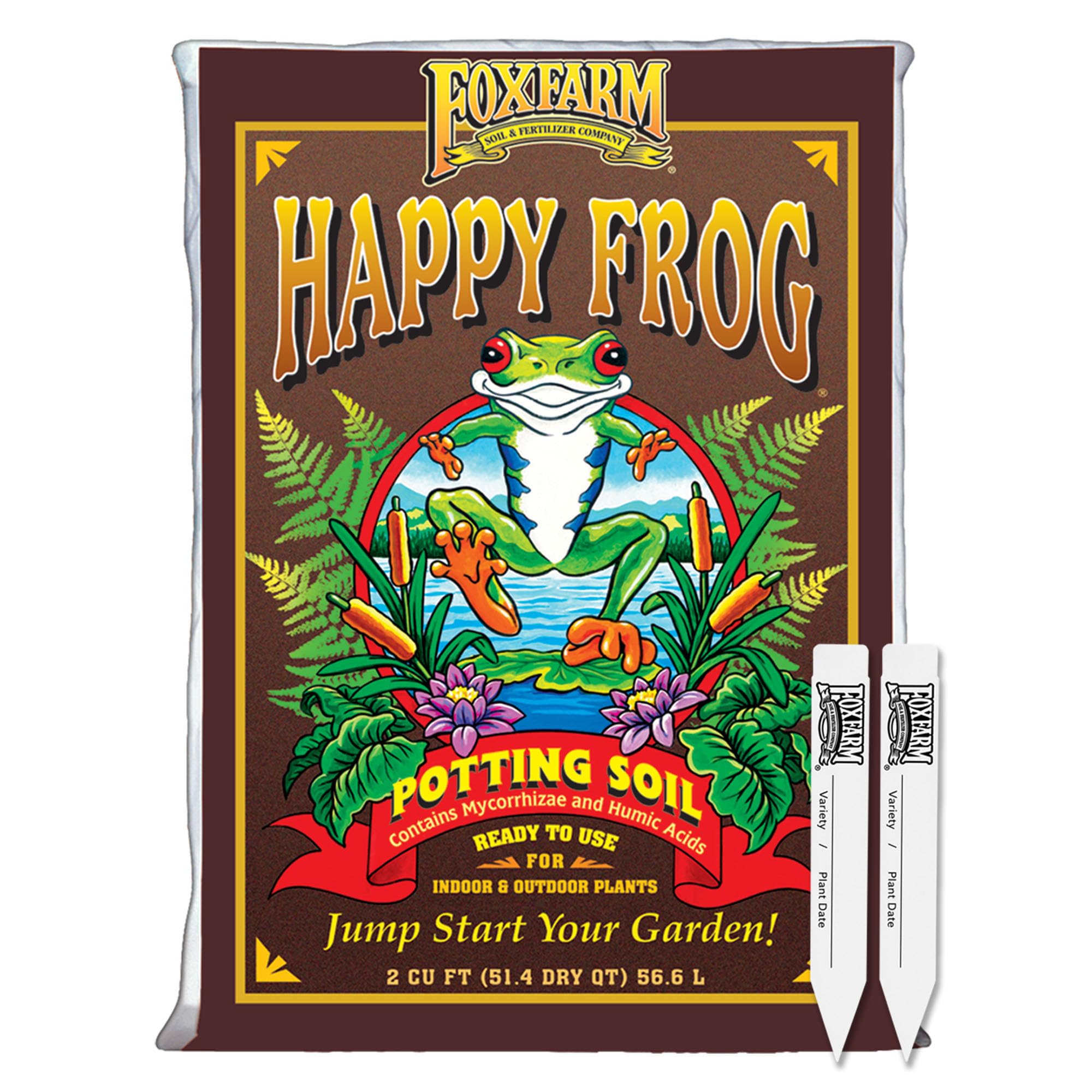
FoxFarm Happy Frog 2 cu ft

FoxFarm Happy Frog 2 cu ft

Root-focused growers

Our Score 9.4/10
Check Price

Worth Noting

  • Too nutrient-rich for very young seedlings may cause nutrient burn
  • Bags can contain fungus gnats or root mealybugs
Volume
2 cu ft
Nutrients
Mycorrhizae, humic acids
Pest Issues
Fungus gnats reported
Fertilizer Type
Organic
Read the full review

Happy Frog focuses on root biology rather than broad palatability like the top pick. The mycorrhizae and humic acids encourage vigorous root development, which makes it a strong choice for transplanting seedlings or heavy feeders in containers. The texture is airy and rich, holding moisture without getting soggy.

This suits organic gardeners who prioritize root health and beneficial microbes. The nutrient load can stress very young seedlings, so save it for established plants or use a seed-starting mix for the first few weeks. Bags occasionally arrive with fungus gnats, typical of organic blends without sterilization.

For very young seedlings, mix with seed-starting soil or wait until they have a few sets of true leaves.

Bottom line: Choose Happy Frog when transplant success and root development matter more than all-purpose flexibility. For general raised bed filling, the top pick offers broader compatibility.

4

Miracle-Gro Potting Mix 16 qt

Miracle-Gro Potting Mix 16 qt

Budget container gardeners

Our Score 9.4/10
Check Price

Worth Noting

  • Fungus gnats can appear in some bags, requiring management.
Volume
16 qt (0.5 cu ft)
Nutrients
Synthetic, feeds 6 months
Pest Issues
Fungus gnats reported
Fertilizer Type
Synthetic
Read the full review

This classic potting mix consistently supports healthy growth in flowers and vegetables grown in pots and small planters, making it a go-to for budget-conscious container gardeners. However, the 16-quart bag (about half a cubic foot) is too small for filling raised beds, and some bags may introduce fungus gnats that require attention. For raised bed projects, larger bulk soils or compost blends offer better value and fewer pest concerns.

Bottom line: A practical pick for small container gardens on a budget, but not for filling raised beds.

5

Miracle-Gro Organic 16 qt

Miracle-Gro Organic 16 qt

Budget organic gardeners

Our Score 9.2/10
Check Price

Worth Noting

  • Unpleasant odor may be noticeable from some batches, especially in enclosed spaces.
  • Fungus gnats or other pests can appear in some bags, a common organic mix tradeoff.
Volume
16 qt (1 cu ft)
Nutrients
Quick-release natural
Pest Issues
Occasional gnats
Fertilizer Type
Organic (OMRI)
Read the full review

This OMRI-listed organic mix delivers quick-release natural fertilizer at a budget-friendly price, making it a sensible choice for outdoor containers and window boxes. Compared to pricier organic blends, it provides similar growth results at a lower cost. For raised bed buyers, the 16-quart bag works best as a top-dressing or for smaller projects — filling a large bed with it would be costly per cubic foot.

It suits budget-conscious organic gardeners who prioritize affordability over premium features. Some bags may have an earthy or chemical odor, and occasional pest issues can occur — these are typical of many organic mixes and less likely to be a problem in well-ventilated outdoor settings.

Bottom line: For budget-minded gardeners looking for an organic mix for small containers or top-dressing, this is a cost-effective pick — but for large raised beds, the per-cubic-foot cost and small bag size make it less practical.

6

Miracle-Gro Moisture 2pk

Miracle-Gro Moisture 2pk

Forgetful waterers

Our Score 9.2/10
Check Price

Worth Noting

  • In raised beds, the water-holding formula can reduce drainage, and mold has been noted in moisture-prone setups.
Volume
2x16 qt (1 cu ft)
Nutrients
Synthetic slow-release
Pest Issues
Mold risk if overwatered
Fertilizer Type
Synthetic
Read the full review

This 2-pack of 16-quart bags uses polymer-based moisture control to buffer against over- and under-watering in pots — a genuine help for forgetful waterers. However, raised beds depend on natural drainage and aeration, and this mix’s water-holding texture works against that. It is not an organic formulation, and in setups where moisture lingers, mold or plant stress can arise. For raised bed filling, a coarser blend like the top pick or a mix of Garden Magic with added perlite will deliver the drainage and root health you need.

Bottom line: For raised bed filling, this moisture-control mix is a mismatch — prioritize a well-draining, aerated soil instead.

7

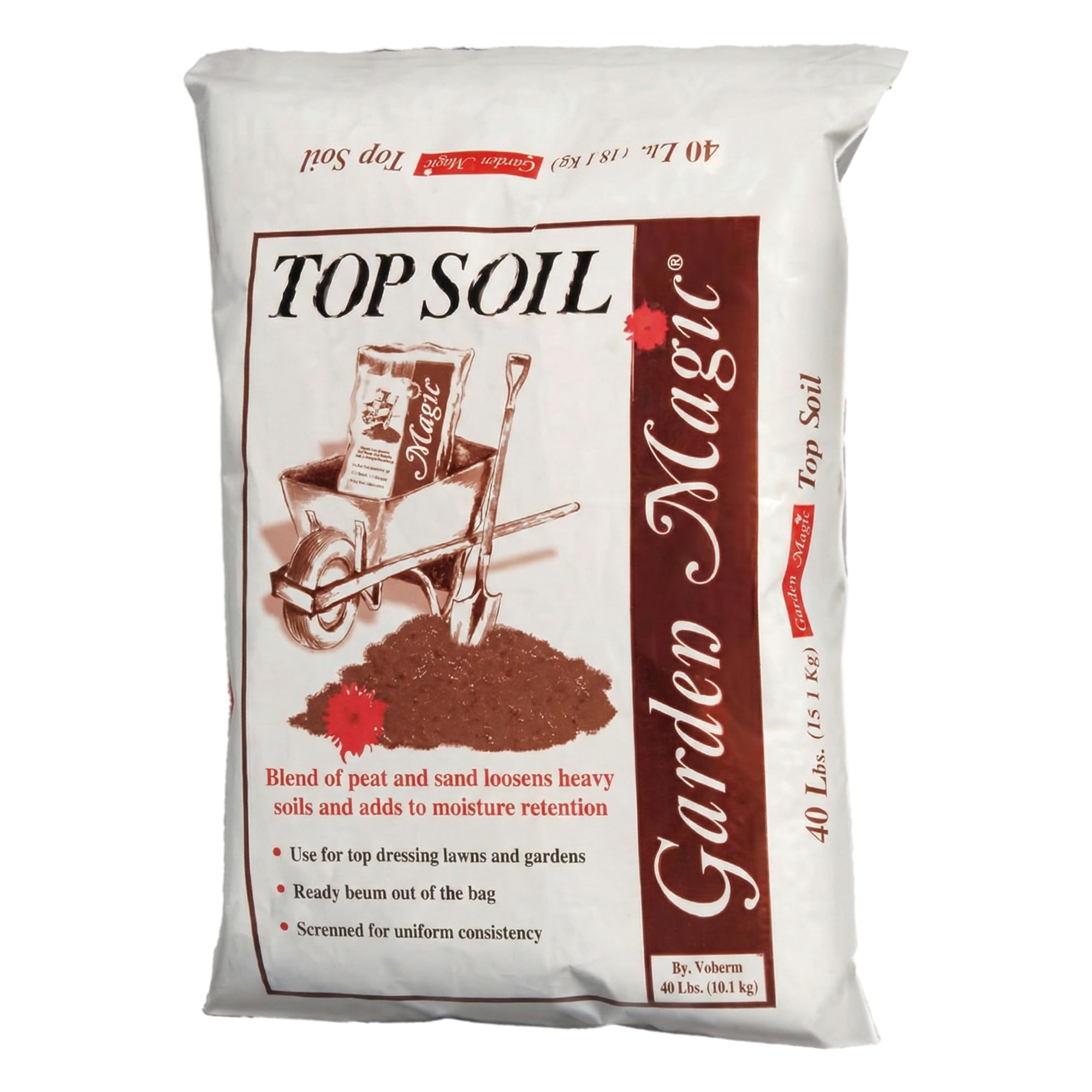
Garden Magic 40 lb Topsoil

Garden Magic 40 lb Topsoil

Filling large beds

Our Score 9.0/10
Check Price

Worth Noting

  • Dense texture may need mixing with perlite for adequate aeration when used alone in containers.
  • May contain sticks and rocks that require sifting before planting.
Volume
40 lb (1.5 cu ft)
Nutrients
Low (peat, sand)
Pest Issues
Debris (sticks, rocks)
Fertilizer Type
None
Read the full review

Garden Magic delivers the most economical way to fill large raised beds by volume, with a dark organic blend of reed sedge peat and sand that provides decent soil structure. However, this is a dense topsoil mix, not a lightweight potting soil — it requires blending with compost and perlite to achieve the drainage and aeration that raised bed crops need. Budget-conscious gardeners tackling a big bed who are willing to sift out occasional woody debris and adjust texture with amendments will find it cost-effective; those expecting a ready-to-use soil straight from the bag may be disappointed by the sticks and rocks that can appear.

Blend with compost and lightweight aggregates to improve soil structure for raised beds.

Bottom line: For raised bed projects on a tight budget, Garden Magic is the most cost-effective base soil — expect to spend a little extra time sifting and blending for best results.

8

Garden Magic 2x20 lb

Garden Magic 2x20 lb

Medium raised beds

Our Score 9.0/10
Check Price

Worth Noting

  • Per-pound price is higher than the single 40lb bag, so less budget-friendly for large fills.
Volume
2x20 lb (1.5 cu ft)
Nutrients
Low (peat, sand)
Pest Issues
Debris possible
Fertilizer Type
None
Read the full review

This two-pack splits the same Garden Magic blend into lighter 20lb bags, making transport and handling easier for medium raised beds or multiple small projects. The all-purpose mix with reed sedge peat and sand provides decent general-use soil for flowers and vegetables. However, the per-pound price is higher than the 40lb bag, and the same occasional sticks and rocks show up here, so sifting is wise before planting.

Bottom line: Best for gardeners who need two manageable bags for separate small beds or top-dressing, but if you’re filling one large raised bed, the single 40lb bag offers better value.

9

Burpee Organic Potting 9 qt

Burpee Organic Potting 9 qt

Seed starting indoors

Our Score 9.0/10
Check Price

Worth Noting

  • Fungus gnats can appear in some batches, especially indoors.
Volume
9 qt (0.3 cu ft)
Nutrients
Organic, feeds 3 months
Pest Issues
Severe gnats, worms
Fertilizer Type
Organic
Read the full review

Fluffy coconut coir and perlite blend perfect for delicate seedlings and small containers. Fungus gnat infestations may occur, and the 9-quart bag carries a premium price. This works for tiny projects where texture matters, but not for raised beds.

Bottom line: Only worth considering for small seed-starting projects where you can monitor moisture and pest issues closely.

10

Midwest Hearth 8 qt

Midwest Hearth 8 qt

Sensitive seedlings

Our Score 9.0/10
Check Price

Worth Noting

  • 8-quart bag is expensive per volume, not economical for raised beds or large projects
Volume
8 qt (0.3 cu ft)
Nutrients
None (pH balanced)
Pest Issues
Hydrophobic issues
Fertilizer Type
None
Read the full review

This 8-quart bag delivers a light, airy blend of peat moss, vermiculite, and perlite with precisely controlled pH — ideal for starting seeds and caring for sensitive indoor plants. The mix drains well and supports strong root development in small containers, but carries a premium price per quart that makes it impractical for filling raised beds or large containers. Occasional water repellency when the mix dries out may require pre-moistening before use.

Bottom line: Best reserved for gardeners who need a precise, fine-textured medium for seed starting or a handful of small indoor pots rather than filling a raised bed.

11

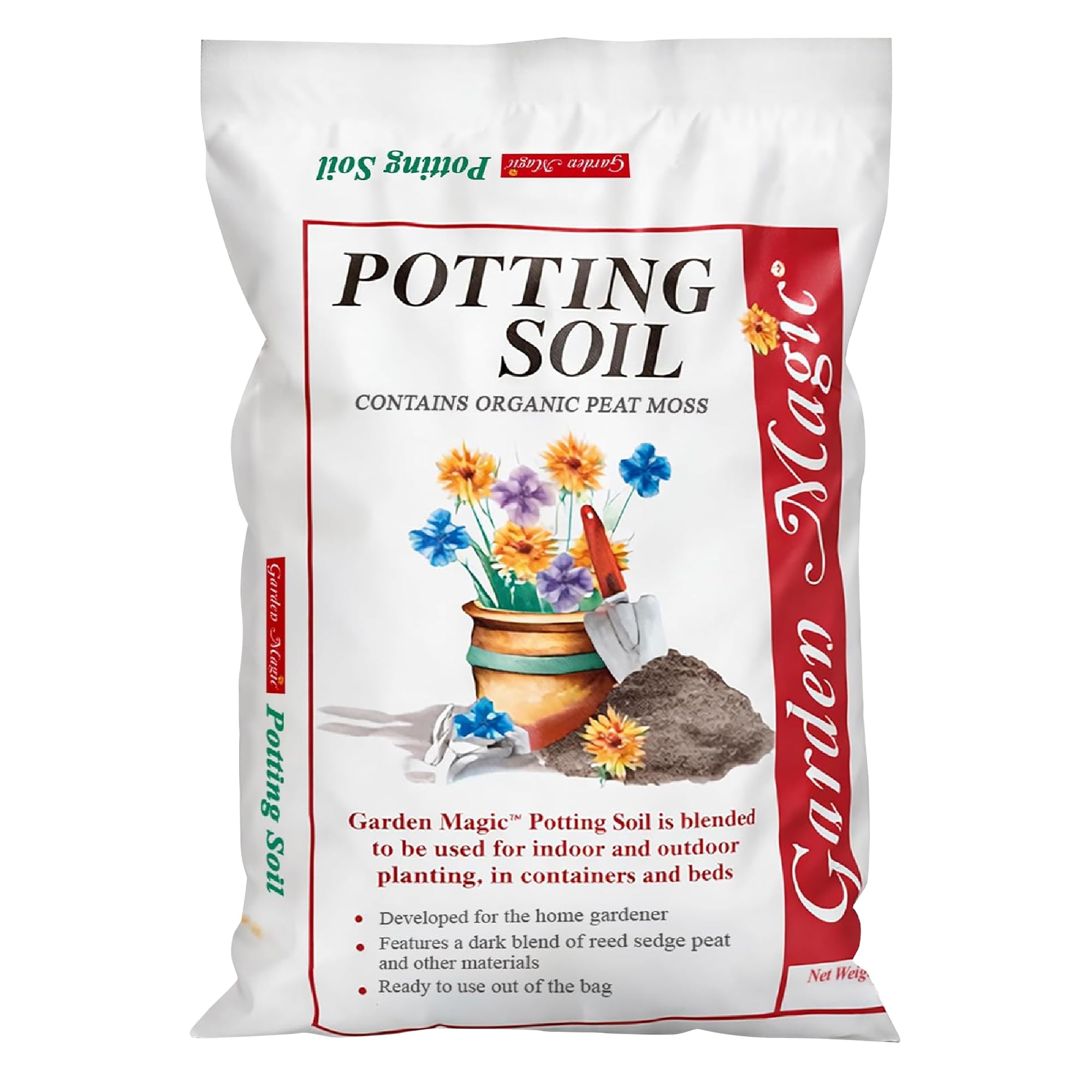
Garden Magic 20 lb Potting

Garden Magic 20 lb Potting

Small container plants

Our Score 9.0/10
Check Price

Worth Noting

  • Higher cost per pound than the larger Garden Magic bag, and texture may contain sticks or clumps.
Volume
20 lb (0.75 cu ft)
Nutrients
Low (peat, sand)
Pest Issues
Debris possible
Fertilizer Type
None
Read the full review

This 20-pound bag delivers the same dark, moisture-retaining texture as its bigger sibling, making it a decent option for repotting a few houseplants or refreshing the surface layer of containers. However, the higher cost per pound compared to the 40-pound bag, combined with occasional clumps and debris, keeps it from being a practical choice for filling raised beds — where volume and value matter most.

Bottom line: Best reserved for top-dressing houseplants or small container projects where the moisture retention and texture are assets, not for filling raised beds.

12

Organic Plant Magic Compressed

Organic Plant Magic Compressed

Apartment gardeners

Our Score 8.8/10
Check Price

Worth Noting

  • Final volume of about 3 gallons is insufficient for filling a raised bed of any meaningful size.
Volume
Expands to 3 gal
Nutrients
Coir, worm castings
Pest Issues
Fertilizer Type
Organic
Read the full review

This compressed block shrinks storage needs by expanding from 2 pounds to roughly 3 gallons of soil when hydrated, making it convenient for travelers or apartment dwellers with limited space. The organic blend of coconut coir, worm castings, and mycorrhizae provides a decent nutrient start for small containers. However, the final volume is far too small for even a modest raised bed, and without detailed performance feedback from gardeners, its reliability in outdoor setups remains uncertain.

Bottom line: Consider this for a single large container or a few small pots if storage space is at a premium — skip it for raised bed projects where proven performance and volume matter.

How to Choose

Volume per Bag

The bag size directly affects your total cost. Small 8-16 quart bags work for containers but become expensive per cubic foot when filling a raised bed. A 1.5 cubic foot bag (about 40 pounds) is the sweet spot for most home gardens, covering roughly 8 square feet at 2 inches deep. For deep beds, buying bulk topsoil and mixing in amendments gives the lowest cost.

Nutrient Content

Pre-mixed soils vary from nutrient-dense blends with worm castings and guano to plain peat and sand that require regular fertilizer. Rich mixes feed plants for weeks but can burn seedlings if used undiluted. Lighter mixes give you more control but demand a consistent feeding schedule. Match the nutrient level to your crop: leafy greens need less, tomatoes and peppers need more.

Drainage & Aeration

Good drainage prevents root rot and allows oxygen to reach roots. Perlite and coarse sand create air pockets, while peat and coir retain moisture. Soils without perlite feel heavy and compact easily, especially in deep raised beds where gravity compresses the lower layers. If you choose a dense topsoil, add 20-30% perlite or pumice before filling your bed.

Fertilizer Type

Organic fertilizers release nutrients slowly as microbes break them down, feeding the soil food web. Synthetic fertilizers provide immediate nutrients but can leach out quickly and may harm beneficial organisms. For raised beds used year after year, organic amendments improve long-term soil structure, while synthetics offer predictable performance for a single season.

Reported Pest Issues

Fungus gnats thrive in moist, organic-rich soils because they feed on fungal growth. Almost all bagged organic mixes carry a risk of introducing eggs or larvae. To minimize outbreaks, avoid overwatering, use yellow sticky cards, and consider pasteurizing the soil in an oven or microwave for small batches. Some budget soils introduce weeds or debris, so sifting may be necessary.

Frequently Asked Questions