Soil & Fertilizer

8 Best Potting Soil of 2026: Moisture Control Without the Gnat Gamble

Find a potting soil that balances moisture retention, plant health, and avoids fungus gnats. Our picks help you choose.

Nearly every bag of potting soil on the market carries the same risk: fungus gnats. Even mixes labeled 'less prone to gnats' see complaints, suggesting the issue lies more in manufacturing and storage than the formula itself.

The challenge is that the same organic matter that holds moisture and feeds your plants can also harbor gnat eggs. This guide cuts through the marketing to find potting soils that deliver on moisture control and plant health while minimizing the gnat gamble.

You'll find picks for indoor houseplants, heavy feeders, organic gardens, and bulk projects — each with a clear trade-off so you can match the soil to your setup, not the other way around.

1

MG Moisture Control 8qt 2pk

Top Pick
MG Moisture Control 8qt 2pk

Container gardeners

Our Score 9.4/10
Check Price

Worth Noting

  • Fungus gnats can appear in some bags, especially if soil stays wet
Volume
16 qt
Organic
Synthetic
Feed Duration
6 months
Key Ingredients
Read the full review

The Moisture Control formula absorbs 33% more water than standard mixes, letting you water less often while protecting plants from both over- and under-watering. In container gardens, this reduces guesswork for busy or forgetful gardeners, with most users reporting healthier plants and less frequent watering.

This mix suits outdoor flowers, vegetables, and large repotting projects. For indoor plants or anyone fighting a gnat problem, the occasional fungus gnat appearance in some bags may be a dealbreaker — proper drying between waterings helps, but it is not risk-free.

Let the soil dry out between waterings to discourage gnats from establishing.

Bottom line: For outdoor container gardeners who want a watering buffer without the premium price, this mix delivers — just keep the bags outdoors or use with caution indoors.
2

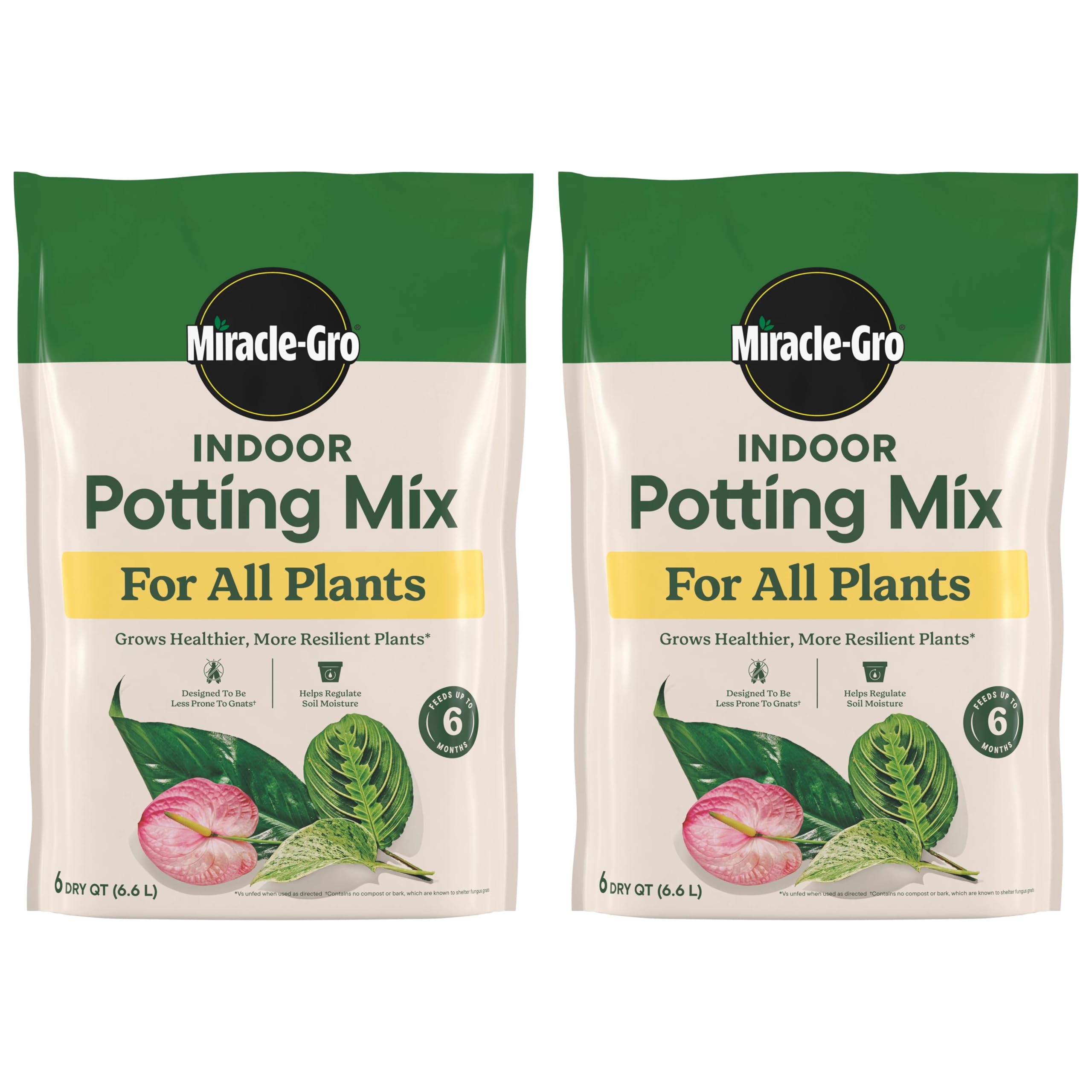
MG Indoor 6qt 2-Pack

MG Indoor 6qt 2-Pack

Indoor houseplants

Our Score 9.4/10
Check Price

Worth Noting

  • Fungus gnats can appear in some bags, requiring careful watering to discourage them
Volume
12 qt
Organic
Synthetic
Feed Duration
6 months
Key Ingredients
Peat moss, coir, perlite
Read the full review

This mix is designed specifically for indoor use, with added nutrients that support houseplants for up to six months without extra feeding. It pairs a lightweight blend of sphagnum peat moss, coconut coir, and perlite for good aeration and moisture retention. Best for budget-conscious plant owners repotting small containers or starting indoor houseplants. The main tradeoff: some bags may contain fungus gnats despite the no-compost formula, so proper watering habits are needed to keep pests at bay.

Allow the top inch of soil to dry before watering to reduce the chance of gnats.

Bottom line: A cost-effective indoor mix that simplifies feeding for houseplant owners who can manage gnat risk with smart watering.

3

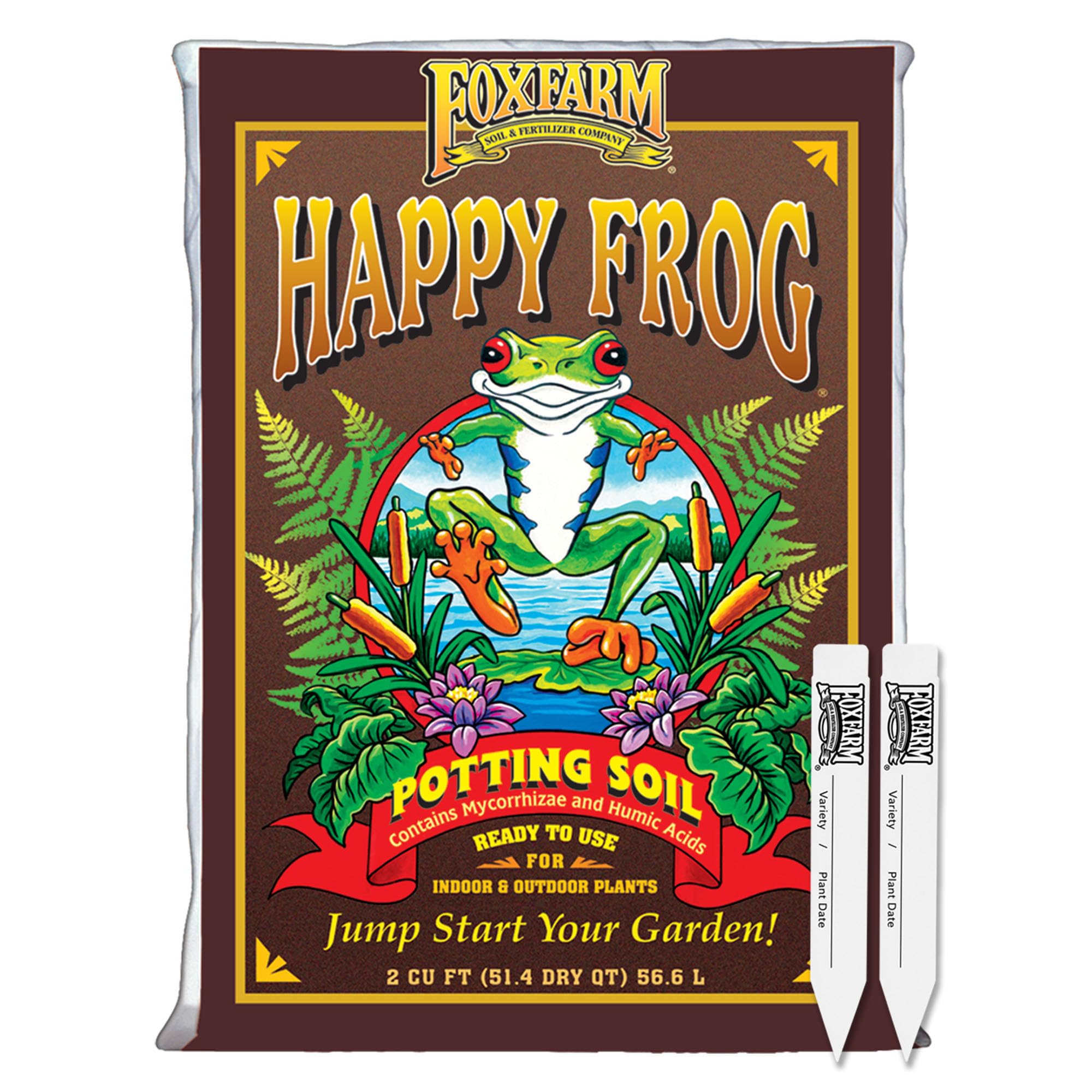
FoxFarm Happy Frog 2 cf

FoxFarm Happy Frog 2 cf

Serious container gardeners

Our Score 9.4/10
Check Price

Worth Noting

  • Fungus gnats or other pests may be present in some bags, requiring careful watering habits.
Volume
2 cu ft
Organic
Natural
Feed Duration
Key Ingredients
Aged forest, peat, perlite, worm castings
Read the full review

A living blend of aged forest products, peat moss, and beneficial microbes, this soil puts root health first. The mycorrhizae and humic acids help roots access nutrients efficiently, supporting strong growth in containers indoors or out.

This suits serious container growers who want a biologically active foundation for vegetables, flowers, or houseplants. Fungus gnats may appear in some bags, so the mix works best for those who can keep watering in check to avoid consistently damp soil.

Let the soil surface dry between waterings to discourage fungus gnats.

Bottom line: For gardeners who want a soil that actively feeds roots through beneficial fungi and humic acids, this is a compelling choice — provided you can manage moisture to minimize pest risk.

4

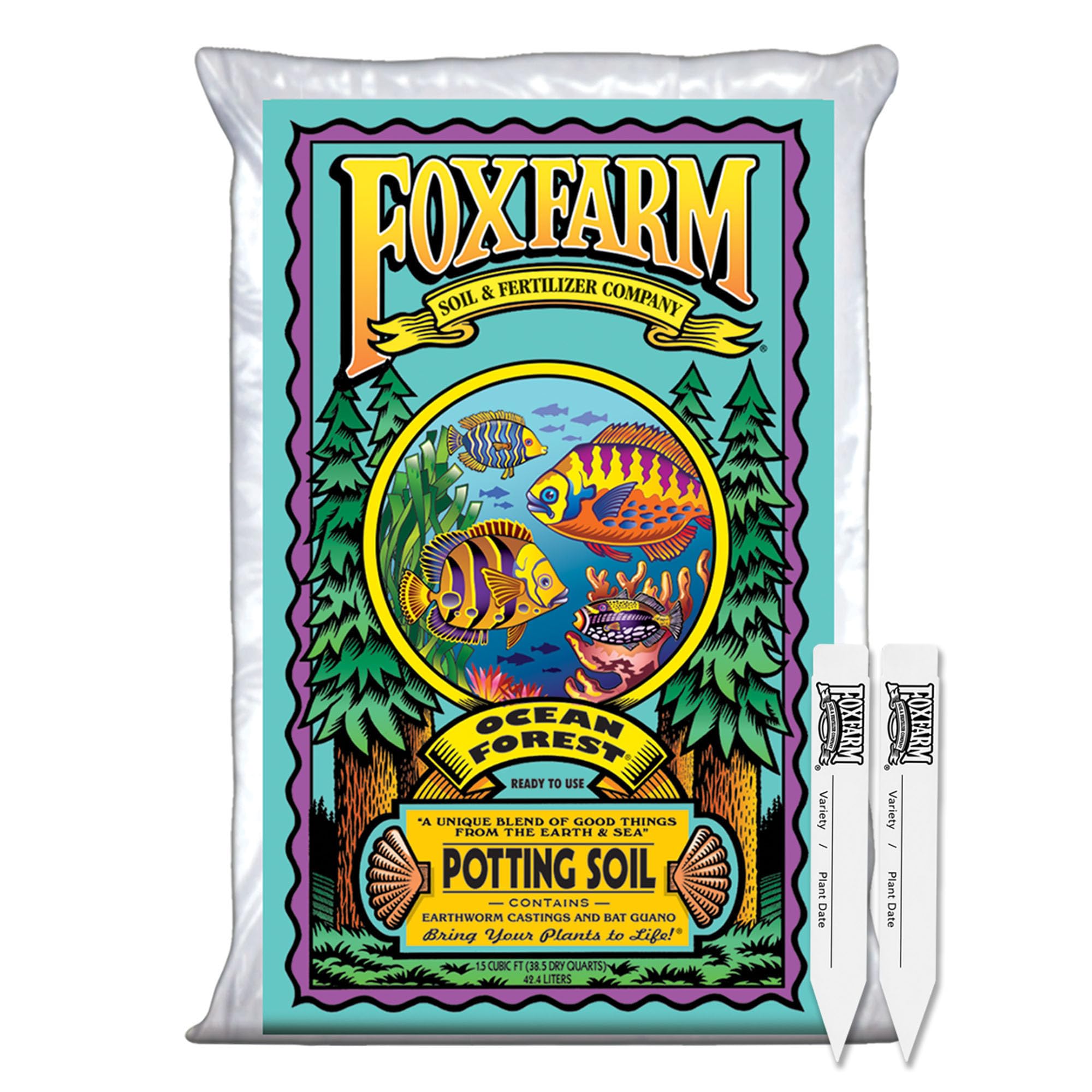
FoxFarm Ocean Forest 1.5 cf

FoxFarm Ocean Forest 1.5 cf

Heavy feeders

Our Score 9.4/10
Check Price

Worth Noting

  • Bags may contain fungus gnats or mites; requires inspection before indoor use.
Volume
1.5 cu ft
Organic
Natural
Feed Duration
Key Ingredients
Aged forest, peat, perlite, fish meal
Read the full review

FoxFarm Ocean Forest delivers high nutrient content that fuels cannabis, tomatoes, and other heavy feeders, with a light, aerated texture that drains well in containers. However, bags can harbor fungus gnats or mites, making it a risk for indoor growers without pest tolerance.

Bottom line: A premium choice for growers who value nutrient density over convenience and can manage the potential for pest introductions.

5

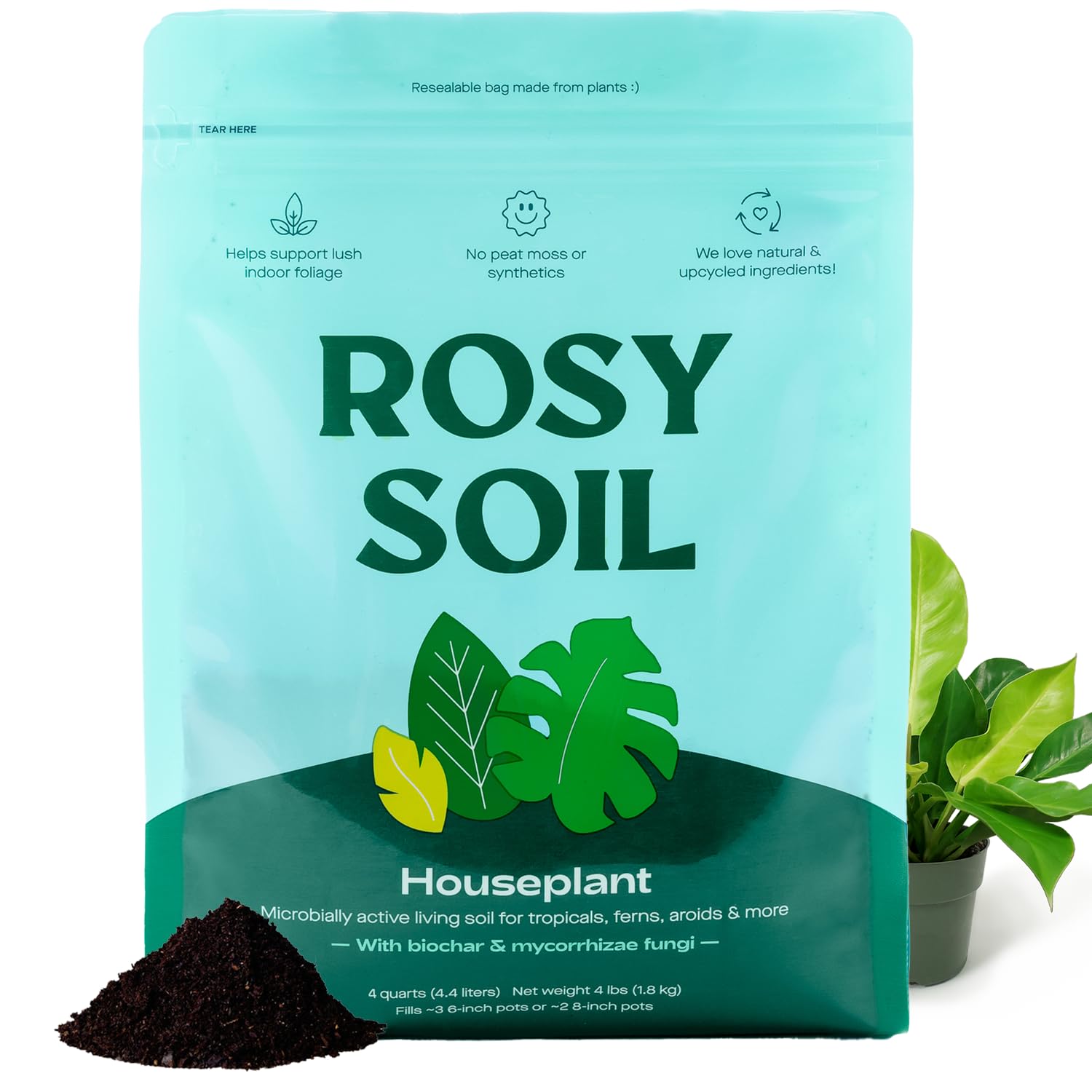
Rosy Soil Houseplant 4qt

Rosy Soil Houseplant 4qt

Peat-free enthusiasts

Our Score 9.2/10
Check Price

Worth Noting

  • Small bag size and high per-quart cost limit its use for larger potting projects.
Volume
4 qt
Organic
Organic
Feed Duration
Key Ingredients
Biochar, worm castings, mycorrhizae, bark fines
Read the full review

This peat-free mix uses biochar and worm castings to create an airy texture that drains well and supports plant health. However, the 4-quart bag costs significantly more per quart than standard potting soils, making it impractical for large repotting projects or budget-conscious buyers.

Bottom line: Best for plant collectors with a few high-value houseplants who want a peat-free, organic option despite the premium price.

6

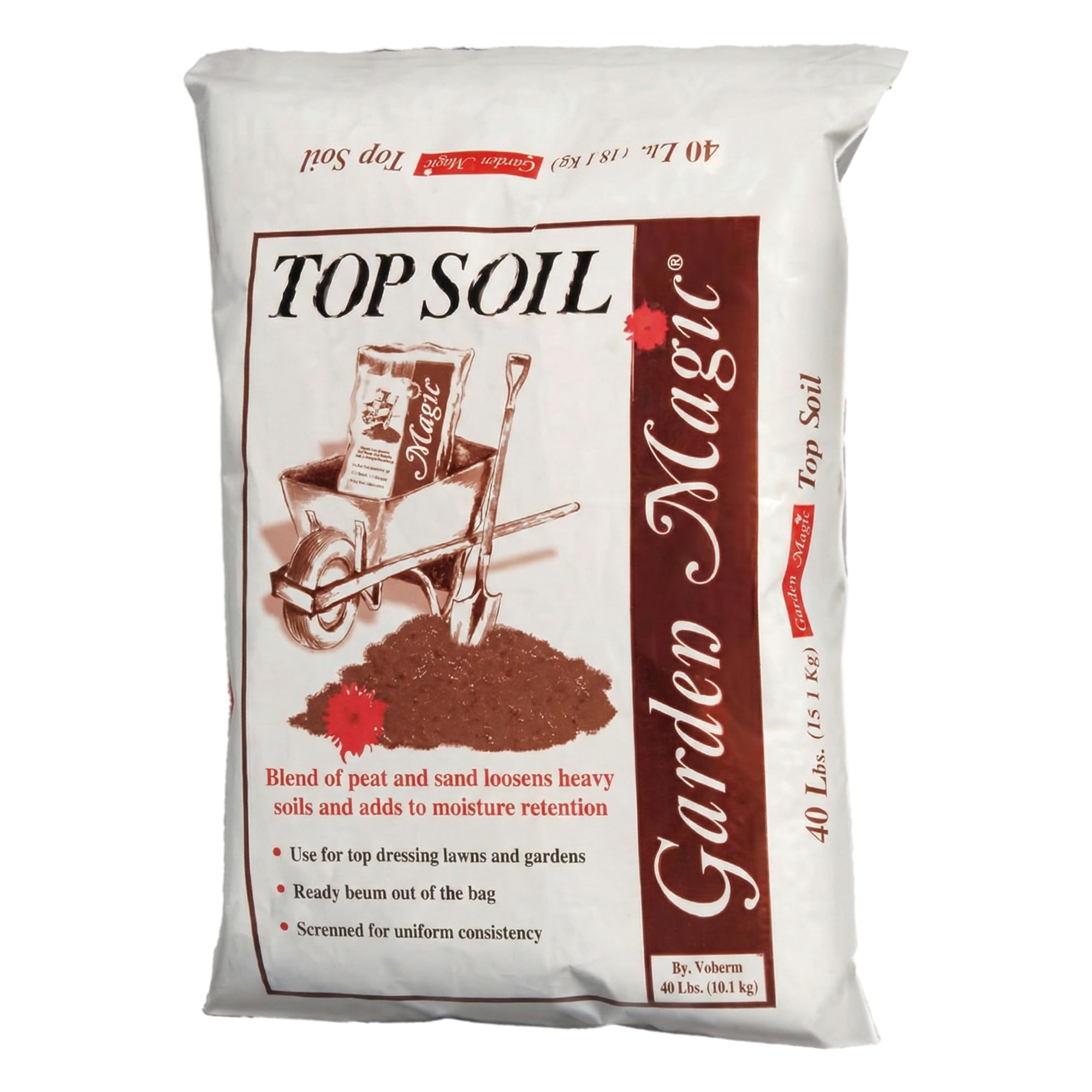
Michigan Peat 40lb

Michigan Peat 40lb

Large outdoor projects

Our Score 9.0/10
Check Price

Worth Noting

  • Sticks and rocks are present in the bag, requiring manual sifting before use in containers.
Volume
1.5 cu ft
Organic
Organic
Feed Duration
Key Ingredients
Reed sedge peat, sand
Read the full review

Garden Magic delivers dark, rich soil at a budget-friendly price for big outdoor projects. It bulks up beds and large containers when mixed with other amendments, but the bag includes sticks and rocks that need sifting before use. This is a solid choice for landscaping fill or top dressing where texture matters less, not for indoor potting or seed starting.

Sift the soil through a hardware cloth or sieve to remove debris before potting.

Bottom line: If you need to fill raised beds or large planters on a budget, this bag does the job — just budget time for sifting.

7

Burpee Organic 9qt

Burpee Organic 9qt

Organic container gardening

Our Score 9.0/10
Check Price

Worth Noting

  • Fungus gnats may develop and plant health can vary between bags, requiring careful watering habits.
Volume
9 qt
Organic
Organic
Feed Duration
3 months
Key Ingredients
Read the full review

Burpee's OMRI-listed organic potting soil uses coconut coir to retain moisture, supporting container vegetables and herbs. The mix has a good texture and is suitable for seed starting. Fungus gnats can appear in the bag, and some plants may show stress. This suits organic gardeners who want a recognizable brand and are willing to manage moisture and pest risks. It is less ideal for beginners or indoor houseplants where pest control is critical.

Allow the soil to dry between waterings to reduce the chance of fungus gnats.

Bottom line: A certified organic choice for vegetable container gardening, best for those who can monitor moisture and plant health closely.

8

Espoma Organic 8qt

Espoma Organic 8qt

Organic gardeners

Our Score 9.0/10
Check Price

Worth Noting

  • Fungus gnats have been an issue for some users, requiring pest management.
Volume
8 qt
Organic
Organic
Feed Duration
Key Ingredients
Sphagnum peat, humus, perlite, worm castings
Read the full review

This organic mix provides quality ingredients and mycorrhizae for healthy container vegetables and herbs. However, the gnat infestation risk is higher than alternatives, limiting its suitability for indoor use or low-tolerance households. Best for organic gardeners prepared to manage gnats.

Bottom line: Best for organic gardeners who prioritize ingredient quality and are prepared to address gnats - less ideal as a general indoor/outdoor mix.

How to Choose

Volume

Potting soil volume is measured in quarts or cubic feet, but bags can be deceptive. A 16-quart bag from one brand may fill fewer pots than another due to compaction and density differences.

For a 12-inch pot, expect to use about 6–8 quarts of soil. If you are filling multiple large containers, a 1.5–2 cubic foot bag saves money — but premium mixes often come in smaller bags that cost more per quart.

Feed Duration

Many potting soils include fertilizer that feeds plants for 3–6 months. This is convenient for casual gardeners who don't want to mix liquid fertilizer, but it also means you cannot control nutrient ratios later.

After the initial feed period, plants may show deficiency signs if you don't supplement. For heavy feeders like tomatoes, a soil with shorter feed duration lets you tailor seasonal feeding more precisely.

Organic vs Synthetic

Organic potting soils use natural ingredients like composted bark, worm castings, and bat guano. They improve soil structure over time but often cost more and are more prone to holding moisture that attracts gnats.

Synthetic mixes rely on slow-release chemical fertilizers and sterilized peat or coir. They offer consistent results and lower gnat risk, but do not build long-term soil health. The trade-off is short-term convenience vs. sustainable soil biology.

Moisture Control

Moisture-control formulas use water-absorbing polymers or extra coir to buffer against over- and under-watering. This is a genuine help for busy or forgetful gardeners, but the constant moisture can create a gnat-friendly environment.

If you use a moisture-control mix, allow the top inch of soil to dry out between waterings. Pair it with a well-draining pot and avoid saucers that hold standing water to reduce the gnat risk.

Ingredient Quality

The base ingredients determine drainage, aeration, and nutrient-holding capacity. Sphagnum peat moss holds water well but adds acidity; coconut coir improves moisture retention without the acidity. Perlite provides air pockets for roots.

Premium mixes often include aged forest products, worm castings, or mycorrhizal fungi that help roots absorb nutrients. Budget mixes may contain sticks, rocks, or sand that require sifting and can compact over time.

Frequently Asked Questions