Garden Tools

12 Best Bulb Planter 2026: Picks That Match Your Soil Type

Which bulb planter actually survives clay soil? This guide helps you choose between manual tools and augers based on your garden's real conditions.

Most bulb planters claim to be heavy-duty. In practice, a $10 tool bends in moderately dense soil within a dozen holes, and even pricier models struggle in rocky clay. The real split is not between brands but between soil types: what works in loamy raised beds will fail in compacted clay.

The other fork is between standing manual tools and drill-powered augers. Manual planters give you depth control and a clean plug, but require physical force. Augers are faster but demand a powerful drill and soft enough soil to avoid snapping the bit. Neither is a universal solution.

This guide focuses on matching the tool to your soil and planting volume. You'll learn which specs actually predict durability, where the hidden trade-offs live, and how to avoid the disappointment of a bent shaft after a weekend's planting.

1

Sukiise Hand Dibber

Top Pick
Sukiise Hand Dibber

Small bulbs seeds

Our Score 9.4/10
Check Price

Worth Noting

  • Smooth metal handle can become slippery when wet or muddy.
Type
Hand dibber
Depth
Depth marks
Diameter
Material
Stainless steel
Read the full review

The Sukiise Hand Dibber uses a full stainless steel shaft and T-handle with no plastic joints or welds that can fail. It pushes into loose soil cleanly, and the etched depth marks let you plant crocus, daffodils, or seeds at consistent depths without guessing. At only 4 oz, it is easy to carry around the garden.

This tool suits gardeners who want a simple, no-fuss dibber for small bulbs and seeds rather than a multi-tool or auger. The smooth metal handle can become slippery when muddy, so a grip glove or dry hands help. It does not remove a soil plug — it pushes soil aside, which works fine for most small plantings.

Use a grip glove when working in damp soil to keep control of the handle.

Bottom line: If you need a lightweight, durable hand tool for small bulbs and seeds and don't require a soil plug, this dibber delivers without complication.

2

ProPlugger 5-IN-1

ProPlugger 5-IN-1

Large planting projects

Our Score 9.2/10
Check Price

Worth Noting

  • In damp or clay-heavy soil, the tube may clog and require tapping to clear
Type
Manual standing
Depth
Up to 6 in
Diameter
2.125 in
Material
Carbon steel
Read the full review

The ProPlugger 5-IN-1 replaces five separate tools — bulb planter, sod plugger, weeder, soil tester, and transplanter — in a single standing tool. Its carbon steel body and rubber grip handle let you apply downward force while standing upright, saving your back and knees. Adjustable depth rings clamp onto the shaft at 1-inch increments up to 6 inches deep, giving repeatable hole depth for consistent planting. The serrated base cuts sod plugs for patching bare spots, and the hollow tube doubles as a weeder for taproots. At 4 pounds, the tool has enough heft to push through moderately compact soil without being overly heavy.

The 2.125-inch diameter tube cuts clean plugs from most garden soils, extracting a core of dirt that can be deposited elsewhere. In damp or clay-heavy conditions, the tube can clog with sticky soil — a quick tap on the side dislodges it. This is a minor interruption rather than a flaw. The standing design provides leverage to push through moderate compaction, and the depth rings ensure each hole is precisely the same depth, which matters for bulb spacing and flowering uniformity.

This tool suits gardeners tackling large planting projects — dozens of bulbs, plugs, or small transplants — who want to work standing up. It handles average garden soil well, but those with heavy clay or constantly wet ground may find the occasional clog a nuisance. For such conditions, an auger drill attachment would be faster. The ProPlugger’s strength is its all-in-one design and precise depth control, ideal for the gardener who values consistency and avoids bending.

Keep a small stick or hammer nearby when working in moist soil to tap the tube and clear any clogs.

Bottom line: For gardeners planting bulbs, plugs, or small transplants in average garden soil, the ProPlugger delivers standing operation, precise depth control, and a durable build that replaces multiple tools — the top manual planter for consistent upright planting.

3

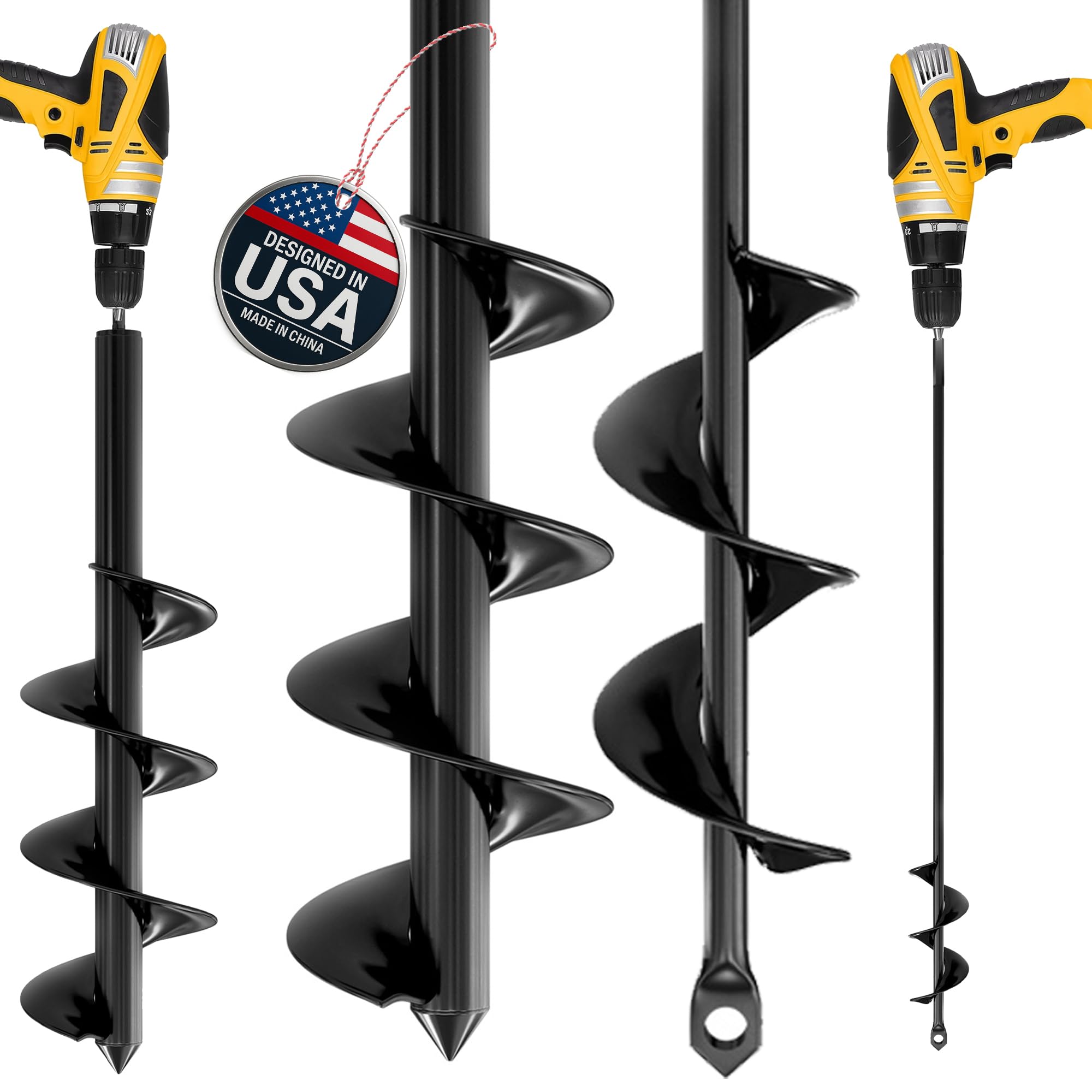
Power Planter 3x12

Power Planter 3x12

Varied soil types

Our Score 9.2/10
Check Price

Worth Noting

  • In extremely rocky soil, the bit may bend
  • Leaves loose soil in the hole instead of lifting a clean plug.
Type
Auger drill
Depth
12 in
Diameter
3 in
Material
Alloy steel, black oxide
Read the full review

The Power Planter DIY Guru auger is a 3-inch alloy steel bit with a 3/8-inch hex shank, designed to work with a powerful drill. Its black oxide finish and three spiral flutes bite into heavy clay and loam without stalling, giving you a speed advantage over manual bulb planters. The American-made construction and lifetime warranty back the build quality.

This auger suits gardeners who already own an 18V+ drill and need to plant bulbs or small plants in clay or loam. The tradeoff: it leaves a loose pile of soil rather than a clean plug, so you'll need to handle the soil separately. It also requires moderate caution in very rocky ground to avoid bending the bit.

The loose soil can be removed with a hand trowel if you prefer a tidy planting hole.

Bottom line: For drill owners who plant in clay or loam and value speed, this auger delivers on build and backing with a simple caveat on soil extraction.

4

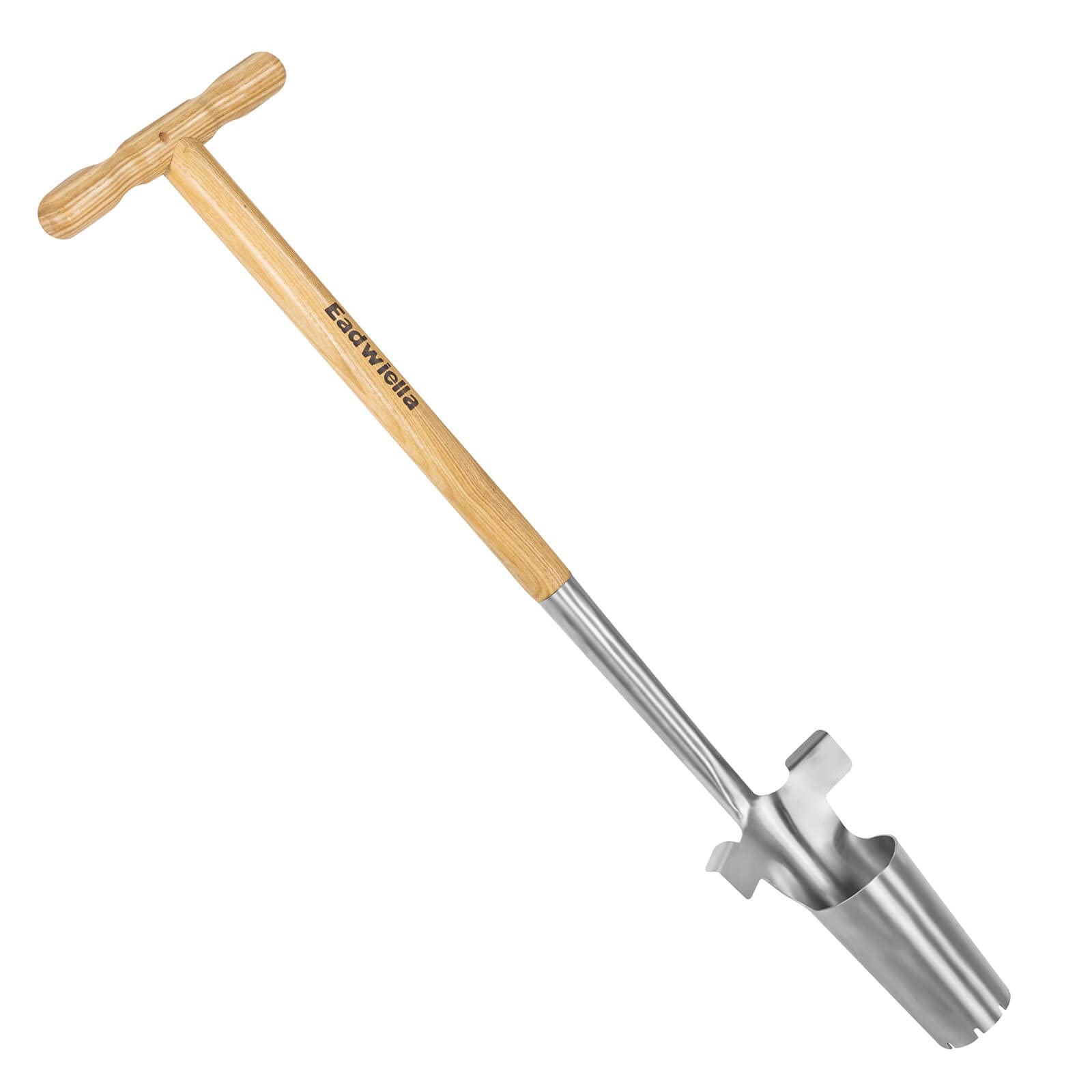
Eadwiella Long-Handle

Eadwiella Long-Handle

Large gardens heavy-duty

Our Score 9.2/10
Check Price

Worth Noting

  • In very hard or rocky soil, the steel can break under lateral stress
  • High upfront cost for occasional use; better suited to regular heavy-duty gardening.
Type
Manual long-handle
Depth
Diameter
3.9 in
Material
Heavy-duty steel
Read the full review

The saw-tooth cutting edge and heavy-duty steel construction set this long-handled planter apart from lighter alternatives. Its 45.6-inch length allows standing operation, reducing back strain while digging holes up to 3.9 inches wide. The serrated edge bites into frozen or compacted soil where standard planters struggle.

This tool is built for gardeners with large gardens who need to plant bulbs or small plants repeatedly in tough ground. The premium price reflects the robust build, but a minority of units have experienced breakage in extremely hard soil – particularly if the tool is pried sideways. For buyers who value durability and have the budget, this planter offers long-term value.

Avoid prying sideways with the tool - use a straight downward motion to reduce stress on the steel.

Bottom line: A heavy-duty long-handled planter for serious gardeners who dig in tough soil; the breakage risk is low but worth noting.

5

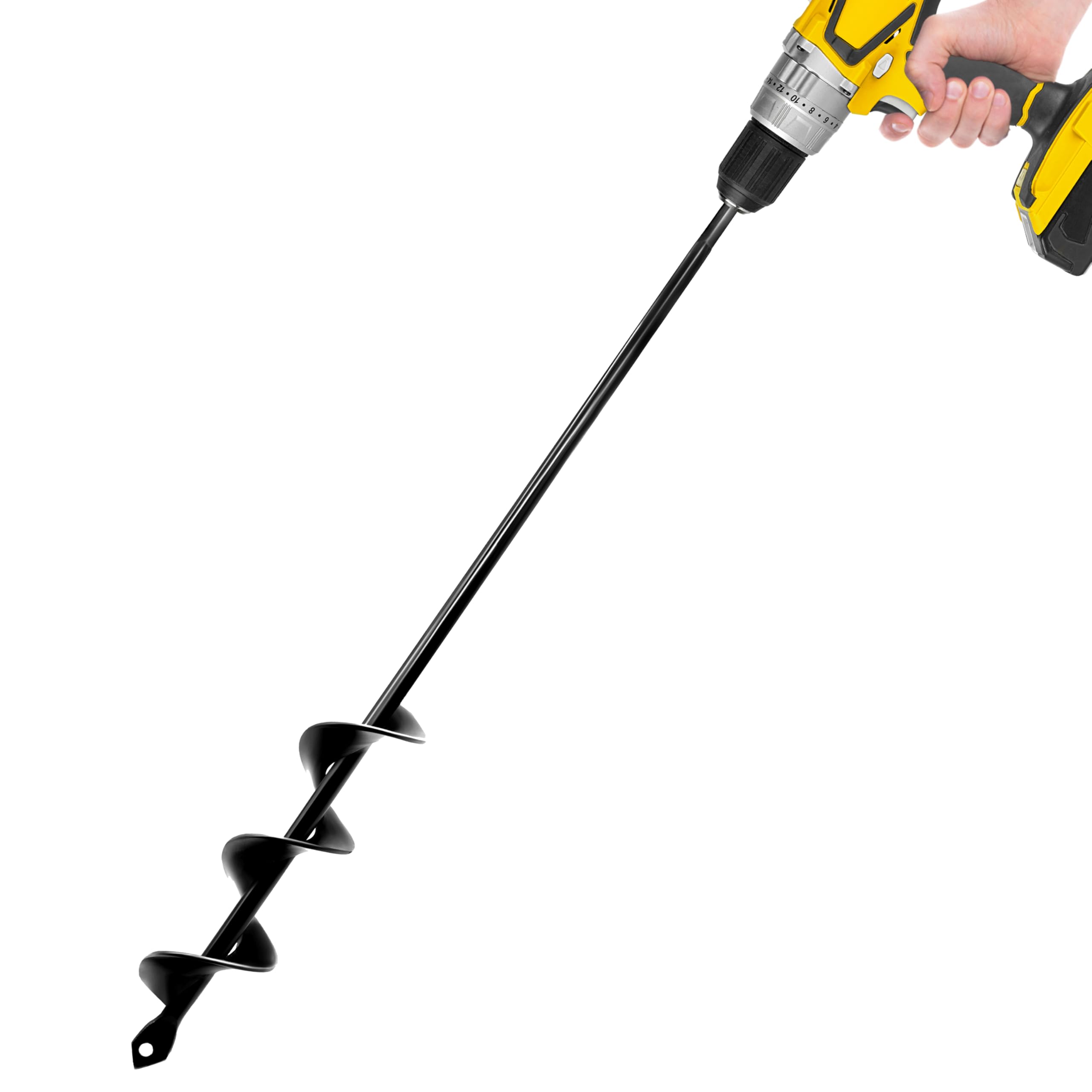
MAXCCINO 2x14.5

MAXCCINO 2x14.5

Soft sandy loam

Our Score 9.2/10
Check Price

Worth Noting

  • Bending can occur in hard, compacted, or rocky soil, reducing effectiveness
Type
Auger drill
Depth
14.5 in
Diameter
2 in
Material
Carbon steel
Read the full review

This MAXCCINO auger delivers on its low price, making quick work of bulb holes in loose, sandy, or loamy soil when paired with a standard drill. The carbon steel bit is easy to use and offers good value for occasional planting. However, its limitations become clear in hard, compacted, or rocky soil — the bit can bend under stress, so it's best saved for soft ground and smaller bulbs.

Bottom line: Best for light bulb planting in soft, prepared soil where drill power is adequate and hard clay is not a concern.

6

K-Brands 2-Pack Auger

K-Brands 2-Pack Auger

Small & medium holes

Our Score 9.0/10
Check Price

Worth Noting

  • In rocky or heavy clay soil, the smaller 1.6-inch bit may bend under stress.
  • Heavy clay soils may require pre-soaking to avoid straining the auger.
Type
Auger drill
Depth
16 in
Diameter
1.6 & 3.5 in
Material
Alloy steel
Read the full review

Two auger sizes (1.6 and 3.5 inches) cover both small bulbs like crocus and larger daffodils, all in one budget-friendly set. The alloy steel construction holds up well in loamy or sandy soil, and the 3/8-inch hex shank fits most cordless drills. This set keeps things simple by focusing on the most-used diameters — a practical approach for home gardeners who don't need extensions or extra bits.

This auger set suits gardeners with a cordless drill who plant bulbs in prepared garden beds. However, in heavy clay or rocky ground the smaller bit can bend under stress, and clay may require pre-soaking before drilling. For tough soil conditions, a manual standing planter or a heavier-duty auger would be more appropriate.

Pre-soaking clay soil or avoiding rocks will help prevent the smaller bit from bending.

Bottom line: For drill-owning gardeners planting bulbs in prepared beds, this two-bit set offers a cost-effective way to cover most bulb sizes — just avoid rocky spots.

7

Berry&Bird Hand Planter

Berry&Bird Hand Planter

Light moderate planting

Our Score 9.0/10
Check Price

Worth Noting

  • In heavy or damp soil, the weld joint may fail and dirt can clog the tube.
Type
Manual handheld
Depth
4 in
Diameter
Material
Stainless steel, ash wood
Read the full review

This Berry&Bird hand planter combines attractive materials with a comfortable grip for planting bulbs in prepared garden beds. The 4-inch depth suits small bulbs like crocus, but for larger bulbs requiring deeper holes, you will need a different tool. The weld joint can separate under heavy stress, and damp soil may stick inside the tube. This is a solid option for light, occasional planting where appearance matters, but not for heavy clay or high-volume work.

Bottom line: Best for gardeners who want an attractive hand tool for occasional planting of small bulbs in loose soil, and who prioritize aesthetics over maximum depth or heavy-duty durability.

8

Toresano Hand Planter

Toresano Hand Planter
Our Score 9.0/10
Check Price

Worth Noting

  • Soil can get stuck in the spring release mechanism; edges may feel sharp
Read the full review

The Toresano Hand Planter handles light planting in soft soil or raised beds without fuss, thanks to its automatic spring release and marked depth scale. At this budget-friendly price, it is adequate for occasional use. However, user feedback is limited, and the release mechanism can jam in slightly damp conditions; the top edges may also feel sharp on bare hands. These tradeoffs make it a tool for one-time projects or as a backup, not for regular planting in heavier ground.

Tap the side gently to release stuck soil rather than forcing the spring mechanism.

Bottom line: Best for a single season of planting in loose, prepared soil when you want the lowest possible investment.

9

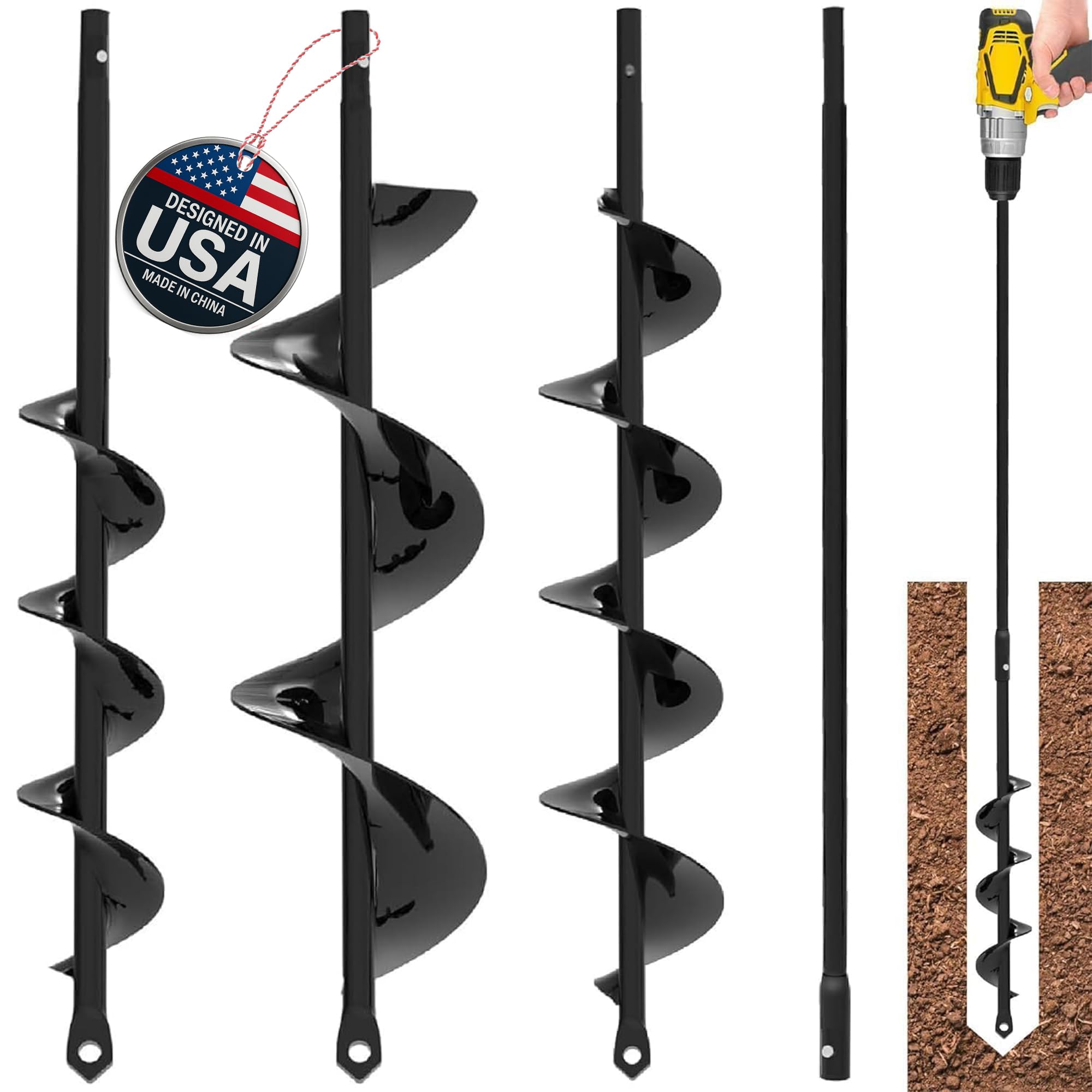
K-Brands 3-Pack+Ext

K-Brands 3-Pack+Ext

Soft soil deep holes

Our Score 9.0/10
Check Price

Worth Noting

  • Individual bits may bend or break on first use, especially in rocky or compacted soil.
Type
Auger drill
Depth
12-15 in + 16.5 ext
Diameter
1.6, 2.6, 3 in
Material
Alloy steel, black oxide
Read the full review

This set provides three auger bits (1.6, 2.6, and 3 inches) plus a 16.5-inch extension, allowing you to drill holes of varying widths and depths for bulbs or small plants. However, durability is inconsistent — individual bits may bend or break on first use in hard or rocky soil, so it's best suited for soft, loamy ground where the risk is lower.

Bottom line: This set works best for gardeners with soft, loamy soil who need multiple bit sizes and an extension — avoid if planting in rocky or heavy clay.

10

ERYTLLY 3x7 Short

ERYTLLY 3x7 Short

Shallow bulb planting

Our Score 8.8/10
Check Price

Worth Noting

  • 7-inch depth insufficient for tulips, daffodils, or other deep bulbs
  • Requires a drill with a 3/8-inch chuck; 1/4-inch chucks won't work
Type
Auger drill
Depth
7 in
Diameter
3 in
Material
Alloy steel, powder coating
Read the full review

This 3-inch diameter auger with three spiral flutes handles shallow bulb planting efficiently in soft soil. However, its 7-inch length stops short of deep tulip bulbs, and the shaft may not fit drill chucks smaller than 3/8 inch. It's a budget-friendly option for crocus or small perennials in prepared beds.

Bottom line: Best for gardeners planting small bulbs in loose soil who own a compatible drill and don't need deep holes.

11

SORANGEUN 1.6x16.5

SORANGEUN 1.6x16.5

Soft soil small bulbs

Our Score 8.8/10
Check Price

Worth Noting

  • In hard or rocky soil, the shaft can bend
Type
Auger drill
Depth
16.5 in
Diameter
1.6 in
Material
Manganese steel
Read the full review

This auger uses manganese steel and costs under ten dollars, making it an affordable option for gardeners with soft, cultivated soil who already own a drill. It attaches easily and digs holes quickly for small bulbs like crocus or grape hyacinth. However, its usefulness is limited: in hard, compacted, or rocky soil the shaft can bend, so it's best reserved for light, occasional use in the fluffiest garden beds.

Bottom line: Best for gardeners with soft, well-tilled soil who need an inexpensive tool for occasional bulb planting.

12

Colwelt Long-Handle

Colwelt Long-Handle

Average garden soil

Our Score 8.6/10
Check Price

Worth Noting

  • In compacted soil the tool demands significant downward force; some units have bent under heavy use.
Type
Manual long-handle
Depth
4.7 in
Diameter
3.5 in
Material
Powder coated steel
Read the full review

The Colwelt stands out with its serrated cutting edge that slices through turf, and the dual pedals make hole depth easier to control. In average garden soil it performs well, but in compacted ground the force needed goes up, and some units have shown bending under heavy demand. That makes it a fit for gardeners with typical loam or prepared beds, not for rocky or densely packed sites.

Bottom line: A decent budget-friendly standing planter if your soil is loose to moderate, but for tough clay or rocky ground the effort may outweigh the convenience.

How to Choose

Hole Diameter

Diameter controls which bulbs fit. A 2-inch bit works for crocus and grape hyacinths, but tulips and daffodils need a 3-inch hole to drop in without crowding. Going too narrow forces you to ream the hole by hand.

Larger diameters (3.5 to 4 inches) also work for small perennials and transplant plugs, but require more torque from a drill or more force from a manual tool. Match diameter to the largest bulb you plant regularly.

Depth Capacity

Tulips need 6-8 inches deep; smaller bulbs need 3-4 inches. A tool that can't reach the required depth means extra digging. Manual planters with adjustable depth rings give repeatable control, while augers rely on the bit length and your drill's battery.

Deeper auger bits (14-16 inches) let you drill to full depth without tilting, but they stress the drill motor and the bit's hex shank. For shallow bulbs, a 7-inch bit is lighter and less prone to bending.

Material and Durability

Carbon steel and alloy steel are standard. The real durability difference is in wall thickness and weld quality, not just the steel type. Thin-walled planters under $10 often have spot welds that snap after a few holes in moderately firm soil.

Look for reinforced steel or heavy-gauge construction, especially on manual tools that take a foot stomp. Augers with black oxide coatings resist rust but do nothing against bending. The bend point is almost always the transition from flute to shank.

Manual vs. Auger

Manual planters (handheld or long-handled) give you tactile feedback and depth control. They shine in clay because you can wiggle the tool to loosen soil. The downside: they require repeated squatting or standing force, and soil can stick inside the tube.

Augers are faster and need less effort per hole, but they're unforgiving in rocky or hard-packed soil. A sudden rock can wrench the drill sideways, so a side-handle drill is a safety must. Augers also leave loose soil in the hole rather than a clean plug.

Ergonomics

Standing planters with foot pedals reduce back strain. Long handles (45 inches or more) let you plant without bending. For augers, a comfortable drill grip and a bit that doesn't wobble in the chuck matter more than the bit's handle.

Weight also plays a role. A 4-pound manual planter is manageable for 50 holes, but 2-3 pounds lighter tools strain the shoulders less over an afternoon. For augers, the drill weight plus bit can tire the wrist, so an 18V+ drill with a secondary handle is recommended.

Frequently Asked Questions