Garden Tools

6 Best Border Spade of 2026: Root-Cutting Performance Without the Weight Worry

Find the border spade that handles your soil—whether it's rocky clay or soft loam—without fatigue or handle breakage.

A border spade should make light work of planting and edging, but many fall short. Wooden handles snap under pressure, blades dull quickly, or the weight leaves you exhausted. This guide cuts through the noise to help you find the spade that matches your soil and stamina.

The real choice comes down to two trade-offs: serrated vs. smooth edge, and fiberglass vs. wood handle. A serrated blade slices through roots but adds weight; a smooth edge glides through prepared beds but struggles in compact dirt. The right pick depends on your garden's demands.

1

Root Slayer Nomad Spade

Top Pick
Root Slayer Nomad Spade

Root cutting

Our Score 9.6/10
Check Price

Worth Noting

  • The 2.7 lb weight can cause arm fatigue during long digging sessions
Handle
Fiberglass
Weight
2.7 lbs
Edge Design
Serrated
Blade Material
Carbon steel (serrated)
Read the full review

The serrated edge and inverted V tip grab and cut roots rather than sliding over them, so you spend less time hacking and more time planting. The compact 39-inch length and narrow blade fit into tight flower borders where full-size spades won't go.

At 2.7 lbs, this spade is heavier than most border spades — the fiberglass handle and carbon steel blade add heft that provides leverage but can cause fatigue over time. It suits gardeners who regularly face tough soil and roots, and who prioritize cutting ability over all-day comfort. Those with limited strength or who prefer a lighter tool should look at other options.

Let the blade's weight do the work by using a steady downward motion rather than muscular effort — this reduces fatigue.

Bottom line: A durable border spade that excels at root cutting — choose it if your soil is compact or root-bound and you don't mind trading lightweight comfort for cutting power.

2

HANTOP Serrated Spade

HANTOP Serrated Spade

Budget edging

Our Score 9.6/10
Check Price

Worth Noting

  • At 4.5 lbs, the weight can be tiring during extended border work
  • The handle length (43 inches) exceeds the typical border spade range, reducing maneuverability in tight beds
Handle
Fiberglass
Weight
4.5 lbs
Edge Design
Serrated
Blade Material
1050MN alloy steel
Read the full review

The HANTOP serrated spade brings the same aggressive cutting performance as pricier models, using a sharp 1050MN alloy steel blade with sawtooth edges that slice through sod, roots, and compacted soil. The fiberglass handle and wide footplate offer stable leverage, though the 43-inch length and 4.5-pound weight make it less agile in tight flower borders. This spade suits budget-conscious gardeners who value a sharp edge and durable handle material over a traditional lightweight border shape.

Bottom line: A smart buy for anyone on a budget who needs a serious cutting tool for sod and roots, provided the heavier weight and longer handle don't conflict with their garden layout.

3

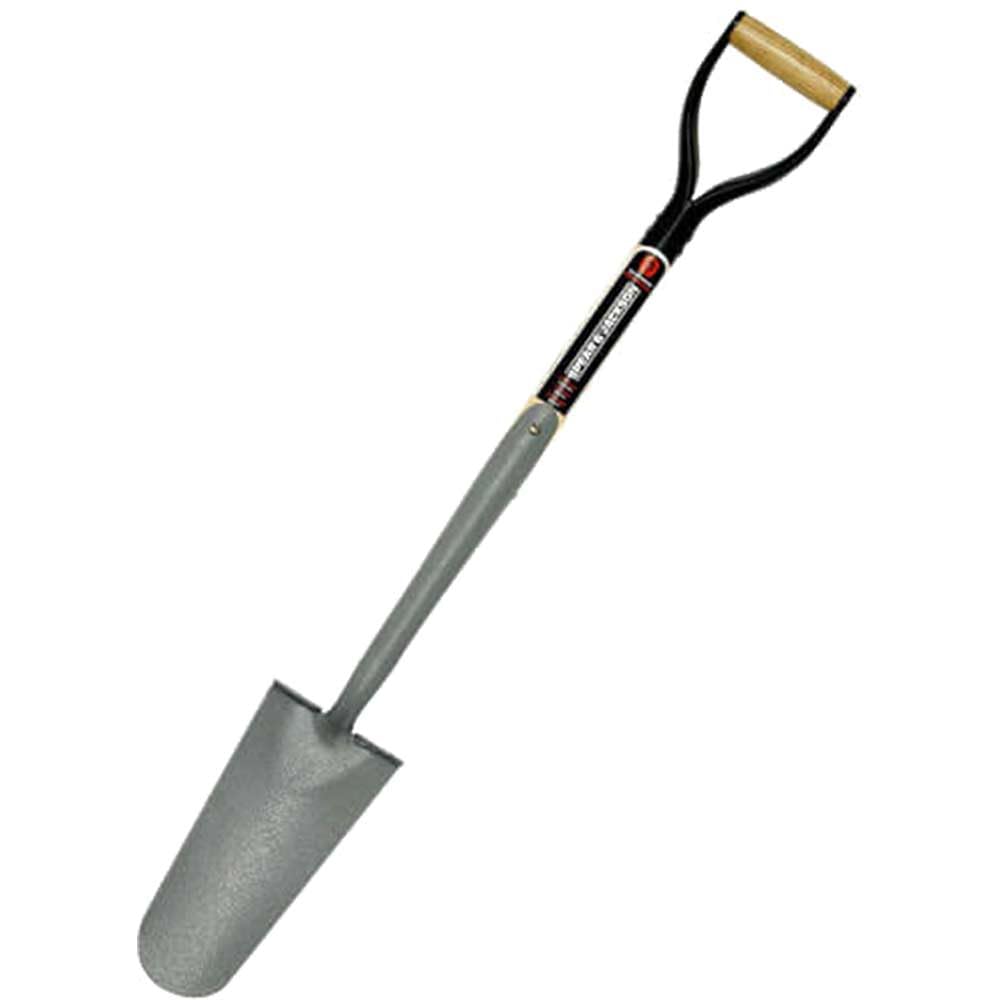
S&J Rabbiting Spade

S&J Rabbiting Spade

Rocky soil

Our Score 9.4/10
Check Price

Worth Noting

  • At 4.76 lbs, the spade is noticeably heavy; the handle material may become uncomfortable over time.
Handle
Steel
Weight
4.76 lbs
Edge Design
Smooth
Blade Material
Forged carbon steel
Read the full review

Unlike lighter stainless steel border spades that prioritize comfort, this Spear & Jackson focuses on raw prying power with its solid forged carbon steel blade and extra-long socket. It suits gardeners in rocky soil who need to lever out stones and transplant shrubs. Given its build, it is best for short, intense digging sessions rather than prolonged border work.

Bottom line: This spade's strength is its prying ability; it is a specialist tool for rocky ground.

4

S&J Select Carbon Spade

S&J Select Carbon Spade

Modern ergonomics

Our Score 9.2/10
Check Price

Worth Noting

Handle
Polypropylene
Weight
4.12 lbs
Edge Design
Smooth
Blade Material
Fabricated carbon steel
Read the full review

The polypropylene handle with softgrip forward tilt reduces wrist strain during border work, and the epoxy-coated carbon steel blade resists rust. Without community performance data, heavy clay or root-filled soils remain an open question for this premium-priced spade.

Bottom line: Best for buyers who prioritize ergonomic handle design and modern materials over proven field performance.

5

S&J Neverbend Border Spade

S&J Neverbend Border Spade

Forged quality

Our Score 9.0/10
Check Price

Worth Noting

  • In compact or rocky soil, long-term durability is unconfirmed by user experience.
Handle
Weatherproofed hardwood
Weight
3.75 lbs
Edge Design
Smooth
Blade Material
Forged carbon steel
Read the full review

The Neverbend name carries weight: the forged carbon steel blade and long socket offer strength, while the forward-tilt handle reduces wrist strain. Without user feedback, however, real-world durability under heavy digging is unconfirmed. This suits brand loyalists who trust Spear and Jackson's forging reputation over crowd-sourced reviews.

Bottom line: A suitable option for gardeners who value a reputable brand and ergonomic handle over verified long-term performance data.

6

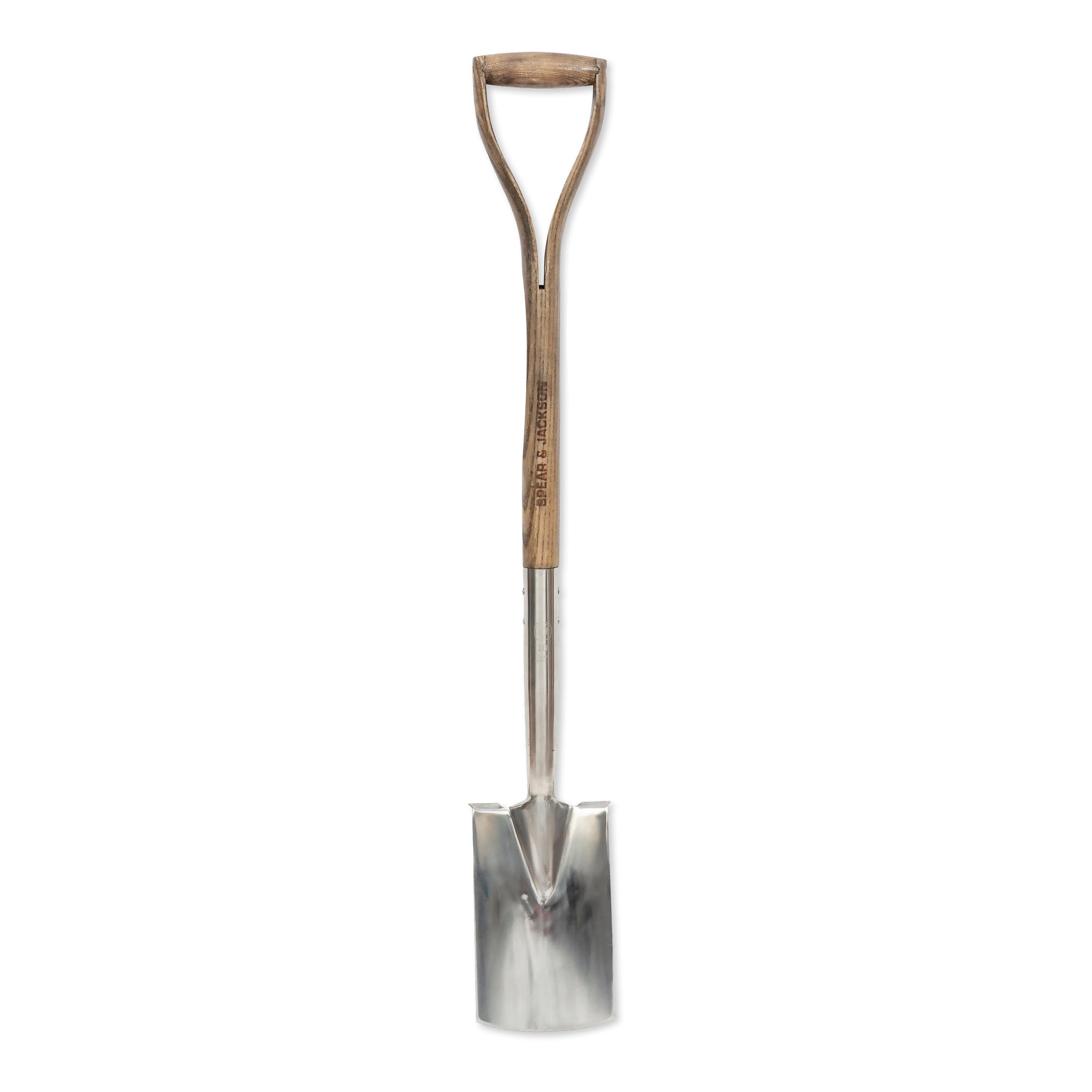
S&J Stainless Border Spade

S&J Stainless Border Spade

Light border work

Our Score 8.8/10
Check Price

Worth Noting

  • Hardwood handle can break under heavy stress or in rocky soil, limiting the spade to soft, prepared ground
Handle
Hardwood
Weight
3.3 lbs
Edge Design
Smooth
Blade Material
Stainless steel
Read the full review

The Spear & Jackson border spade stands out for its mirror-polished stainless steel blade that resists rust and wipes clean easily, paired with an ergonomic wishbone hardwood handle that feels comfortable in the hand. This combination makes it a capable tool for light to moderate work in well-prepared beds and borders, where its balanced weight and smooth edge slide through soft soil without effort.

Where the top pick’s serrated carbon steel excels at root cutting in tougher ground, this spade trades that ruggedness for a more refined digging experience in forgiving soils. It suits gardeners who prioritize a polished look and easy maintenance, but the hardwood handle may snap under heavy stress or rocky conditions, so it’s best kept for gentle border work rather than root-heavy or compacted soil.

Avoid prying or levering with the handle; let the blade do the work to reduce stress on the wood.

Bottom line: This spade delivers a refined digging experience in loose beds — if your soil is soft and the work is light, it’s a pleasure to use. For heavier duty or rocky ground, the top pick’s reinforced build is the better match.

How to Choose

Blade Material

Carbon steel holds a sharp edge longer and withstands prying, but it rusts if left damp. Stainless steel resists corrosion and cleans easily, but it's more brittle and may chip under heavy force.

For rocky or root-filled soil, a carbon steel blade with a serrated edge provides the most bite. For well-prepared beds and light work, stainless steel's low maintenance is a clear advantage.

Weight

Every extra pound multiplies fatigue over a day of digging. A spade under 3 lbs suits all-day use; 3.5-4.5 lbs is manageable for shorter sessions. Above 4.5 lbs, you'll feel it in your shoulders and back after an hour.

Heavier spades transfer more force into the ground, which helps in compact soil. The trade-off is that you can't swing them as long before needing a break.

Handle Construction

Wood handles feel warm and traditional but are vulnerable to splitting, especially when used for prying or left in rain. Fiberglass and polypropylene handles are lighter and nearly unbreakable, though they transmit more vibration.

A forward-tilt handle reduces wrist strain by keeping the blade aligned with your natural swing. Solid socket construction (where the handle seats into the blade) adds strength for heavy prying.

Edge Design

Serrated edges cut through roots like a saw, making them ideal for breaking ground in weedy or compacted areas. Smooth edges slide cleanly into prepared soil and don't snag on loose debris.

If you regularly edge beds or transplant in loose dirt, a smooth edge is faster. If you're often wrestling with tree roots or sod, a serrated blade saves real effort.

Frequently Asked Questions