Soil & Fertilizer

14 Best Vegetable Fertilizer of 2026: Real Results Without Overpaying

Find the right vegetable fertilizer for your garden – whether organic, synthetic, or slow-release – without wasting money on overpriced specialty blends.

Many gardeners assume expensive specialty formulas are necessary for a bumper crop, but most vegetables respond just as well to a well-chosen all-purpose fertilizer at half the price. The trick is matching the NPK ratio and form to your specific plants and your willingness to mix or monitor.

This guide cuts through the marketing to highlight what actually matters: NPK balance, release speed, and whether organic certification is a genuine need for your soil health goals. We cover synthetics, organics, slow-release, and liquid programs so you can pick the one that fits your garden size and your tolerance for smell or mixing.

The best fertilizer isn't the most expensive or the most specialized – it's the one you'll actually use consistently at the right rate for your crops.

1

Miracle-Gro All Purpose 24-8-16

Top Pick
Miracle-Gro All Purpose 24-8-16

All vegetables

Our Score 9.6/10
Check Price

Worth Noting

  • Over-application can scorch leaves and roots if dilution is not precise.
Form
Water-soluble powder
Organic?
No
NPK Ratio
24-8-16
Read the full review

Noticeably bigger, faster growth on every vegetable type in the garden – from leafy greens to fruiting crops. The 24-8-16 NPK ratio provides a balanced nitrogen, phosphorus, and potassium supply that works across a wide range of plants, not just tomatoes or peppers. Within days of the first feeding, leaves deepen in color and new shoots appear.

The powder dissolves quickly in water with minimal clumping, making mixing straightforward. Results are visible quickly, which suits gardeners who want to see progress without waiting weeks. The burn risk is real if you skip the dilution instructions – using the recommended rate for mature plants and half-strength for seedlings avoids this issue entirely.

Best suited for first-time vegetable gardeners who want a no-fuss feeding schedule, or anyone with large beds looking to minimize cost per feeding. The synthetic formula means it is not a fit for strict organic growers, and the fast-acting nature requires more frequent application (every 1-2 weeks) compared to slow-release granules.

Mix at half-strength for seedlings or sensitive plants to reduce burn risk.

Bottom line: An effective, low-cost option for vegetable gardeners who want quick results and don't need organic certification – just measure carefully.

2

Espoma Tomato-Tone 3-4-6

Espoma Tomato-Tone 3-4-6

Tomato rot prevention

Our Score 9.6/10
Check Price

Worth Noting

  • Strong organic matter smell may be noticeable in enclosed spaces or when stored
  • Higher price per pound than generic organic fertilizers - best value only if you need the calcium
Form
Granules
Organic?
Yes
NPK Ratio
3-4-6
Read the full review

Espoma Tomato-Tone stands out for its 8% calcium content, which directly addresses blossom end rot in tomatoes. The 3-4-6 NPK ratio is tailored for fruiting crops, and the OMRI-listed organic granules are ready to use without mixing.

This fertilizer suits organic tomato growers who have seen blossom end rot ruin their harvest. The higher price per pound and strong organic smell are tradeoffs you'll accept if calcium is the priority. For general vegetable gardens, the all-purpose Garden-Tone is a better fit.

Working the granules into the top layer of soil helps reduce the organic smell.

Bottom line: For tomato growers battling blossom end rot, this is the targeted solution. Skip it if you are not growing tomatoes or want a budget all-purpose option.

3

Worm Castings 5lb

Worm Castings 5lb

Soil amendment

Our Score 9.6/10
Check Price

Worth Noting

  • Some bags arrive with clumped or moldy castings
  • Low nutrient content means it cannot replace a balanced fertilizer for heavy-feeding crops.
Form
Worm castings
Organic?
Yes
NPK Ratio
~1-0-0
Read the full review

Back to the Roots Organic Worm Castings delivers pure worm castings that build soil biology and hold moisture without risk of burning plants. With an NPK around 1-0-0, it provides minimal direct nutrition – gardeners growing heavy feeders like tomatoes or peppers will need a complementary fertilizer to support yields. This is a soil amendment, not a primary fertilizer.

Bottom line: Ideal for organic gardeners prioritizing soil health over immediate nutrient delivery, but pair it with a concentrated fertilizer for fruiting vegetables.

4

Osmocote 14-14-14

Osmocote 14-14-14

Low-maintenance gardens

Our Score 9.4/10
Check Price

Worth Noting

  • Delayed nutrient release in cold spring soil can slow visible results
  • Made from synthetic ingredients, not suitable for organic gardening
Form
Slow-release granules
Organic?
No
NPK Ratio
14-14-14
Read the full review

This slow-release granule delivers a steady 14-14-14 NPK to vegetable beds through a single application that lasts the season. Unlike water-soluble options that require weekly mixing, Osmocote lets you sprinkle and forget.

Ideal for gardeners with raised beds or in-ground patches who want to fertilize once in spring and not think about it again. However, because the granules release slowly and depend on soil temperature, results take longer in cool spring soils — water-soluble fertilizers offer faster nutrient availability when soil is still cold. This product suits patients but is not a fit for organic gardeners.

Apply when soil temperatures reach 60°F for optimal release speed.

Bottom line: For vegetable gardeners who prefer a single, forgiving application and are willing to wait for soil to warm up, Osmocote delivers consistent season-long feeding at a low cost per square foot.

5

FoxFarm Trio Pack

FoxFarm Trio Pack

Serious growers

Our Score 9.4/10
Check Price

Worth Noting

  • Not labeled organic; synthetic ingredients rule out certified organic gardening
Form
Liquid concentrates
Organic?
No
NPK Ratio
Various
Read the full review

The FoxFarm Trio covers the full lifecycle: Grow Big (6-4-4) for vegetative growth, Tiger Bloom (2-8-4) for flowering and fruiting, and Big Bloom (0-0.5-0.7) as a supplement. This stage-specific approach lets you adjust nutrition precisely, which heavy feeders like tomatoes, peppers, and cannabis respond to with noticeably larger yields compared to a single all-purpose fertilizer.

This system suits dedicated gardeners who treat fertilizer as a fine-tuning tool, not a one-step fix. The liquid concentrates require pH monitoring and periodic flushing to prevent salt buildup — a commitment that beginners or set-and-forget users will find demanding. It also uses synthetic ingredients, so it won't satisfy certified organic production.

Bottom line: For growers willing to invest time in pH management, the FoxFarm Trio lifts yields beyond what a single all-purpose fertilizer can achieve.

6

Miracle-Gro Tomato 18-18-21

Miracle-Gro Tomato 18-18-21

Tomato heavy feeders

Our Score 9.4/10
Check Price

Worth Noting

  • Synthetic formula
  • Requires mixing and feeding every 1-2 weeks, which may slip in busy schedules.
Form
Water-soluble powder
Organic?
No
NPK Ratio
18-18-21
Read the full review

The Miracle-Gro Tomato Plant Food delivers a high-potassium formula that supports fruit development in tomatoes and peppers without breaking the bank. Its water-soluble powder mixes easily and provides nutrients quickly. However, this is a synthetic product requiring weekly mixing and frequent reapplication, and it is not suited for an organic garden. The all-purpose Miracle-Gro covers mixed beds at a similar cost, making this a specialist choice rather than a versatile option.

Bottom line: Best for tomato and pepper growers on a tight budget who do not mind mixing a synthetic fertilizer weekly.

7

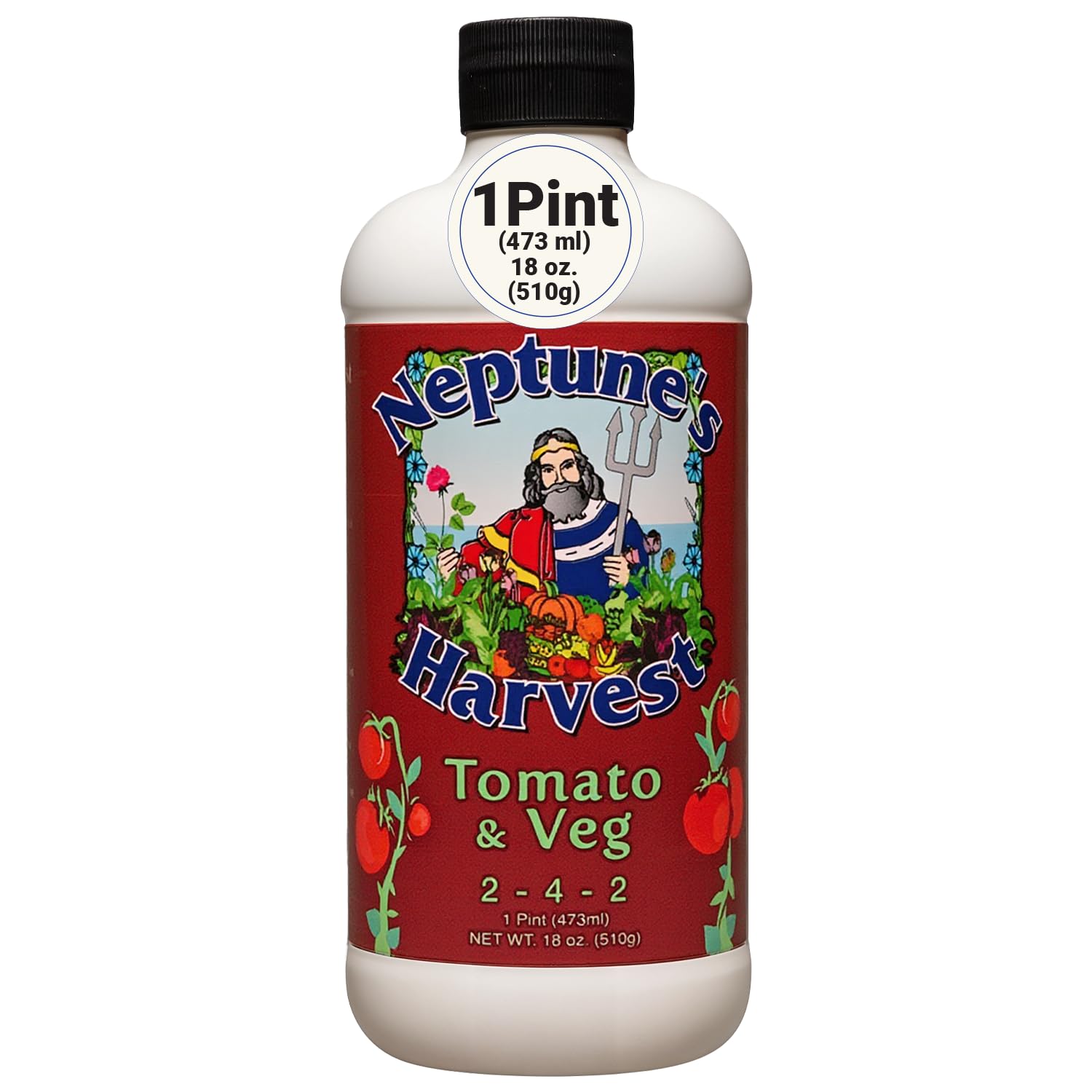
Neptune's Harvest 2-4-2

Neptune's Harvest 2-4-2

Small organic gardens

Our Score 9.4/10
Check Price

Worth Noting

  • Strong fishy odor can be unpleasant and may attract animals during use.
  • Higher cost per gallon mixed compared to powders or granules.
Form
Liquid concentrate
Organic?
Yes
NPK Ratio
2-4-2
Read the full review

This OMRI-listed fish and seaweed concentrate works as both a foliar spray and root drench, delivering nutrients fast to tomatoes and vegetables in containers or small raised beds. The fishy odor is noticeable during mixing and may linger, and the cost per feeding is on the high side for larger plantings. As a result, it suits gardeners who prioritize organic ingredients over budget and are comfortable with the scent.

Bottom line: Ideal for organic gardeners with small raised beds or containers who value a liquid concentrate and can accept the smell and premium price per feeding.

8

Scotts Continuous Release

Scotts Continuous Release

Budget slow-release

Our Score 9.4/10
Check Price

Worth Noting

  • Not organic
  • Feeding duration is limited to 2 months, so long-season vegetables may need a second application.
Form
Slow-release granules
Organic?
No
NPK Ratio
Not disclosed
Read the full review

Scotts All Purpose Flower & Vegetable Continuous Release Plant Food delivers a steady supply of nutrients for up to two months with a single application. It works well on both flowers and vegetables, and the price is hard to beat. The synthetic formula feeds reliably, but the duration is shorter than slow-release competitors like Osmocote – expect to reapply mid-season if your crops need longer coverage. It also comes with the usual salt-based risk: over-application can scorch leaves, so follow the label rates closely. This product suits budget-conscious gardeners who don't mind synthetic fertilizer and are tending in-ground beds rather than containers that need more frequent feeding.

Measure carefully – exceeding the label rate can cause leaf burn.

Bottom line: A low-cost option for flower and vegetable beds that accept synthetic fertilizer and don't need all-season feeding – just apply at the recommended rate to avoid leaf burn.

9

Espoma Garden-Tone 3-4-4

Espoma Garden-Tone 3-4-4

All vegetables & herbs

Our Score 9.4/10
Check Price

Worth Noting

  • Effectiveness relies on brand trust
Form
Granules
Organic?
Yes
NPK Ratio
3-4-4
Read the full review

Espoma Garden-Tone offers a balanced 3-4-4 NPK with Bio-tone microbes for soil health, suitable for all cool and warm season vegetables. However, the product’s performance is backed primarily by brand reputation — user reports are minimal, so buyers must trust the Espoma name rather than extensive community feedback. This makes it a reasonable choice for those already familiar with the brand, but less ideal for data-driven shoppers seeking verified results.

Bottom line: Best suited for gardeners who already trust Espoma and want a balanced organic option for vegetables, not for those needing verified user feedback to guide their choice.

10

Miracle-Gro Shake 'N Feed

Miracle-Gro Shake 'N Feed

Convenience & calcium

Our Score 9.2/10
Check Price

Worth Noting

  • Synthetic ingredients won't suit organic gardening practices.
Form
Granules, shake-on
Organic?
No
NPK Ratio
Not disclosed
Read the full review

No mixing, no measuring – just sprinkle the granules onto the soil and water. A single application feeds tomatoes, peppers, and other vegetables for up to three months. The added calcium targets blossom end rot, a common issue in fruiting crops.

This works best for gardeners who value convenience over precise NPK control – the formula is less targeted than specialty blends, and over-application can cause leaf burn. If you need an organic option, look elsewhere.

Start with the lowest recommended rate and water thoroughly after application to prevent leaf burn.

Bottom line: If you want a no-fuss fertilizer that feeds for months with a single application, this shake-on granule is the easiest route – just be careful not to overdo it.

11

Dr. Earth Organic 5

Dr. Earth Organic 5

Budget organic

Our Score 9.2/10
Check Price

Worth Noting

  • Strong manure-like odor can be offensive, especially when the granules are wet
  • Leaf damage may occur if applied too heavily
Form
Granules
Organic?
Yes
NPK Ratio
5-5-5 (approx.)
Read the full review

Dr. Earth Organic 5 delivers a blend of mycorrhizae and probiotics that support soil biology while feeding vegetables. The granular formula breaks down slowly, feeding plants and improving root health over several weeks. This approach contrasts with fast-acting synthetics, but for gardeners focused on building long-term soil fertility, it offers a viable path.

Best suited for outdoor vegetable gardeners who want to improve soil health and are willing to work around the strong manure-like odor. The smell lingers, especially when wet, so this isn't a choice for small patios or indoor use. Also, heavy application can burn plants — follow label rates to avoid leaf damage.

Water the granules in after application to reduce the smell and move nutrients into the root zone.

Bottom line: A solid organic choice for outdoor gardeners who prioritize soil health and don't mind the odor, provided they apply it at recommended rates.

12

Jobe's Organics 2-5-3

Jobe's Organics 2-5-3

Organic tomatoes

Our Score 9.2/10
Check Price

Worth Noting

  • Strong chicken manure odor that stays noticeable for days after application.
  • Can draw flies and ants unless granules are thoroughly mixed into the topsoil.
Form
Granules
Organic?
Yes
NPK Ratio
2-5-3
Read the full review

Jobe's Organics 2-5-3 is a solid organic granular option for vegetable beds, especially tomatoes and peppers, thanks to its phosphorus boost from chicken manure. It's OMRI-listed, easy to spread, and feeds every 4-6 weeks. The trade-off is a potent manure odor that lingers for days, and the granules can attract flies and ants if not worked into the soil. At a mid-range price, it performs similarly to Dr. Earth but costs a bit more per pound, making it a secondary pick for organic gardeners who prioritize budget.

Bottom line: Choose Jobe's Organics if you want an organic phosphorus boost for tomatoes and can work around the smell — it's a capable performer, but Dr. Earth gives similar results for less.

13

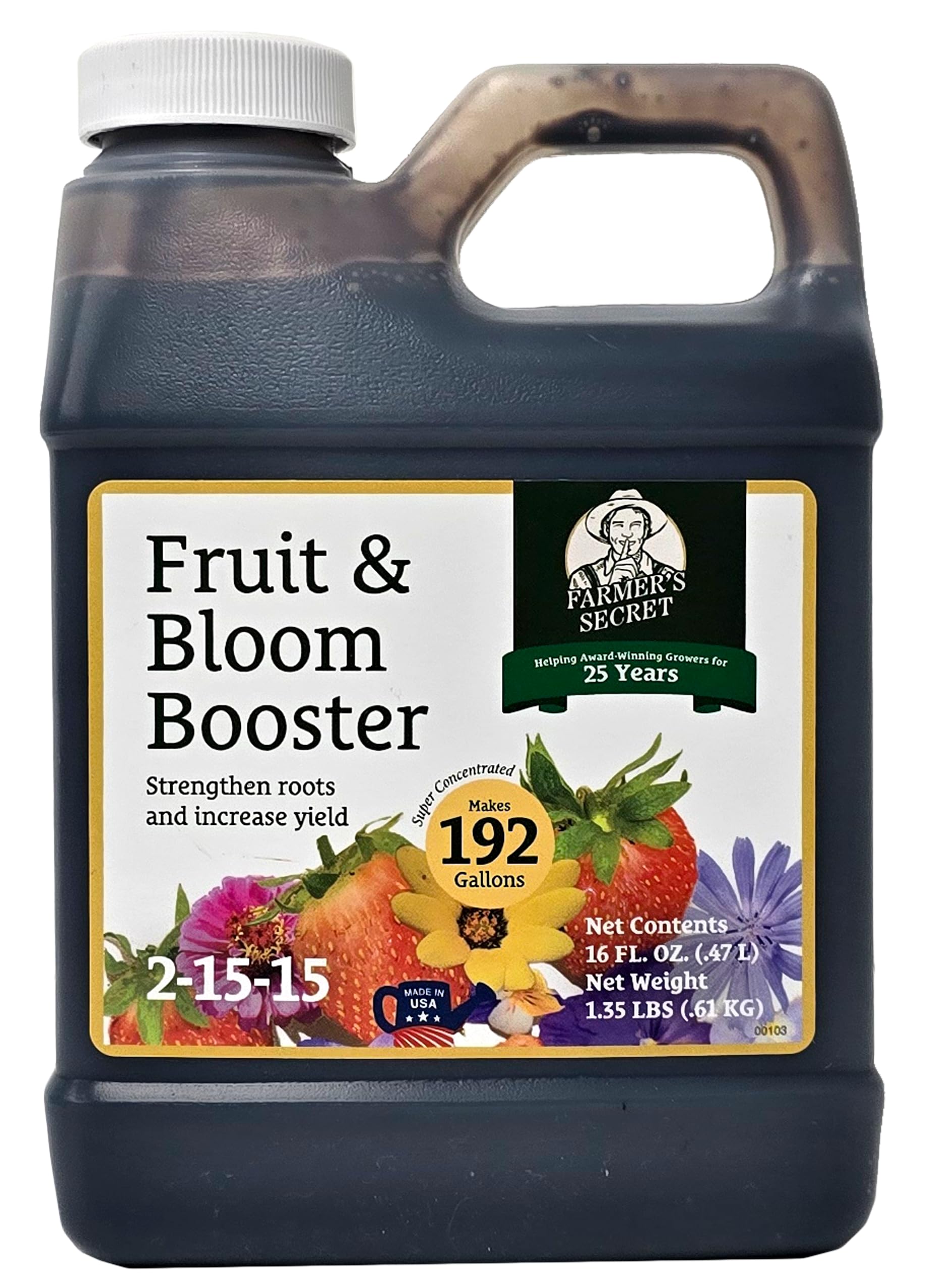
Farmer's Secret Bloom Booster

Farmer's Secret Bloom Booster

Bloom stimulation

Our Score 9.2/10
Check Price

Worth Noting

  • Some bottles may be less concentrated than claimed, requiring dosage adjustment.
  • Not organic
Form
Liquid concentrate
Organic?
No
NPK Ratio
Not disclosed
Read the full review

This liquid concentrate is formulated to stimulate flowering and fruit development, with a small dose (1 tsp per 2 gallons) that can last a while for small gardens. However, it is a synthetic product not suitable for organic growers, and some bottles may have a thinner consistency than expected. As a stage-specific booster rather than an all-purpose fertilizer, it requires pairing with a balanced feed during other growth phases.

Bottom line: Best suited for gardeners who want a targeted bloom push for fruit trees or flowering vegetables and who don't mind supplementing with a separate all-purpose fertilizer.

14

Burpee Organic 3-6-4

Burpee Organic 3-6-4

Budget organic

Our Score 9.2/10
Check Price

Worth Noting

  • Fine particles create noticeable dust during handling, especially in dry conditions.
  • Unpleasant odor reminiscent of used cat litter lingers after application.
Form
Granules
Organic?
Yes
NPK Ratio
3-6-4
Read the full review

This Burpee granular fertilizer delivers a 3-6-4 NPK with a phosphorus edge for fruiting tomatoes and vegetables, all at a budget-friendly price. The granules are OMRI-listed and simple to sprinkle around plants. However, handling the product comes with two real tradeoffs: the fine dust kicks up easily during application, and the odor has been described as similar to used cat litter. For in-ground gardens where dust dispersal is less of an issue and the scent fades quickly, these drawbacks are manageable. If you are setting up a patio container garden or have respiratory sensitivities, the dust and smell will be a persistent annoyance. This is a viable organic option only if you can accept these handling imperfections and find it on deep discount.

Bottom line: Worth picking only for in-ground organic vegetable beds where dust and smell won't cause issues, and only if the price is significantly lower than comparable options.

How to Choose

NPK Ratio: What Numbers Mean

Nitrogen (N) drives leafy green growth; phosphorus (P) supports flowers and fruit; potassium (K) strengthens roots and disease resistance. Leafy greens like lettuce need higher N (e.g., 24-8-16), while tomatoes and peppers benefit from higher P and K (e.g., 3-4-6).

Using a high-N formula on fruiting plants can produce lush leaves at the expense of fruit. A soil test tells you exactly what your garden lacks – applying extra of what's already available wastes money and can harm soil biology.

Form: Water-Soluble vs. Slow-Release vs. Liquid

Water-soluble powders deliver nutrients instantly but require mixing every 1-2 weeks. Slow-release granules feed for months with a single application, ideal for forgetful gardeners or large beds. Liquids allow foliar feeding and stage-specific dosing but need more frequent use.

Granules (slow-release) are nearly impossible to over-apply, while water-soluble powders can burn roots if overconcentrated. Liquids often require pH management, especially with synthetic concentrates like FoxFarm Trio.

Organic vs. Synthetic

Organic fertilizers feed soil microbes and improve long-term soil structure, but release nutrients slowly and can have strong odors (fish, manure). Synthetic fertilizers provide fast, predictable results but don't build soil biology and can burn if misapplied.

OMRI-listed products guarantee no prohibited synthetic ingredients. For organic gardeners on a budget, look for brands like Dr. Earth or Espoma that combine affordability with mycorrhizae and probiotics.

Calcium Content for Tomatoes

Blossom end rot is caused by calcium deficiency during fruit set. Tomato-specific fertilizers with added calcium (e.g., Espoma Tomato-Tone at 8% Ca) can prevent it, but only if your soil actually lacks calcium – a soil test is the only way to know.

Over-applying calcium without a deficiency can lock out magnesium and other nutrients. Use a targeted calcium supplement only if you see signs of rot on the first fruits.

Frequently Asked Questions